Cattle Guards vs. Gates: Pros and Cons

Cattle guards and gates have long served as crucial elements in managing livestock, providing effective methods to control movement and enhance the operation of farms and ranches. When it comes to maintaining the balance between accessibility and containment within agricultural and rural landscapes, landowners often find themselves weighing the practicality of installing cattle guards against the traditional use of gates. Each of these solutions offers distinct advantages and challenges, shaped by a host of factors such as cost, maintenance, durability, and ease of use.

On one hand, cattle guards provide a passive system designed to allow continuous vehicle access while keeping cattle and other livestock within designated boundaries without the need for manual opening and closing. They are often favored for their convenience and time-saving qualities, as they eradicate the need for frequent stops to operate gates. This seamless integration into fencing systems can significantly improve efficiency in agricultural operations, particularly on busy routes frequently traversed by farm equipment and vehicles.

Conversely, gates represent the tried and true method of securing pasture boundaries, granting flexible control over both human and animal movement. While potentially more labor-intensive due to the physical aspect of opening and closing, gates afford specific advantages in terms of their versatility and security. They can be constructed from a variety of materials to suit different environmental conditions and budgetary considerations, and also offer the possibility of greater customization in terms of design and functionality.

Yet, both systems are not without their drawbacks. Cattle guards, for instance, necessitate a considerable upfront investment and may pose challenges for smaller animals or those unfamiliar with the guards. Gates, while being initially less expensive, require regular human intervention, which can be inconvenient and inconsistent. Moreover, both options require ongoing maintenance to ensure reliability and longevity, calling for a careful assessment of their long-term practicality for individual applications.

Exploring the pros and cons of cattle guards and gates offers insights into their suitability for modern agricultural practices, delving into how each system can enhance or hinder the day-to-day activities of managing land and livestock. As such, the decision between implementing cattle guards or gates is multifaceted, requiring a nuanced consideration of varied operational demands, environmental conditions, and management goals.


Accessibility and Convenience

Accessibility and convenience are important factors when considering the management of livestock and the maintenance of farm or ranch boundaries. The term typically refers to how easy it is for individuals to move in and out of a fenced area while still effectively containing animals.

Cattle guards and gates are two common solutions employed in rural and farming environments to control the movement of livestock and vehicles. Each option has its own set of advantages and disadvantages in terms of accessibility and convenience.

Cattle Guards:
Pros:
– Cattle guards offer a high level of convenience, particularly for those who frequently need to access the property with vehicles. They eliminate the need to stop and open or close a gate every time someone enters or exits.
– They can be a time-saver, especially on large properties where there is significant travel between pastures or fields.
– Cattle guards also reduce the possibility of human error, such as forgetting to close a gate, which could lead to livestock escaping.

Cons:
– While convenient for vehicles, cattle guards can be challenging for pedestrians to cross, especially for those with mobility issues or when carrying equipment.
– Certain animals, like small livestock or wildlife, may find ways to cross cattle guards, reducing their effectiveness.

Gates:
Pros:
– Gates offer a more traditional solution and can be adapted to a wide range of fencing types and sizes.
– They can be more easily managed by people on foot and do not pose the same level of difficulty for crossing as cattle guards do.
– Gates allow for the control of selective access, as they can be locked to prevent unauthorized vehicles or persons from entering.

Cons:
– Gates require individuals to manually open and close them, which can be less convenient, especially in poor weather conditions or when hands are full.
– There’s a risk that a gate might inadvertently be left open, potentially allowing animals to escape.
– The need to get in and out of a vehicle each time to operate a gate can be time-consuming on large properties.

In conclusion, when choosing between cattle guards and gates in terms of accessibility and convenience, the decision often comes down to the specific needs of the property and its users. Cattle guards offer efficiency and uninterrupted movement for vehicles at the expense of pedestrian access, while gates can be more universally accessible but require manual operation. Therefore, property owners should select an option that best matches their operational requirements and daily routines for managing livestock movement and property access.


Maintenance and Longevity

Maintenance and longevity are crucial factors to consider when comparing cattle guards and gates for controlling livestock movement. These two methods serve a similar purpose yet differ substantially in their maintenance needs and durability over time.

Cattle guards are designed to provide a vehicle-friendly crossing point over a fenced area without the need for a gate. They consist of a grid of bars or tubes set into the ground, creating spaces that are uncomfortable for cattle to walk over, thus deterring them from crossing. The primary advantage of cattle guards in terms of maintenance is that they require little human intervention once installed. They do not need to be opened or closed manually, which not only saves time but also reduces wear and tear from frequent use. Additionally, cattle guards are typically made from robust materials such as steel, which can endure heavy use over many years. However, they are not maintenance-free; it’s critical to keep them clear of debris and to ensure that the pits beneath them do not become filled, which would allow animals to cross. They may also require occasional painting or treatment to prevent rust, as well as checks to ensure their structural integrity remains sound over time.

Gates, on the other hand, vary widely in their design and construction materials but generally require more frequent maintenance than cattle guards. They must be regularly opened and closed, which can strain hinges and latches, and they must be checked to ensure they are properly latched to effectively contain livestock. Gates made of wood may suffer from weather-related deterioration, necessitating periodic treatment or replacement. Metal gates are more durable but are still prone to issues such as rust or damage from vehicles or animals. The mechanical components of a gate, like locks and springs, might need replacement or lubrication at intervals.

In terms of longevity, both cattle guards and gates can be long-lasting solutions when properly maintained. However, the advantage may tilt towards cattle guards as they typically experience less direct interaction and, consequently, less physical stress on a daily basis.

To summarize, while cattle guards may offer a low-maintenance and long-lasting solution for controlling livestock movement, it’s vital to consider each situation’s specific conditions. Location, climate, animal type, traffic frequency, and personal preference will ultimately influence whether a cattle guard or a gate is the right choice. Gates might be seen as more straightforward and less costly to repair or replace, but they require more daily attention and ongoing maintenance. Cattle guards, meanwhile, provide a more “set it and forget it” approach, but issues when they arise can be more labor-intensive and expensive to address.


Cost and Installation Considerations

Cost and Installation Considerations are critical factors when choosing between cattle guards and gates for managing livestock access and mobility. They determine not only the initial investment required but also the complexity and time-frame for making these systems operational.

Cattle guards are typically seen as a more significant initial investment compared to traditional gates. They are metal or concrete grating systems installed over excavated pits at fence openings. The cost of a cattle guard includes the materials (which can vary depending on the type and weight capacity), transportation to the site, and the potential for needing specialized labor for installation. With the need for excavation and precise placement, the installation process can be more complex and time-consuming than that of a basic gate. However, considering the long-term savings in labor and time due to the reduced need for human intervention to open and close gates, this initial cost might be offset.

On the other hand, gates are relatively less expensive up front and simpler to install than cattle guards. The materials for building a gate, such as wood or metal, are generally more affordable, and their installation does not typically require specialized equipment. Although installing a gate may be less costly initially, it may lead to higher costs in the long run due to the need for manual operation. This includes the time spent by farm workers or property owners in opening and closing gates, especially in large operations where multiple gates are a necessity.

When considering the pros and cons of cattle guards versus gates, the context of usage plays a vital role. Cattle guards offer the advantage of allowing continuous traffic flow for vehicles without the need to stop and manually open a gate. This can be a huge time saver on busy farms or ranches with frequent vehicle movement. They eliminate the need for someone to get in and out of a vehicle to operate the gate, thereby enhancing access.

By contrast, gates do have some advantages. They are highly versatile and can be used in virtually any location. They are particularly useful in scenarios where a cattle guard may not be practical, such as uneven terrain. Gates can also be personalized in design and made to blend with the scenic landscape or the overall style of the property. Moreover, from a maintenance perspective, gates have fewer mechanical parts and therefore, entail simpler maintenance compared to cattle guards, which may require periodic cleaning to remove debris that gets trapped underneath.

In summary, assessing the pros and cons of cattle guards and gates regarding cost and installation requires an understanding of both the immediate financial outlays and the long-term operational implications. Balancing cost-effectiveness with operational practicality is key in determining the best livestock management solution for any particular situation.


Security and Animal Containment

Security and animal containment are critical aspects for anyone managing land, particularly farmers and ranchers. Item 4 from the numbered list, which is ‘Security and Animal Containment,’ addresses the need to protect property and livestock while also preventing the escape or entry of animals. This aspect is crucial for ensuring that livestock remain within designated areas, avoiding potential hazards or damages that could occur if animals wander off the property. It also helps maintain the biosecurity of a farm by limiting the risk of disease transmission that can occur if outside animals interact with the livestock.

When examining the topic of ‘Security and Animal Containment’ in the context of cattle guards versus gates, there are several pros and cons to consider for each option.

**Cattle Guards Pros:**
1. **Reduced Labor**: Once installed, cattle guards require no manual effort to operate, offering seamless movement for vehicles entering or leaving a property without the need to open and close gates. This can significantly decrease the time spent on day-to-day operations, especially in high-traffic areas.
2. **Continuous Containment**: Cattle guards provide constant containment of livestock without the risk of human error, such as forgetting to close a gate.
3. **Convenience for Multiple Users**: In areas with shared access, such as public lands or communal farms, cattle guards can be particularly useful because they don’t rely on each individual to secure the entry point.

**Cattle Guards Cons:**
1. **Initial Cost and Installation**: Cattle guards can be expensive to install, often requiring significant groundwork preparation and materials.
2. **Maintenance**: They can become filled with debris and may require cleaning to maintain effectiveness and prevent hoof injuries.
3. **Effectiveness with Some Animals**: Smaller livestock, such as sheep and goats, may not be effectively contained by cattle guards, and some animals, like deer, can jump over them.

**Gates Pros:**
1. **Lower Initial Cost**: Standard gates tend to have a lower initial cost compared to cattle guards and can be easier and less expensive to install.
2. **Versatility**: Gates can be designed to fit various types of terrain and can be used to contain a wider variety of animals.
3. **Repair and Replacement**: Gates can often be easier and less costly to repair or replace compared to cattle guards.

**Gates Cons:**
1. **Manual Operation**: Gates require someone to physically open and close them, which can be inconvenient and time-consuming, especially in bad weather or when hands are full.
2. **Risk of Being Left Open**: Gates rely on individuals remembering to close them after each use, creating the risk of animals escaping if inadvertently left open.
3. **Obstacle for Vehicles**: During operations like feeding or transport, gates can slow down the process as vehicles have to stop for someone to manage the gate.

Ultimately, the decision between using cattle guards or gates often comes down to balancing the need for convenience and continuous animal containment against the cost and potential maintenance issues, while also considering the specific types of animals being managed and the terrain of the land. Each farm or ranch may have different priorities, which will influence whether cattle guards or gates better suit their operations.


Impact on Wildlife and Livestock Mobility

The fifth item on the numbered list refers to the impact on wildlife and livestock mobility. Both cattle guards and gates have distinct implications for how animals can move within and across rural landscapes. This mobility is vital for the management of livestock and the conservation of wildlife.

Cattle guards are flat barriers placed in or at a roadway that are designed with gaps wide enough for the hoofed foot of an animal to fall uncomfortably between them, thus discouraging them from crossing. These guards can have a significant impact on the free movement of wildlife, as many species avoid crossing them due to the potential for injury or fear of the unfamiliar structure, effectively creating a psychological barrier. This can disrupt natural wildlife movements and segregate populations into smaller, isolated groups, which may have implications for genetic diversity and ecosystem health. Moreover, not all species are deterred by cattle guards, and smaller wildlife can sometimes traverse them or accidentally become trapped in the gaps.

On the other hand, traditional gates can be left open, either intentionally for managed movement or inadvertently due to human error, allowing both wildlife and livestock to pass. While this can be desirable for facilitating natural patterns of wildlife movement, it can also lead to unwanted mingling of wildlife with livestock or the escape of livestock from their designated areas, potentially leading to the spread of diseases, interbreeding, or other management challenges.

In terms of livestock, it is essential to consider the design of cattle guards to ensure that they do not pose a risk to hooved livestock by allowing a foot to become trapped. Gates, while easier for managing individual animal movements, require human operation, which can be inconvenient and can be less effective at containing animals if not properly managed.

There are also the pros and cons of each approach that must be weighed. Cattle guards offer a hands-off approach; once installed, they require limited human intervention. They greatly increase the ease of access for vehicles by removing the need to open and close gates every time a boundary is crossed, which is a significant advantage for workers who need to pass through multiple fence lines frequently. However, their installation can be costly and may require regular maintenance to keep the gaps clear and structural integrity intact.

Gates, while often cheaper in upfront costs and adaptable to different situations, entail ongoing labor and time costs since someone must physically open and close them. This can lead to human error, with gates accidentally left open. Moreover, gates require ongoing maintenance to hinges, locks, and the gate itself due to wear and tear from use and environmental exposure. Gates might also be more acceptable in terms of aesthetics in certain contexts and offer a manual level of control that some ranchers and conservationists prefer.

In summary, when assessing which is most appropriate – cattle guards or gates – multiple factors including the impact on wildlife and livestock mobility, costs, maintenance, and the specific needs of the area must be considered. Each has its own set of pros and cons that may make it more or less suitable depending on the context and objectives of the land management involved.

Facebooktwitteryoutube

Tips for Installing Cattle Guards Properly on Your Property

Cattle guards—those robust, grid-like structures laid at the entry points of pastures and ranch land—are a time-honored solution for containing livestock without impeding the movement of vehicles. For farm and ranch owners, the convenience of not having to open and close gates is a substantial benefit, one that saves time and maintains the secure boundaries necessary for managing cattle. But beyond purchasing a quality guard, proper installation is critical to ensure its effectiveness and longevity.

The installation of cattle guards requires careful planning and preparation. Groundwork must be accurate, as these structures will bear the weight of heavy farm machinery and vehicles, while withstanding the rounded hooves of curious livestock testing their confines. A detailed understanding of the local soil conditions, drainage requirements, and load-bearing necessities can mean the difference between a lasting solution and a maintenance headache.

Additionally, it’s important to comply with local regulations regarding fencing and livestock containment. Building codes may dictate certain standards that your cattle guards must meet, and obtaining the necessary permits before commencing with the installation can help avoid legal complications down the road. Attention must also be given to the design and specification of the guards, ensuring that the gaps are comfortable for vehicular passage yet restrictive enough to deter animals.

For many property owners, installing a cattle guard is an investment in efficiency and security. It must be done correctly to guarantee the safety of your livestock, and the people and vehicles that traverse your land. By following some foundational tips and employing careful installation techniques, your cattle guard can serve as a reliable gatekeeper for years to come.


Assessing Property Needs and Choosing the Right Cattle Guard

Before installing cattle guards on your property, it is essential to determine your specific needs to select the most appropriate type. Start by considering the type of animals you aim to contain or deter. Cattle guards that work for cows might not necessarily be effective for smaller animals such as goats or sheep. Evaluate the expected traffic over the cattle guard—this includes not only the weight and frequency of livestock but also any vehicles that will be passing over. Your property’s environment, soil type, and drainage should also be taken into account since these factors can affect the durability and functionality of the cattle guard.

Different types of cattle guards are available in the market, such as flat, box, and round pipe designs. The choice depends on your requirements and budget. Complying with local regulations is also crucial; checking with your local agricultural extension office or building codes department can provide guidance and help ensure you adhere to legal requirements.

When it comes to installing cattle guards properly, the task requires careful planning and attention to detail. It’s important to ensure that the cattle guard is installed at a location where it is most effective, such as entry points to your property or transition areas between different enclosures. In terms of construction, a solid foundation is critical for the longevity and effectiveness of the cattle guard. A poorly installed cattle guard can lead to problems such as shifting or settling, which can compromise its effectiveness and safety.

Ensure that the area where the cattle guard will be installed is level and has good drainage to prevent water from pooling. The size of the cattle guard must be appropriate for the site; it should be wide enough for the expected traffic and constructed in a way that it cannot be easily bypassed by animals.

Hiring a professional to help with the installation may be beneficial, especially if you are not experienced in construction or groundworks. A professional can help ensure that the cattle guard is installed correctly and securely, with the right materials and techniques.

Regular maintenance is key after installation. This involves checking for signs of wear or damage, ensuring the pit under the cattle guard remains clear of debris, and confirming the structural integrity remains sound. Safety is paramount—both for the livestock and any people or vehicles passing over the cattle guard. Clear signage and proper locking mechanisms can enhance safety and functionality.

In conclusion, properly installing cattle guards on your property can offer an effective way to manage livestock movement while allowing vehicle access. Always take the time to assess your property’s specific needs, adhere to local guidelines, and consider professional assistance for installation to ensure the best outcome.


Site Preparation and Excavation for Installation

Proper site preparation and excavation are pivotal steps in installing cattle guards on your property. This process sets the stage for the installation, ensuring that the cattle guard will function effectively and be durable over time. To start, identify the precise location for the cattle guard. This location should be strategically chosen to prevent livestock from circumventing it, while also being convenient for vehicles to traverse.

Once the location is determined, the next step involves removing any fences or barriers that would be replaced by the cattle guard. Then, you need to measure and mark the area where the excavation will take place. The dimensions of the excavation site are typically a bit larger than the cattle guard itself, to allow for easy placement and adjustments, as well as room for a supporting foundation.

The depth and structure of the excavation may vary depending on the type of load the cattle guard will support and the soil conditions. Generally, the site needs to be deep enough to accommodate the base, which can range from gravel for drainage to reinforced concrete for heavy-duty use. It’s essential to ensure the bottom of the excavation is level, as an uneven base can lead to misalignment and potential structural compromise of the cattle guard over time.

Before you start the excavation process, it’s crucial to consider any underground utilities or services that may be affected. Contacting local utility companies for marking underground lines is a safety measure that can prevent costly and dangerous accidents. Moreover, property owners need to be aware of local building codes and regulations that may dictate specific requirements for the excavation and installation of cattle guards.

Tips for Installing Cattle Guards Properly on Your Property include:

– Acquiring the correct permits: Before beginning the installation process, ensure you have secured any necessary permits as required by your jurisdiction.
– Considering wildlife movement: If your property is in an area with wildlife, it’s vital to install cattle guards that allow for safe animal crossings, thereby preventing harm to both wildlife and livestock.
– Choosing high-quality materials: Durable materials will ensure the longevity of your cattle guard. Galvanized steel or concrete cattle guards are popular choices because they resist corrosion and can support heavy loads.
– Thinking about weight load: Assess the types of vehicles that will typically pass over the cattle guard. It needs to withstand the weight and frequency of that traffic to maintain its integrity.
– Ensuring proper drainage: Good drainage will prevent water from pooling around the cattle guard, which can cause erosion or freeze-thaw damage in colder climates. A compacted gravel base can facilitate drainage.
– Consulting professionals: When in doubt, hiring a professional installer can save you from potential mistakes. These experts can help design and implement a cattle guard system that fits your specific property needs and requirements.


Setting the Base and Foundation for Cattle Guards

Setting the base and foundation for cattle guards is an essential step in the installation process, as this determines the stability and durability of the cattle guard over time. The base must be solid and properly constructed to ensure that it can support the weight of passing vehicles, livestock, and the cattle guard itself.

The foundation for a cattle guard generally consists of either a concrete base or a firm, well-compacted gravel base. Concrete bases tend to provide greater stability and longevity, as well as less maintenance in the long term. If concrete is used, it must be poured to the proper depth and width in accordance with the load requirements and size of the cattle guard. The concrete also needs to cure for the appropriate amount of time before the cattle guard is placed on top.

If opting for a gravel base, the site needs to be well-excavated with gravel layered and compacted thoroughly to prevent shifting or sinking over time. The depth and compaction of the gravel should be sufficient to support the anticipated loads and prevent movement that could compromise the cattle guard’s effectiveness.

When setting the base and foundation, proper water drainage should be considered to avoid water pooling under the cattle guard, as water can lead to erosion and undermine the structure’s integrity. Proper drainage installations or grading can help direct water away from the cattle guard’s base.

Additionally, the foundation must be level, as an uneven base can lead to incorrect cattle guard alignment, making it ineffective and potentially hazardous. It’s also important to remember that the materials used for the foundation should be resistant to the effects of freeze-thaw cycles if the installation is in a region with extreme seasonal changes.

Tips for Installing Cattle Guards Properly on Your Property:

1. **Planning:** Before starting the installation, plan out the location and the size of the cattle guard based on the type of vehicles and the amount of traffic it will bear. Take into account the herd size and tendencies, as different species might require different types of cattle guards.

2. **Permits and Regulations:** In some areas, you may need to obtain permits or follow specific regulations regarding cattle guard installations. Check with your local authorities before proceeding with the installation.

3. **Site Assessment:** Make sure the site chosen is suitable for a cattle guard. Look at factors such as the terrain, soil condition, potential traffic, and animal behavior.

4. **Quality Materials:** Invest in high-quality materials for both the cattle guard and its foundation. The longevity of the cattle guard is closely tied to the quality of the materials used.

5. **Professional Assistance:** If you are unfamiliar with installation processes or the machinery involved, consider hiring a professional to ensure a secure and proper installation.

6. **Regular Maintenance:** After installation, keep an eye on the cattle guard for any signs of wear and perform regular maintenance checks. This includes checking for debris, structural damage, or any issues with the base and foundation.


Installing the Cattle Guard and Ensuring Proper Alignment

Installing a cattle guard is a critical step in protecting both your livestock and your property while allowing vehicles to pass through without opening and closing a gate. When done correctly, it is a practical and time-saving addition to any ranch or farm. Item 4 from the numbered list, “Installing the Cattle Guard and Ensuring Proper Alignment,” is particularly important because if a cattle guard is not installed properly, it may fail to function as intended or may even cause harm to livestock, vehicles, or people.

To begin, it is important to understand that a cattle guard is typically a heavy steel or concrete grid that is placed over a depression in the ground or set on a concrete base that prevents cattle from crossing due to their hoof size and instability on the grid. Installation of a cattle guard must be completed with precision and care.

Here are a few comprehensive tips to ensure that your cattle guard is installed properly:

**1. Check Local Regulations and Specifications:** Before you begin installation, make sure you adhere to local regulations, which may include dimensions and load-bearing specifications. Some regions may require a permit for cattle guard installation.

**2. Precise Measurements:** Make sure that you measure the area accurately where the cattle guard will be installed. It is essential to account for the width of the roadway and also the extra space needed for wings or ramps that lead cattle onto the guard.

**3. Preparing the Site:** As stated in the earlier step (Item 2), site preparation is vital. The area should be excavated to create a level base that aligns with the road surface. Ensure that the depth and materials used for the base provide enough support for the cattle guard, considering the weight it will need to bear.

**4. Construct a Strong Foundation:** Once the base is set (Item 3), a concrete foundation should be cured and leveled to prevent shifting or sinking. The cattle guard should rest evenly on the foundation to avoid any movement when vehicles pass over.

**5. Alignment with Roadways:** The cattle guard must be aligned in a way that it is seamless with the existing road surface for smooth vehicle passage. The ends of the cattle guard should meet the road surface without any significant bumps or gaps.

**6. Securing the Cattle Guard:** After placing the cattle guard on the foundation, it must be secure. If it’s a steel grid, it may need to be welded to adjacent steel sections or bolted down to the concrete foundation to ensure that it does not move or shift.

**7. Quality Inspection:** Once installed, inspect the cattle guard thoroughly. All connections should be strong, and there should not be any movement when pressure is applied. Look for any signs of misalignment or instability.

By carefully installing the cattle guard and ensuring proper alignment, you create a durable barrier that will effectively contain livestock while providing uninterrupted access for vehicles. Regular maintenance and inspection are crucial to ensure that the cattle guard continues to function safely and effectively for years to come.


Maintenance and Safety Considerations Post-Installation

After successfully installing a cattle guard on your property, it’s essential to consider its maintenance and the safety aspects to ensure long-term functionality and to prevent accidental injuries to both livestock and people.

**Maintenance** of cattle guards primarily involves keeping them clean and free of debris. Leaves, mud, snow, ice, and manure can accumulate in the spaces between the bars, reducing their effectiveness at preventing livestock from crossing. Regular cleaning will help maintain the visual and physical barrier that cattle guards provide. Owners should periodically inspect their cattle guards for structural integrity. This includes checking for signs of rust, wear, or damage to the rails or the surrounding frame. If a cattle guard becomes bent or damaged, cattle may be able to cross it, or it may become a hazard for vehicles passing over. In snowy or icy conditions, consider using de-icing materials to maintain traction and prevent the buildup of slippery surfaces.

**Safety considerations** involve ensuring that the cattle guard is visible and recognizable to both humans and animals. This can include installing signs to alert drivers of the presence of a cattle guard, and using reflective paint or markers to improve visibility at night. It’s also important to keep the area around the cattle guard clear of obstacles and to maintain the fence lines on either side to prevent livestock from simply walking around the barrier. For the safety of smaller animals and wildlife, consider incorporating a bypass or an escape ramp for those that fall into the cattle guard.

Additionally, the load rating of the cattle guard should always meet or exceed the heaviest expected vehicle weight, including loaded trucks or farming equipment that may cross it. It’s essential to ensure the cattle guard is properly anchored and secure in its place to handle such loads without shifting.

**Tips for Installing Cattle Guards Properly** on your property begin with correct sizing and compliance with local regulations. Cattle guards must be wide enough and rated for the type of vehicles that will be passing over them. Permits may be necessary, and there may be construction standards set by your local department of transportation or agricultural extension office. Secondly, the cattle guard must be correctly set into the ground with a solid foundation. This often involves pouring concrete or setting in pre-cast foundations that are designed to support the weight and frequent traffic. Thirdly, proper drainage should be included in the installation process to avoid water accumulation around the cattle guard, which can lead to erosion or freezing concerns. Lastly, consider the type of cattle guard that suits your needs—traditional steel pipe cattle guards are common, but there are also flat railroad-style, boxed, or even removable cattle guards for different situations and budget considerations. Regular professional inspections can help identify issues early, reducing the risk of a catastrophic failure and prolonging the life of your investment.

Facebooktwitteryoutube

Understanding the Mechanics of Cattle Guards: How Do They Work?

cattle guard on foundations

Cattle guards are an ingenious solution to a long-standing agricultural problem: how to keep livestock penned within designated areas without impeding vehicle traffic with gates that must be opened and closed. These devices, also known as cattle grids or stock grids in different parts of the world, are utilized extensively in rural farming regions and on ranches as an alternative to traditional fencing. Engaging both in simple mechanical principles and animal psychology, cattle guards offer a deterrent to hoofed animals that might otherwise wander onto roadways or undesirable pastures.

But what exactly is a cattle guard, and how does it effectively contain livestock while allowing vehicles to pass unhindered? Essentially, a cattle guard is constructed of a series of parallel bars or pipes spaced such that the hooves of cattle and other farm animals cannot walk across them. To an animal, the gap between the bars presents a formidable obstacle; due to their hoof structure and instincts, they perceive it as a risk of injury or entrapment, deterring them from stepping onto the guard. For a vehicle with much larger wheels, however, these gaps pose no problem, and thus the guard can be effortlessly crossed.

This clever design capitalizes on the nuances of animal behavior and the physical limitations of hoofed animals. It also has the added benefit of streamlining farm operations by removing the need for manual gate operation, reducing the time and effort spent ensuring the security of the livestock. A deep dive into the mechanics of cattle guards reveals a multidimensional approach to animal containment that blends practical engineering with a nuanced understanding of animal behavior, ultimately demonstrating how small adjustments in the farming landscape can enhance productivity and safety.

Design and Construction of Cattle Guards

Cattle guards are an essential component of rural and agricultural infrastructure, designed to prevent livestock from crossing boundaries while allowing vehicles to pass through without the need for a gate. These guards consist of a series of parallel bars or tubes spaced across a road or an opening in a fence, creating gaps wide enough that cattle and other livestock are unwilling or unable to walk across.

The effectiveness of a cattle guard is heavily dependent on its design and construction. A well-designed cattle guard will be constructed in such a way that the spacing between the bars is optimal: too wide and smaller livestock such as sheep or goats may get their legs caught, too narrow and larger animals like cows might be brave enough to step across. Standard gaps measure about 8 to 12 inches apart, which seems to be the sweet spot for deterring most types of cattle and other hoofed livestock.

Materials used in the construction of cattle guards are chosen for durability and strength. Steel is the most common material because it can support the heavy weight of passing vehicles and is able to withstand extreme weather conditions without succumbing to corrosion or wear if properly treated. Some cattle guards are made from concrete, or a combination of concrete and steel, which can provide increased longevity and sometimes help to blend into the surrounding environment more naturally.

The effectiveness of any cattle guard also heavily relies on the proper installation and depth of the pit underneath it. Cattle guards must be installed in a flat area where the entire structure is level with the road surface. There’s often a pit dug under the grid that should be deep enough to prevent animals from trying to walk underneath the bars. The specifics of construction and the depth of the pit can vary based on local regulations, animal type, and expected vehicle load.

Understanding the mechanics of cattle guards, when installed properly, invites an examination of animal psychology and behavior. Cattle guards work because cows and other livestock are not comfortable stepping on the unstable or visually confusing surfaces that the guards provide. Their depth perception alerts them to the gaps in the surface, while the round or flat metal bars can be difficult and uncomfortable for animals to walk on with their hooved feet. This psychological barrier, combined with the physical obstacle, provides a reliable mechanism for containing livestock without impeding vehicle traffic.

removable cattle guard


Installation and Placement Best Practices

Installation and placement are critical factors that determine the effectiveness and durability of cattle guards. Proper installation ensures that cattle guards perform their intended function of deterring livestock from crossing, while also maintaining the safety of the animals and any vehicles that pass over them.

When contemplating the installation of a cattle guard, it’s vital to consider the location. Cattle guards are most commonly placed at property boundaries, entrances to fenced-in areas where livestock are present, or transition points between different pastures. The chosen location should be on level ground to prevent unnecessary stress on any part of the guard, which could lead to premature wear or failure.

The foundation of a cattle guard is paramount to its longevity. Typically, concrete footings or bases are used to support the weight of the guard and the vehicular traffic that it bears. The footings must be deep enough to avoid frost heave in colder climates and ensure that the cattle guard remains level over time. Drainage is another crucial aspect; water should not pool around or under the structure as this can lead to erosion or rusting of metal components.

Moreover, the size of the cattle guard must be appropriate for the expected traffic, both in terms of the width of the roadway and the weight of vehicles. A cattle guard that is too narrow could be dangerous for larger vehicles, while one that is not rated for heavy weight could become damaged or pose a risk for crossing traffic.

It’s also essential to consider the spacing of the bars of the cattle guard. The spacing must be wide enough to deter livestock from attempting to cross, yet close enough to ensure that smaller hoofed animals, as well as wildlife, are not at risk of injury if they do try to cross. The edges of the cattle guard should be flush with the roadway to avoid creating a tripping hazard for animals or causing tire damage.

Understanding the mechanics of how cattle guards work is integral to ensuring their effectiveness. Cattle guards function as a psychological and physical barrier for animals. When a cow approaches a cattle guard, it sees the contrasting lines of the bars and perceives it as a hazard or as an unstable surface to walk on. The actual spacing between the bars makes it difficult for animals to navigate without risking their hooves getting caught, which adds a physical deterrent as well.

The efficiency of cattle guards depends on the livestock being averse to crossing them. Through training or a natural inclination to avoid what appears to be an unstable surface, cattle learn to stay within their designated areas, despite the absence of a physical gate. It’s this combination of visual deception and the risk of getting trapped that reinforces the cattle’s aversion to crossing the guards.

In summary, the installation and placement of cattle guards are just as significant as their design and construction. A well-installed cattle guard will ensure that it remains functional for its intended purpose, keeps livestock safely contained, and endures the rigors of the traffic over it. The mechanics of cattle guards hinge on the visual and physical deterrents, which cause cattle to avoid these structures, and understanding this is key to making informed decisions about their placement and use.

Animal Behavior and Cattle Guard Efficacy

Cattle guards offer a unique solution to controlling the movement of livestock without the need for gates that must be manually opened and closed. Their efficacy depends significantly on the principles of animal behavior, specifically the behaviors common to cattle and other hoofed animals that cattle guards are designed to deter.

The concept of a cattle guard is relatively simple—it is a grid of parallel bars placed over a depression in the roadway or a ditch, and the gaps between these bars are wide enough that hooved animals, such as cattle, are hesitant to walk across due to their natural perception of depth and fear of getting their feet stuck. However, the effectiveness of these structures is deeply rooted in how cattle perceive their environment and the psychological barriers created by the sight of the guard.

Cattle, like many grazing animals, have poor depth perception due to their eyes being on the sides of their heads. This anatomical feature is excellent for detecting predators but poses challenges when they need to discern changes in terrain, such as the depth of gaps. When they approach a cattle guard, the visual illusion created by the bars and the shadows they cast makes it difficult for cattle to estimate the safety of crossing. This uncertainty generally leads to an avoidance behavior, which is the fundamental principle behind the effectiveness of cattle guards.

Additionally, the physical design of cattle guards takes into account the natural caution of cattle when encountering an unfamiliar surface. The animals’ instinctive reluctance to step on the potentially unstable or unsafe ground is utilized to reinforce the psychological barrier. To amplify this effect, some cattle guards are painted with contrasting colors, often in a black and white pattern, which exacerbates the depth illusion of the grid, further deterring animals.

Despite the reliance on visual and psychological deterrents, the actual physical aversiveness of stepping between the bars contributes to the guards’ effectiveness. If an animal does try to cross, the unpleasant sensation of their hooves not finding solid footing combined with the threat of injury reinforces the aversion to the area.

Understanding these behavioral principles is crucial in designing cattle guards that are both effective and safe for the animals they are intended to deter. Proper understanding of the mechanics and psychology involved in cattle guards can lead to improved designs that further reduce the chances of livestock crossing while minimizing potential harm. It’s also imperative to educate those who use and install cattle guards about their proper placement and potential limitations, as not all cattle guards are suitable for every type of livestock or wildlife.

Maintenance and Longevity of Cattle Guards

To ensure the proper functioning and longevity of cattle guards, maintenance is an essential aspect that cannot be overlooked. A cattle guard is a grid made from steel or sometimes concrete, which is placed over a depression in the pathway or at the entrance of a property to prevent livestock from crossing the boundary but allowing vehicles to pass without impediment. Over time, the integrity of the cattle guard can be compromised due to environmental factors and the continuous stress of vehicle loads.

The first step in maintaining a cattle guard is to regularly inspect the physical condition. This includes checking for signs of wear such as rust on metal guards, cracks in concrete, and the integrity of the surrounding installation. For instance, the foundations or wings that hold the cattle guard in place must be secure and undamaged to prevent shifting or sinking, which could result in uneven surfaces and potential hazards for vehicles.

Debris accumulation is another concern. Dirt, stones, and other materials can fill the spaces between the bars of the guard, rendering it less effective at deterring animals. Regular clearing of debris ensures that the gaps remain open, adding to the structure’s effectiveness and safety for crossing vehicles.

Corrosion is a common issue for metal cattle guards, especially in areas with high moisture or where de-icing materials are used on the roadways. Coating or galvanizing steel guards is a preventive measure, but even coated surfaces can degrade over time. Scheduled painting or application of protective sealants can extend their lifespan.

Importantly, the strain of daily wear and tear also necessitates scheduled checks for the loss of structural integrity, such as bending or breakage of the bars, which would warrant repair or replacement to ensure that the guard remains effective.

A well-maintained cattle guard serves its purpose for many years, effectively controlling the movement of livestock while providing unhindered access to vehicles. Consideration of local weather conditions, expected traffic load, and the proper implementation of a maintenance schedule can substantially improve a cattle guard’s durability and functionality. Regular attention to these details allows for proactive measures to be taken before minor issues become significant, potentially expensive problems or safety hazards.

Understanding the mechanics of cattle guards is also essential for their maintenance and longevity. The principle behind the cattle guard is straightforward—cattle avoid stepping onto the guard because the bars create an unstable surface that is difficult for their hooves to navigate. For a cattle guard to work effectively, it must be constructed in such a way that the visual and physical deterrents prevent the cattle from crossing. If a guard becomes filled with debris or its structural integrity is compromised, cattle may no longer perceive it as an obstacle and could attempt to cross it.

In summary, diligent upkeep is vital in maintaining the efficacy of cattle guards and ensuring their longevity. By conducting regular inspections, promptly addressing minor issues, and understanding the mechanics at play, property owners can ensure that their cattle guards remain a reliable, long-term solution for their livestock control needs.

Legal Considerations and Public Safety Concerns

Legal considerations and public safety concerns are crucial aspects when implementing cattle guards in rural and agricultural settings. These factors are intertwined as they both deal with ensuring the safety of the public as well as the compliance with laws and regulations governing the use of cattle guards.

Firstly, it’s important to recognize that cattle guards must be constructed and installed in accordance with local, state, and potentially federal regulations. This means adhering to specific standards that govern their design, size, load-bearing capacity, and placement. In many jurisdictions, there may be precise legal requirements that dictate where cattle guards can be used, such as on public roadways versus private property. Failure to comply with these standards can lead to legal repercussions for the property owner or the entity responsible for the installation, including liability in the event of an accident or injury.

Public safety concerns are primarily associated with the proper functioning of cattle guards. Cattle guards are designed to provide a barrier-free method of livestock containment that also allows vehicles to pass without the need for a gate. For this system to be safe for public use, the cattle guards must be maintained in such a manner that they remain effective at preventing livestock from crossing, while also being safe for vehicles to drive over. This includes ensuring there are no excessive gaps, weaknesses, or structural failures that could potentially cause an accident or vehicle damage.

Moreover, signage and visibility are also key components of public safety. Drivers need to be made aware of the presence of a cattle guard on the road, especially in areas where they may not be common. Adequate warning signs and road markings can help prevent accidents by alerting drivers to reduce speed and proceed with caution.

In addition to their mechanical purpose, cattle guards also serve as a psychological deterrent to livestock. Their design exploits the animals’ reluctance to walk over gridded spaces due to their perception of depth and instability. However, if an animal does attempt to cross and becomes trapped or injured, this can raise both safety and legal issues. The owner of the cattle guard may be held responsible for any harm that comes to the livestock or for any accidents caused by livestock that escape due to a malfunctioning or improperly maintained cattle guard.

Lastly, during adverse weather conditions or natural disasters, cattle guards may pose increased risks. Ensuring that these structures can withstand extreme weather and are regularly inspected after such events is a pivotal component of mitigating risks to both livestock and humans.

In conclusion, understanding the mechanics of cattle guards and ensuring they are in strict compliance with legal standards and attentive towards public safety concerns is of utmost importance for all stakeholders. Regular maintenance, clear signage, and adherence to regulatory codes can help prevent injuries, property damage, and legal liabilities, creating a safer environment for both humans and animals alike.

For more information or help with your Cattle Guard project, call (720) 238-2190 or email Sales@BarnWorld.com and we’ll be happy to help!

Facebooktwitteryoutube

Exploring Different Materials Used in Cattle Guard Construction

Cattle guards are an integral part of rural and agricultural landscapes, providing a vehicle-friendly way to prevent livestock from wandering onto roadways or into unauthorized areas without the need for manual gates. As vital components that blend functionality with convenience, it is essential to understand the different materials used in their construction and how these contribute to their durability, effectiveness, and overall cost.

See all of Barn World’s Cattle Guards by Clicking Here!

Traditionally, cattle guards are constructed from sturdy materials designed to withstand the weight of vehicles and the environmental elements they’re exposed to daily. Steel is commonly employed for its high tensile strength and durability, allowing these barriers to support heavy loads and resist the wear and tear of frequent use. Additionally, steel cattle guards can be galvanized or coated to offer increased resistance to rust and corrosion, thereby extending their useful life and maintaining security without constant maintenance.

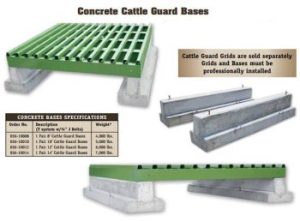
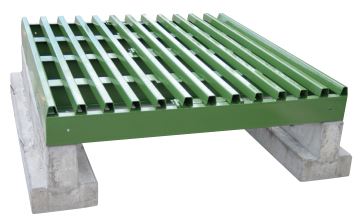
Cattle Guard Foundations

However, innovation continues to evolve the industry standard, presenting alternative materials like concrete and composites that offer unique benefits. Concrete cattle guards offer robustness and longevity and can be precast to expedite installation. On the flip side, they might be less forgiving on vehicle tires and require a solid foundation. Composite materials, made from a blend of plastic and fiberglass, tout the advantage of being lighter and resistant to corrosion while still strong enough to contain livestock.

The utility and application of each material vary depending on the terrain, climate, and frequency of use, and their cost varies accordingly. It is essential for landowners and transportation authorities to balance these factors against their specific needs and budget constraints. Regardless of the choice, the goal remains consistent: to provide a reliable deterrent for livestock while ensuring a seamless flow of vehicle traffic. The careful selection of cattle guard materials has a direct impact on safety, effectiveness, and the long-term cost-effectiveness of this investment in infrastructure.

Types of Materials Commonly Used for Cattle Guard Construction

Cattle guards are essential structures on ranches and farms, providing a vehicle passageway without the need for gates while preventing livestock from roaming outside designated boundaries. The construction of cattle guards involves various considerations, including material selection, which is critical for the longevity, functionality, and safety of the installation. Exploring different materials used in cattle guard construction reveals several common options, each with its benefits and trade-offs.

Steel is among the most popular choices for cattle guard construction. Its high tensile strength and durability make it suitable for withstanding the weight of heavy vehicles and the constant abrasion caused by traffic and environmental factors. Steel cattle guards are usually galvanized to protect against rust and corrosion, prolonging their lifespan and maintaining structural integrity. The adaptability of steel allows it to be fabricated into various shapes and sizes, offering versatility in design for different applications.

Concrete is another material often used for cattle guard construction. Precast concrete cattle guards provide sturdy support and endure environmental stress well. They may be favored in climates where corrosion or extreme temperatures can wear down metal structures. Concrete is also beneficial because it can carry tremendous loads, making them suitable for heavy machinery and vehicles, albeit at a typically higher cost and with more challenging installation.

Some cattle guards incorporate a mix of steel and concrete, using steel for the beams and concrete for the bases or foundations. This combination provides a balance between the structural advantages of steel and the load-bearing capabilities of concrete. However, integrating different materials requires careful design to ensure compatibility and maintain the guard’s overall efficacy.

Plastic, while less commonly used than steel or concrete, is a material sometimes considered for cattle guard construction, especially in less demanding environments or for temporary setups. High-density polyethylene (HDPE) cattle guards offer reduced weight for ease of installation and relocation. While not as durable or heavy-duty as their steel and concrete counterparts, plastic cattle guards can be an effective solution for lighter traffic areas and are resistant to corrosion, rot, and rust.

The selection of materials for cattle guard construction largely depends on the specific needs of the location, including anticipated traffic, environmental conditions, cost considerations, and the types of livestock being contained. Choosing the right material is a critical decision that affects the effectiveness and longevity of the cattle guard, and as such, it often necessitates consultation with professionals experienced in ranch infrastructure and cattle guard design.

Durability and Longevity of Different Materials

When it comes to cattle guard construction, durability and longevity are paramount considerations for farmers and landowners seeking to restrict livestock access while allowing vehicle passage. The durability of a cattle guard is directly influenced by the materials used in its construction, each offering a unique balance of strength, resilience, and lifespan under varying environmental conditions and usage stresses.

Steel is the most common and preferred material for cattle guard construction due to its significant strength and resilience. Galvanized or powder-coated steel can withstand heavy loads and resist the corrosive effects of weather, which is critical in preventing rust and maintaining structural integrity. A well-constructed steel cattle guard can last for several decades with minimal maintenance, offering a long-term solution for controlling livestock movement.

Concrete cattle guards are also popular. They offer excellent durability and can easily support heavy loads. Reinforced with steel bars or mesh, concrete guards are less susceptible to corrosion and can provide years of reliable service. However, they might crack over time due to freeze-thaw cycles or can suffer from wear under extreme use scenarios.

Another material sometimes considered is recycled plastics or composite materials. These can offer corrosion resistance and a reduced environmental impact. Though typically less durable under heavy loads than steel or concrete, modern composites can be designed to have extended lifespans and are suitable for lighter-duty applications.

Wood is used less often for new cattle guards due to its propensity to rot, warp, and degrade over time, particularly in harsh weather conditions. When treated and maintained correctly, wood cattle guards may be adequate for temporary setups or areas with minimal traffic and lighter loads.

Regardless of the chosen material, the design and installation of a cattle guard significantly affect its lifespan. Proper drainage to prevent standing water, regular inspection for damage, and necessary repairs are all crucial practices that extend the service life of a cattle guard, ensuring it remains a safe and effective barrier for livestock.

In summary, the durability and longevity of materials used in cattle guard construction vary, with steel and reinforced concrete being the top performers in these categories. These materials must endure the constant stress of vehicle traffic, resist weather-related damage, and meet the specific needs of the site where they will be installed. Success in cattle guard function hinges on the correct material choice and ongoing maintenance to preserve their integrity over the years.

Load-Bearing Capabilities and Weight Restrictions

In the context of cattle guard construction, understanding the load-bearing capabilities and weight restrictions is crucial for both the effectiveness and safety of the installation. These aspects determine how well the cattle guard will perform under the stress of vehicular traffic that may range from light passenger vehicles to heavy agricultural or industrial machinery.

Firstly, load-bearing capacity is about how much weight a cattle guard can safely support. Cattle guards are typically rated by load-carrying capacity, often in accordance with governmental or industry standards—like the HS-20 load rating, which indicates the structure can support up to 16,000 pounds (approximately 8 US tons) on a single axle. This is essential to ensure that vehicles, particularly heavy farm and emergency equipment, can pass over the cattle guard without risk of collapse or significant deflection that might compromise the barrier’s effectiveness at preventing livestock from crossing.

The materials used in constructing cattle guards significantly affect their load-bearing capabilities. Steel is most commonly used because of its strength and durability. Steel cattle guards can withstand tremendous weight and resist bending or buckling, thus being suitable for roads with heavy traffic. Concrete is another option, favored for its compressive strength and durability, although it may be less forgiving than steel when dealing with tensile forces. Sometimes, a combination of steel and concrete is used to take advantage of the tensile strength of steel and the compressive strength of concrete.

When selecting a material, weight restrictions of the site location should also be taken into consideration. For instance, some terrains may not support the weight of a heavy concrete cattle guard without proper foundational support, which can add to the construction costs. Additionally, the frequency and type of loads—like agricultural machinery versus standard passenger vehicles—will influence the choice of materials based on their load-bearing properties. Manufacturers usually provide load rating information, but consulting an engineer can ensure that the chosen cattle guard meets both local regulations and practical requirements for the intended loads.

In summary, exploring different materials used in cattle guard construction with respect to their load-bearing capacities and weight limitations is vital. The material choice should align with the intended use, traffic frequency and types of vehicles expected to cross the guard, while also considering environmental conditions and location-specific weight restrictions. Such careful consideration ensures that the cattle guard remains a safe, lasting, and effective solution for property owners requiring vehicular access without allowing livestock to roam free.

Maintenance Requirements for Various Cattle Guard Materials

Cattle guards are essential structures on rural and farm properties, providing a vehicle crossing while preventing cattle from wandering off the property. They are typically placed across a roadway or entrance to create a barrier that livestock are unwilling or unable to cross. A crucial aspect of cattle guard functionality over time is the maintenance they require, which can vary significantly depending on the materials used in their construction.

Steel cattle guards, for instance, are highly popular due to their strength and durability. However, steel is prone to rust and therefore requires a good protective coating such as paint or galvanization, which must be maintained periodically to prevent corrosion. Regular inspection is necessary to detect any damage or wear, and repainting or re-galvanizing can be required every few years, depending on the environment.

Concrete cattle guards are known for their longevity and low maintenance requirements. They are often precast, which means they can be installed quickly and with minimal ongoing care. Nonetheless, they should be periodically checked for cracks or surface wear. Although concrete is less prone to damage from the elements than steel, it can deteriorate due to freeze-thaw cycles in colder climates or if not cured correctly during installation.

Cattle guards made from plastic composites are a more modern option and come with the advantage of being resistant to rust and corrosion. Maintenance for these types of cattle guards generally involves keeping them clean and checking for structural integrity since composite materials can crack or degrade under UV exposure or extreme temperatures.

Lastly, wooden cattle guards are less common but can be used temporarily or in less trafficked areas. Wood requires more maintenance to prevent rot, insect infestation, and weather-related degradation. Regular treatments with preservatives and checking for structural soundness are necessary to extend the life of a wooden cattle guard.

In summary, the maintenance of cattle guards is imperative to ensure they continue to function correctly and safely. This maintenance varies depending on the construction material, with each type of material presenting unique challenges and requiring different levels of upkeep. The choice of material should not only reflect the immediate cost and load-bearing needs but also factor in the long-term maintenance commitment and climate considerations. An effective maintenance routine will prolong the life of the cattle guard and help maintain the safety and efficiency of the barrier for both the livestock and the vehicles that pass over it.

Cost Analysis and Economic Viability of Material Choices

When discussing the cost analysis and economic viability of material choices for cattle guard construction, it’s important to delve into several key aspects that influence the financial implications of these materials. The initial cost of materials is a critical factor; however, one must also consider the life cycle costs, including maintenance, replacement, and potential impact on livestock and vehicle operations.

Materials such as steel, concrete, and composites are primarily used in the construction of cattle guards. Each comes with its own set of cost considerations. Steel, known for its strength and durability, can be on the higher end of the initial cost spectrum. Nevertheless, its long-term resilience to weather elements and heavy-duty use can offset the upfront investment. Galvanized or powder-coated steel options are available to prolong the guard’s lifespan, but these treatments increase the initial cost while diminishing long-term maintenance expenses.

On the other hand, concrete cattle guards are relatively cheaper to produce and can be prefabricated or cast in situ. The installation costs of concrete guards can be less than those of steel when factoring in lower transportation expenses due to local production. However, concrete is prone to cracking and may require more frequent repairs or replacements over time, potentially leading to higher lifecycle costs.

Composite materials are steadily gaining attention in the cattle guard market. Initially more expensive than steel or concrete, composites boast significant long-term economic benefits. They are lightweight, reducing transport and installation costs, and offer excellent resistance to corrosion and weather-induced deterioration, leading to minimal maintenance. As the technology develops and becomes more widespread, costs for composite cattle guards are expected to decrease, potentially making them a more economically viable option in the future.

The decision regarding which material to use for cattle guard construction must weigh the balance between these cost considerations and the specific needs of the application, such as the anticipated frequency and weight of traffic. The choice must strike a balance between affordability and functionality, ensuring that the cattle guard remains an effective barrier for livestock without imposing undue economic burdens on the user. In the long run, the economic viability of material choices often comes down to the context in which the cattle guard will be used, including environmental factors, traffic patterns, and the personal preferences or budget constraints of the purchaser.

Facebooktwitteryoutube

Key Factors to Consider When Choosing a Cattle Guard for Your Farm

When selecting the appropriate cattle guard for your farm, you’re making an investment in the security and efficiency of your agricultural operation. A cattle guard, also known as a cattle grid, is a flat barrier installed across a road or entry point to prevent livestock from crossing into restricted areas while allowing vehicle passage without the need for traditional fencing and gates. This seemingly simple structure plays a pivotal role in managing free-range livestock and protecting valuable crops or neighboring properties.

The importance of a cattle guard cannot be overstated; it is the frontline defense against the wandering tendencies of livestock, and its presence helps to maintain the integrity of farm boundaries. As such, it is crucial to consider a variety of factors to ensure that the chosen guard aligns with your specific needs and farming practices. The materials utilized in construction, load-bearing capacity, local environmental conditions, ease of installation, long-term maintenance, and adherence to legal requirements are all critical components that must be thoughtfully evaluated before making a selection.

Durability is a paramount concern as the cattle guard will face daily exposure to heavy farm equipment and varying weather patterns which can lead to corrosion and structural wear. Additionally, the design must effectively deter livestock without causing them harm or unnecessary stress. With the weight and size of different livestock breeds varying considerably, selecting the right design to ensure they cannot cross is also a challenge requiring attention.

Moreover, adhering to local regulations and building codes is essential to prevent legal complications and ensure optimal functionality. Some regions have specific standards for cattle guards that must be met, such as load-bearing capabilities or visibility. Lastly, budget constraints often guide the decision-making process, with the need to balance cost against quality and longevity without compromising safety and effectiveness.

In sum, there are a multitude of factors to consider, and overlooking any of them may prove detrimental to farm operations. A carefully chosen cattle guard embodies a blend of practical design, resilient materials, and compliance with regulations, culminating in the seamless integration of livestock management and farm accessibility. In the following discourse, we shall delve into the specifics of these key aspects to aid in the decision-making process for farmers and landowners aiming to optimize their agricultural infrastructure with the addition of a cattle guard.


Load-Bearing Capacity

Load-bearing capacity is a critical consideration when choosing a cattle guard for your farm. The primary function of a cattle guard is to provide a barrier to livestock, particularly cattle, while allowing vehicles to pass through without the need to open and close a gate. Therefore, it must be structured to withstand the weight of these vehicles, as well as the livestock, without any risk of collapsing or causing harm.

When selecting a cattle guard, it’s essential to assess the types of vehicles that will frequently pass over the guard. This includes not just light passenger vehicles, but also heavier machinery such as tractors, trucks, or feed delivery vehicles. Each cattle guard is rated for a certain load-bearing capacity, typically measured in tons, which correlates to the maximum weight the guard can support safely. It is critical to select a cattle guard that can support the heaviest equipment used on the farm.

The load-bearing capacity directly ties into the cattle guard’s structural integrity and long-term durability. A guard with a higher load capacity will generally be built more robustly and will be able to endure the strain of heavy traffic over a more extended period without maintenance issues. It’s a wise investment to opt for a cattle guard that exceeds your current heaviest load requirements to accommodate potential future needs, such as heavier equipment or increased traffic.

Another key factor is the frequent crossing of the cattle themselves. While livestock is generally much lighter than the heaviest equipment on the farm, the repetitive nature of their crossings means that the cattle guard must be durable enough to manage this constant use. The frequency of livestock crossings and the possibility of multiple animals crossing simultaneously should be factored into the load-bearing considerations.

In summary, when choosing a cattle guard for your farm, it’s important to know the weight of the vehicles and the frequency of both vehicle and livestock crossings. Selecting a guard with the appropriate load-bearing capacity will not only ensure the safety and integrity of the guard but will also contribute to the efficient operation and management of the farm. It’s an investment into the safety and productivity of your agricultural business.


Material and Durability

When considering the material and durability of a cattle guard, it is essential to evaluate both the quality of the material used and its longevity under the conditions it will be exposed to. Cattle guards are typically made from steel or concrete. Each material has its own set of advantages and requires different maintenance processes.

Steel cattle guards are popular due to their strength and durability. They can support heavy loads and are able to withstand the pressure of cattle as well as farm machinery that may pass over them. A key advantage of steel is that it is also relatively easy to install and can be moved if necessary. However, steel cattle guards are susceptible to rust and corrosion over time, especially if they are not adequately treated or if they are used in humid or coastal climates without proper protection. Therefore, when choosing a steel cattle guard, it is crucial to ensure that it has been treated with a rust-inhibitor or has a galvanized coating to enhance its durability and lengthen its service life.

Concrete cattle guards are less common but are valued for their permanence and stability. They tend to have a longer lifespan than steel guards, as they are not prone to rust. However, the weight of concrete makes it difficult to relocate once it’s installed, and installation can be more complex and time-consuming. Moreover, the surface of the concrete can become slippery when wet, posing a risk of injury to livestock. To counter this, some concrete cattle guards have textured surfaces to improve traction.

When deciding on a particular material, it’s important to consider the environmental conditions, such as the climate and the geography of the installation site, as well as traffic frequency – both livestock and vehicle – that the cattle guard will encounter. The optimal choice should offer a balance of resistance to the elements and the mechanical robustness to sustain weight and abrasion over the years.

Key Factors to Consider When Choosing a Cattle Guard for Your Farm:

There are several factors to consider when selecting a cattle guard for your farm. The first is the load-bearing capacity, which needs to be sufficient for the weight of the vehicles and machinery that will be crossing it. The next important aspect is the material and durability of the cattle guard, as touched upon earlier. It must withstand the test of time and provide reliable service under varying conditions.

The type and size of livestock you have on your farm may influence the design and spacing of the bars on the cattle guard. A design appropriate for cattle may not be suitable for smaller animals, such as goats or sheep. Additionally, installation and maintenance requirements are important to understand. An easily installed and low-maintenance cattle guard will save time and money in the long run. Lastly, local regulations and standards must be taken into account because many areas have specific requirements for fencing and livestock containment, including the use of cattle guards.

Choosing a cattle guard wisely requires due diligence and an understanding of your farm’s needs. By giving thorough thought to these key factors, you can make an informed decision that balances effectiveness, safety, and long-term value.


Type and Size of Livestock

Type and size of livestock are crucial considerations when selecting a cattle guard for your farm. The design and spacing of cattle guards must be appropriate for the specific animals you wish to contain or exclude. For instance, cattle guards that are effective for fully grown cattle may not be suitable for smaller livestock such as goats or sheep, as their smaller hooves could potentially slip through wider gaps.

The behavioral characteristics and physical attributes of your livestock play a significant role in determining the most suitable cattle guard. Larger animals, such as cows and horses, have wider hoof spreads and thus may require a cattle guard with broader beams and narrower spacing. In contrast, smaller animals with more delicate footing might need a cattle guard that offers tighter spacing to ensure their hooves do not become trapped or cause them to injure themselves.

Key Factors to Consider When Choosing a Cattle Guard for Your Farm:

1. Load-Bearing Capacity: This refers to the weight that the cattle guard can safely support. When examining potential cattle guards, consider the weight of your heaviest vehicle or equipment that will be crossing, along with the weight of your livestock. This ensures that the structure will not fail under stress and will maintain its integrity over time.

2. Material and Durability: The material from which a cattle guard is constructed will determine its longevity and durability. Common materials include steel, which is often galvanized for rust resistance, and concrete, which is durable but may be less forgiving on animal hooves. It is vital to choose materials that are not only strong but also able to withstand the environmental conditions of your location.

3. Installation and Maintenance Requirements: Proper installation is crucial for the effectiveness and safety of a cattle guard. Ensure you understand the installation process and consider whether you have the expertise and equipment needed, or if you will require professional assistance. Additionally, think about the long-term maintenance that each type of cattle guard will need, as some materials may require more upkeep than others to retain their effectiveness and safety.

4. Local Regulations and Standards: Compliance with local regulations is imperative when installing a cattle guard. These regulations may dictate the design specifications, load-bearing capacity, and installation methods. Before making a purchase, check with local authorities to ensure that your cattle guard meets all necessary regulations and obtain any required permits.

By careful consideration of these key factors—including the type and size of your livestock—you will be able to select a cattle guard that meets your specific needs and maintains a secure and efficient farm operation.


Installation and Maintenance Requirements

Installation and maintenance requirements are critical considerations when choosing a cattle guard for your farm. A secure installation is essential to ensure that the cattle guard functions effectively to prevent livestock from crossing while allowing vehicles to pass without hindrance. The process often involves preparing a foundation that may include gravel or concrete to provide a stable base and affix the cattle guard.

When considering the installation, the ease with which the cattle guard can be integrated into your existing infrastructure is important. The topography of your land, the presence of water or drainage issues, and the connection to fence lines or gates play a role in determining the complexity of installation. Some cattle guards are designed for easy installation with features such as flanged ends or pre-cast concrete bases, which can make a significant difference in the required labor and installation costs.

Maintenance requirements are just as essential as installation. Regular maintenance ensures that the cattle guard remains effective and extends its lifespan. The chosen material affects the level of maintenance needed; for instance, steel cattle guards may require painting to prevent rust, while galvanized steel or concrete options might be more resistant to environmental wear and tear and require less frequent attention.

When it comes to maintenance, accessibility is key. Guards should be designed to allow for easy cleaning to prevent build-up of mud, snow, debris or manure, which can reduce their effectiveness. Some modern designs offer removable top sections or pits beneath to facilitate this cleaning process.

Before making a decision, you should consider the long-term maintenance costs, not just the initial purchase and installation expenses. A durable, low-maintenance cattle guard may have a higher upfront cost but can lead to savings over time, whereas a cheaper option that requires frequent repair or replacement could ultimately be more expensive.

In conclusion, the successful implementation of a cattle guard on a farm is heavily reliant on the correct installation and adherence to a regular maintenance schedule. These factors are essential to the operational integrity and longevity of the cattle guard system. Neglecting these aspects can lead to increased costs over time and potentially compromise the safety and security of the animals it is designed to contain. Therefore, farmers must evaluate the installation and maintenance demands of different cattle guard options carefully before making an investment.


Local Regulations and Standards

When it comes to selecting a cattle guard for your farm, one crucial aspect that must not be overlooked is the adherence to local regulations and standards. These rules are often established by municipal or regional authorities and are designed to ensure that the installations are safe for both the livestock and vehicular traffic. Compliance with these standards is mandatory and failure to do so could result in fines, the removal of the cattle guard, or other legal consequences.

Local regulations might dictate specific requirements for the design and dimensions of cattle guards, taking into consideration the types of vehicles that will pass over them. For example, if your farm is located in a rural area frequently trafficked by heavy farm equipment or commercial trucks, the cattle guards must be able to support the substantial weight of these vehicles without structural failure.

Standards are also in place to guarantee the welfare of the animals. This includes the spacing between bars and the overall design of the cattle guard, which must prevent hoof entrapment and ensure that the animals are not injured when they approach the boundary. It’s critical that cattle guards act as a psychological barrier rather than posing a physical threat to the livestock.

Furthermore, environmental considerations may be covered by these regulations. Depending on the geography and climate of the area, erosion control and water runoff mitigation may be factors in the design and placement of cattle guards. It is also not uncommon for there to be stipulations regarding the conservation of local wildlife; designs may need to accommodate the safe crossing of wild animals, or prevent them from entering certain areas.

In addition to following regulations, it is wise to consult with agricultural extension officers or local farming organizations when choosing a cattle guard. These experts are often familiar with the best practices for your particular region and can provide valuable advice on the most suitable types of cattle guards for your farm’s specific needs.

Ultimately, the importance of adhering to local regulations and standards cannot be understated. Not only does this ensure that the cattle guard will be legal and fit for purpose, but it also helps promote the safety and wellbeing of both your livestock and the people who use the farm roads. Before installation, thorough research and potentially seeking professional advice are key steps in making the right choice for a cattle guard that meets all necessary criteria.

Facebooktwitteryoutube

The Evolution of Cattle Guards: From Traditional Designs to Modern Innovations

Cattle guards have long stood as a testament to both the ingenuity of agricultural practices and the evolution of landscape management. These unassuming yet strategic installations, often unnoticed by those not involved in ranching or farming, serve a critical role in maintaining the boundaries for livestock without hindering the flow of vehicle traffic. Initially, traditional cattle guard designs were straightforward, consisting of parallel bars across a ditch, presenting a physical and psychological barrier to hoofed animals, allowing humans and their vehicles to cross with ease while keeping cattle and other livestock within their designated grazing areas.

Over time, these utilitarian devices have undergone significant transformations, reflecting the changed attitudes toward both animal welfare and landscape preservation. As technology and materials advanced, so did the sophistication of cattle guard construction. The advent of refined steels, alternative materials like concrete and plastics, and even electronic deterrent systems, have all shaped modern cattle guard designs.

The modern era has seen an increasing priority placed on durability and effectiveness, alongside a rise in concerns over livestock safety and the environmental impact of ranching equipment. Innovations in cattle guard technology to address these concerns have given rise to guards that not only deter animals with greater efficacy but are also designed to minimize injury and stress on the animals themselves. Moreover, the integration of high-tech features like weight-sensitive barriers and solar-powered alarms serves today’s heightened expectations for operational efficiency and energy sustainability.

In understanding the evolution of cattle guards, we uncover a narrative of human innovation in agriculture. This progression reflects our adaptability and our desire to harmonize with the landscapes we modify. Cattle guards stand as more than mere physical barriers; they represent centuries of advancement, embodying the spirit of continuous improvement in farming practices and infrastructure.


Historical Development of Traditional Cattle Guard Designs

The concept of a cattle guard is elegantly simple: provide a barrier that prevents livestock from crossing, but allows vehicles to pass without impediment. Historically, cattle guards emerged from the need to maintain open ranges for livestock while ensuring the unfettered movement of vehicles, particularly on farms and ranch roads.

Traditional cattle guard designs typically consisted of a series of parallel bars or rails spaced sufficiently apart that livestock would not attempt to cross due to the uncomfortable, unstable footing, yet close enough together to support the wheels of a passing vehicle. These designs relied on visual and physical deterrents to be effective.

The earliest forms of cattle guards were primarily constructed of wood, which was abundant and relatively easy to work with. However, wooden cattle guards required frequent maintenance due to the effects of weathering and the heavy loads of passing vehicles. To address these shortcomings, metal eventually became the material of choice. The use of iron and, later, steel allowed for more robust constructions capable of bearing greater weights and resisting the elements.

As railroad technology expanded across the countryside, the designs for cattle guards were influenced by the heavy-duty rail systems used for trains. Metal rails provided a strong and durable framework that could be installed at level crossings to prevent livestock from wandering onto the tracks, thereby reducing the risk of accidents.

The classic post-and-rail design, consisting of horizontal bars supported by vertical posts buried in the ground, is still evident in many traditional cattle guard setups. These simple designs were cost-effective and reasonably straightforward to install, even in remote locations.

As the use of vehicles became more widespread through the 20th century, the traditional cattle guard designs were incrementally improved to better accommodate faster and heavier vehicles. The dimensions and spacing of the bars were fine-tuned to balance the need for an effective livestock barrier with structural integrity sufficient to handle the increased traffic.

The evolution of cattle guards from traditional designs to modern innovations has been driven by a combination of practical challenges and technological advancements. Durability, ease of installation, and effectiveness are paramount concerns. Modern innovations have addressed these issues by employing new materials, like high-density plastics and composites, which resist corrosion and require less maintenance than their predecessors. Innovations have also included the development of portable cattle guards, which can be temporarily placed and removed as needed, providing flexibility for land management practices.

In sum, the historical development of traditional cattle guard designs has laid the foundation for modern innovations that continue to improve upon these essential agricultural tools. Advancements in materials and construction techniques have allowed cattle guards to evolve, offering more durable, effective, and efficient solutions to the age-old problem of managing livestock while facilitating the movement of vehicles.


Advancements in Materials and Durability

Advancements in materials and durability have played a significant role in the evolution of cattle guards as they are an essential part of modern agricultural and range management systems. Originally, cattle guards were simple constructions made from wood and metal, but with the advent of new technologies and materials, their design has significantly evolved over time.

The development of stronger and more durable materials has led to cattle guards that can withstand heavy vehicle traffic and harsh environmental conditions without deteriorating quickly. For example, the emergence of high-strength steels has allowed for thinner, yet tougher, bars that can sustain the weight of heavy machinery without bending or breaking. Modern cattle guards often incorporate galvanized steel, which provides a protective zinc coating to prevent rust and corrosion. This treatment ensures a longer lifespan and reduces the need for frequent replacements.

Furthermore, the use of concrete has greatly enhanced the durability and stability of cattle guards. Pre-cast or poured-in-place concrete bases support the steel elements and secure them in place, creating a more permanent and maintenance-free solution. Additionally, the integration of UV-resistant plastics and advanced polymers has led to the creation of lightweight yet robust cattle guard systems that are easier to install and transport yet provide the necessary strength and resilience.

In contrast to the more traditional designs, these innovative materials also offer environmental benefits. For example, newer cattle guards are designed to reduce noise pollution, an advantage for both wildlife and the human population living nearby. They also minimize the potential for soil contamination by reducing the likelihood of rust and chemical leaching, which was a concern with older metal designs that were more prone to corrosion.

The continuous improvement in materials not only enhances the functionality of cattle guards but also contributes to their sustainability. By ensuring a longer operational life and reducing maintenance requirements, these advancements in materials and durability contribute to a more cost-effective and environmentally responsible approach to livestock management and property protection. As cattle guards continue to evolve, we can expect to see further innovations that will aim to improve the balance between agricultural efficiency, environmental stewardship, and the well-being of both livestock and native wildlife.


Integration of Wildlife and Ecosystem Considerations

Cattle guards have been an essential component of rural and agricultural landscapes, primarily designed to prevent livestock from roaming while allowing vehicles to pass through without the need for manual gates. However, traditional cattle guard designs often focused solely on the functionality of keeping cattle within designated areas and did not take into account the broader implications for wildlife and ecosystems.

As environmental awareness has increased, so has the understanding that cattle guards can significantly impact local wildlife and their habitats. For instance, traditional cattle guard designs with wide gaps could trap small hoofed animals and potentially harm non-targeted wildlife. This concern has lead to the integration of wildlife and ecosystem considerations into the development of cattle guard designs.

Modern designs aim to minimize negative effects on wildlife by incorporating features that allow for the safe passage of smaller animals while still effectively containing livestock. These designs include smaller gap sizes and smoother edges to prevent injury to wildlife. Additionally, some modern cattle guards are designed to be removable or have adjustable features to facilitate the migration of ecosystems and reduce disruption to natural wildlife paths.

The evolution of cattle guards to include wildlife and ecosystem considerations has not only aided in the conservation of local fauna but also helped to maintain ecological balance. This progression underlines the need for agriculture and conservation sectors to work together in creating solutions that support both farming needs and environmental stewardship. Through ongoing research and development, cattle guard designs are set to continue evolving towards a sustainable synergy with the ecosystem, ensuring that agricultural practices align with conservation goals.


Innovations in Vehicle and Animal Safety Features

The safety of both vehicles and animals has been a paramount concern in the evolution of cattle guard designs. Traditionally, cattle guards were simple in design and function: they aimed to prevent livestock from crossing certain boundaries while allowing vehicles to pass without the need for a gate. Over time, these designs have been significantly refined to enhance safety features for both vehicles and the animals in question.

Early cattle guard models were primarily constructed from wood or metal and followed a basic layout with gaps that were difficult for cattle to navigate due to hoof spacing. However, the rudimentary nature of these designs sometimes posed risks, such as hoof injuries to animals and potential damage to vehicles, particularly at high speeds or when the cattle guards were not well maintained.

As technology advanced, so did cattle guard design, leading to innovations aimed at reducing these risks. Modern cattle guards are often made with high-strength steel or even composite materials, which offer better durability and can reduce the likelihood of damage to both vehicles and livestock. The design improvements include more consistent spacing and depth of the guard rails to provide a stable driving surface, while still effectively deterring livestock.

Additionally, the introduction of smooth, rounded edges has contributed significantly to minimizing injury to animals that may attempt to cross a cattle guard. These design changes not only benefit the animals by reducing the risk of leg injuries, but they also provide a smoother transition for vehicles, reducing the impact on both the vehicle and its passengers.

The modern innovations also see the incorporation of escape ramps or areas for animals that accidentally find their way across the guards, allowing them to exit safely without injury or the need for human intervention. Furthermore, some contemporary systems integrate electronic sensors and warning signals that can alert nearby drivers to the presence of livestock near roadways, therefore increasing the awareness and reaction time of drivers for enhanced safety for both the animals and vehicle passengers.

In conclusion, the evolution of cattle guards from traditional designs to modern innovations has been significantly influenced by the ongoing commitment to improve the safety for both vehicles traversing these systems and the animals they are designed to contain. With steady technological improvements and a better understanding of animal behavior, modern cattle guard systems are becoming safer, more effective, and an essential component of rural and agricultural infrastructure.


Current Trends and Future Outlook for Cattle Guard Technology

The evolution of cattle guard technology has moved steadily from the rustic, traditional designs of early agricultural practices to modern, sophisticated systems that effectively prevent livestock from straying beyond their pastures while allowing vehicles to pass without obstruction. Today’s cattle guards incorporate current trends in technology and present an optimistic future outlook based on continuous innovation and enhancement.

Conventional cattle guards were originally simple constructions, often made from wood or local materials, that relied on a visual and physical barrier to deter cattle from crossing. Over time, as the need for more durable and reliable solutions became apparent, there was a progression to more advanced materials like steel and concrete. These materials significantly improved the durability and lifespan of cattle guards, making them a more permanent solution for farmers and ranchers.

In the context of modern innovations, current trends are leaning towards customization and adaptability. Manufacturers are paying closer attention to the specific needs of different environments and types of livestock. For example, there is an increased emphasis on creating cattle guards that can bear the weight of heavier farm machinery and vehicles in response to the escalating size and weight of modern agricultural equipment. This trend is also toward adjustable spacing between bars to accommodate different sizes of hooves, thus enhancing the safety of not just cattle, but smaller livestock as well.

Moreover, as concerns about wildlife conservation and habitat protection grow, modern cattle guard designs are being thoughtfully integrated into natural environments. They are designed to minimize the impact on local ecosystems, taking into account the migration patterns of wild animals and the need for safe crossings for both domesticated and wild creatures.

The future outlook for cattle guard technology is likely to focus on further advances in materials, perhaps incorporating smart technologies for added functionality. This could involve sensors to monitor the effectiveness of the cattle guard or alert property owners to potential breaches or maintenance needs. An intriguing possibility is the development of ‘virtual’ or ‘invisible’ cattle guards which will rely on GPS collars and geofencing to keep livestock within designated boundaries without the need for physical barriers.

With technological growth, ecological considerations, and animal welfare high on the agenda, cattle guard development will continue to be an area rich with innovation. Sustainability will be a key driving force, creating a demand for cattle guards that can last longer, are easier to install, and blend seamlessly into the surrounding landscape, all while maintaining the safety and security of the livestock they are designed to protect.

Facebooktwitteryoutube

How Cattle Guards Enhance Ranch Safety

Cattle guards are a quintessential element of modern ranch management, offering a fusion of convenience and safety that has become invaluable to farmers and ranchers across the globe. These devices, consisting of a grid of steel or sometimes concrete beams set over a ditch, act as a psychological and physical barrier to free-roaming livestock, effectively preventing their movement onto roads and neighboring properties without the need for manual intervention. Their installation at property boundaries and fence lines provides a permanent solution to the age-old problem of maintaining herd boundaries without impeding vehicular movement, attenuating the risk of escape while simultaneously allowing for the seamless transition of farm vehicles from pasture to pasture.

Shop all of Barn World’s Cattle Guards by Clicking Here!

The safety enhancements provided by cattle guards go beyond mere containment. They are instrumental in reducing the likelihood of accidents that could occur when animals stray onto public roadways, which could have significant consequences for both human and animal well-being. By preventing such incursions, cattle guards diminish the potential for traffic incidents, thus promoting a safer environment for both the traveling public and the livestock. Moreover, in emergency situations where a rapid response is required, these guards ensure that rescue vehicles can enter and exit a property without delay, which can be pivotal in mitigating the gravity of any crisis encountered on a ranch.

Additionally, the strategic deployment of cattle guards can help to minimize the manual labor associated with operating gates, which can be particularly taxing during inclement weather or when managing large, expansive ranches with numerous entry points. By reducing the need for ranchers to dismount their vehicles to open and close gates, cattle guards introduce an element of efficiency while simultaneously reducing the exposure of workers to potential injury.

In essence, cattle guards stand as sentinels of safety and efficiency on modern ranches. By affording ranchers greater control over their livestock and enhancing the operational aspects of ranch management, they serve as an indispensable investment in the infrastructure of agricultural enterprise. Their role in fortifying property boundaries and protecting livestock, property owners, and the general public from the dangers of uncontained animals cannot be overstated, making them a vital component in the quest for improved ranch safety.

Prevention of Livestock Escapes

Livestock escapes can pose significant challenges and dangers on a ranch. When livestock stray from their designated areas, they not only risk their own safety but also the safety of people and the security of other animals. Cattle guards, which are grid-like structures installed at fence openings and property entrances, provide a solution to prevent such escapes without the need for gates.

Cattle guards work by creating a physical barrier that livestock are unwilling or unable to cross. The design consists of horizontal pipes or rails spaced out in a way that the animals’ legs cannot easily walk over without the risk of getting caught or injured. While these structures pose an obstacle to hoofed animals, they allow vehicles and ranch equipment to pass over them unimpeded. This design takes advantage of the differences in footing abilities and perception between cattle and humans.

The presence of cattle guards enhances ranch safety in several ways. Firstly, they eliminate the need for gates that can be accidentally left open, which is a common cause of livestock escapes. An open gate is an open invitation for curious or motivated animals to wander off, which can lead to them straying onto roads, neighboring properties, or even getting lost. By employing cattle guards, this risk is significantly reduced, as the barrier remains in place regardless of human error.

Secondly, cattle guards prevent the unauthorized access of livestock to areas where they could damage crops, landscaping, or infrastructure, thereby protecting the ranch’s assets. Livestock that escape their pens may also inadvertently commingle with other herds, raising concerns about the spread of disease or genetic mixing that is not desired by the rancher. This control of movement is critical to maintaining herd health and the integrity of ranch operations.

Lastly, by minimizing the likelihood of animals escaping, ranchers are less likely to encounter accidents while attempting to retrieve and guide them back to their enclosures. Escaped livestock can cause traffic accidents if they enter public roadways, and these incidents can have serious or even fatal consequences for both humans and animals. The effectiveness of cattle guards in keeping livestock contained inherently promotes a safer environment for everyone involved.

In summary, cattle guards are a vital asset in the prevention of livestock escapes. Their implementation on ranches dramatically reduces the potential for accidents and enhances the overall safety and efficiency of ranch operations. By relying on this passive yet effective system, ranchers can focus on other aspects of their work, safe in the knowledge that their animals are secure and protected within their designated boundaries.

cattle guard on foundations

Reduction of Human and Animal Injuries

Reduction of human and animal injuries is a significant consideration in ranch management, one that directly pertains to the use and effectiveness of cattle guards. Cattle guards are designed to create a barrier that livestock, particularly cattle, are unwilling or unable to cross due to the design and construction. By stepping on a cattle guard, an animal is faced with an unstable footing and a perception of risk which deters it from crossing to the other side. This is usually achieved through a series of bars spaced apart so that the animals cannot walk on them without the risk of slipping or getting their feet caught.

Cattle guards enhance ranch safety by serving as a passive containment system, eliminating the need for gates that have to be opened and closed. This reduces the risk of human injury that can occur when individuals must interact with livestock every time they enter or leave an area. Gates that are accidentally left open can lead to livestock escapes, road accidents involving animals, and possible injury to both animals and humans. With cattle guards, the risk of such incidents is significantly minimized.

Furthermore, cattle guards can help in preventing injuries to animals that might occur when they attempt to breach fences or gates. For example, cattle may sometimes push against or try to jump over fences, both of which can result in injuries from entanglement or impact. By using cattle guards, the potential for these types of injuries is reduced as there is a psychological barrier that does not invite challenge or trigger the livestock’s fight or flight response.

Aside from personal injuries, cattle guards also play a role in promoting animal welfare. In a free-roaming environment within the confines of the ranch, animals can move about without the tensions that arise from confinement or frequent human intervention. When animals are less stressed and free from injury, they are healthier, which impacts the overall productivity and well-being of the ranch operation.

In summary, the reduction of human and animal injuries is a paramount benefit provided by cattle guards. They not only serve the practical purpose of maintaining the livestock within designated areas but they also enhance the safety and well-being of both the animals and the ranch personnel. By providing a barrier that is psychologically and physically discouraging to cross, cattle guards allow for the safe and efficient movement of vehicular traffic without the usual hazards associated with gate crossings. This integration of cattle guards into ranch infrastructure is a smart investment in reducing accidents and promoting a safer, more efficient ranch environment.

Enhancement of Traffic Flow on Ranch Roads

The use of cattle guards is a significant enhancement to traffic flow on ranch roads, primarily addressing the inconvenience and time consumption associated with traditional gate systems. On large farms and ranches, where roads often intersect with pastures and grazing areas, cattle guards provide an effective and efficient solution that allows for the continual movement of vehicles without the need to stop and open or close gates.

Traditional gate systems require drivers to stop their vehicles, get out, and physically open and close gates each time they enter or exit a pasture area. This process not only consumes time but also increases the risk of accidental livestock escapes if the gate is not securely fastened. Additionally, during inclement weather, the task of handling gates can become laborious and even more time-consuming.

Cattle guards are designed to prevent such inefficiencies and safety risks. They are constructed with a series of parallel bars or pipes spaced in a way that allows vehicle tires to cross but creates an unstable and uncomfortable footing for livestock, thus deterring them from attempting to walk over the grid. As animals generally avoid stepping on the guards, they effectively act as a barrier, eliminating the need for gates at every passageway.

This advancement in ranch infrastructure enhances safety by reducing the chances of human and animal interactions that could potentially lead to accidents or injuries. It allows ranch workers and other vehicles to move quickly and seamlessly between different sections of the property. Faster and smoother traffic flow on ranch roads means that ranch operations can be conducted with greater efficiency, ultimately contributing to a more productive and safer ranching environment.

Furthermore, in emergency situations where time is of the essence, the ability to drive straight through without delay can be crucial, whether it’s dealing with a veterinary emergency or a fire on the property. The implementation of cattle guards in such strategic areas ensures that help can reach where it’s needed promptly without impediment, thus heightening the overall safety of the ranch.

Improved Biosecurity Measures

Improved biosecurity measures are paramount in maintaining the health and safety of livestock within a ranching operation. One aspect that may not immediately come to mind is the role cattle guards play in enhancing these measures. A cattle guard is a grid of steel or concrete placed across a road so that people and vehicles can pass over it, but animals cannot. They provide a barrier to livestock, often cattle, that is virtually invisible to humans, as it doesn’t require the physical opening and closing of a gate. But beyond the simple convenience and containment, cattle guards contribute significantly to a ranch’s biosecurity efforts.

Firstly, they minimize the need for human contact with the livestock, which is a critical component in preventing the spread of diseases. Humans can unintentionally carry pathogens on their clothing, shoes, or vehicles. Traditional gate systems require workers to dismount from their vehicles to open and close gates, which increases the likelihood of transmitting pathogens from one area of the ranch to another. With cattle guards, this risk is greatly reduced as there is no need to interact with the fence lines or the animals directly.

Secondly, cattle guards can be strategically placed to create controlled access points to different areas of a ranch. This separation is especially crucial when managing herds with different health statuses or when needing to quarantine an area due to sickness. By limiting where animals and vehicles can travel, ranchers can better prevent the spread of diseases. This zoning approach is fundamental in larger ranch operations where the movement between different areas can be the difference between an isolated health issue and a full-blown outbreak.

Lastly, the use of cattle guards can deter wildlife from entering the ranch, which is a potential source of disease. Wild animals can carry diseases that can be transmitted to domestic livestock. By installing cattle guards, wildlife is discouraged from crossing into areas where they may come into contact with cattle or other livestock, thereby lowering the risk of disease transmission from wild animal populations.

In conclusion, while the most obvious advantage of cattle guards might be the ease they bring to ranch operations, their contribution to improved biosecurity measures is equally important. The physical barrier they provide helps minimize the risk of disease spread through controlled access, reduces the need for direct contact with the livestock by ranch personnel, and discourages potentially disease-carrying wildlife from entering certain ranch areas. Consequently, cattle guards are a vital component in safeguarding the health and productivity of a ranch’s livestock and thereby enhancing the overall safety and efficiency of ranch operations.

Low Maintenance and Durability

Cattle guards serve an integral role in managing livestock and ensuring ranch safety by providing a barrier-less means to contain animals within set boundaries. Item number 5 on the provided list, “Low Maintenance and Durability,” refers to an important benefit of using cattle guards on ranches and farming properties.

Cattle guards are typically constructed from steel or sometimes concrete, materials known for their strength and endurance. This construction allows them to withstand heavy loads, making them ideal for places where vehicles such as tractors, trucks, and other heavy equipment regularly pass. Since cattle guards are meant to be driven over, their ability to sustain repeated stress from the vehicles is crucial.

One of the main advantages of cattle guards is their low maintenance requirement. Unlike traditional gates, there are no hinges to lubricate or latches to repair. They do not suffer from typical issues like sagging, swinging open, or getting stuck, which are common problems associated with gates. Therefore, ranchers can rest assured that the passageways will remain unobstructed, and the risk of leaving a gate inadvertently open (resulting in livestock escapes) is eliminated. Furthermore, since these guards stay in place without needing frequent adjustments or repairs, they save time and effort for ranch workers, who can allocate those resources to other necessary tasks on the property.

Durability is another hallmark of cattle guards. They are built to last many years, even under harsh weather conditions, such as extreme heat, cold, or persistent moisture. This longevity is an essential factor in their cost-effectiveness, as it reduces the need for frequent replacements. Additionally, due to their resilience, cattle guards maintain their effectiveness over time, consistently deterring livestock from crossing while simultaneously providing a secure roadway for ranch vehicles.

In essence, the low maintenance and durability of cattle guards enhance ranch safety by providing a reliable solution not only for containing livestock but also for ensuring safe and uninterrupted access throughout the ranch. By reducing the need for manual intervention (opening and closing gates) and maintaining their structure over time, cattle guards directly contribute to the efficiency and safety of ranch operations.

Facebooktwitteryoutube

Cattle Guards: A Rancher’s Story

Here’s a lesson I learned the hard way on my ranch. I’ve been tending to my cattle for as long as I can remember, and while it’s a tough job, it’s one I love.

a cattle guard installed in a roadway

My Cattle Guard Story

There’s always been a gate at the entrance that’s meant to keep my herd safe and secure. It wasn’t until an incident with a power company that I realized the true value of installing a cattle guard.

With right-of-way access granted to the company for the routine inspection of the transmission lines at the back of my land, I had workers coming through the gate about once a year. They don’t schedule with me in advance and typically show up and are gone before I know they’re around. The line workers open and close the gate as needed, and I never really gave an open gate much thought.

This year was different.

When they accessed the property, the guys didn’t latch the gate properly, or maybe at all, on their way out.  Some time later, I was running the fence line on the ATV and came across the open gate.

I closed it behind me and drove through the pasture looking for the herd but it was empty.  They had wandered off into the neighboring trees.

Rounding up cattle in dense and hilly forest isn’t an easy feat, let me tell you. It took my helper and me most of the day to track them down, load them on the trailer, and get em back to where they belonged. Needless to say, I was furious. It was a headache and a whole lot of hard work.

Well, that experience lit a fire under me, and I decided I needed a foolproof solution to prevent it from happening again. That’s when I discovered the magic of the cattle guards. I installed them at both ranch entrances and it’s been long overdue! With the pre-cast concrete foundations delivered right to the site, the installation was very simple. Here are some pictures from the project.

cattle guard and foundations ready for installation picture of the top of the cattle guards

cattle guard foundations

Now, I can give access to whoever needs it without worrying about my cattle making a run for it. The ease of access is always straight through without stopping, and it’s a relief not to constantly fret about whether a gate has been properly latched or not. It’s like having a reliable extra pair of eyes watching over my herd.

If you’re a rancher like me, and you’ve ever had the misfortune of chasing after runaway cattle, I’ve got a piece of advice for you – invest in some quality cattle guards. I got mine from BarnWorld.com, and they’ve got great customer service (Ron I think?) and a selection that suits all kinds of needs. Trust me; it’s a small price to pay for peace of mind.

Don’t wait until you’re herding cattle through the woods to realize the value of a good cattle guard!

Head over to BarnWorld.com (720) 238-2190 and they’ll help secure your peace of mind. Happy ranching, y’all!

Facebooktwitteryoutube

Cattle Guards

Cattle guards are extremely popular for livestock containment and are widely used throughout the United States for several practical reasons.

Are you tired of dealing with gates every time you need to cross your ranch or manage livestock on your property? Look no further for a convenient solution because Barn World has you covered with its extensive range of heavy-duty cattle guards. In this comprehensive guide, we’ll delve into the world of cattle guards, their advantages, and why Barn World should be your go-to destination for all your livestock barrier needs.

a cattle guard installed on a highway

Load Ratings for Every Need

Barn World’s powder-coated steel grids come with a wide variety of load-carrying capacities. Ranging from a 12-ton per axle rating for private driveways to an impressive 30-ton per axle rating for heavy-duty, off-highway equipment, these guards are built to handle diverse applications.

When choosing a cattle guard, consider your required load ratings carefully. For private driveway and ranch entrance uses, a 12-ton per axle rating is sufficient. Public roadways and highway projects will require the HS-20 guard with a 16-ton per axle capacity. If you’re dealing with extremely heavy-duty, off-highway equipment, the U-rated guards with a 30-ton per axle capacity may be the way to go.

Barn World offers a variety of private driveway and heavy-duty cattle guards with ratings including H-15, H-20, U-54, and U-80. The heavy-duty guards meet the standards set by the AASHTO and are designed for use by state and federal agencies in public roadway projects. Available in lengths ranging from 8 to 20 feet, these guards can be seamlessly installed end-to-end to accommodate wider roadway requirements.

Cattle Guard Load Ratings
H-15 (12 tons per axle)
H-20 (16 tons per axle)
U-54 (25 tons per axle)
U-80 (30 tons per axle)

Top Rails: Round vs Flat

One notable feature is the flat, top rail design that provides a smoother transition for crossing vehicles compared to round top rail guards. This design advantage allows high-speed traffic to cross with minimal ride discomfort, making them ideal for faster roadways or high-traffic areas.

The round, top rail is designed as a more aggressive deterrent an slower-moving traffic.

Pre-made Foundations for Hassle-Free Installation

Cattle Guard Foundations

To simplify the installation process, Barn World offers Flat Top Rail Cattle Guards with pre-cast concrete cattle guard foundations. These pre-formed foundations, shipped right along with the guards, are designed to fit the base of the grids, complete with a pre-cast j-bolt for security and mounting purposes.

The Cattle Guard Foundations make installation quick, easy, and painless. Forget the hassle of creating forms and pouring your own foundations – these foundations are ready to go off the truck!

Cattle Guard Foundations

Wing Design for Enhanced Livestock Control

Barn World’s cattle guards are available with thoughtful wing designs to prevent livestock from circumventing the junction where the fence line meets the cattle grid. This two-piece design creates an effective barrier, ensuring that livestock can’t simply step around the guard where it meets the fenceline.

picture of a cattle guard wing
picture of cattle guard wing

Cattle Guard Advantages

  1. Continuous Barrier:

    Cattle guards provide a continuous and uninterrupted barrier across roads or entrances. Unlike gates that need manual opening and closing, cattle guards allow vehicles to pass smoothly without the need for constant human intervention. This is especially advantageous in areas with high vehicle traffic.
  2. Low Maintenance:

    Cattle guards require minimal maintenance once installed. They are generally durable and can withstand various weather conditions, reducing the need for regular repairs or replacements. This low-maintenance aspect makes them a cost-effective and efficient solution for long-term use.
  3. Ease of Vehicle Access:

    Cattle guards allow vehicles to pass through without interruption, promoting smoother traffic flow. This is particularly important in rural areas, farms, and ranches where frequent stopping and starting can be inconvenient. The design of cattle guards allows for efficient vehicle access without compromising livestock containment.
  4. Cost-Effectiveness:

    While the initial installation cost of cattle guards may be higher than traditional gates, the long-term cost of maintenance and labor is often lower. This cost-effectiveness makes them a preferred choice for large properties, farms, and ranches.
  5. Livestock Deterrence:

    Cattle guards effectively deter livestock from attempting to cross roads or entrances. The gaps between the bars or tubes are wide enough for vehicle wheels to pass through but too narrow for the hooves of livestock, creating an uncomfortable surface for them. This helps prevent the escape of animals onto roads or into areas where they are not supposed to be.
  6. Adaptability to Various Load Ratings:

    Cattle guards are available in different load-carrying capacities to accommodate a variety of applications. From private driveways to public roadways and heavy-duty off-highway equipment, there are cattle guards suitable for diverse needs.
  7. Time Efficiency:

    The continuous nature of cattle guards allows for efficient and timely movement of vehicles and livestock. This is crucial in agricultural operations where time management is essential for tasks such as feeding, herding, and transportation.
  8. Long-Term Durability:

    Properly designed and installed cattle guards can withstand the test of time. Their robust construction and materials ensure durability, contributing to their popularity for long-term use in various settings.

Overall, the combination of continuous barriers, low maintenance, ease of vehicle access, cost-effectiveness, and adaptability to different load ratings makes cattle guards a practical and popular choice for livestock containment in the United States. Their effectiveness in addressing the specific needs of agricultural and rural settings has contributed to their widespread use.

Where to Buy A Cattle Guard

Visit Barn World today for help planning your project. They’ll be happy to provide a quote with delivery right to your project site!

Call (720) 238-2190 or email Sales@BarnWorld.com or Chat online at BarnWorld.com

a removable cattle guard being lifted by a forklift
removable cattle guard
Facebooktwitteryoutube

Cattle Guards: A Rancher’s Best Friend

In the vast expanse of ranch life, time is a precious commodity. Ranchers juggle numerous tasks, from managing livestock to maintaining property boundaries. One critical element that can either streamline or impede these operations is the ranch gate. Traditional gates, though effective, can be time-consuming, requiring constant attention and manual effort. This is where cattle guards from BarnWorld.com step in, offering a host of benefits to the busy rancher.

a cattle guard resting on concrete foundations

The Benefits of Cattle Guards:

1. Saving Time and Effort:

Picture this: a rancher navigating through a series of gates, each requiring manual opening and closing. It’s a laborious task, often accompanied by the challenge of keeping curious cattle at bay. Cattle guards eliminate this hassle, allowing vehicles to pass seamlessly without the need to stop and manage gates. This not only saves time but also minimizes the stress associated with herding cattle away from gate entrances.

2. Uninterrupted Access in Public Areas:

For ranchers whose properties intersect with public spaces like open ranges, cell phone towers, or other utility installations, cattle guards are a game-changer. No longer do they need to worry about gates being inadvertently left open by passersby. Cattle guards act as a physical barrier, providing continuous security while allowing public access to designated areas.

Cattle Guard Foundations

precast concrete foundations for cattle guards

Real-Life Success Stories:

One rancher’s experience exemplifies the transformative power of cattle guards. Tired of the constant struggle with traditional gates, he opted to replace them with durable cattle guards from BarnWorld.com. The result? A significant reduction in time spent stopping his vehicle and trailer to open and close gates and fighting off cattle looking to dart through the open gate to green pastures while he tried to drive through. The cattle guard led to increased efficiency and a newfound peace of mind knowing that his cattle were secure no matter who was accessing his property.

Using Cattle Guards for Deer:

Beyond managing livestock, cattle guards can also serve as an effective deterrent against wildlife. In areas prone to deer intrusion, these guards act as barriers, preventing unwanted access to private property. Ranchers can now safeguard their land and crops without resorting to the installation of restrictive fencing.  The guards can be set side-by-side to increase the depth and discourage and prevent athletic deer from even attempting to jump over.

Where to buy a Cattle Guard:

At BarnWorld.com, we understand the unique needs of ranchers. That’s why we offer a seamless process for obtaining cattle guards. Ranchers can easily request a quote online, allowing for a personalized assessment of their requirements. With a wide range (pun intended!) of cattle guards available, we can help select the one that best fits a rancher’s needs and have it delivered directly to the installation site.

A Cattle Guard Box

a cattle guard being removed from its box in the ground

They’re not just functional additions to a ranch; they are timesaving, stress-reducing, and versatile tools that can transform the way ranchers manage their properties. By eliminating the need for constant gate management, opening, and closing in the rain or snow on a dark night, these livestock barriers offer enhanced security and are an investment in efficiency and peace of mind.

Make the shift to a more streamlined and relaxing ranching experience—explore the possibilities of cattle guards from BarnWorld.com today.

Sales@BarnWorld.com (720) 238-2190

Facebooktwitteryoutube