How often should cattle guards be inspected for wear and tear?

Cattle guards are an essential part of ranching and rural infrastructure, providing a vehicle-friendly means of keeping livestock within designated boundaries without the need for gates. These barriers, typically constructed from steel or sometimes concrete, stretch across roadways, creating an obstacle that cattle are unwilling to cross due to their design, which effectively traps the animals’ feet should they attempt it. While cattle guards offer an efficient solution to managing livestock movement, they are also exposed to considerable wear and tear due to constant exposure to the elements and the weight of vehicular traffic.

Given the important role cattle guards play in both farm management and road safety, regular inspections are crucial to ensure their integrity and functionality. The frequency and extent of these inspections can vary based on several factors including the material used in construction, the volume and weight of traffic they bear, and the environmental conditions to which they are exposed. Neglecting such evaluations can lead to unexpected failures, endangering both livestock and human users, while forcing costly emergency repairs or replacements.

Determining the optimal schedule for these inspections involves a balance of practical considerations and adherence to local agricultural guidelines. This timeline not only safeguards the operational lifespan of the cattle guard but also helps in maintaining a safe traffic system in rural settings. Thus, the periodic review of cattle guards not only supports agricultural operations but also underscores a commitment to safety and efficiency in rural infrastructure management.


Inspection Frequency

The frequency of inspections for any operational or safety equipment is crucial for ensuring longevity and optimal functioning, which holds particularly true for cattle guards. Cattle guards are designed to prevent livestock from crossing boundaries while allowing vehicles to pass without the need for gates. Over time, these guards can experience wear and tear due to constant exposure to environmental conditions and the physical pressure from vehicles.

Regular inspections of cattle guards are essential to identify any signs of deterioration, such as rusting, structural weakness, or damage from debris and animal waste. The recommended frequency for inspecting cattle guards generally varies depending on several factors, including the material used for construction (steel, concrete), the volume and weight of traffic that the guard supports, and the environmental conditions to which the guard is exposed. Typically, an inspection every 6 to 12 months is sufficient for most environments. However, in areas with high traffic or severe environmental conditions, such as extreme cold, heat, or corrosive elements, more frequent inspections might be necessary.

During these inspections, it is important to assess all aspects of the cattle guard, including checking for visible signs of wear like cracks or corrosion, ensuring that the structure is intact and stable, and verifying that the guard remains effective at preventing livestock from crossing. Additionally, clearing debris and sediment can prevent drainage issues, which could otherwise lead to faster deterioration if water is allowed to pool. After the inspection, any issues found should be addressed promptly to maintain the safety and functionality of the cattle guard. Regular maintenance and immediate repairs following inspections can substantially extend the life of a cattle guard, ensuring it remains effective and safe for both livestock and vehicle traffic.


Key Inspection Points

**Key Inspection Points for Cattle Guards**

Cattle guards are essential structures used on farms and in rural areas to prevent livestock, especially cattle, from crossing boundaries while allowing vehicles easy passage without the need for gates. Proper maintenance and regular inspection of cattle guards are crucial for ensuring their effectiveness and longevity. There are several key inspection points to consider when examining cattle guards.

First, the structural integrity of the cattle guard itself must be assessed. This includes checking for any visible wear, corrosion, or damage to the bars of the guard. The alignment and spacing of the bars are vital, as they need to be uniform to prevent cattle from crossing but allow easy vehicle passage. Any signs of bending, breaking, or dislocation of the bars should be addressed immediately to maintain the functionality and safety of the cattle guard.

The foundation and the area surrounding the cattle guard should also be examined. Ensuring that the foundation is stable and has not shifted or settled unevenly is crucial because any movement can compromise the effectiveness and safety of the structure. Drainage around the cattle guard should be checked to prevent water accumulation, which can lead to rust and increased wear.

**Inspection Frequency for Cattle Guards**

Regarding the frequency of inspections, cattle guards should ideally be inspected at least annually to ensure they remain in good condition and function correctly. However, the frequency can increase depending on the environmental conditions and the level of traffic. For instance, in areas with harsh weather conditions, such as heavy rain, snow, or extreme temperatures, more frequent inspections might be necessary as these conditions can accelerate wear and tear. Additionally, cattle guards in high-traffic areas should be inspected more frequently since the increased usage can lead to quicker degradation.

To conclude, the key inspection points of cattle guards focus on structural integrity, bar alignment and spacing, and the condition of the foundation and surrounding area. Regular inspections, at a minimum annually, are advised to maintain these structures adequately, with adjustments in frequency based on environmental factors and traffic levels. Keeping track of these points helps in prolonging the life of cattle guards and ensuring their effectiveness in livestock control.


Effects of Environmental Conditions

Environmental conditions can significantly influence the integrity and effectiveness of infrastructure, including structures like cattle guards. These are essential components used in livestock management to prevent cattle from crossing into unauthorized areas while allowing vehicle passage without gates. The effects of environmental conditions on these installations can vary greatly depending of the specific environment they are exposed in.

For instance, in very wet climates, moisture can lead to corrosion of metal cattle guards or the rotting of wooden ones. Frequent exposure to water can also cause soil erosion beneath the guards, potentially leading to instability or failure. In contrast, in very dry areas, extreme heat can deform metal guards or cause cracking in concrete. Additionally, freeze-thaw cycles in colder climates can lead to expansion and contraction in materials, which may also degrade cattle guards over time.

Given these potential impacts, it is crucial to regularly inspect cattle guards for signs of wear and tear. The frequency of such inspections can depend on several factors, including the material used, the age of the guard, and the severity of environmental conditions. Generally, it is recommended to conduct a basic visual check of cattle guards at least twice a year. More thorough inspections using professional assessors should be carried out annually or immediately after severe weather events that could cause immediate damage or accelerated wear. These inspections should aim to identify visible damage such as cracks, rust, or misalignment that might indicate underlying issues or areas vulnerable to future problems. By keeping a consistent schedule of inspections, potential problems can be identified and addressed early, extending the lifespan of the cattle guard and maintaining its safety and effectiveness.


Maintenance Procedures

Maintenance procedures for equipment and facilities are crucial to ensure long-term functionality and safety. This set of processes involves regular checks, repairs, replacements, adjustments, and cleaning of machinery and structures essential in various industries, including agriculture, manufacturing, and transportation. Effective maintenance procedures help prevent accidents, increase the lifespan of equipment, and optimize the performance of operations.

Regular maintenance of cattle guards, for example, is essential to ensure they continue to serve their purpose without posing risks to animals or vehicles. Cattle guards are particularly prevalent in rural areas where livestock and vehicular pathways intersect. These structures need to withstand constant pressure and exposure to environmental conditions, which makes them susceptible to wear and tear.

It is generally recommended that cattle guards be inspected at least annually, though more frequent checks might be necessary based on the volume of traffic and the severity of environmental conditions. During these inspections, it is vital to assess structural integrity, the presence of rust or corrosion, and the functionality of any movable parts. Ensuring that the spacing remains consistent and free of debris, which could otherwise allow smaller animals to pass through or cause injury, is also critical. Regular inspections and maintenance ensure that these systems continue to function effectively, preventing livestock from straying on to roads while allowing vehicles free passage.


Documentation and Record Keeping

Documentation and record keeping are essential components in many sectors, particularly in industries where scheduling regular maintenance and ensuring compliance with safety regulations are critical. This practice involves the systematic recording, updating, and storing of important information related to activities, processes, or operations.

In the context of maintaining infrastructural components like cattle guards, documentation and record keeping become crucial for several reasons. First, they provide a chronological history of maintenance, repairs, and replacements, which can be invaluable during audits or inspections. Keeping detailed records ensures that all necessary preventative maintenance tasks are scheduled and performed on time, thereby extending the lifespan of the equipment.

Proper documentation also helps in analyzing the patterns of wear and tear, facilitating predictive maintenance strategies. For example, if records show that a particular cattle guard consistently requires more frequent repairs, further investigation into the root causes—such as installation issues or environmental factors—can be initiated.

As for the inspection of cattle guards, it is advisable to inspect them at least annually to ensure they remain effective and safe. However, the frequency can increase depending on factors such as the volume of traffic, the weight of vehicles routinely passing over them, environmental conditions, and the initial quality of construction. During each inspection, it’s important to check for structural integrity, signs of rust, the functionality of gates if applicable, and the clearance below the guard to ensure that it remains free from debris which could impede functionality.

Overall, maintaining rigorous documentation and record keeping helps in creating a safer and more efficient operational environment. It enables quick response to issues and promotes longevity and optimal functionality of equipment like cattle guards. It is an essential practice that supports proactive maintenance strategies and ensures compliance with relevant safety standards and regulations.

Facebooktwitteryoutube

What are the warranty terms for cattle guard installation kits?

When purchasing cattle guard installation kits, understanding the warranty terms is crucial for ensuring long-term durability and effectiveness of your investment. These installation kits, essential for setting up cattle guards that prevent livestock from straying, must be robust and reliable, warranting special attention to the terms of coverage offered by manufacturers. Warranty terms typically cover defects in materials and workmanship, and vary significantly between different manufacturers in regards to duration, coverage specifics, and the presence of any conditional factors such as proper installation and usage.

The comprehensiveness of a warranty can often reflect the quality and durability of the product itself. Manufacturers confident in their products tend to offer more favorable warranty terms, which might include extended periods of coverage and inclusive terms that cover a wide array of potential issues. On the other hand, limited warranties might indicate a need for the buyer to exercise caution, scrutinizing the product for any quality concerns that might not be adequately covered under the warranty.

Delving deeper, some warranties may also cover replacement parts but not the labor costs associated with installing these parts. It’s also important to consider the process of claiming the warranty, which should be straightforward and user-friendly. Understanding these warranty terms in detail is not merely about addressing immediate installation needs but also about securing peace of ad providing avenues for recourse should a product not meet expected standards. Thus, buyers are advised to thoroughly examine and compare warranties as part of their decision-making process, ensuring that they choose a product that offers the best protection and value over its operational lifespan.


Coverage Period

The coverage period refers to the specific timeframe during which a cattle guard installation kit is covered under warranty after purchase. This period is crucial as it defines the duration for which the manufacturer guarantees the product against certain types of defects and issues under normal usage conditions. Typically, the length of the coverage period can vary based on the manufacturer, the type of product, and sometimes the environment in which it is to be used. For cattle guard installation kits, it is essential that the coverage period is adequate to ensure that the buyer feels secure about their investment.

Understanding the terms of the coverage period can help consumers make informed decisions. It also sets expectations concerning the product performance and the support they can receive should there be any issues. Most warranties start from the date of purchase and continue for a preset period, which might range from a few years to a lifetime, depending on the quality and expected use of the product. During this time, consumers can usually expect that any manufacturing defects or failures in the operation of the cattle guard will be rectified by the company either through repair, replacement, or refund.

### Warranty Terms for Cattle Guard Installation Kits

The warranty terms for cattle guard installation kits typically outline what the warranty covers and the conditions under which it can be claimed. Most warranties will cover defects in materials and workmanship when the kit is used under normal operational conditions designated by the manufacturer. This means the warranty does not cover damage caused by misuse, accidents, improper installation, or modifications.

The installation requirements are another critical aspect covered by warranty terms. For the warranty to be valid, most manufacturers require that the installation follow specific guidelines and procedures outlined in their documentation. This ensures the cattle guard is installed correctly and functions as intended. Improper installation not only jeopardizes the performance of the cattle guard but can also void the warranty.

Furthermore, warranty claims processes are specified in the warranty terms. This procedure usually requires the owner to provide proof of purchase and sometimes evidence of the defect. The company will then assess the claim to determine if the defect is covered under the warranty and decide on the appropriate action, which could be repairing, replacing parts, or providing a new installation kit.

In conclusion, the warranty terms for cattle guard installation kits are designed to protect both the consumer and the manufacturer. They provide assurances that the product will perform as advertised and offer remedies in cases where it does not. By understanding these terms and conditions, customers can confidently acquire and use cattle guard installation kits, knowing their investment is safeguarded against certain risks.


Types of Defests Covered

When discussing the types of defects covered for cattle guard installation kits, it is essential to focus on the specific constituents of coverage provided under the warranty terms. Generally, a warranty for a cattle guard installation kit would cover any defects in materials and workmanship. This includes issues such as premature wear or failure of the components that cannot be attributed to normal wear and tear, improper use, or accidental damage after purchase.

Firstly, materials defects cover issues inherent in the products as delivered from the manufacturer. For instance, if the steel used in a cattle guard frame is substandard or if the coating that protects the cattle guard from rust is improperly applied, these would be considered material defects. Quality control failures during manufacturing, like poorly welded joints or misaligned components that lead to malfunction or degrade the performance of the cattle guard, also fall under this category.

Secondly, workmanship defects are issues due to assembly or assembly instructions providing in the kit. This might cover anything from missing parts in the installation kit to unclear or incorrect assembly instructions that lead to improper installation. It’s crucial for manufacturers to ensure that their installation guides are clear and accurate to prevent such defects.

Regarding the warranty terms for cattle guard installation kits, it is vital to understand both the duration of the warranty and what is specifically covered. Manufacturers typically provide a limited warranty that covers defects in materials and workmanship for a certain period following the date of purchase. The warranty terms also clarify the process for making a claim, including how to contact the support team, required documentation, and what to expect during the warranty claim process.

Moreover, the terms often stipulate that the warranty applies only under normal operational conditions. This means the warranty may be void if the cattle guard is subject to abnormal use, has been modified by the user, or if the installation was not performed according to the manufacturer’s guidelines. Users should make sure to follow all provided instructions and use the cattle guard as intended to avoid voiding the warranty.

In conclusion, understanding the types of defects covered, along with the comprehensive warranty terms, is crucial for customers considering the purchase and installation of cattle guard kits. It ensures that they are adequately protected against potential defects and can make informed decisions about managing and maintaining their cattle guards effectively.


Installation Requirements

Installation requirements are typically a critical aspect of any product and can significantly impact its effectiveness and longevity. When it comes to installation kits for cattle guards, it’s important that the requirements are followed meticulously to ensure optimal performance and safety. The installation requirements often specify the right conditions and methods for setting up the cattle guards. This could include guidance on how to prepare the site, the necessary tools and materials, specific dimensions or alignments, and any pre-installation testing or post-installation checks. Adherence to these requirements is crucial to ensure that the cattle guard functions as intended, preventing livestock from crossing into prohibited areas while ensuring safety for vehicles passing over them.

Furthermore, ensuring that installation is carried out according to the specified guidelines can impact warranty claims. Most manufacturers offer warranties that cover defects in materials or workmanship, but these warranties might be contingent on the proper installation of the product. For instance, a warranty could be void if the installation does not conform to the prescribed standards as set out in the installation manual or guidelines provided by the manufacturer.

### Warranty Terms for Cattle Guard Installation Kits

The warranty terms for cattle guard installation kits generally cover any defects in materials or craftsmanship. The coverage period can vary but usually lasts from a few years to a lifetime depending on the manufacturer. These warranties typically ensure that if a defect arises within the warranty period under normal usage conditions and pursuant to correct installation procedures, the manufacturer will repair or replace the defective parts at no additional cost.

However, to maintain validity, most warranties require that the installation adheres strictly to the provided guidelines. This means that improper installation can void the warranty, leaving the owner responsible for any repair or replacement costs. Additionally, the warranty might exclude damages from external factors such as natural disasters, excessive load stress, or unauthorized modifications to the cattle guard.

It’s essential for consumers to thoroughly understand the warranty terms, what is covered, and what actions or oversights could potentially void the warranty. A clear grasp of these elements can save considerable time and expense in the event that something goes wrong with the cattle guard. Following installation guidelines not only assures the structural integrity and effectiveness of the cattle guard but also protects the consumer’s investment by preserving the warranty coverage.


Claims Process

The Claims Process is an essential aspect of handling warranty issues for cattle guard installation kits. When it comes to filing a claim under the warranty terms, it is imperative that customers follow the specific procedures outlined to ensure their claim is processed efficiently. Typically, the process begins with the customer notifying the supplier or manufacturer about the defect within the stipulated warranty period.

The first step in the claims process usually involves providing proof of purchase and a detailed description of the issue. In some cases, photographic evidence of the defect may also be required. This helps the warranty provider to assess the situation and determine whether the defect is covered under the warranty. It’s important for customers to retain all receipts and documentation related to the purchase and installation of the cattle guard.

Once the initial claim has been lodged, the supplier will often require an inspection of the installation to ascertain the nature of the defect. This inspection can be conducted by a representative of the manufacturer or an authorized third-party inspector. If the defect is acknowledged and falls under the warranty coverage, the repair or replacement process will be initiated. Customers need to be aware of any potential costs they might incur, such as shipping of parts or labor for reinstallation, unless these are covered by the warranty terms.

Regarding warranty terms specific to cattle guard installation kits, these typically cover any defects in materials or workmanship for a designated period from the date of purchase. The terms should clearly state what components of the cattle guard are covered and the duration of the coverage. It’s important for customers to understand these details before purchasing and installing the product. Some warranties may also specify that installation must be performed by certified professionals in order to remain valid, and any deviation from this requirement could potentially void the warranty.

Customers should keep in mind that warranties do not typically cover damages resulting from improper installation, normal wear and tear, or external factors such as accidents or environmental damage. Therefore, ensuring proper installation from certified professionals and regular maintenance of the cattle guard is crucial for maintaining its condition and functionality.


Limitations and Exclusions

The “Limitations and Exclusions” section of a warranty for cattle guard installation kits is a critical component that outlines the scope and boundaries of the warranty. This section specifically details what is not covered by the warranty, helping customers understand the circumstances under which a warranty claim could be denied. Common exclusions often include damages resulting from misuse, unauthorized modifications, or improper installation not adhering to the manufacturer’s guidelines. Additionally, normal wear and tear, environmental damages such as corrosion or decay from exposure to chemicals, and damages incurred during improper handling or transport might also be excluded from the warranty coverage.

The limitations typically state the conditions under which the full warranty can become void. For instance, if a cattle guard is not installed following the precise specifications set out by the manufacturer, it might not only lead to the product failing but could also nullify the warranty. This section is essential for both the consumer and the manufacturer as it helps set realistic expectations and encourages proper usage and installation of the product.

Understanding these limitations and exclususedcations is vital for customers to ensure that they are using the product within the guidelines set out by the warranty, thereby avoiding any situations that would lead to invalidation of the warranty. It protects the manufacturer from being held liable for issues outside their control or from unrealistic expectations of the product’s durability and functionality under improper conditions.

Facebooktwitteryoutube

Can cattle guard kits be relocated once installed?

Cattle guard kits, an effective and efficient method in livestock management, are deployed by farmers and ranchers to prevent cattle from roaming beyond designated boundaries without the need for gates. These structures, typically made from steel or sometimes concrete, are embedded into the ground across roadways to discourage livestock from crossing, utilizing the discomfort caused by their hoof-unfriendly design. However, despite their utility, there comes a point—whether due to changing pasture layouts, farm expansion, or road construction—when the need arises to potentially relocate these barriers. The question of whether cattle guards can be relocated once installed is not only practical but crucial for sustainable farm management practices.

Given the substantial investment and installation effort that cattle guards require, the prospect of relocating them involves several considerations. These range from the type of cattle guard kit, the initial installation method, ground conditions, and the impact on both the functionality and integrity of the guard after moving it. Each of these aspects plays a vital role in determining whether a cattle guard kit can be practically and safely moved to a new location. Moreover, the financial and labor implications of repositioning a cattle guard are significant, making it essential for landowners to weigh these factors carefully against the longevity and continued usability of the installation.

Addressing these challenges, modern innovations and techniques may provide flexibility in how cattle guards are installed and potentially relocated. Manufacturers might offer modular designs that are easier to assemble and disassemble, thereby enhancing the portability of cattle guards. Additionally, understanding local terrain and environmental factors can also be crucial in predicting the feasibility of relocating such a significant piece of farm infrastructure. Thus, exploring the dynamic between permanent installation and potential mobility will offer valuable insights for those considering the implementation of cattle guard kits in their livestock management strategy.


Disassembly Process of Installed Cather Guards

The disassembly process of installed cattle guards is a crucial step when considering the relocation and reuse of these structures. Cattle guards are designed to prevent livestock from crossing an area, typically at the perimeter of a farm or a road section. When installed properly, cattle guards provide a vehicle-friendly alternative to traditional gates.

The disassembly involves carefully removing any dirt, debris, and sediment that may have accumulated around the cattle guard, which can affect its structural integrity and make it difficult to lift from its position. The surrounding framework, usually made of concrete or steel, must be cautiously dismantled to prevent damage to the anchoring components that may be reused.

Each component of the cattle guard, including the beams and the foundational elements, needs to be inspected for wear or damage. This step is vital to ensure that they can safely be reused at a new location. The integrity of these components is essential for the cattle guard to function correctly and withstand the weight of vehicles without collapsing.

Once fully disassembled, the pieces are typically labeled and organized to simplify reassembly. This organization is crucial in maintaining the orientation and alignment of parts according to the original design specifications.

Moving on to the question of whether cattle guard kits can be relocated once installed — yes, they can be. However, success largely depends on the initial type and quality of the installation, the condition of the components upon disassembly, and the suitability of the new installation site. Proper assessment and planning are required to ensure that the relocated cattle guard remains effective and safe. During relocation, it is also important to consider the logistics of transport and the capacity of the new site to accommodate the cattle guard in terms of size, soil stability, and load-bearing capacity.

All these factors combined dictate the feasibility and safety of relocating a cattle guard. It emphasizes the importance of a thorough disassembly process that respects the structural integrity of all components involved.


Structural Integrity and Reusability

Structural Integrity and Reusability are crucial aspects to consider when dealing with the installation and potential relocation of cattle guards. Cattle guards are designed to prevent livestock from crossing a boundary while allowing vehicle access without the need for gates. These structures must be robust and durable enough to withstand the weight of crossing vehicles and environmental factors such as weather changes and ground movement.

The structural integrity of a cattle guard is dependent on the quality of materials used and the construction techniques employed. Most cattle guards are made from steel or sometimes reinforced concrete. Steel guards, in particular, need to be checked periodically for signs of corrosion or fatigue which could compromise their effectiveness and safety. Reusability refers to the ability to reuse the cattle guard at a different location without significant compromise to its functionality and safety. The decision on whether a cattle guard can be reused is often based upon an inspection of its condition after excavation and cleaning.

When considering relocating a cattle guard, it is important to assess its current state and determine whether it can withstand the stress of disassembly, transport, and reinstallation. Factors such as rust, deformation, and general wear and tear can affect the reusability of a cattle guard. Proper maintenance while in use, such as regular cleaning and applying protective coatings, can help extend the life of a cattle guard and improve its potential for reuse.

Regarding the relocation of cattle guard kits, yes, they can typically be relocated if necessary. However, certain conditions must be met to ensure the relocation is successful. First, the structural integrity of the guard must be assessed to ensure it can withstand another installation. If the components are modular and have been well-maintained, reinstallation at a new site is more feasible. Additionally, the foundation at the new installation site needs to be prepared to the same standards as the original to ensure stability and functionality. It’s also essential to consider any logistical and transportation challenges that may arise, as these factors can affect the overall feasibility and cost-effectiveness of moving a cattle guard.

To sum up, while cattle guard kits can be relocated, the decision to do so should involve careful consideration of the structural integrity of the components, the conditions at the new site, and the costs involved in moving and reinstalling the guard. Proper assessment and preparation are key to ensuring that the cattle guard continues to function effectively and safely after relocation.


Site Preparation for Relocation

Site preparation for the relocation of cattle guards is a critical step to ensure the success and longevity of the installation at a new site. This involves several key processes to create a stable and suitable ground for reinstallation. Initially, the prospective relocation site must be surveyed and assessed to confirm its suitability in terms of soil stability, drainage, and environmental impact. Following this assessment, clearing the site of any debris, vegetation, or obstructions is necessary to provide a clear working area.

The next step involves leveling and compacting the soil to provide a firm foundation that can support the weight and frequent use associated with cattle guards. Proper drainage is also crucial at the new site to prevent water accumulation which could lead to structural weaknesses or shifting over time. In some cases, modifications to the existing landscape, such are grading or the installation of drainage systems, are required to meet these needs. Additionally, it’s important to ensure that the dimensions of the new site correspond precisely to the specifications of the cattle guard to avoid any fitting issues during reinstallation.

Addressing the question of whether cattle guard kits can be relocated once installed, it is indeed possible, but the feasibility and practicality depend on several factors. The condition of the cattle guard after its initial use, the ease of disassembly, and the integrity of its components all play essential roles. Assuming the cattle guard is still structurally sound and not irrevocably fixed to its current location (e.g., embedded in concrete), relocation is viable. Care must be taken during the disassembly process to not damage integral parts. Moreover, the reinstallation should mimic or improve upon the initial installation conditions to maintain effectiveness. Transport and handling are also significant considerations, as improper methods can result in damage to the components, potentially compromising their structural integrity upon reassembly. Overall, relocating a cattle guard is a decision that should be carefully evaluated with thorough preparation to ensure a successful transition.


Transportation and Handling Techniques

Transportation and handling techniques are crucial when dealing with large and heavy agricultural or construction equipment such as cattle guards. Cattle guards are typically used at the entrances to properties to prevent livestock from crossing, but they allow vehicles to pass without the need for gates. The transportation of these structures requires careful planning and implementation of effective handling techniques to ensure their structural integrity is maintained during the relocation process.

To begin, it is important to assess the size and weight of the cattle guard to determine the appropriate type of transportation. Typically, a flatbed trailer is required for the move due to the size and weight of most cattle guards. Each piece should be securely fastened to avoid movement during transit that could lead to damage. The use of strapping, chains, or other securing mechanisms will help stabilize the guard during transportation.

Handling is another important aspect as it involves the loading and unloading processes. These activities often require cranes or other lifting devices capable of managing the weight of the cattle guard. During loading and unloading, it should be ensured that the cattle guard is lifted evenly to prevent bending or twisting that might compromise its functionality after installation. Additionally, workers involved in the transportation and handling should be trained to use equipment properly and safely, following stringent safety protocols to avoid personal injury and property damage.

Moving on to the question of whether cattle guard kits can be relocated once installed, the answer is generally yes, but this depends on several factors. Firstly, the design of the cattle guard: some are designed for easy disassembly and reassembly, making them more suitable for relocation. Secondly, the condition after use: if a cattle guard has been properly maintained and does not suffer from significant wear or damage, it can be relocated and reused. Site preparation plays a role here, too, because a new site will need to be prepared to receive the relocated guard, ensuring it performs its function effectively without risk to livestock or vehicles. This preparation includes ensuring firm footing for placement and correct alignment with any fencing to prevent any livestock from bypassing it.


Legal and Environmental Considerations

Legal and environmental considerations are crucial aspects when dealing with cattle guards and their installation or relocation. These considerations are included in regulations at various levels of government to ensure public safety, environmental protection, and compliance with the law.

From a legal perspective, it is essential to verify that the installation of a cattle guard complide with local, state, and federal regulations. This often involves obtaining the appropriate permits and ensuring that the installation does not impede public rights-of-way or infringe on property lines. In many areas, cattle guards must be designed to certain specifications that consider the safety of both livestock and vehicles. Additionally, there might be regulations governing the materials used and the methods of installation to ensure long-term durability and safety.

Environmentally, careful thought must be applied to the impact of cattle guard installation on the local ecosystem. This includes considering how the installation will affect local wildlife and their migration patterns. For instance, improperly installed cattle guards can create barriers for smaller wildlife, potentially disrupting local biodiversity. Proper drainage solutions must also be considered to prevent runoff problems and water contamination in surrounding areas.

Regarding the relocation of cattle guard kits, yes, they can generally be relocated once installed, but this process is not always straightforward. It involves careful planning and must take into consideration both the structural integrity of the cattle guard after disassembly and the environmental impact of reinstallation in a new location. Disassembly needs to be done carefully to preserve the materials for reuse. Furthermore, the new installation site must be as thoroughly prepared as the original site, ensuring it meets all the same legal and environmental standards. This might include conducting a new environmental impact assessment and obtaining fresh permits. Transporting the heavy components requires appropriate handling techniques to prevent damage during the move and to ensure safety.

Overall, when moving and reinstalling cattle guard kits, one must be aware not only of the physical and technical requirements but also of the comprehensive legal and environmental frameworks governing such actions to ensure compliance and sustainability.

Facebooktwitteryoutube

How does the design of a cattle guard from a kit affect its efficacy?

Cattle guards are an essential feature in rural agricultural areas, providing an effective means of containing livestock within designated boundaries without the need for gates. These devices, installed at the crossing areas between enclosed fields and public thoroughfares, allow vehicles free passage while preventing the crossing of animals such as cattle and sheep. The design and quality of cattle guards vary significantly, especially between those assembled from prefabricated kits and custom-built alternatives.

When choosing a cattle guard, factors such as load capacity, durability, material quality, and the specific design adapted to local conditions play pivotal roles in its efficacy and longevity. Manufacturers offer cattle guard kits that are designed for ease of installation, often appealing to farm owners looking for a cost-effective and quick solution. However, the performance of these kits can vary significantly depending on their design specifications. Modifications in conventional beam spacing, depth of coverage, and the choice of materials can determine not only the practical life span of a cattle guard but also its effectiveness in preventing livestock from crossing.

This variability in design raises pertinent questions about the overall safety, functionality, and value of cattle guards assembled from kits. The disparity in maintenance needs and environmental adaptability between different models can result in vastly different outcomes in the field. Thereby, understanding how the design features embedded within kit-based cattle guards influence their functionality is crucial for anyone involved in rural infrastructure planning or agricultural management. This discussion delves deeper into these aspects, providing insight into how innovative features and careful design considerations can optimize effectiveness, safety, and cost-efficiency.


Material Quality and Duracity

The quality and durability of materials play a pivotal role in the efficacy and longevity of cattle guards. Cattle guards are barriers installed in roadways and pathways to prevent livestock from crossing into prohibited areas while allowing vehicles to pass through without the need to stop for gates. Typically constructed from steel or concrete, the choice of material directly impacts the performance of the guard in terms of strength, resistance to wear and tear, and overall stability.

Steel cattle guards are popular due to their high strength-to-weight ratio. They are designed to withstand heavy loads, making them suitable for areas with frequent vehicular traffic. The durability of steel guards is enhanced by protective coatings or treatments, such as galvanizing, which prevent rust and corrosion over time. This is crucial as it ensures the guard remains robust and functional, even in adverse weather conditions.

On the other hand, concrete cattle guards offer the benefits of heavy-duty performance and minimal maintenance. They are less susceptible to deformation under load compared to some types of steel guards but might not provide the same level of versatility in installation. The material’s inherent qualities ensure that concrete guards are durable and capable of enduring intensive use without significant wear, providing a long-term solution for livestock control.

Regarding the design of a cattle guard from a kit, it significantly affects its efficacy. Kit designs are generally standardized to meet basic safety and performance standards, but the customization feature of such kits allows for adjustments based on specific site requirements and load expectations. The accurate and precise engineering in these designs helps ensure proper spacing and depth of the guard rails, which are critical for preventing hoof entrapment and ensuring that animals are deterred from crossing.

Further, the design must account for easy installation and maintenance, a significant consideration for many landowners and local authorities. A well-designed cattle guard kit will have components that fit seamlessly together, reducing installation time and potential errors. Additionally, ease of maintenance is considered in the design phase, ensuring that parts can be quickly accessed, cleaned, and replaced if necessary, reducing long-term operation costs.

In conclusion, when choosing a cattle guard kit, it is crucial to consider both the material quality and the design details to ensure that it meets the required safety, durability, and efficacy standards. A well-chosen guard will secure areas from livestock movement effectively, maintaining both animal safety and vehicle efficiency.


Design Specifications and Dimensions

The design specifications and dimensions of a cattle guard are crucial factors that directly influence its effectiveness and efficiency. A cattle guard is essentially a grid or set of bars placed over a depression or hole in the ground at fence boundaries, used to prevent livestock, particularly cattle, from crossing into unauthorized areas while allowing vehicles to pass through without opening a gate.

The efficacy of a cattle guard heavily relies on its ability to deter livestock from crossing. The dimensions, including the width and spacing of the bars, play a significant role in this. If the spacing between bars is too wide, smaller livestock might attempt to pass through and become trapped or injured. On the other hand, if the bars are too close together, they may not provide enough visual or physical deterrence for larger animals, leading them to attempt to cross over the guard. Therefore, these dimensions must be carefully tailored according to the type of livestock and the specific needs of the site where the cattle guard will be installed.

Furthermore, the overall design specifications of cattle guards from a kit can affect their long-term durability and functionality. Kits are designed to meet general standards, but they might require adjustments or reinforcements depending on local conditions and the expected traffic (both livestock and vehicular). The materials used in kits, such as steel or reinforced concrete, also influence the overall durability and effectiveness of the cattle guard. Steel bars may need to be treated for corrosion resistance, especially in wet climates, while concrete must be adequately cured to achieve the desired strength and longevity.

In addition to the basic design elements, good cattle guard kits also incorporate features that aid in minimizing soil shifting beneath the guard, reducing maintenance needs and ensuring that the effectiveness of the cattle guard does not diminish over time. Proper installation is crucial, as even the best-designed cattle guard will fail to function properly if incorrectly installed. Adjustments might include additional anchoring or embedding the grid deeper into the ground to prevent displacement by vehicles or animals.

Overall, the design of a cattle guard from a kit affects its efficacy by determining how well it meets the requirements of deterring livestock, withstanding environmental conditions, and enduring the stress of daily use without requiring excessive maintenance. Each aspect of the design needs to be considered in the context of its intended use and local conditions to ensure optimal performance and safety for both animals and humans.


Load Capacity

Load capacity is a critical factor when considering the functionality and durability of cattle guards. It refers to the maximum weight these structures can support as vehicles or heavy equipment passes over them. The importance of load capacity becomes apparent when considering its implications for safety and utility. For instance, a cattle guard with an insufficient load capacity can pose a risk of structural failure, potentially leading to accidents or damage to the vehicle and the structure itself. Therefore, it is crucial that cattle guards are designed to handle significantly more than the expected maximum weight of vehicles and equipment that may cross them, including loaded agricultural trucks, emergency service vehicles, and other heavy machinery.

The design of a cattle guard from a kit significantly impacts its efficacy, mainly through the aspects of construction accuracy and the standardization of components. These kits are pre-engineered to meet specific standards, ensuring that each piece fits perfectly with the next, which enhances the structural integrity and load-bearing capacity of the assembled guard. A well-designed cattle guard kit includes detailed instructions and precision-engineered components which aid in distributing the weight and stress across the structure uniformly, reducing the likelihood of overloading or premature wear.

Moreover, the efficacy of cattle guards from kits can be correlated with the choice of materials, the engineering behind segment interconnectivity, and how well the design accommodates various ground surfaces and environmental conditions. A well-conceived design will take into account factors such as soil type and moisture content which can affect the foundation and, consequently, the overall load-bearing capability. Thus, the thoroughness of the design in addressing these elements is pivotal in determining the overall effectiveness and longevity of cattle guards manufactured from kits.


Ease of Installation and Maintenance

Ease of Installation and Maintenance is a crucial factor to consider when evaluating products, particularly in items like cattle guards where the setup and ongoing upkeep directly impact their efficacy and longevity. The design of a cattle guard plays a significant role in both the installation process and the maintenance routine needed to keep it functioning effectively.

When cattle guards are designed with ease of installation in mind, they often come with pre-fabricated components that can be easily assembled on-site, reducing the need for special tools or professional assistance. This can significantly reduce the time and cost associated with the installation process. Additionally, features such as adjustable elements or modular designs can accommodate different site conditions without requiring extensive site preparation or custom fabrication.

Maintenance is another critical aspect influenced by design. A cattle guard designed for ease of maintenance will typically have features that allow for easy access to all parts that might require regular cleaning or repair. For instance, removable covers or grates can facilitate the removal of debris and dirt that may accumulate over time, which is essential in preventing rust and corrosion, particularly in metal cattle guards. Additionally, the choice of materials can affect the frequency and type of maintenance required. Materials that are resistant to weather and wear, such the use of galvanized steel, can help prevent deterioration and extend the life of the cattle guard.

The efficacy of a cattle guard largely depends on its ability to prevent livestock from crossing, while allowing vehicles to pass with minimal interruption. The design plays a crucial role in this aspect; it must create an effective psychological and physical barrier for the animals. A well-designed cattle guard will discourage animals from attempting to cross due to the visual and physical discomfort caused by the spacing and depth of the grates. If a cattle guard is designed to be easily scalable or if the grates are spaced too widely or too narrowly, it may not serve its intended purpose effectively.

In summary, ease of installation and maintenance are important considerations that affect the practical use and longevity of cattle guards. The design of the cattle guard not only influences how straightforward the installation is and how simple it is to maintain, but it also impacts its effectiveness in safely controlling livestock movement. Therefore, when opting for a cattle guard kit, selecting one with user-friendly design features can offer long-term benefits in terms of both usability and effectiveness.


Environmental Compatibility and Animal Safety

Environmental compatibility and animal safety are crucial factors when considering the installation and use of infrastructure like cattle guards. This aspect of design ensures that the solutions are not only effective in managing livestock but also safeguard the ecosystem and the animals themselves. These considerations affect the selection of materials, the installation processes, and the overall design of the cattle guards to minimize environmental impact and enhance animal welfare.

Cattle guards are designed to prevent livestock from crossing boundaries while allowing vehicles to pass without the need for gates. This item — environmental compatibility and animal safety — is particularly essential because poorly designed cattle guards can harm the environment through erosion, chemical runoff, and disturbances to local wildlife habitats. Moreover, they pose serious risks to the animals themselves if not designed with safety in mind. For example, the gaps between bars must be appropriately sized to prevent hoof entrapment, which can lead to severe injuries in livestock.

When constructing cattle guards from kits, the design’s efficacy is greatly influenced by how well these components address environmental and safety concerns. A well-designed kit will consider the local environmental conditions and incorporate features that protect both the habitat and the animals. This might include using materials that are durable yet non-toxic and designs that minimize the risk of injury to wildlife and livestock.

Additionally, a kit that allows for adjustments can be particularly effective as it can be adapted based on specific environmental conditions and the types of animals it is intended to deter. For instance, the distance between bars might need customization to cater to different species or ages of livestock, thereby enhancing the efficacy of the cattle guard.

In conclusion, the design of a cattle guard kit significantly impacts its effectiveness. A design that prioritizes environmental compatibility and animal safety not only fulfills its primary function of livestock control but does so while protecting the ecosystem and ensuring the welfare of all animals involved. Thus, when choosing or designing a cattle guard, it is important to consider these aspects thoroughly to achieve a balance between functionality and ethical responsibility.

Facebooktwitteryoutube

What are the common mistakes to avoid when installing a cattle guard?

Installing a Cattle Guard is a practical solution for many farmers and ranchers aiming to efficiently manage the movement of their livestock while ensuring that properties remain secure from unwanted vehicular access. While cattle guards provide numerous benefits, such as allowing vehicle access to different parts of a farm without the need to open and close gates, their installation demands careful planning and execution. The design and placement of cattle guards must align closely with the needs of the facility and the specifics of the livestock it holds.


SEE ALL OF OUR CATTLE GUARDS BY CLICKING HERE!


Common mishaps during installation can not only lead to increased costs but may also pose significant risks to both animals and vehicles. For instance, choosing inappropriate materials or inadequate sizing can result in cattle guards that are either ineffective or potentially harmful. Furthermore, poor installation practices can lead to structural failures, resulting in the need for frequent repairs or replacements. It’s essential to have a clear understanding of the terrain where the cattle guard will be installed, and the load it is expected to bear, to ensure a functional, durable solution.

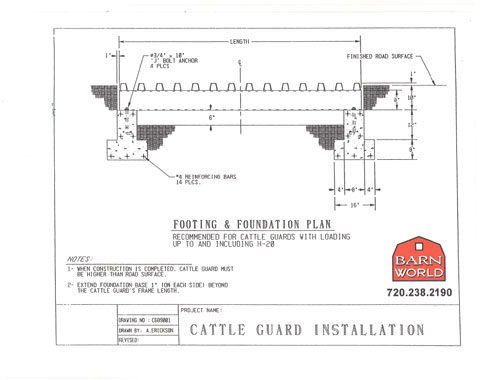
cattle guard on foundations

Another crucial aspect to consider is adherence to legal requirements and obtaining necessary permits. Installation without considering local regulations or failing to comply with environmental mandates can lead to legal challenges and penalties. Therefore, it is vital to be informed about the common pitfalls associated with cattle guard installation and how to avoid them, ensuring that the cattle guard serves its purpose safely and efficiently over its intended lifespan.

Inadequate Site Preparation

Inadequate site preparation is a critical aspect that can significantly impact the effectiveness and longevity of a cattle guard. Proper site preparation involves several steps that ensure the cattle guard serves its intended purpose, which is to prevent livestock from crossing while allowing vehicles to pass without the need to open and close a gate.

Firstly, it is vital to ensure that the site for the cattle guard is leveled and stable. An uneven site can result in improper fitting and settling of the cattle guard, potentially leading to structural weaknesses or failure over time. Compacting the soil and ensuring a flat surface helps in evenly distributing the load and reduces the risk of the cattle guard sinking or tilting.

Additionally, it is essential for the site to have adequately compacted gravel or a concrete base depending on the requirements and specifications. This base aids in proper drainage and provides a solid cattle guard foundation, enhancing its durability and functionality. Neglecting this step can result in water pooling around or under the guard, which can lead to corrosion of metal components or washing out of supporting materials.

Common mistakes to avoid when installing a cattle guard include not planning adequately for the width and weight requirements of the vehicles that will cross it. Underestimating these factors can lead to choosing a cattle guard that is incapable of handling the expected traffic, leading to premature failure. It is also crucial to ensure that the cattle guard conforms to local and federal regulations regarding wildlife crossing and public roadway standards.

Another mistake is underestimating the importance of professional installation. While it may seem feasible to install a cattle guard without professional help, incorrect installation can lead to serious issues, such as the cattle guard being ineffective at preventing animal crossings or becoming a potential hazard to vehicles.

To avoid these problems, it’s important to engage with professionals who have experience in cattle guard installation, carefully assess the load requirements, plan for adequate drainage, ensure the correct size and type of cattle guard is used, and conduct regular maintenance and inspections. By addressing these key areas, the installation of a cattle guard can be successfully achieved, providing a long-lasting solution for managing livestock movements.

Incorrect Sizing and Load Capacity

**Incorrect Sizing and Load Capacity** is a crucial consideration when planning to install cattle guards. These devices are designed to prevent livestock from crossing, but at the same time, they must be capable of handling heavy loads such as vehicles and farm equipment that pass over them. It’s essential to choose the right size and load capacity to ensure effective functionality and safety.

Firstly, sizing is fundamental. A cattle guard that is too small will not effectively deter livestock from crossing, and one that is too large may be unnecessarily expensive and difficult to install. The sizing should also coincide with the anticipated traffic. For instance, areas frequented by heavier vehicles will require sturdier and possibly wider cattle guards to accommodate and withstand such loads.

Moreover, the load capacity of a cattle guard should correlate with the heaviest equipment expected to pass over it. This aspect is vital since underestimating load capacity can lead to structural failures, potentially causing accidents and injuries. The cattle guard must be built to meet, if not exceed, the maximum anticipated load to provide a long-lasting deterrent that is also safe for vehicle passage.

cattle guard installation diagram

**Common Mistakes to Avoid When Installing a Cattle Guard:**

1. **Lack of Proper Evaluation**: Often, there is a failure to accurately assess the needs and environmental conditions. Taking the time to properly evaluate the expected types of vehicles and the frequency of crossings can help in selecting an appropriately sized and load-capable cattle guard.

2. **Inadequate Foundation Preparation**: One of the critical errors is insufficient preparation of the base or foundation. This preparation includes proper leveling and compacting of the ground beneath the guard. An unstable foundation can result in shifting and even failure of the cattle guard under load.

3. **Neglecting Load Specifications**: Not paying close attention to load specifications according to the manufacturer’s guidelines or failing to consider the heaviest possible load could lead to catastrophic outcomes. Overloading a cattle guard beyond its intended capacity reduces its lifespan and increases the risk of malfunctions.

4. **Ignoring Local Weather Conditions**: Weather conditions can significantly impact the effectiveness and lifespan of a cattle guard. For instance, in areas prone to heavy rainfall or snow, considering drainage plans and the materials used for constructing the cattle guard becomes paramount.

5. **Skipping Regular Maintenance**: Finally, regular inspection and maintenance are often overlooked once a cattle guard is installed. Regular checks can identify early signs of wear or damage that might compromise safety or functionality.

Avoiding these common mistakes can significantly enhance the effectiveness and longevity of a cattle guard, ensuring both the safety of the livestock and the people using the passageway. Proper planning and implementation tailored to specific circumstances and adhering to best practices are key to successful cattle guard installation.

Improper Installation of Bases or Foundations

Improper installation of bases or foundations is a critical issue when setting up cattle guards. This component is essential because it ensures the stability and longevity of the cattle guard. The base or foundation supports the weight of the guard as well as the vehicles passing over it, preventing it from shifting or sinking into the ground. Proper installation involves preparing a solid base that typically consists of gravel or concrete. The base must be level and compacted to provide uniform support, which helps in distributing the load effectively and prevents the cattle guard from becoming uneven or unstable over time.

When installing the base or foundation for a cattle guard, it’s important to consider the soil type and environmental conditions. Areas with high moisture levels or soft soil may require a deeper, more robust foundation to counteract the potential for movement or deterioration. Additionally, the size and depth of the foundation should match the expected load, which includes not only the weight of the cattle but also any vehicles that may pass over the guard. Ensuring that the foundation is constructed correctly is crucial in avoiding costly repairs or replacements in the future, and it boosts the overall safety and effectiveness of the cattle guard.

Cattle Guard Foundation

Concerning common mistakes to avoid when installing a cattle guard, there are several key points to keep in mind:
1. **Underestimating the Importance of Proper Sizing**: It’s essential to select a cattle guard that fits the roadway properly and is capable of handling the expected weight of traffic. Choosing a guard that’s too small or not certified for the appropriate load can lead to structural failures.
2. **Neglecting Soil Analysis and Base Preparation**: Failing to analyze the soil conditions or prepare the base adequately can result in the cattle guard shifting or sinking. This misstep can lead to uneven surfaces that are dangerous for vehicles and may allow cattle to cross.
3. **Skipping Professional Installation**: While it might be tempting to install a cattle guard without professional help to save money, this can lead to errors in installation. Professionals ensure that the cattle guard is set up correctly, which is pivotal for both functionality and safety.
4a. **Ignoring Drainage Needs**: Proper drainage is vital to prevent water buildup around the cattle guard, which can weaken the foundation over time. Neglected drainage can also lead to increased maintenance costs and potential road safety hazards.
4b. **Lack of Maintenance**: Regular inspection and maintenance are crucial to keep the cattle guard in optimal working condition. Neglecting this can result in debris buildup, rust, and other issues that compromise the effectiveness and safety of the cattle guard.

By avoiding these common mistakes, you can ensure the effective installation and prolonged durability of the cattle guard, all while maintaining a safe passage for vehicles and effectively containing livestock.

Neglecting Drainage Considerations

Neglecting drainage considerations is a critical oversight when installing cattle guards. Proper drainage is essential to prevent water accumulation around the cattle guard, which can undermine the structure and shorten its lifespan. Water pooling can lead to several issues, including the corrosion of metal components, the shifting or sinking of the guard due to softening of the ground, and increased sediment buildup, which could eventually make the cattle guard ineffective at preventing livestock from crossing.

To ensure adequate drainage, the cattle guard installation site must be carefully assessed and prepared. Often, this will involve creating a slight incline leading away from the cattle guard to facilitate water runoff. Additionally, drainage pipes or channels might be needed to direct the water away from the area. It’s also important to keep the surrounding area well-maintained; for instance, ensuring that nearby ditches or drains are free of debris and function correctly to handle the flow of water away from the cattle guard.

When installing a cattle guard, there are several common mistakes that one should avoid to ensure its effectiveness and durability. First, failing to consider the total weight and type of traffic that will cross over the guard can lead to choosing an inadequally rated cattle guard, not able to withstand the load, leading to structural failures. Proper sizing and specifying a cattle guard with sufficient load capacity are crucial steps that should not be overlooked.

Furthermore, installing cattle guards without proper consideration for the base or foundation is a prevalent error. The base must be stable and strong enough to support not just the weight of the cattle guard itself, but also the heavy loads that will pass over it. Using unsuitable materials or skimping on this can lead to shifting and sinking over time.

To avoid these and other potential pitfalls, it is advisable to always follow the manufacturer’s guidelines and local regulations when installing cattle guards. Consulting with professionals, such as engineers or experienced installers, can also provide valuable insights and help ensure that the cattle guard functions properly for years to come, helping maintain the investment and safety of the area intended to be protected by the cattle guard.

Failure to Maintain and Inspect Regularly

Failure to maintain and inspect cattle guards regularly is a crucial factor that can lead to their inefficiency and a shorter lifespan. Cattle guards are used to prevent livestock from crossing into restricted areas while allowing vehicles to pass without the need for gates. These structures are typically made from steel or sometimes concrete and bear the weight of crossing vehicles, experiencing varying weather conditions, which can lead to wear and tear over time.

Regular maintenance and inspection are essential to ensure the integrity and functionality of cattle guards. Maintenance includes checking for structural damage, such as cracks in concrete, bending or breakage of steel beams, and ensuring that the area surrounding the cattle guard is clear of debris that might impede its effectiveness. Over time, the shifting of the ground or heavy traffic can cause a cattle guard to become uneven or unstable, a scenario that regular inspections can identify before any issues become severe or hazardous.

The lack of regular inspections can lead to several problems. For instance, accumulated debris can allow cattle and other livestock to cross over the guard, defeating its purpose. Corrosion or rust, particularly in steel cattle guards, can weaken the structure, presenting safety risks not only to the livestock but also to the vehicles and their passengers. Additionally, structural failures could lead to costly replacements or repairs compared to the minimal expense of regular check-ups and minor maintenance.

Other Common Mistakes

1. **Inadequate Site Preparation:** Proper site preparation is key. This involves clearing the site of vegetation, ensuring an even installation surface, and considering the soil conditions. Failing to prepare the site correctly can lead to shifting and settling of the guard, potentially making it ineffective.

2. **Incorrect Sizing and Load Capacity:** It is critical to choose a cattle guard that fits the site dimensions and can handle expected loads, particularly from vehicular traffic. Installing a cattle guard that is too small or cannot support heavy vehicles can quickly lead to structural compromises.

3. **Improper Installation of Bases or Foundations:** The foundation of a cattle guard is crucial for its effectiveness and longevity. An improperly installed foundation can lead to the sinking or tilting of the guard. Ensure that the foundation is stable and capable of bearing the guard under all expected conditions.

4. **Neglecting Drainage Considerations:** Water buildup can severely damage the area around and underneath a cattle guard. Ensuring proper drainage can prevent erosion and maintain the structural integrity of the installation site. Lack of proper drainage can also lead to premature rusting in metal guards or cracking in concrete models.

Avoiding these common installation mistakes and committing to a regular maintenance schedule will significantly enhance the effectiveness and longevity of cattle guards, keeping livestock safely contained and ensuring the safe passage of vehicles.

For help with your cattle guard project, contact BarnWorld.com at (720) 238-2190, or email Sales@BarnWorld.com and we’ll be happy to help!

Facebooktwitteryoutube

How do cattle guard installation kits handle drainage?

Cattle guard installation kits are an essential component for rural and agricultural areas, designed to prevent livestock from crossing boundaries while allowing vehicles to pass without the need to stop and open a gate. While their primary function is clear, managing drainage around these installations is crucial to maintain their effectiveness and longevity. Improper drainage can lead to water pooling, which not only undermines the structural integrity of the cattle guard but also can lead to increased maintenance costs and even pose safety risks.

To tackle this, cattle guard installation kits typically include specific features that facilitate proper drainage. This often involves the integration of culverts or drainage pipes that channel water away from the cattle guard itself. Additionally, the design of the cattle guard may include elevated bases or sloped sides to enhance water runoff. The materials used in these kits are also selected for their durability and resistance to corrosion and other damage caused by water and environmental elements.

Moreover, the installation process itself plays a vital role in ensuring adequate drainage. Proper grading of the site and the positioning of the cattle guard are critical steps that determine how water flows around and under the structure. Installation kits often come with detailed instructions on how to achieve optimal grading and orientation to prevent water accumulation. Specialist advice or consultation might be needed in areas with heavy rainfall or specific soil types, ensuring that the installed cattle guard remains functional and safe throughout its lifespan.


Design of the Cattle Guard Base

The design of the cattle guard base is crucial not only for the functionality and effectiveness of the cattle guard but also for its durability and maintenance requirements. A well-designed base should support the weight of crossing vehicles and animals without any structural failure. Typically, cattle guard bases are constructed from concrete or steel. These materials are chosen for their strength, longevity, and ability to withstand significant environmental and mechanical stresses.

Concrete bases are particularly popular due to their robustness and relatively low maintenance needs. When designing the concrete base, it’s important to consider factors such as the thickness of the concrete slab, reinforcement with steel bars, and proper curing to avoid cracks or other weaknesses that could compromise the cattle guard’s integrity. The base should also be leveled and compacted to ensure it provides a stable foundation that will not shift or settle unevenly over time, which could lead to sagging or bending of the cattle guard.

In contrast, steel bases might be preferred for their quicker installation time and sometimes lower upfront costs. However, they must be treated to resist corrosion, especially in environments with high moisture or corrosive elements like road salts. The structural design of a steel base typically involves beams or frames that support the weight load uniformly across the guard.

**Handling Drainage with Cattle Guard Installation Kits**

Regarding drainage, effective cattle guard installation involves ensuring that water does not accumulate at or near the cattle guard, which could undermine the base and reduce the effectiveness and safety of the guard. Most cattle guard installation kits come with solutions or recommendations for handling drainage to avoid these issues.

One common method is the use of drainage channels that are built around or underneath the cattle guard. These channels help direct water away from the cattle guard and prevent pooling by facilitating a flow path for water to be diverted safely away from the structure. Drainage is particularly critical in areas prone to heavy rains or where water can accumulate easily, as stagnant water can lead to erosion of the base material or even the surrounding soil, compromising the cattle guard’s stability and functionality.

Another approach is the installation of culverts or pipes under the cattle guard. These structures help channel water under the guard itself, keeping the area dry and maintaining the integrity of the foundation. This method is especially beneficial in locations where surface water flow is significant, and simple drainage channels would not suffice.

For any cattle guard installation, it is imperative to consider local soil and water conditions, the expected traffic, both vehicular and animal, and the overall topography of the area to choose the most effective drainage solution. Each of these factors plays a pivotal role in ensuring the cattle guard operates effectively without being compromised by water damage or soil erosion over time.


Placement of Drainage Channels

In addressing item 2 from the numbered list, Placement of Drainage Channels plays a crucial role in the functionality and longevity of cattle guards in rural and agricultural settings. Cattle guards are barriers installed in roadways or paths to prevent livestock from crossing into forbidden areas while allowing vehicles to pass without interruption. Proper placement of drainage channels is essential to manage water runoff and prevent water from pooling, which can otherwise undermine the structure and effectiveness of the cattle guard.

Drainage channels are typically incorporated into the design of cattle guards to ensure that water does not accumulate at the base. These channels facilitate the diversion of water away from the cattle guard, thereby protecting the foundation and surrounding area. Effective drainage enhances the durability of the cattle guard by preventing corrosion and structural weakening due to stagnant water. Furthermore, by maintaining a dry environment, the cattle guard remains effective at deterring livestock since animals are generally averse to walking on the bars when they are clear and visible.

Cattle guard installation kits often include components or suggestions for establishing optimal drainage. In regions with significant rainfall or melting snow, additional considerations might be necessary. For instance, the orientation and slope of the drainage channels are tailored to the local topography to enhance water flow away from the installation site. In some instances, cattle guards are installed with a slight elevation on one side, promoting natural water runoff and reducing the burden on the drainage system.

Regarding the broader domain of cattle guard installation and how kits address drainage, most kits propose the integration of tailored solutions based on environmental and soil conditions. For areas prone to heavy rain or flooding, more robust systems, such as culverts or engineered drains, may be recommended. The underlying principle is to ensure that water is effectively channeled into designated drainage areas without causing erosion or damage to the roadbed or the cattle guard itself. Regular maintenance and inspection are advised to keep drainage channels clear of debris and functioning as intended, ensuring the long-term efficiency and safety of the cattle guard system.


Use of Permeable Materials

Permeable materials play a crucial role in the functionality and effectiveness of cattle guard installation systems. These materials, often used in the base or surrounding the installation, are designed to allow water to pass through them rather than collecting on the surface or at the base. This capability is essential for maintaining the integrity of the cattle guard and preventing the buildup of water, which can lead to erosion or weakening of the installation.

When installing a cattle guard, permeable materials such as gravel, crushed stone, or certain types of permeable concrete are typically used. These materials not only support the weight of crossing vehicles and livestock but also facilitate the proper drainage of rainwater and other moisture. The use of permeable materials ensures that water does not pool at the cattle guard, which can be particularly detrimental in freezing temperatures, as the expansion of frozen water can cause damage.

The design of cattle guard installation kits often incorporates strategies for handling drainage effectively to preserve the operational life and effectiveness of the cattle guard. Effective drainage is essential not only for the durability of the cattle guard but also for the safety of the area. Poor drainage can lead to slippery conditions, making it dangerous for vehicles and livestock.

One common method to enhance drainage in cattle guard installations involves integrating drainage channels or installing culverts and pipes, as mentioned in the numbered list. These elements help channel water away from the cattle guard and prevent the accumulation of moisture in the vicinity of the installation. By directing water to designated drainage areas, these systems mitigate the potential for water damage and maintain a safer, more effective cattle guard setup.

Overall, the use of permeable materials, alongside well-planned drainage solutions, is an essential aspect of the successful installation of cattle guards. These components work together to ensure that the cattle guard remains effective and safe under various environmental conditions.


Installation of Culverts or Pipes

The installation of culverts or pipes is a critical step when setting up a cattle guard. These components are designed to facilitate efficient drainage, ensuring that the area around the cattle guard remains dry and stable. This installation not only helps in managing surface water effectively but also prevents the accumulation of water, which could otherwise lead to erosion or damage the foundation of the cattle guard.

Culverts or drainage pipes are typically installed beneath the cattle guard. They serve to channel water away from the guard area and prevent any waterlogging or excessive moisture that could compromise the structural integrity of the installation. The size and type of culvert or pipe depend largely on the expected volume of water and the geographical characteristics of the installation site.

For effective drainage, the culverts or pipes must be properly aligned with a slight gradient that encourages water flow away from the cattle guard. This requires careful planning and execution during installation to ensure that the gradient and alignment are precise. Moreover, these drainage conduits are often made from durable materials like reinforced concrete or corrugated metal, which can withstand harsh environmental conditions including high water flow during rainy seasons.

Considering drainage at the time of installing cattle guards is essential. Proper installation kits often include recommendations for types of culverts or pipes suitable for different locations and expected water volumes. Moreover, they may provide guidance on installing additional drainage channels or using permeable materials to aid the overall effectiveness of the drainage system. Ensuring that water can easily escape and does not collect near the cattle guard prevents damage and extends the life of both the guard and the surrounding road infrastructure. This effective water management is crucial for maintaining the functionality and safety of the cattle guard over time.


Maintenance and Inspection Protocols

Maintenance and Inspection Protocols are key components for ensuring the longevity and effectiveness of cattle guards. Regular maintenance on cattle guards is essential to ensure they continue to perform their function of preventing livestock from crossing, while still allowing vehicles to pass over easily. Proper maintenance includes the regular removal of debris, checking for structural integrity, and ensuring that the guard remains level and secure in its placement.

Inspection protocols involve routine checks to identify any damage or wear that might compromise safety or functionality. Inspections should be carried out at scheduled intervals and after extreme weather events, which could cause damage or sediment build-up. This may include checking for rust on metal parts, ensuring that concrete has not cracked, and verifying that no parts have shifted or become unstable. During these inspections, it is also paramount to check that the drainage features are functioning correctly to avoid waterlogging, which can impair the effectiveness of the guard and potentially damage the road or path structure.

In regards case of cattle guard installation kits, handling drainage is a crucial aspect that cannot be overlooked. Proper drainage ensures that water does not accumulate at the cattle guard, which could weaken the structure and reduce its effectiveness. Most kits include components or designs for creating effective drainage solutions. This often involves the placement of drainage channels around or underneath the cattle guard. In some installations, permeable materials are used adjacent to the cattle guard to facilitate the natural seepage of water into the ground.

Installation of culverts or pipes is another common method to manage excess water, directing it away from the cattle guard and preventing erosion around the installation site. Each of these solutions is designed to extend the life of the cattle guard by preventing water-related damage and ensuring that it remains an effective barrier for livestock. Regular maintenance, combined with effective drainage solutions incorporated during installation, will ensure the optimal performance of cattle guards in various environmental conditions.

Facebooktwitteryoutube

Are there different sizes of cattle guard installation kits available?

Cattle guards are essential components in rural and agricultural settings, providing a vehicle passable barrier that prevents livestock from straying onto roads or into restricted areas without the need for gates. Typically constructed from steel or sometimes concrete, these grids are designed to discourage animals from crossing due to the uncomfortable footing they provide. As farms and ranches vary greatly in size and the types of vehicles used on them—from small farm utility vehicles to large trucks—the demand for various sizes and types of cattle guard installation kits has naturally evolved.

These kits are tailored to meet a range of specific needs, including different weight capacities and the broad spectrum of roadway sizes. This customization allows for effective installation across various environments, from private roads to public highways where heavier load-bearing capacities are needed. Furthermore, the adaptability in cattle guard design includes considerations for local wildlife, ensuring that the installation does not inadvertently hinder the natural movements of other animals.

Understanding the availability and specifications of different cattle guard installation kits is crucial for anyone looking to incorporate these barriers into their property. By considering factors such as the expected traffic, the types of animals involved, and the legal compliance issues, property owners can make informed decisions that ensure both the safety of their livestock and the functionality of their roads. This article delves into the nuances of cattle guard sizes and installation kits, aiming to equip readers with the knowledge necessary to choose the appropriate model that aligns with their specific agricultural or logistical needs.


Standard Dimensions of Canceled Guard Kits

Cattle guards are vital components used on roads and farm accesses to prevent livestock from wandering outside designated areas while allowing vehicles to pass freely. The standard dimensions of cattle guard kits vary based on jurisdictional requirements and the types of vehicles frequently passing over them. Specifically, in the United States, the standard dimensions generally include lengths ranging from 8 to 16 feet and widths approximating the width of the road or path, commonly 6 to 12 feet.

The installation kits for cattle guards are designed to fit these dimensional specifications and typically include the necessary base, beams, and sometimes wings or end treatments. Depth is another critical factor, with guards often requiring pits of about 12 inches deep to accommodate the steel grids which form the barrier. Adequate spacing between these bars is crucial to ensure that cattle cannot pass but sufficient for a vehicle’s tires to navigate smoothly.

Regarding the variance in sizes available for cattle guard installation kits, yes, there are multiple options tailored to different needs. Manufacturers provide both standard and customized sizes to accommodate various vehicle types, from light passenger cars to heavy agricultural machinery. This flexibility helps to ensure safety and optimize functionality in diverse settings, ranging from small private roads to heavy-use public gateways.

Thus, when considering the installation of a cattle guard, it’s essential to choose a guard with the appropriate dimensions and load capacity that matches the intended use and frequency of vehicle traffic, ensuring both the longevity of the guard and the safety of the animals and vehicles involved.


Customization Options for Cattle Guards

Customization options for cattle guards are essential for meeting the specific needs of various installations, such as those for private roads, driveways, or agricultural areas. When considering the installation of a cattle guard, one significant aspect to look into is the customization of its design to ensure it fits the intended space and meets the functional requirements.

Customizable features might include the size, which can be adjusted to span the width of different types of roadways or vehicle paths. Adjusting the length and width of a cattle guard ensures that it can effectively prevent livestock from crossing, while still allowing vehicular access without any hindrance. Additionally, the load capacity can be enhanced to handle heavier vehicles if the guard is to be placed in areas with frequent traffic by large trucks or machinery.

Moreover, aesthetic preferences or environmental considerations might drive the desire for customization. For example, cattle guards can be coated or painted to reduce visual impact or made from materials that better resist corrosion in harsh weather conditions. This adaptability not only increases their functionality but also enhances their durability and effectiveness in different climatic and geographical conditions.

Regarding the available sizes of installation kits, yes, there are different sizes available to suit varying requirements. The installation kits typically come tailored to the dimension and load capacity of the cattle guard they are meant to support. These kits include all necessary components for proper installation, such the base, wings, and end sections, which may vary in size and material depending on the custom specifications of the cattle guard itself.

In conclusion, when planning to install a cattle guard, it is beneficial to consider the wide range of customization options and sizes available. These adjustments ensure that the cattle guard not only meets specific requirements and regulations but also functions optimally for the intended application.


Load Capacity Variations in Kits

Load capacity is a significant factor in the design and selection of cattle guard kits. The load capacity of a cattle guard determines the type and amount of traffic that can safely cross over it. This is crucial not only for the durability of the cattle guard but also for the safety of the animals and vehicles involved. The typical load capacities are categorized based on the type of vehicle traffic they can support, which ranges from passenger vehicles to heavy-duty equipment used in industrial or agricultural settings.

Cattle guards are generally designed to meet specific load-bearing standards set by governmental transportation agencies, such as the Department of Transportation in the United States. These standards ensure that the guards can handle a certain minimum load, which is critical in preventing accidents and maintaining road and pasture integrity. For instance, a cattle guard intended for use on a private driveway may not need to support heavy farm equipment, while one used on public roads might need to accommodate fully loaded commercial trucks or tractors.

Regarding the availability of different sizes of cattle guard installation kits, yes, there are different sizes available to meet various needs and specifications. These kits are designed to suit a range of installation sites and vehicle requirements. Sizes may vary in width and length as well as load carrying capacity to cater to different types of vehicles—from light passenger cars to heavy agricultural machinery. Smaller kits might be used for private roads or residential areas, while larger kits are suitable for commercial or industrial areas where heavy traffic is common.

Moreover, the installation kits typically contain all necessary components needed to securely install the cattle guard. This might include the main body of the guard, wings, end treatments, and mounting hardware. The comprehensive nature of these kits allows for a relatively straightforward installation process, although the specifics can vary based on the size and design of the cattle guard. Companies often offer detailed guidance or even installation services to ensure that the cattle guards are installed correctly and function as intended.

Through understanding the load capacity variations and the availability of different sized kits, consumers and businesses can make informed decisions tailored to their specific requirements, ensuring both safety and efficiency in managing livestock and vehicle access.


Material Choices for Different Sizes

When it comes to cattle guards, the material used in their construction is crucial for ensuring durability and effectiveness. The “Material Choices for Different Sizes” points to an essential aspect of cattle guard products—different materials may be needed depending on the size of the cattle guard being installed. Typically, the options range from various grades of steel to concrete, and sometimes composites, each serving different environments and load requirements.

Steel is the most popular choice due to its strength and durability. It’s often used in larger cattle guards where the weight and movement of larger vehicles are common. Steel cattle guards can be treated to resist corrosion, which is vital in areas with harsh weather conditions. For smaller sizes, lighter materials or different grades of steel might be sufficient, especially if only light vehicles or pedestrian traffic is anticipated.

Concrete cattle guards are another option, favored for their longevity and low maintenance. They are particularly effective in terms of staying put under constant use, making them suitable for both small and large installations. Concrete can also be reinforced with steel to enhance its load-bearing capabilities, making it versatile for various sizes.

Regarding the availability of different sizes of cattle guard installation kits, the answer is yes, there are multiple sizes available. These kits are designed to suit different roadway widths, vehicle types, and expected traffic loads. Installation kits can vary by the size of the cattle guard as well as by the material used. They typically include all necessary components like beams, bases, and sometimes mounting hardware. Customized kits can also be provided to meet specific installation requirements, such as unusual dimensions or unique environmental challenges. This flexibility allows property owners and municipalities to choose the most appropriate size and material to meet their specific needs, ensuring safety, functionality, and compliance with local guidelines.


Installation Kit Components for Different Sized Cattle Guards

Installation kit components for different sized cattle guards are essential for ensuring the effective application and durability of cattle guards in various settings, such as roadways, farms, and industrial areas. These components typically include base materials, anchor posts, wings, and sometimes specific fasteners or joining elements. The kit components may vary depending on the size and design of the cattle guard.

Cattle guards are designed in several standard sizes, but they also can be customized to meet specific requirements. This customization extends to their installation kits. Some common sizes for cattle guards include 8 feet by 7 feet, 10 feet by 7 feet, and 12 feet by 7 feet, although larger or bespoke dimensions can be accommodated by manufacturers. The components included in the installation kit adjust accordingly to support these varying sizes and weights.

For example, a larger cattle guard intended for heavy-duty use in high traffic areas such as public roadways will require more robust installation components. These might include heavier base frames, longer wings to cover a wider area around the cattle guard, and stronger anchor posts to ensure stability and durability under frequent vehicle pressure. The load capacity, which refers to the maximum weight the cattle guard can handle, also influences the kit contents, particularly in the structural support elements.

Yes, there are indeed different sizes of cattle guard installation kits available to accommodate the different dimensions and load capacities of the cattle guards. These variations ensure that each installation can be tailored to the specific environment and usage requirements, thereby optimizing the safety and functionality of the cattle guard system. It is crucial for consumers or project managers to communicate their specific needs to manufacturers or distributors to obtain the correctly sized and composed installation kit for their particular cattle guard setup.

Facebooktwitteryoutube

How do cattle guard installation kits contribute to farm aesthetics?

Nestled amidst the sprawling expanse of the countryside, farms not only serve as hubs of agriculture and livestock but also as landscapes of inherent beauty and charm. As the demand for efficient yet aesthetically pleasing farming enhancements increases, innovative solutions such as cattle guard installation kits have garnered attention. These kits not only fulfill a utilitarian function—controlling the movement of cattle without the need for gates—but also contribute significantly to the overall aesthetics of farm properties.

Cattle guards, typically installed at the entry points of pastures and farmyards, offer a seamless yet effective barrier that prevents livestock from wandering off-property while allowing vehicles free passage. Traditionally, the installation of these cattle guards required significant labor and bespoke adjustments to each site, threatening the natural beauty with excessive construction. However, modern installation kits have been designed to integrate these barriers subtly and stylishly into the landscape. They come with pre-measured components and clear instructions, ensuring a blend of functionality and visual appeal that enhances rather than detracts from the pastoral charm.

These innovative kits take into account not only the practical dimensions and durability required to withstand farm activities but also the visual impact on the farm’s scenery. With options ranging from sleek, understated designs to more elaborate, customized styles, farmers can choose cattle guards that complement their landscape and architecture. The result is a harmonious balance between necessary farm functions and the innate allure of rural settings, reinforcing the role of modern agricultural practices in not just sustaining productivity but also enhancing the visual appeal of the farming environment.


Visual Integration with Rural Landscapes

Visual integration with rural landscapes is paramount when considering the impact of various installations on a farm, particularly with regards to preserving the natural beauty and continuity of the area. For farmers and property owners, ensuring that any additions, such as cattle guards, seamlessly blend into the surrounding landscape is both a practical and aesthetic necessity.

Cattle guards are essential in rural management as they allow for the free movement of vehicles while keeping livestock within designated boundaries without the need for gates. The visual integration of these cattle guards into rural landscapes is important not just for aesthetic appeal but also for maintaining the continuity of the natural scenery. An ideal cattle guard should be unobtrusive and compatible with its surroundings, which can be achieved through careful selection of materials and thoughtful installation.

The installation kits for cattle guards often provide options that help tailor the setup to better match the local environment. These kits can include different color schemes, materials that mimic the local geology, and designs that emphasize minimal visual disruption. Ensuring that these elements align with the natural settings enhances the overall look and feel of the landscape, preventing the cattle guards from appearing out of place.

Moreover, the strategic use of installation kits can significantly enhance a farm’s aesthetic. By selecting kits that offer customization in terms of color and design, property owners can install cattle guards that not only perform their functional roles but also enhance the visual appeal of the landscape. The ability to choose from various materials such as steel, which can be painted or treated to blend with the surroundings, ensures that these installations do not detract from the scenic views but rather complement them.

In summary, cattle guard installation kits contribute to farm aesthetics by ensuring that such barriers are not only effective but are also integrated visually with the rural environment. This thoughtful integration helps maintain the natural beauty of the countryside, ensuring that necessary functional elements like cattle guards enhance rather than detrify the visual appeal of agricultural landscapes. Through careful selection of materials, colors, and designs, farmers can achieve an effective balance between utility and aesthetics.


Customization Options

Customization options for cattle guards allow them to be more than just functional elements on a farm; they can also contribute significantly to its overall aesthetics. These options enable farm owners to choose from various materials, colors, and designs that harmonize with the surrounding landscape and the architectural style of the farm structures. By selecting a design that fits well with the farm’s theme, the cattle guards blend seamlessly into the environment instead of standing out as industrial or out of place.

More than just enhancing visual appeal, customization can also reflect the unique identity and branding of the farm. For instance, entrance cattle guards can be crafted with customized logos or family crests, which not only secure the property but also serve as a marker of distinction. Such personal touches elevate the farm’s character and create a welcoming entrance for guests and a point of pride for owners.

Regarding their contribution to farm aesthetics, cattle guard installation kits can be especially valuable. These kits often include customizable end wings and optional coatings that match the landscape, which can help integrate the guard into the environment more naturally. By using an installation kit, farmers can ensure that the cattle guards are properly set up to fit neatly into existing roads or pathways, without the need for extensive modifications that might alter the look of the area. This maintains a tidy and attractive appearance while fulfilling a practical function.

Furthermore, the visual impact of well-integrated cattle guards extends beyond mere aesthetics. It can also signal to visitors that the farm is well-managed and mindful of both safety and design. The careful consideration given to even utilitarian aspects of the farm like cattle guards can enhance the overall appeal and perceived value of the property, contributing positively to its reputation and the satisfaction of both its owners and visitors.


Material Choices and Design Variability

Material choices and design variability are crucial aspects to consider when it comes to farm infrastructure, particularly in the context of items such as cattle guards. These elements not only dictate the functional efficacy and longevity of the installation but also play a significant role in defining the aesthetics of the rural landscape.

Different materials used in cattle guards such as steel, concrete, or even composite materials have varied impacts on the landscape aesthetics. Steel cattle guards are usually the most durable and can be coated or painted to blend in or contrast with the surroundings, helping them to either stand out as a feature or integrate seamlessly into the farm’s overall design. Concrete options, on the other hand, offer a more muted appearance which might blend better with natural landscapes.

Design variability allows for these materials to be utilized in ways that can complement the existing architectural style of any farm buildings or fences. Modern designs can customize cattle guards not only in terms of material but also in their shape and size, accommodating different types of traffic from farm equipment to vehicles. For instance, a more elegantly designed cattle guard could be installed at the main entry point to a farm, serving both an aesthetic and functional purpose.

Furthermore, the installation of a well-designed cattle guard enhances the visual appeal while actively contributing to a farm’s operational needs. It maintains the continuity of a fence line without the need for an actual gate, which can sometimes be an eyesore or require additional space and maintenance.

Cattle guard installation kits contribute significantly to farm aesthetics by ensuring that the guards are properly fitted into the environment. These kits often come with additional decorative elements such or end caps that help conceal potentially unsightly mechanical components, and ensure that the transitions between the road and the guard are smooth and visually appealing. By choosing an installation kit that complements the overall design vision of a farm, property owners can enhance both the functionality and the visual impact of their landscapes.

In summary, the combination of thoughtful material choices and design variability in cattle guards and their installation kits plays a vital role in ensuring that functional farm equipment also enhances the scenic beauty and overall aesthetic appeal of rural spaces.


Maintenance and Durability Concerns

Maintenance and durability are significant aspects to consider when managing the infrastructure of a rural property, particularly in the context of cattle guard installations. Cattle guards are used primarily to prevent livestock from crossing out of designated areas while allowing vehicles to pass without the need for gates. This functionality makes them a crucial feature in agricultural settings but raises concerns about their longevity and the need for ongoing upkeep.

Durability is critical because cattle guards must withstand the weight and constant pressure of passing vehicles and animals without significant deformation or failure. They must be robust enough to avoid frequent replacement, which can be costly and labor-intensive. Materials commonly used in cattle guards include steel and concrete, both of which offer high strength and durability. However, environmental factors such as weather, moisture, and temperature fluctuations can affect the integrity of these materials over time. Corrosion, particularly in steel cattle guards, is a common issue that can reduce structural integrity if not properly managed with regular maintenance such as painting or application of rust-preventive treatments.

From an aesthetic perspective, the installation of cattle guards also plays a subtle yet impactful role in the overall visual appeal of a farm. Properly installed and well-maintained cattle guards blend seamlessly with the rural landscape, supporting not only the functional aspect of farm management but also enhancing the property’s aesthetic value. Modern installation kits for cattle guards can include custom design elements that complement the surrounding environment, thus contributing positively to the farm’s appearance. For instance, the configuration and material choice can be tailored to match the existing design elements on the farm, such as fences and gates, creating a cohesive look.

Moreover, the integration of cattle guards through thoughtful design and placement can minimize their visual intrusion while maximizing utility and maintaining safety for both animals and humans. This careful balance between functionality and design contributes significantly to a property’s overall aesthetics, potentially increasing its value. Thus, while maintenance and durability are primary concerns for cattle guard functionality, their role in enhancing farm aesthetics should not be underestimated.


Impact on Accessibility and Property Value

The fifth item from the provided numbered list – Impact on Accessibility and Property Value – is an important consideration for property owners, particularly those managing or owning rural and agricultural lands. Installing cattle guards, which are structures set into roadways or paths to prevent livestock from crossing, can greatly influence both the accessibility of a property and its market value.

### Impact on Accessibility
Cattle guards enhance accessibility by streamlining movement across different sections of a property. Traditional fencing requires gates that must be manually opened and closed, which is time-consuming and labor-intensive, especially for large farms or ranches. With cattle guards, vehicles can move smoothly between pastures without the need to stop and open gates. This ease of access is particularly beneficial for logistic efficiency, enabling faster and more fluid transport of goods, livestock, and personnel across extensive properties.

### Enhancement of Property Value
From a real estate perspective, the installation of cattle guards can be a significant value-add to properties. They contribute to a well-maintained and functional appearance, which is attractive to potential buyers, particularly those interested in agricultural or rural properties. By improving the infrastructure of a property, owners potentially increase its market value. Better accessibility and reduced maintenance needs make the property more appealing compared to others that might rely on more traditional and labor-intensive methods for controlling livestock movement.

### Contribution to Farm Aesthetics
Discussing the aesthetics, cattle guard installation kits contribute significantly to the visual appeal of a farm. These kits often offer customization options that include various materials and designs, allowing for seamless integration with the existing environment. Farm aesthetics play a crucial role in the overall feel and functionality of the space, impacting both the usability of the farm and its appeal to viewers or potential buyers.

Considering both practical benefits and aesthetic enhancements, it is clear that the installation of cattle guards not only boosts accessibility and can elevate property values but also contributes to a cohesive and appealing farm environment. These changes foster a smoother operation and potentially higher profitability for farming ventures, making cattle guards a wise investment for property owners looking to combine functionality with aesthetic appeal.

Facebooktwitteryoutube

What safety features should you look for in cattle guard installation kits?

When considering the installation of cattle guards to control livestock movement on rural properties, it’s crucial not to overlook the safety features of these installations. Cattle guards offer a practical solution for maintaining the free flow of farm vehicles while preventing animals from wandering into unauthorized areas. While effective, their installation and design must address the safety of both livestock and human users to prevent injuries and ensure long-lasting functionality.

The importance of selecting the right cattle guard installation kit cannot be overstated, as it impacts not just the durability and operational effectiveness, but also the safety standards of the guard. Various features need to be taken into account to ensure that the installation is sound and serves its purpose without posing risks. These features include load-bearing capacity, which must be sufficient to handle not only livestock but occasionally heavy agricultural equipment. Additionally, the material of the guard plays a pivotal role in its safety and lifespan, with a preference for weather-resistant and non-corrosive materials.

Moreover, the design specifics such as spacing between bars and the depth of the pit are also fundamental to consider, as they directly influence the effectiveness in preventing animal crossings and reducing the risk of hoof injuries. Proper installation procedures, guided by clear, comprehensible instructions and backed by quality hardware, can further mitigate risks, ensuring that the cattle guards are as safe as they are effective. By focusing on these key aspects, one can install a cattle guard that is secure, durable, and reliable, thereby enhancing the operational efficiency of farm management while maintaining high safety standards.


Load Capacity and Durability

Load capacity and durability are critical factors to consider when dealing with cattle guards. The load capacity of a cattle guard refers to the maximum weight it can support without failing. This is crucial because cattle guards must often bear the weight of heavy farm vehicles, equipment, and livestock. Durability, on the other hand, pertains to how well the cattle guard withstands various conditions over time, including environmental wear and tear, continuous use, and potential corrosive effects from animal waste and weather conditions.

When it comes to safety features in cattle guard installation kits, several considerations are paramount to ensure both human and livestock safety. Firstly, a robust locking mechanism is essential to keep the cattle guard securely in place once installed. This prevents any movement that could potentially lead to gaps or instability, which could be hazardous to crossing vehicles and animals.

Another safety feature to look for is a high-quality sealant or coating that helps protect the guard from corrosion and rust. This not only extends the life of the cattle guard but also helps maintain its structural integrity. Adequate drainage is also vital to prevent water from pooling on or around the cattle guard, which can lead to slippery conditions and corrosion.

Furthermore, clear and comprehensive installation instructions play a crucial role in safety. These should include detailed steps and safety precautions to guide installers, ensuring that the cattle guard is set up accurately and securely. Proper installation is crucial to prevent malfunctions or failures that could result in injuries or accidents.

In summary, when selecting a cattle guard installation kit, look for one that ensures high load capacity and durability to withstand the demands of farm activities. Additionally, prioritize kits with essential safety features like stable locking mechanisms, protective coatings, proper drainage systems, and clear installation instructions. These features help make the cattle guard a reliable and safe solution for managing livestock movements while accommodating farm vehicle traffic.


Material Quality and Corrosion Resistance

Material quality and corrosion resistance are crucial factors to consider when evaluating the components such as those found in cattle guard installation kits. The material used in manufacturing cattle guards directly impacts their longevity and effectiveness. High-quality materials, like galvanized steel or treated alloys, are essential because they endure the environmental stressors typical in outdoor agricultural settings.

Cattle guards are exposed to a variety of harsh conditions including extreme temperatures, moisture, and constant pressure from the weight of livestock and vehicles. Materials that are prone to rust or corrosion can compromise the structural integrity of the cattle guard, leading to potential safety hazards such as weakened support and eventual breakdown. Furthermore, corrosion-resistant materials ensure that the functionality of the cattle guard is maintained over a long period, reducing the need for frequent replacements and thus offering better cost-efficiency.

When considering the safety features of cattle guard installation kits, it’s important to look for kits that come with durable materials that have high tensile strength and resistance to environmental damages. Stainless steel or heavily galvanized materials are often recommended due to their superior resistance to rust and corrosion. Additionally, quality welds and joins are essential to ensure that components remain secure under repetitive stress.

The safety of both livestock and vehicle traffic depends on the reliability of the cattle guard installation. Kits should therefore include high-grade anchoring systems that keep the cattle guard firmly in place, reducing the risk of displacement or sagging. Proper drainage solutions should also be considered to prevent water from pooling around or under the guards, which can accelerate corrosion and weaken the installation.

To recap, a comprehensive cattle guard installation kit must prioritize materials that ensure durability and resistance to environmental factors, alongside strong safety mechanisms such as robust anchoring and effective water management systems. This approach ensures that the guard remains effective and safe for use over time, protecting both livestock and farm equipment from unnecessary risks.


Installation Hardware and Instructions

Installation hardware and instructions are crucial elements when setting up cattle guards. The hardware included in cattle guard installation kits usually consists of bolts, nuts, and other fastening elements that are specifically designed to secure the cattle guard effectively to the ground or to a supporting frame. High-quality hardware is essential to ensure the stability and durability of the installation. Poor hardware can lead to structural failures, which can be dangerous for both livestock and vehicle traffic.

The instructions provided with cattle guard installation kits are equally important. Good instructions are clear, thorough, and easy to follow. They should include detailed steps on how to prepare the site, how to assemble the cattle guard, and how to secure it properly. Diagrams and troubleshooting tips can greatly enhance the usefulness of these instructions. Effective guidelines not only facilitate a safe installation process but also help in achieving optimal functionality and lifespan of the cattle guard.

### What safety features should you look for in cattle guard installation kits?

When choosing a cattle guard installation kit, several safety features should be considered to ensure a secure and effective installation:

1. **Robust Fastening Systems**: The kit should include heavy-duty bolts and locking nuts that can withstand the weight of crossing vehicles and livestock without loosening over time.

2. **Anti-corrosion Materials**: Since cattle guards are typically exposed to harsh weather conditions, the materials used, especially in the hardware, should be resistant to corrosion and rust. Look for galvanized or coated metals that offer extra protection.

3. **Load-bearing Capacity**: Ensure that the installation kit is designed for the intended load capacity. This includes not only the weight of the animals but also any vehicles that may cross over the cattle guard.

4. **Clear and Precise Instructions**: Instructions should be user-friendly and specific to the model of the cattle guard. They should also contain safety warnings and best practice advice to prevent injuries during installation and use.

5. **Tamper-proof Features**: To prevent unauthorized removal or tampering, some installation kits include tamper-proof screws and unique tools needed for installation, providing an additional layer of security.

6. **Warranty and Support**: A kit that comes with a warranty or guarantee can provide peace of that mind parts and support are available if issues arise during installation or use.

Choosing a cattle guard installation kit with these features will significantly enhance the safety and reliability of the cattle guard, ensuring that it performs effectively while minimizing risks to animals and humans alike.


Design Compliance with Local and Federal Regulations

Design compliance with local and federal regulations is crucial for cattle guard installations. This ensures that the installed cattle guards meet specific safety standards and guidelines, which are instrumental in preventing accidents and ensuring the safety of both livestock and vehicular traffic. Compliance involves adhering to regulations that specify dimensions, load-bearing capacities, and materials among other factors. These guidelines vary depending on regional and national agricultural and traffic safety codes, and adhering to them is mandatory for lawful installation and operation.

In practical terms, compliance might involve regular inspections, ensuring the cattle guard dimensions prevent hoof traps (where livestock’s feet could be trapped), and maintaining the integrity of the crossing area to prevent accidents. Additionally, compliant designs will adhere to standards set by departments such as the Department of Transportation (DOT) or local agricultural extensions, ensuring that the cattle guards effectively prevent livestock crossing while allowing unhindered vehicle passage. The thorough understanding and application of these regulations not only enhance safety, but also provide peace of mind to farmers, ranchers, and road users.

When installing a cattle guard, it is important to consider safety features that are crucial for both livestock and vehicle safety. A good cattle guard installation kit should include durable materials that can withstand the weight and frequent traffic. Look for kits that offer high-load capacities suitable for the types of vehicles that typically pass over them, such as agricultural machinery or emergency vehicles. The material should also be corrosion-resistant to ensure longevity and maintain structural integrity over time.

Proper anchoring systems are also vital, as they secure the cattle guard to the ground and prevent shifting or lifting, which could create dangerous gaps or instability. Installation instructions should be clear and precise, ideally with options for different soil types or weather conditions. Additionally, check if the kit provides caps or covers for any exposed hardware to prevent injury to the livestock or damage to vehicle tires. Lastly, compliance with local and federal regulations should be verified before purchase to ensure that the cattle guard is legal for use and effective in its purpose. This compliance is critical for safety, and ensures that the installation adheres to all necessary legal standards and requirements.


Maintenance and Warranty Provisions

Maintenance and warranty are crucial aspects to consider when evaluating cattle guards. Proper maintenance ensures that the cattle guard remains effective and safe over time, while a solid warranty offers protection against defects or premature failure.

**Maintenance** of cattle guards typically involves regular inspections to check for structural integrity, surface damage, and clogging caused by debris, dirt, or snow. Keeping the cattle guard clean and well-maintained not only prolongs its lifespan but also ensures it functions correctly, preventing livestock from crossing boundaries unintentionally. Effective maintenance practices often include checking that the guard is level and securely anchored, as shifts in the ground and heavy use can affect alignment and effectiveness.

**Warranty provisions** are equally important as they provide assurance against manufacturing defects and material failures. A comprehensive warranty covers replacement parts, labor costs, or even complete replacement of the cattle guard under certain conditions. When selecting a cattle guard, it is advisable to look for products that come with lengthy and inclusive warranties that reflect confidence in product quality and durability.

### Safety Features in Cattle Guard Installation Kits

When installing cattle guards, it is vital to focus on safety features that can prevent accidents and ensure long-term reliability and functionality. Here are some important safety features to look for in cattle guard installation kits:

1. **Quality Installation Hardware:** Ensure that the kit includes high-grade bolts, nuts, and anchoring systems that can withstand heavy weights and severe weather conditions. The hardware should be made from corrosion-resistant materials to avoid weakening over time.

2. **Clear Installation Instructions:** Comprehensive guidelines are essential for safe and correct installation. These instructions should cover all aspects of the installation process, including soil preparation, frame setting, and proper placement of the guard. Detailed instructions contribute to a safer installation, reducing the risk of improper installation that could lead to accidents or malfunctions.

3. **Load Rating Certification:** The installation kit should clearly specify the load rating of the cattle guard. This ensures it can safely support the type of vehicles that typically pass over it, such as farm equipment, trucks, and emergency vehicles.

4. **Tamper-proof Design Features:** Security features like tamper-proof bolts can prevent unauthorized removal or adjustments to the cattle guard, which could compromise its effectiveness and safety.

5. **Compliance with Regulations:** It’s critical for safety and legality that the cattle guard meets local and federal regulations. Compliance ensures that the design and installation follow recognized safety standards.

Prioritizing these safety features in cattle guard installation kits will help in creating a secure environment for both the livestock and the people using the roads or pathways where the guards are installed.

Facebooktwitteryoutube

Can cattle guard installation kits be customized for specific farm needs?

Cattle guards are a vital component in the management of livestock, particularly for ranchers and farmers who need a reliable system for containing animals without the constant need to open and close gates. Traditionally, these devices consist of a series of horizontal pipes or bars spaced in such a way that cattle hesitate to walk across, effectively securing boundaries while allowing vehicles easy passage. However, the varying needs of different landscapes, livestock types, and farm sizes present a challenge that off-the-shelf cattle guards cannot always meet. This has led to a growing interest in customizable cattle guard installation kits that can be tailored to address specific requirements of individual farms and ranches.

Customizable cattle guard kits offer several advantages, including flexibility in design and materials, which can be adapted according to the geographical and environmental factors of a particular area. For example, farms located in wetter climates may require materials that are more resistant to corrosion, while regions with heavier animal loads might need stronger and more durable structures. Furthermore, the adaptability in size and weight capacity ensures that cattle guards can be designed to fit different roadway widths and accommodate various types of vehicles and machinery commonly used on the farm.

By considering the customization of cattle guard installation kits, farm owners can invest in a long-term solution that not only meets their current needs but also adapts to future requirements. Such adaptability not only enhances the operational efficiency of a farm but also contributes significantly to the safety and security of the livestock. Thus, exploring the potential for customizing cattle guard installation systems is a crucial step in modern farm management, ensuring that the infrastructure is as responsive and resilient as the farmers it serves.


Custom Sizing and Design Specifications

Custom sizing and design specifications are essential considerations when dealing with elements such as construction materials or farm installations. This flexibility ensures that each product can be tailored to meet the specific requirements and constraints of a given project or location. For example, in the context of farm management, this customization allows for the enhancement of operational efficiency and the maximization of space utilization.

Taking cattle guard installation kits as an example, customization is not only possible but often necessary to meet specific farm needs. Cattle guards are barriers installed at fence openings on farms to prevent livestock from crossing into prohibited areas, typically without the need for gates. To effectively serve their purpose, these guards must be perfectly suited to the specifications of the site where they are to be installed.

Customized cattle guard kits can be designed to accommodate various factors such as the width of the passage, the weight and types of animals they need to deter, and the local environmental conditions which may affect the materials used. Manufactures offer customizable kits that adapt to different terrains and vehicle loads, ensuring that they meet the operational demands and safety requirements of the farm. Advanced customization might even include adaptations for seasonal changes or different types of animals, reflecting the versatility needed in dynamic agricultural environments.

In summary, the ability to apply custom sizing and design specifications to elements such as cattle guard installation kits enables a more precise and effective management of farm resources. This versatility not only protects livestock and crops but also optimizes general farm operations, demonstrating the critical role of tailored solutions in the agricultural industry.


Material Options and Duracity

Material options and durability are crucial factors to consider in the selection and installation of farm structures like fencing, gates, and cattle guards. The materials used must be robust enough to withstand the rigors of outdoor environments, which include exposure to extreme weather conditions, varying temperatures, and constant use by livestock. Common materials used in these applications include steel, which is highly favored for its strength and durability. Galvanized steel, in particular, is often chosen for its rust-resistant properties, ensuring a longer lifespan for the installation.

Moreover, the choice of material can significantly impact the maintenance requirements and overall longevity of the fence or cattle guard. For instance, materials like composite plastics or treated wood may offer specific advantages such as resistance to decay, pests, and rot, which also reduce the need for frequent replacements and repairs. Additionally, the sustainability of sourced materials may be a consideration for farms focusing on ecological stewardship.

The durability of these materials ensures that they can hold up under the weight of crossing cattle and potentially other heavy wildlife, thereby providing a reliable barrier without the need for continuous human intervention. This is especially important in reducing the risk of livestock wandering off-property and possibly causing or encountering accidents.

Regarding the customization of cattle guard installation kits, there are several aspects that can indeed be tailored to meet specific farm needs. The customization can include various dimensions to fit different roadway or pathway widths, adjustable depth to cope with varying soil conditions, and specific designs that integrate seamlessly with existing fencing or gate systems on the farm.

Customizable options may also involve choosing materials that suit the specific climate conditions of the area or the particular weight and size of the livestock being kept. For example, heavier gauge steel may be necessary for larger breeds of cattle or areas with high traffic of wildlife. Additionally, special coatings or treatments can be applied to the metal to further enhance its durability and longevity. By accommodating these specific needs through customized designs and features, cattle guards can be made more effective and suitable for individual farm setups, enhancing both functionality and security.

Therefore, by understanding and engaging with these custom options, farmers can ensure they employ the most efficient, durable, and fitting solutions for their farms, thereby maximizing their investment in cattle guard installations.


Integration with Existing Fencing and Gate Systems

Integration with existing fencing and gate systems is a crucial element to consider for farmers and ranchers looking to enhance the efficiency and safety of their livestock management. When farm environments opt to integrate new installations with their existing setups, they aim for a seamless operation that does not disrupt their current processes. This integration is important for several reasons.

Firstly, integrating new elements such as cattle guards with existing fencing and gates helps maintain the continuity of the perimeter barrier, which is vital for the containment and safety of the livestock. This configuration minimizes the risk of animals escaping or predators entering the area, thus ensuring the well-being of the livestock and security of the farm.

Additionally, integration can significantly streamline farm operations, making transitions easier for both animals and farmers. By aligning new installations with existing systems, farmers can utilize their current operational flows, avoiding the need for extensive training or adjustments in their daily routines. This not only saves time but also reduces the learning curve associated with new equipment.

Furthermore, when considering the customization and installation of cattle guards, it’s essential to acknowledge that these components can indeed be tailored to meet specific farm needs. Customization options typically include varying load capacities suitable for different animals and vehicles, as well as adjustments to size to fit unique property layouts. Manufacturers of cattle guard systems often offer bespoke designs that can be specifically engineered to match existing fence lines and gate openings.

Customizable kits for cattle guards facilitate simpler installation processes, as components are manufactured to account for and adapt to existing structures and environmental constraints. This capability is invaluable for farms located in terrains that may not accommodate standard cattle guard dimensions, necessitating tweaks or fully customized solutions to ensure compatibility and effectiveness.

In summary, integrating new installations such as cattle guards with existing fencing and gate systems not only promotes operational efficiency but also upholds safety standards. The customizability of cattle guard installation kits further enhances their applicability, allowing for specific modifications that suit individual farm layouts and needs, providing a vital tool for effective farm management.


Adjustable Features for Varying Livestock and Wildlife

Adjustable features for varying livestock and wildlife are a crucial aspect of modern farm management and animal containment systems. This flexibility is essential as it allows farmers and landowners to modify and adapt their enclosures based on the specific needs of different types of animals they are managing. With varying sizes, strengths, and behavioral patterns of livestock and wildlife, these adjustable features help ensure that all animals are kept safely and comfortably within their designated boundaries.

The ability to adjust fencing and barriers is not just about changing the height or the gaps in the fences but also involves several innovative solutions such as adjustable gate openings, removable panels, and variable electric pulse intensities for electric fences. For instance, fences containing larger livestock such as cows and horses may require taller and stronger barriers compared to those for smaller animals like sheep and goats. Similarly, areas inhabited by wildlife may demand more robust and adaptable solutions to prevent escape and ensure the security of both the animals and the farm.

Beyond simple containment, adjustable features also allow for a more humane way to manage the animals. They can help in minimizing stress and injuries among animals by providing appropriate spacing and barriers that can adapt to their behavioral changes, such as during breeding seasons or when introducing new animals to a herd.

Additionally, cattle guard installation kits can indeed be customized for specific farm needs. The customization process typically takes into account various factors including the type of vehicles accessing the farm, the weight and type of livestock, and the existing landscape and road widths. Customizable elements can include the material of the cattle guards (such as steel or concrete), their size, load capacity, and even the shape of the spaces between the bars to prevent hoof entraplement. This flexibility ensures that farms of different sizes and with varying operational needs can implement a cattle guard system that effectively prevents livestock from crossing, while still allowing vehicle access. Customization therefore is essential in providing effective and efficient solutions tailored specifically to the operational characteristics and challenges of each farm.


Installation Support and Kit Customization Services

Installation support and kit customization services are crucial aspects of the modern agricultural landscape, particularly for those in the livestock industry. These services ensure that the deployment of infrastructure such as cattle guards is not only efficient but also tailored to specific farm needs and conditions. Customization can include varying dimensions to fit specific roadway or property access points, as well as materials that are suited to particular environmental conditions and the types of animals being managed.

For instance, a farm with a large number of cattle might need a more robust cattle guard compared to a smaller operation or one dealing with lighter animals such as sheep or goats. Customization services of cattle guard installation kits can cater to such requirements by adjusting load-bearing capacities, durability against wear and corrosion, and even the design features like spacing between bars, which can be crucial for safety and efficacy.

Moreover, adaptability to existing farm infrastructure is another significant benefit offered by these customization services. Farms often have pre-existing fence lines and gate systems, and integrating a new cattle guard into these setups can require specific alterations. Customized installation kits can include additional components or specific instructions to address these integration needs, ensuring a seamless addition to the farm’s security measures against unwanted wildlife or to manage the movement and containment of livestock.

Regarding whether cattle guard installation kits can be specifically customized, the answer is a resounding yes. Suppliers often provide comprehensive customization options that encompass not only the physical dimensions and materials but also aspects such as coatings or treatments that can enhance longevity and functionality. Customization allows farmers to align their new installations closely with operational strategies and existing infrastructures, leading to a harmonious and efficient farm management system. This level of customization aids in maintaining biosecurity measures by controlling movements and preventing the spread of diseases among livestock or from wild animals to livestock.

Facebooktwitteryoutube