Maximize Your Feed: Strategies for Efficient Pig Feeding

As global demand for pork continues to rise, pork producers are seeking innovative and efficient strategies for pig feeding to maximize growth rates, improve feed conversion ratios, and ensure a sustainable and profitable operation. The art of pig feeding goes beyond merely providing sustenance; it’s a scientific approach that balances nutritional needs with economic realities. In a competitive industry, understanding the complex dynamics of pig nutrition can give a producer the upper hand in achieving optimal productivity.

Developing an efficient pig feeding strategy involves a deep dive into several key aspects of animal husbandry, including an understanding of the pigs’ growth stages, dietary requirements, and the various feed ingredients available. It is not just about the quantity of feed but the quality and formulation that ensures a balanced diet tailored to the physiological needs of swine at each stage of their lifecycle. Moreover, with advances in technology and data analysis, precision feeding techniques are becoming increasingly common, enabling more targeted and waste-reducing feeding practices.

Moreover, the push towards sustainability in agriculture has brought attention to how pig feeding practices impact the environment. Utilizing by-products from human food production and reducing waste in feeding operations not only lowers feed costs but also diminishes the environmental footprint of pig farming. Concurrently, ethical concerns regarding animal welfare demand that feeding strategies promote not just rapid growth but also the health and well-being of the pigs. These multifaceted challenges require a strategic approach to feed management, blending nutritional science, economics, animal welfare, and environmental stewardship into a cohesive plan.

Ultimately, the goal of any feeding strategy is to ensure that pigs receive the right balance of proteins, carbohydrates, vitamins, and minerals to achieve maximum growth rates while maintaining the health of the animals and the viability of the farm. This article aims to explore various strategies for efficient pig feeding and provide insights on how to fine-tune feeding regimens to achieve the best possible outcomes for both the pigs and the producers. Whether through cutting-edge nutritional research, sustainable resource use, or the implementation of tech-driven feeding solutions, the pursuit of efficiency in pig feeding is a critical challenge that, when mastered, offers substantial rewards.


Nutritional Requirements for Different Growth Stages

When maximizing your feed strategies for efficient pig feeding, it’s essential to understand the nutritional requirements for different growth stages of pigs. From birth to market, pigs go through several distinct phases, and each of these phases has unique nutritional needs that must be met to ensure optimal growth, health, and feed efficiency.

The first stage is the nursery phase, where piglets transition from milk to solid food. This phase is critical as piglets need a diet that’s highly digestible and rich in protein to support their rapid growth and immune system development. Diets at this stage commonly include milk products, high-quality proteins, and carefully balanced vitamins and minerals to encourage a smooth transition from sow milk to solid feed.

As we move to the growing phase, the emphasis shifts to developing lean muscle. During this period, energy and protein levels within feed are adjusted to optimize lean growth. Amino acids, particularly lysine, play a crucial role in protein deposition, and phosphorus and calcium levels are crucial for proper bone development. Tailoring the diet to meet these requirements without oversupplying nutrients is both economically beneficial and environmentally responsible.

The finishing phase focuses on preparing pigs for market by maximizing growth rates and ensuring the pigs reach the optimal market weight and body composition. Nutrition in this phase requires a careful balance, as overfeeding can lead to excess fat deposition and inefficiencies. Feed conversion ratios are closely monitored here, as feed efficiency tends to decline as pigs reach their genetic potential for growth.

Now, in mature breeding animals, the focus is on maintaining condition and supporting reproduction. Breeding animals’ diets must provide enough energy to maintain body condition but avoid excessive weight gain that can hinder fertility. Adequate levels of vitamins and minerals are crucial for reproductive health and the development of offspring.

The concept of phase feeding is widely applied in pig nutrition. This approach involves tailoring feed composition to the specific growth stage, thereby meeting the exact dietary requirements of pigs at different ages and weights. By minimizing waste and overfeeding, phase feeding promotes better feed conversion rates, reduces the cost of production, and lessens the environmental impact of the operation.

In conclusion, an understanding of the nutritional requirements for the different growth stages in pigs is fundamental when developing strategies for efficient pig feeding. An optimal diet tailored to the specific needs of pigs at each stage not only improves the animals’ health, welfare, and productivity but also contributes to the overall sustainability of pig production. It demands meticulous planning, constant monitoring, and adjustment of feed formulations to ensure economic viability while minimizing the environmental footprint of pig feeding operations.


Feed Formulation and Ingredient Selection

Feed formulation and ingredient selection are critical components in the process of maximizing your feed for efficient pig feeding. Item 2 from the list, focusing on this topic, embodies a comprehensive approach that involves the balancing of nutrients to match the specific dietary needs of pigs at different ages and stages of growth. The ultimate goal is to create a feed that is not only cost-effective but also maximizes the growth potential and health of the pigs.

When formulating feed for pigs, it is essential to consider the energy-to-protein ratio as well as the inclusion of essential vitamins and minerals. Carbohydrates often serve as the primary energy source in pig diets, with corn and wheat being common ingredients. However, the energy content can vary among different grains, affecting the amount required in the feed mix. Proteins are vital for muscle development and overall growth, with soybean meal being a prevalent protein source. Nonetheless, the amino acid profile of the protein source is of utmost importance, as pigs require certain essential amino acids that they cannot synthesize on their own, such as lysine, methionine, and threonine.

Selecting the right ingredients also implies ensuring that those are obtained from high-quality sources to avoid contaminants and toxins, like mycotoxins, which can negatively impact pig health and performance. Factors such as palatability, digestibility, and the physical form of the feed (mash, pellets, or crumbles) must be considered because they can significantly affect feed intake and efficiency.

Incorporating by-products from human food production, such as wheat middlings and distillers’ grains, is a common strategy to reduce feed costs. However, care must be taken to ensure these by-products do not compromise the nutritional balance of the feed or introduce any anti-nutritional factors.

Computer software and precision nutrition have become invaluable tools for modern feed formulation, helping in creating diets that are tailored to the genetic potential of the pigs, environmental conditions, and specific health challenges they may face. Through iterative processes and the use of near-infrared spectroscopy (NIRS) for ingredient analysis, nutritionists can optimize feed formulas for the best outcomes.

In conclusion, feed formulation and ingredient selection are foundational in maximizing feed efficiency and productivity in pig farming. This process requires a deep understanding of animal nutrition, the economic landscape of feed ingredients, and a solid grasp of the latest technological innovations in feed manufacturing. Efficient pig feeding strategies involve a dynamic and ongoing process of evaluation and adaptation, ensuring that pigs receive the optimal nutritional balance for growth, health, and overall performance.


Feeding Methods and Schedule Optimization

Feeding methods and schedule optimization are crucial components in the management of pig feeding strategies. The approach taken in delivering feed to pigs can significantly impact their growth rates, overall health, and feed efficiency. One key objective of optimization is to ensure that the feeding schedule aligns perfectly with the animals’ natural eating behaviors and physiological needs, leading to maximum feed intake and nutrient utilization.

To start, understanding the pigs’ dietary requirements at different stages of their lifecycle is essential. Younger pigs, such as weanlings, usually require more frequent feeding schedules with a diet that’s high in energy and protein to support their rapid growth and development. As pigs mature, their nutritional needs change, necessitating an adjustment in their feeding regimen.

Sow feeding schedules, for example, need to be managed differently than those for growing pigs. Sows require a feeding program that considers their reproductive status; gestating sows have different nutritional demands than lactating sows. Carefully planning and adjusting the diet and feeding times during the sow’s reproductive cycle can help in optimizing the litter size and health while also ensuring the sows maintain a healthy body condition.

Technological advancements have led to the use of automated feeding systems, which allow for precise control over how much and how often pigs are fed. Feeding methods such as ad libitum (free access) and restricted (controlled portions) feeding can be administered effectively using these systems. Ad libitum feeding allows pigs to eat as much as they want, which is useful during the finishing phase, whereas restricted feeding can prevent overconditioned sows or help manage weight gain at certain growth stages.

Feed schedule optimization often includes employing growth models that predict the nutrient requirements for pigs at various growth stages. These models are critical in deciding the quantity and frequency of feeding. By ensuring that the pigs receive the right amount of nutrients at the most appropriate times, producers can enhance growth rates, improve feed conversion ratios, and reduce waste.

In the broader context of maximizing feed efficiency in pig production, feeding methods and schedule optimization are vital. Efficient feeding not only has a direct impact on profitability but also on sustainability. It can reduce environmental impact by minimizing nutrient excretion and improving manure management. To achieve this, constant monitoring is needed to assess the effectiveness of current feeding practices and to make data-driven decisions for continuous improvement.

In summary, the optimization of feeding methods and schedules is a balancing act that requires careful planning and constant fine-tuning. By considering the specific needs of the pigs at each stage of their growth and leveraging technology, swine producers can maximize feed utilization, improve overall herd health, and ultimately enhance the sustainability and profitability of their operations.


Monitoring and Adjusting Feed Efficiency

Monitoring and adjusting feed efficiency is a critical aspect of swine management and directly relates to “Maximize Your Feed: Strategies for Efficient Pig Feeding”. Feed efficiency refers to the ratio of feed intake to the weight gain of the pigs. It’s crucial because it determines how economically the pigs convert feed into body mass and is a significant determinant of the profitability of pig farming.

Efficient feed usage means that pigs reach their market or desired weight with minimal input costs without compromising their health or productivity. To monitor and adjust feed efficiency, farmers need to regularly weigh pigs and track their feed intake. This helps in identifying how different feeds and feeding strategies affect growth rates and feed conversion ratios.

Advancements in technology have led to the development of precision feeding systems, which can adjust the feed based on the specific needs of each pig, ensuring that they are neither underfed nor overfed. This tailored feeding approach can lead to significant improvements in feed efficiency. Additionally, using feed additives like enzymes can help pigs to digest and utilize nutrients more effectively.

Environmental factors can also influence feed efficiency. For example, extreme temperatures can cause pigs to eat less or more, affecting their growth rates. This aspect is where monitoring comes into full play, ensuring that the living conditions promote optimal feed usage.

Another key strategy is the formulation of diets that meet the specific nutrient requirements of the pig at different stages of growth. By making the necessary adjustments to the diets as pigs grow, and by ensuring that the nutrient levels are optimized to prevent both deficiencies and excesses, farmers can significantly improve feed efficiency.

In conclusion, monitoring and adjusting feed efficiency in pig farming is a dynamic and continuous process that involves careful observation, data analysis, and timely adjustments to the feeding program. By doing so, farmers not only maximize the potential of their pigs but also improve the sustainability and economic viability of their operations, which falls in line with the principles of efficient pig feeding strategies.


Health Management and Disease Prevention in Feed Strategies

Health Management and Disease Prevention are crucial components in feed strategies for maintaining a productive swine operation. This aspect of managing pig health directly correlates with the effectiveness of the overall feeding program. Integrating health management into feeding strategies involves a multifaceted approach, primarily focusing on biosecurity measures, diet formulation, and the inclusion of feed additives.

Biosecurity measures are the foundation of preventing the introduction and spread of diseases within a pig herd. Enforcing strict protocols can mitigate the risk of pathogen entry from external sources. Examples include controlling farm access, ensuring cleanliness of personnel and equipment, quarantine practices for new arrivals, and vermin control.

Diet formulation tailored to support the immune system is another significant strategy. Diets should be balanced not just for growth promotion but also for bolstering the pigs’ natural defenses. Essential nutrients play a role in the development and function of the immune system; thus, diets must supply these in the appropriate amounts.

Feed additives such as probiotics, prebiotics, and organic acids have been recognized for their role in promoting gut health, which is a central aspect of a pig’s overall immunity. A healthy gut environment can outcompete and suppress potential pathogenic bacteria, reducing incidences of disease and the need for therapeutic antibiotic interventions.

Moreover, monitoring and surveillance for the early detection of disease symptoms allow for prompt treatment and minimize impacts on feed conversion efficiency. Regular herd health assessments, together with a well-managed vaccination program, can prevent the outbreak of common diseases and reduce the reliance on antibiotics as a preventive measure.

In optimizing pig feeding strategies, it is not sufficient to focus only on growth metrics but also essential to address health management proactively. Strategies for efficient pig feeding like formulating diets that meet nutritional requirements, enhancing gut health, and maintaining a high level of biosecurity are integrally linked to disease prevention. Consequently, this leads to a more sustainably productive operation with better feed efficiency, growth rates, and overall herd health. The emphasis on health in feed strategies is not just a matter of ethical animal husbandry but also a critical business decision that can have economic implications through its impact on feed conversion ratios, mortality rates, and medication costs.

Facebooktwitteryoutube

Seasonal Guide to Pig Feeding: Adjusting Your Feeders for Winter

As temperatures plummet and winter wraps the landscape in its chilly embrace, farmers who rear pigs must adapt to the changing seasons to ensure the well-being and productivity of their livestock. The cold months present a unique set of challenges that can impact pigs’ growth, health, and comfort; one crucial aspect that requires meticulous attention is their feeding regimen. A seasonal guide to pig feeding is not simply a luxury but a necessity for maintaining a thriving swine herd during winter’s harsh conditions.

The needs of pigs in winter are markedly different from those in warmer months. Their bodies require more energy to maintain a consistent internal temperature; hence, their nutritional intake must be adjusted accordingly. This heightened need for calories calls for a tailored feeding strategy — one that boosts energy intake without compromising on the other essential nutrients necessary for the pigs’ overall health.

Moreover, the method of feed delivery can be as critical as the feed itself. Adjusting your feeders for winter involves ensuring that the feeding mechanisms are not only efficient but also protected against freezing temperatures and other weather-related disturbances. Reliable access to feed, coupled with the correct dietary formulation, will help pigs ward off the cold and sustain optimal growth and development, even as the mercury drops.

This comprehensive seasonal guide aims to equip farmers with the knowledge to fine-tune their feeding practices as winter approaches. From understanding the science behind pigs’ increased caloric demands to offering practical advice on feeder adjustments and management tips, the guide is an indispensable tool. By staying ahead with the right feeding strategies, farmers can ensure that their pigs remain healthy, happy, and productive, regardless of the season’s severity.


Assessing the Nutritional Needs of Pigs During Winter

When it comes to managing the health and productivity of a pig herd, understanding and assessing their nutritional needs during the winter months is crucial. The colder climate impacts a pig’s physiology and behavior, prompting a series of adjustments in their dietary requirements. To ensure optimal growth and health, farmers must pay special attention to their pigs’ nutrition as the temperatures drop.

Winter brings about a significant change in a pig’s energy demands. The animals naturally require more energy to maintain body heat and keep warm. This is especially true for younger pigs and breeding sows, which are more vulnerable to the cold. As a result, diets during winter should be more energy-dense compared to the warmer months. Additional caloric intake can be achieved by increasing the proportion of fats and carbohydrates in the feed, which serve as energy sources. The inclusion of fibrous materials can also be beneficial, as fiber fermentation in the large intestine produces heat, contributing to the pig’s overall warmth.

Apart from energy, it’s essential to consider the provision of other nutrients such as proteins, vitamins, and minerals. Vitamins and minerals play a critical role in supporting the immune system, which is especially important during winter when pigs may be more susceptible to illnesses. Protein is necessary for growth and maintenance, and thus sufficient protein content must be maintained even though the focus is on increasing energy density.

To accurately assess the nutritional needs of pigs during winter, it’s recommended to regularly monitor their body condition, weight gain, and overall health status. Monitoring these indicators will help in making informed decisions about dietary adjustments that may be needed during this challenging season. Furthermore, water access is a vital component of pig nutrition, and despite the cold weather, it is important to make sure that pigs have access to fresh, unfrozen water. Water intake affects feed consumption, so water systems should be insulated or heated to prevent freezing.

In the context of the “Seasonal Guide to Pig Feeding,” adjusting your feeders for winter entails more than just tweaking the composition of the feed. It involves a comprehensive approach to ensure that the feeders are functioning correctly and that the feed remains dry and accessible at all times, even in snow and ice. Protecting feed from the elements and ensuring it does not freeze or become moldy is equally critical to maintaining the nutritional quality of the winter diet for pigs. Feeders may need to be adjusted or calibrated to dispense the altered winter feeds efficiently, and any changes to the feeding regimen should be introduced gradually to prevent digestive upsets.

Understanding and balancing these dietary requirements is a complex but necessary endeavor. By taking into consideration the increased energy demands, the adequate supply of all other essential nutrients, and the practical aspects of feeder management in cold weather, farmers can help their pigs navigate the winter without compromising their productivity and well-being.


Adjusting Feeder Types and Mechanisms for Cold Weather

When it comes to maintaining the welfare and productivity of pigs during the colder months, adjustments to feeder types and mechanisms are essential. Not only does the cold weather affect the pigs’ physiology, leading to increased energy requirements, but it also can have a direct impact on the feed itself and the equipment used to dispense it.

In a Seasonal Guide to Pig Feeding, a significant emphasis is placed on the adjustments of feeding systems to ensure that the animals have continuous access to their food, despite harsh weather conditions. The objective is to choose feeder types that minimize waste, keep the feed dry and prevent freezing, which can be accomplished through several strategies.

Firstly, it is crucial to consider the housing of pigs in winter, as this directly affects the type of feeder required. For pigs kept outdoors or in open structures, feeder designs that shield feed from snow, rain, and ice are vital. Covered feeders or feeders with a roof-like structure are an example. For indoor systems, where temperature can be somewhat controlled, the focus shifts to maintaining feed flowability and avoiding clogging due to increased moisture levels in the air, which might be caused by the pigs’ breath in a confined space.

Secondly, the mechanism of feed delivery can be modified to account for potential issues caused by cold temperatures. In cold weather, feeder mechanisms may become stiff or slow, and freezing can cause blockages. It’s essential to select feeders that are built to withstand lower temperatures or have features that prevent the feed from freezing. For example, feed dispensers can be equipped with agitators or heaters to promote flow and prevent clumping.

The materials from which feeders are made can also influence their performance in winter conditions. Metal components may need to be insulated or heated, while plastics should be chosen for their durability at lower temperatures to prevent cracking or breaking.

Lastly, it’s beneficial to employ feeders that allow pigs to feed with minimal exposure to the cold. Feeders should be designed in such a way that pigs can access food without having to step outside of their shelter, reducing the time they spend in cold environments and conserving energy that might otherwise be expended to maintain body temperature.

Adjusting your pig feeders for winter doesn’t end with just selecting the right equipment; routine checks are equally important. It’s essential to regularly monitor feeders for ice, snow buildup, or other common issues associated with freezing temperatures. Quick intervention can prevent feed wastage and make sure that pigs are not going without food, which is critical to their health and growth during cold seasons.


Calculating Feed Quantity and Frequency Based on Temperature Changes

Calculating feed quantity and frequency based on temperature changes is a critical aspect of managing swine nutrition during the colder months. Pigs, like many animals, have different nutritional requirements depending on the season due to their physiological responses to temperature variations. During winter, their energy needs increase in order to maintain body heat and keep their internal processes running smoothly despite the cold weather. This means farmers have to adjust their feed rations to ensure their pigs receive enough energy to not only stay warm but also to continue growing and, for breeding animals, to reproduce efficiently.

As the temperature drops, pigs will require a higher intake of calories, which can be achieved by increasing the feed quantity, the feed frequency, or both. It’s crucial to notice that simply offering more of the same feed might not be enough; the feed should also be energy-dense. Grains such as corn, which are high in digestible energy, can make the feed more calorically rich. When adjusting the amount of feed, it is important to do so gradually to avoid digestive upset and to allow the pigs’ metabolism to adapt to the changes.

Moreover, the feeding frequency may be altered to provide smaller, more frequent meals that help maintain a consistent energy supply throughout the day. This can be especially important when temperatures are very low, as it ensures that pigs can access the energy they need to continuously generate body heat. Automated feeders can be adjusted to dispense feed at shorter intervals, and manual feeding schedules can be revised to minimize the time that food is exposed to the elements, reducing the risk of feed spoilage or freezing.

An accurate calculation of feed adjustments should consider not just the air temperature but also the pigs’ body condition, their stage of life, the type of housing they are in, and any stress factors they may be facing, such as the introduction of new animals to the group or changes in their environment. Feed adjustments need to be monitored and assessed regularly, as too much feed can lead to wastage and excessive weight gain, while too little can lead to decreased immunity and poor performance.

Overall, a seasonal guide to pig feeding must include a strategy that recognizes the importance of caloric intake adjustments in winter. As pigs expend more energy to stay warm, they require diets more tailored to their increased metabolic demands. Effective adjustment of feeders for winter involves not just dispensing more food but also providing that food in a form that is both palatable and energy-rich while supporting the overall health and productivity of the pigs. Regular monitoring and adjustments will ensure that the swine are well cared for throughout the winter season.


Incorporating Energy-Dense Feed Ingredients for Winter Diets

The incorporation of energy-dense feed ingredients into winter diets for pigs is an essential aspect of maintaining their health and productivity during the colder months. Pigs, like many other animals, have higher caloric requirements in the winter to maintain body temperature and support their immune systems. This necessitates changes to their regular feeding regimen to provide the additional energy that they need.

Firstly, energy-dense feed ingredients such as fats and oils can be added to pig diets to increase the calorie content of each meal. This is because fats contain more than twice the energy of carbohydrates or proteins per unit of weight. Adding fats to the diet can help pigs better retain heat and sustain their regular growth rate during cold weather.

Secondly, it’s also essential to consider the type of carbohydrates included in the feed. Feeds rich in fibrous carbohydrates might not provide the quick energy pigs require in the winter. Instead, feeds with more readily fermentable carbohydrates, which can be more rapidly converted into energy, are preferred. Grains such as corn, barley, and wheat are excellent energy sources and generally well-accepted by pigs.

In addition, protein is a critical nutrient that should not be overlooked during winter feeding. While energy demands increase, pigs still need adequate protein to support their continued growth and muscle development. High-protein ingredients should thus be balanced with energy-rich foods to ensure pigs don’t lose weight and their body condition remains good throughout the season.

Furthermore, supplementing with vitamins and minerals may be necessary when adjusting winter diets, as these micronutrients play significant roles in energy metabolism and the pig’s overall health. For example, vitamin E and selenium can aid in immune function, which is particularly important as pigs may be more vulnerable to illnesses in cold weather.

Managing the energy requirements of pigs in winter also implies careful monitoring to ensure that the adjustments meet the specific needs of each animal or group. Overfeeding can result in unnecessary expense and can also negatively impact the health of the pigs, while underfeeding can lead to weight loss and susceptibility to cold stress.

In summary, the focus on incorporating energy-dense feed ingredients into pigs’ winter diets is to ensure that the animals receive sufficient calories to not only continue growing but also to maintain body heat and good health during cold weather. Adjustments to the feed should be made carefully and monitored regularly to achieve the desired results effectively and efficiently.


Managing Feed Storage and Preservation to Prevent Spoilage in Winter Conditions

Managing feed storage and preservation is critical to ensuring the health and growth of pigs during the winter months. In colder weather, pigs require more energy to maintain body heat, and any spoilage of feed can lead to malnutrition or the spread of disease, impacting the animals’ well-being and a farmer’s profitability.

Feed spoilage can occur due to several factors, including moisture, mold, rodents, and improper storage temperatures. To prevent this, it is essential to store feed in a dry, cool place where it is protected from the elements and pests. Feed bins should be waterproof and well-sealed to keep out moisture and pests. It’s also wise to regularly inspect these containers for any signs of damage or infiltration.

Temperature regulation is important in feed preservation. During winter, feed should be kept from freezing to maintain its nutritional integrity. Freezing can lead to condensation when temperatures fluctuate, which can in turn cause mold growth. On the other hand, heated areas can promote spoilage by accelerating the degradation of nutrients and increasing the risk of mold growth if not carefully controlled. Therefore, maintaining a consistent storage temperature in a moderate range is key.

Another aspect to consider is feed rotation. Using the oldest feed first ensures that stock does not become outdated and lose nutritional value before it is used. It also reduces the risk of contamination that can occur when old feed is left sitting for long periods. Regularly checking the use-by dates and maintaining a first-in, first-out system can help ensure that the feed provided to the pigs is always fresh and nutritious.

For seasonal adjustments, during the winter, pigs must consume higher calorie diets to maintain their energy needs. Storing energy-dense feeds that won’t easily spoil in such conditions is essential. Ingredients such as grains and pelleted feeds typically have a longer shelf life and are less likely to spoil compared to wet feeds or those high in moisture content. However, it’s important to ensure that the pigs still receive a balanced diet with all the necessary nutrients, so having a variety of feeds available is important.

Proper feed storage and preservation during winter conditions require a good understanding of the challenges faced during the colder months, and careful planning to overcome these challenges. By taking appropriate measures, farmers can protect their investment in feed, support the health and productivity of their livestock, and ensure that their pigs have access to high-quality nutrition throughout the winter.

Facebooktwitteryoutube

Pig Feeder Maintenance: Tips for Longevity and Performance

Maintaining optimal performance and extending the lifespan of pig feeders are essential objectives in modern swine production. Efficient pig feeder maintenance is critical not only for ensuring that pigs have constant access to fresh feed but also for keeping feed costs in check and minimizing waste. In an industry where profit margins can be slim and competition fierce, well-maintained feeding equipment can make a significant difference in the overall health and growth rates of the swine herd.

The cornerstone of successful pig feeder maintenance revolves around a strategic combination of regular inspections, thorough cleanings, prompt repairs, and thoughtful design considerations. By adhering to a schedule of preventative maintenance, farm managers can swiftly identify and correct issues before they escalate into costly repairs or cause interruptions in the feeding process. Moreover, understanding the specific needs of the swine at various growth stages enables producers to adjust feeder settings and upkeep routines for optimal feed intake and conversion.

An additional factor that cannot be overlooked is the role of technological advancements in pig feeder design. Modern feeding systems are more complex, integrating automated features that not only deliver feed more efficiently but also collect valuable data on feed consumption. These intelligent systems require a nuanced approach to maintenance, where software updates and sensor calibrations join the ranks of traditional physical upkeep tasks.

By adopting a comprehensive approach to pig feeder maintenance that encompasses regular upkeep rituals, adaptive management practices, and an embrace of modern technologies, swine producers can secure the twin benefits of longevity in their equipment and peak performance in their pigs. This approach not only cultivates a herd that thrives but also ensures a return on investment in the infrastructure that supports them, positioning the operation for sustainable growth and success within the competitive landscape of the swine industry.


Regular Cleaning and Disinfection

Regular cleaning and disinfection of pig feeders are crucial practices in modern swine production to ensure the health and growth performance of the animals. Maintaining hygiene in swine operations not only promotes the well-being of pigs but also serves to prevent the spread of diseases within the herd and can contribute to a reduction in the use of antimicrobials.

One of the primary reasons for regular cleaning is to mitigate the accumulation of feed residues that can spoil or become a breeding ground for pathogens. Feed fouled with dirt, saliva, and fecal matter can harbor bacteria, viruses, and parasites, which can quickly spread throughout a population, leading to health issues such as diarrhea or respiratory problems.

The disinfection process is equally important as it aims to eradicate any pathogens that may be present after the initial cleaning. It’s recommended to use disinfectants that are proven to be effective against swine pathogens and that are safe for the animals. Additionally, it’s important to follow the manufacturer’s directions on the disinfectant to ensure proper concentration, contact time, and safety procedures.

For optimal feeder maintenance, a regular cleaning and disinfection schedule should be adhered to. This can vary depending on the system used and the load of animals, but as a general rule, cleaning should occur between each batch of pigs or at least every few weeks. In continual feeding systems, feeders should be inspected daily for any buildup of feed and cleaned accordingly.

When cleaning, all parts of the feeder should be accessible. Many modern feeders are designed to be easy to disassemble and reassemble, which facilitates thorough cleaning and disinfection. After washing and rinsing, a disinfectant should be applied and allowed to work for the recommended duration before rinsing again.

Beyond health, regular cleaning of feeders also contributes to their longevity and performance. Clean feeders are less likely to succumb to corrosion or wear and tear that can be exacerbated by acidic feed components or moisture. Well-maintained feeders will function more effectively, dispensing feed at the desired rates without blockages and ensuring that food is distributed evenly among the pigs, which can lead to more uniform growth rates within the herd.

In conclusion, the diligent maintenance of pig feeders, which includes routine cleaning and disinfection, is an integral part of managing a successful and sustainable swine operation. By incorporating these practices into regular farm management routines, producers can support animal health, enhance the effectiveness of feeder equipment, and ultimately improve the profitability and sustainability of their pig farming business.


Proper Feeder Installation and Positioning

Proper feeder installation and positioning is crucial in maintaining the health and growth of pigs as well as the efficiency and longevity of the feeding equipment itself. The correct setup of a pig feeder can have significant implications on the ease of access to feed for the animals, the reduction of feed wastage, and overall productivity of the feeding process.

When installing a pig feeder, it is important to consider the height and orientation relative to the pigs’ age and size. The feeder should be positioned at a height that is comfortable for the pigs to access without the need to strain or reach excessively. This encourages a natural feeding posture, reduces stress, and prevents potential injuries. The goal is for pigs to feed efficiently without spilling or pushing feed out of the feeder.

Positioning of the feeder also involves ensuring there is ample space for the pigs to eat without excessive competition. Overcrowding can lead to more aggressive behavior among pigs and difficulty for some to gain access to the feeder. Poor access can result in slower growth for some individuals and overall inefficiency.

Furthermore, the location of the feeder within the pen should be strategically chosen. It should be placed away from resting areas to separate feeding and resting behaviors, thus maintaining a cleaner environment. Proper drainage around the feeder area is also essential to prevent water accumulation which could contaminate the feed and lead to the proliferation of bacteria and disease.

Considering the maintenance aspect, the feeder should be easily accessible for cleaning, inspection, and repairs. Regular maintenance is important for ensuring long-lasting performance of the feeder. Proper cleaning and disinfection help to prevent the build-up of harmful pathogens that could affect pig health and feed safety.

Inspecting the feeder regularly for signs of wear or damage and addressing these issues promptly can prevent larger problems down the line, such as feed leakage or blockages that may impact feed flow. Timely repair or replacement of worn out components is a cost-effective practice, as it helps maintain the efficiency of the feeding system, ensuring that the pigs are receiving the correct amount of feed without wastage.

In summary, proper installation and positioning of pig feeders is a foundational aspect of good farming practices. By providing an appropriately positioned and accessible feeding station, farmers can support the well-being of their pigs, minimize feed wastage, and maximize the lifespan and functionality of their feeding equipment. It is a simple yet critical step that contributes significantly to the sustainable and profitable operation of a pig farm.


Timely Repair and Replacement of Worn Components

Timely repair and replacement of worn components in pig feeders is an essential aspect of maintaining their efficiency, longevity, and performance. Feeders are an integral part of the swine industry, ensuring that pigs have access to food with minimal waste. Over time, however, components of these feeders can wear out or break due to the harsh environment of pig farming, which includes moisture, the physical impact of the animals, and corrosion from the feed itself.

When feeder parts begin to show signs of wear, such as cracks, corrosion, blockages, or reduced movement, it is critical to address these issues promptly to prevent more significant problems. If not repaired or replaced in time, worn components can lead to the inefficient distribution of feed, higher feed costs due to wastage, and even impact the health of the pigs if they cannot access their feed appropriately.

Regular inspections are vital in identifying which parts of the feeder need attention. Common worn-out components include the feeder pan, dispensing mechanisms, feed augers, and any moving parts that are involved with the feed delivery process. For instance, if a feeder pan is cracked or has holes, it may not hold feed properly, leading to waste and contamination. Similarly, a malfunctioning dispensing mechanism might not release the correct amount of feed, which can lead to overfeeding or underfeeding.

Replacing worn components with high-quality parts is advisable to enhance the feeder’s longevity. Stainless steel parts are often recommended for their resistance to corrosion and their overall durability in comparison to other materials.

In addition to replacements, certain modifications may enhance performance. For example, installing agitators in feed hoppers can help prevent bridging of feed and ensure a smooth flow of feed to the pans. Also, anti-waste devices can be added to reduce the amount of feed spillage by the animals.

Lastly, maintaining a routine schedule for these maintenance practices is the best way to ensure the feeder operates efficiently. Farm operators should create and adhere to a maintenance calendar that includes regular inspections and timely repairs or replacements. This calendar can help prompt the necessary actions before any significant feeder failures occur, thereby ensuring that the pig feeding process remains uninterrupted and cost-effective.


Adjustment and Calibration for Optimal Feed Flow

Adjustment and calibration for optimal feed flow are critical aspects of pig feeder maintenance that have far-reaching implications on the performance and longevity of the feeding equipment as well as the health and growth of the swine. Regular adjustment ensures that the feed flow is consistent with the pigs’ dietary requirements, prevents waste, and promotes efficient feeding practices.

The process of calibration involves setting the feeder to dispense the correct amount of feed at the appropriate rate. For optimal feed flow, it’s important to consider the age, size, and breed of the pigs, as their nutritional needs will vary. By calibrating feeders to dispense the right portion sizes, farmers can ensure that pigs are not overfed or underfed. Overfeeding can lead to feed wastage and can increase the risk of obesity in pigs, while underfeeding can result in poor growth and development.

To maintain the longevity of pig feeders, it is also essential to check and adjust the feed dispensing mechanisms regularly. This can include inspecting any agitators or sliders that control the feed flow and making sure that they move freely and do not become clogged or jammed with feed. In environments with high humidity or where feed might become sticky, additional attention is necessary to ensure the smooth operation of these components.

Furthermore, the calibration of feeders should be adjusted based on the type of feed used. Pelleted feeds typically flow differently compared to mash or crumble feeds. As such, the feeder settings need to be adjusted whenever there is a change in the type of feed or a new batch of feed is introduced to the system.

Periodic calibration not only ensures the feeders function precisely but also can prevent damage to the feeders over time. Uneven or excessive strain on the feeding mechanisms can lead to premature wear or breakdowns. By keeping the feeders well-adjusted and calibrated, farmers can extend the service life of their equipment, reduce repair costs, and improve the overall efficiency of their feeding operations.

Regular inspection and adjustment also have the benefit of identifying potential issues before they develop into major problems. By being proactive in maintaining optimal feed flow through careful adjustment and calibration, farmers can ensure the wellbeing of their pigs and the economic sustainability of their farming operations.

In conclusion, the adjustment and calibration of pig feeders are more than just routine maintenance tasks; they are crucial for ensuring that the pigs receive the right amount of nutrition for optimal growth, while also maintaining the efficiency and durability of the feeding equipment. Proper and periodic attention to these aspects of feeder maintenance enhances the performance and extends the life of the pig feeding system.


Monitoring and Managing Feed Quality and Storage Conditions

Monitoring and managing feed quality and storage conditions is a critical aspect in the maintenance of pig feeders and ensuring optimal pig health and performance. The quality of the feed plays a direct role in the growth and health of the pigs as well as the overall effectiveness of the feeding system. For starters, feed should be inspected upon delivery to ensure that it is fresh, clean, and free of contaminants, such as mold, insects, or rodent feces, which can severely affect pig health.

Once the feed quality is confirmed, proper storage is the next important step. Feed should be stored in a cool, dry place away from direct sunlight, which can degrade nutritional content and lead to spoilage. Silos, bins, and feeders must be kept dry and free from condensation which can cause caking and blockages, leading to feed wastage and inefficiencies.

It’s also crucial to maintain a first-in, first-out feed rotation system. This practice helps to prevent the old feed from sitting unused for extended periods which can lead to a loss of nutrient quality or potential spoilage. Regular rotation ensures freshness and reduces the risk of feeding pigs expired or degraded feed, which might result from prolonged storage.

Additionally, the storage environment should be secured against pests such as rodents and birds. These pests can not only consume and contaminate the feed but also carry diseases that could threaten livestock health. Utilizing rodent-proof containers and implementing pest control measures can help minimize these risks.

For the feeder maintenance itself, the feed delivery system must be regularly checked for any blockages or mechanical issues that could prevent feed from flowing smoothly. Calibration is essential to ensure that the correct amount of feed is delivered consistently. Improperly calibrated feeders can lead to overeating or underfeeding, both of which are detrimental to pig health.

Moreover, automated monitoring systems can be used to track feed consumption and supply levels, signalling when refills are necessary and ensuring that there’s never an interruption in feed availability. These systems also help in early detection of any discrepancies in expected feed intake, which can indicate health issues within the pig population.

In summary, good management of feed quality and storage conditions, along with timely feeder maintenance, can greatly enhance the longevity of pig feeders, as well as improve the pigs’ growth performance and overall health. By implementing these strategies, farmers and livestock managers contribute towards a more efficient and cost-effective operation.

Facebooktwitteryoutube

The Best Pig Feeder Designs for Small-Scale Farmers

Effective pig farming starts with ensuring proper nutrition for the herd, an imperative that hinges on the functionality of a critical component: the pig feeder. On small-scale farms, where resources are often limited and individual attention to animals can be more intensive, the choice of pig feeder design can have a profound impact on the health of the pigs, the efficiency of the operation, and the farm’s overall profitability. The best pig feeder designs for small-scale farmers meld practicality with innovation, aiming to minimize waste, facilitate easy cleaning and refilling, and promote the health and growth of the swine.

SEE ALL THE PIG FEEDERS AND HOG FEEDERS

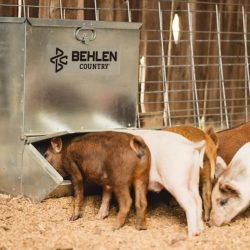
Pigs eating from a pig feeder

For small sized farmers, pig feeders must be tailored to fit not just the pigs’ needs, but also the unique constraints and opportunities of limited-scale operations. This means that feeders need to be durable, affordable, and adaptable to changes in herd size and feeding habits. A well-designed feeder will discourage feed spoilage and contamination, reduce the labor inputs required for feeding routines, and encourage the natural eating behaviors of pigs, effectively nurturing their well-being and growth rates.

As piglets mature into sows and boars, their feeding requirements evolve. Therefore, a feeder that accounts for this progression from the simplicity needed for young pigs to the robustness required for adults is indispensable. Furthermore, efficient feed conversion ratios are central to farm economies, driving the need for feeder designs that curtail the spilling and overeating that can lead to both waste and over-conditioned pigs. Understanding the multitude of pressures small-scale farmers face, the best feeder designs embrace sustainability and resource conservation, yet never compromise on delivering high-quality nutrition to the herd.

To identify the optimal feeder design for a particular farm context, it’s essential to consider the array of options available—ranging from the simplicity of a DIY wooden trough to the precision of automated dispensing systems. Examining how various designs align with farm goals, whether it’s reducing waste, saving time, improving herd health, or raising productivity, will ultimately guide small-scale farmers to the feeder best suited to their unique farming landscape.


Barn World Banner

Gravity-Flow Feeder Designs

Gravity-flow feeder designs are a popular choice among small-scale farmers for several reasons. These feeders utilize the natural force of gravity to deliver feed from a storage unit down into a feeding trough, where pigs can access their food. This method is considered to be efficient and reliable since it does not require any mechanical parts or electricity to function. One of the main advantages of gravity-flow feeders is that they can help reduce labor since there is less need for manual feeding—farmers can fill up the storage container, and the feed will continuously flow down as pigs consume it.

In addition, gravity-flow feeders are known for their durability and ease of maintenance. They are usually constructed with sturdy materials capable of withstanding the demanding environment of a pig enclosure. The design of these feeders often features fewer moving parts, which translates to less wear and tear and ultimately longer life. This is particularly important for small-scale farmers who are looking to make long-term investments in their feeding equipment without the constant need for repairs or replacements.

Among the best pig feeder designs for small-scale farmers, gravity-flow feeders stand out for their ability to minimize waste. The feed is dispensed in a controlled manner which can help to prevent overeating and also reduce the amount of feed that is spilled out of the trough and wasted. Many designs include adjustable flow settings so that farmers can regulate the amount of feed that is dispensed based on the age, size, and appetite of their pigs.

Furthermore, gravity-flow feeders are often designed with a focus on animal welfare. They allow all pigs to have equal access to food without competition, which can be important in maintaining a peaceful and stress-free environment within the herd. The feeders can be set up to provide continuous access to feed throughout the day, which mimics pigs’ natural grazing behavior and can contribute to improved animal health and growth rates.

However, small-scale farmers must take into consideration the size of their operation and the number of animals they have when choosing a gravity-flow feeder. It is essential to ensure that the capacity of the feeder matches the herd’s needs to avoid frequent refilling or, conversely, feed becoming stale if not consumed promptly.

In conclusion, gravity-flow feeder designs are an excellent choice for small-scale farmers looking for an efficient, durable, and waste-minimizing solution for feeding their pigs. Their simple yet effective design makes them a suitable option, helping small-scale operations to thrive by optimizing their feeding processes and ensuring the well-being of their livestock.

Pig Feeder Display

Trough and Individual Stall Feeder Systems

Trough and individual stall feeder systems are an integral part of modern pig farming, offering a high degree of control over feeding regimes and helping to minimize food aggression amongst pigs. In contrast to other feeders that allow for group feeding, individual stall feeders provide a separate eating space for each pig, which can be particularly beneficial in managing feeding for pigs that are being bred for specific purposes such as show, breeding or sale, or when trying to prevent bullying and ensure that each pig receives its fair share of feed.

Trough feeders are long containers that can serve multiple pigs at once. The design is relatively simple, consisting of a long container that holds the feed and allows pigs to eat side by side. These systems can be made from various materials such as metal, plastic, or concrete, and can be set at an appropriate height to suit the size of the pigs. Troughs are relatively easy to fill and clean, making them a practical choice for many small-scale farmers. However, it is essential to ensure that there is sufficient trough space for all pigs to avoid competition for feed, which can lead to bullying and injuries.

When focusing on the best pig feeder designs specifically for small-scale farmers, it is important to consider factors such as cost, ease of use, waste minimization, and the ability to protect food from the elements and vermin. Trough and individual stall feeder systems can offer an efficient solution. They make the feed available to pigs on demand, without the farmer having to be present at feeding times, and they can also be incorporated into automatic or semi-automatic feeding systems that deliver feed at scheduled intervals.

The design of the trough is typically elongated and can be installed at floor level or raised. Raised feeders can help to prevent contamination of the feed as pigs are less likely to foul the feed with dirt from their hooves or excrement. The length and width of the trough need to be proportionate to the number of pigs and their size to allow all animals to feed comfortably.

For small-scale farmers, simplicity and cost-effectiveness are crucial. Materials like wood and metal can be easily sourced and used to create a durable and functional trough. Individual stalls can also be constructed with these materials, but the complexity of the design is somewhat increased as each pig requires a designated stall. Moreover, farmers will need to consider individual access points, which can be managed through customizable gating systems that also facilitate the sorting and handling of pigs.

Overall, both trough feeders and individual stall feeding systems can be tailored to the specific needs of a small-scale farming operation. When designed thoughtfully, these feeders can contribute to improved animal welfare and optimized feed consumption, leading to better growth rates and potentially more profitable farming practices.

Waste-Minimizing Feeder Types

Waste-minimizing feeder types are essential in farming operations as they help reduce feed spillage and overfeeding, leading to a more cost-effective and environmentally sustainable practice. For small-scale farmers, minimizing waste is particularly critical given that feed costs can represent a significant portion of the operational expenses.

Feeders that are designed to minimize waste often include mechanisms that limit the amount of feed accessible at one time, thereby ensuring that pigs can only access and ingest what they can immediately consume. Some have adjustable feed flow controls, allowing the farmer to set the appropriate amount of feed dispensed based on the pigs’ age, size, and dietary needs.

A well-known waste-minimizing design is the wean-to-finish feeder, which is structured to accommodate pigs from their weaning stage to the finishing stage. This type of feeder usually features a hopper that stores feed and dispenses it into a trough where the pigs eat. Feeders may come equipped with agitators or restrictors to prevent the pigs from rooting out and wasting feed.

Implementing waste-minimizing feeder types has multiple benefits, including reducing feed competition among pigs and fostering a more hygienic eating environment, as excessive spillage can lead to the growth of bacteria and attract pests.

For small-scale farmers, these designs are crucial as they have a direct impact on the farm’s efficiency and profitability. By utilizing waste-minimizing feeders, small-scale farmers can ensure their pigs receive the optimal amount of nutrition without incurring unnecessary feed costs. Moreover, these feeders are often designed with durable materials to withstand the demands of an active pig population, further enhancing their cost-effectiveness.

When choosing the best pig feeder design, small-scale farmers should consider their specific management practices, the number of pigs being reared, and the pigs’ growth stages. The right feeder design contributes to a well-managed and profitable pig farming operation by encouraging healthy growth in pigs and reducing feed waste.

pig feeder up to market weight

DIY Versatile Feeding Troughs

DIY Versatile Feeding Troughs are an integral part of managing a small-scale pig farming operation. The essence of creating feeding troughs yourself is to cater to the specific needs of your pig herd while considering cost efficiency and practicality. Since small-scale farms often work with limited budgets, DIY feeders can significantly reduce expenses compared to purchasing commercial feeders.

One of the core advantages of DIY feeding troughs is their customizability. Farmers can design and construct feeders that best fit the size and number of pigs they have. By using locally available materials such as wood, metal, or even recycled plastics, farmers can create durable feeding troughs that stand up to the rigors of daily use. For instance, a wooden feeding trough can be made from old pallets, while metal barrels cut in half longitudinally can make sturdy, long-lasting feeders.

When considering the best pig feeder designs for small-scale farmers, it’s essential to consider factors such as ease of access for the pigs, ease of refilling, and minimizing feed wastage. A well-designed DIY feeder will allow pigs to eat comfortably without competing aggressively for food, which can happen when space is limited. Additionally, the feeder should be constructed to minimize spillage, as pigs are known to root and can easily waste feed by knocking it out of poorly designed troughs.

One popular design for a DIY feeder is a V-shaped trough, which reduces waste by funneling feed towards the center, making it easier for pigs to reach all of their food without spilling it outside the trough. Another effective design is a box feeder with several sections or ports that can accommodate multiple pigs at the same time, each having its own eating space.

For small-scale farmers, ease of cleaning is also an important aspect of feeder design. The trough should be simple to sanitize to maintain health standards and prevent diseases. A removable or hinged bottom can facilitate cleaning, ensuring that leftover food or debris can be easily removed.

Overall, DIY Versatile Feeding Troughs serve as a practical and economic solution for small-scale farmers. These customized feeders cater to the unique needs of the farm and adapt to the available resources, making them an ideal choice for managing a small herd efficiently and sustainably. Small-scale farmers can greatly benefit from implementing these types of feeders not only to reduce costs but also to enhance the feeding experience for their pigs, leading to better growth and overall animal welfare.


Barn World Banner

Automated Pig Feeder Innovations

Automatic pig feeder innovations represent a significant step forward in livestock farming, marrying technology with animal husbandry to optimize feeding processes. These feeders are especially crucial for small-scale farmers looking to improve efficiency and manage resources more effectively without incurring the substantial labor costs associated with larger operations.

At the heart of automated feeder systems is the ability to precisely control the amount and timing of feed that pigs receive, which leads to several compelling benefits. First, it can substantially alleviate the challenge of over or underfeeding, as the feeders dispense a pre-programmed amount of food at regular intervals. This precise rationing not only improves the animals’ health by providing consistent nutrition but also contributes to a more uniform growth rate across the herd.

Furthermore, modern automated feeders are often equipped with sophisticated software that can track the consumption patterns of individual pigs or groups. This data collection can be invaluable for the farmer, providing insights into the health and wellbeing of their livestock, and allowing for early detection of potential issues such as illness or declines in appetite. By addressing these concerns promptly, small-scale farmers can reduce the incidence of disease and improve overall herd health.

Another significant benefit is the reduction of waste. Automated systems can dispense feed in a way that minimizes spillage, a common issue with more traditional feeding methods. By reducing waste, farmers not only save on feed costs but also contribute to a cleaner and more hygienic feeding environment. This is crucial in managing the spread of disease and in maintaining a more sustainable farming practice.

Beyond these practical aspects, these state-of-the-art feeders also support the well-being of the pigs. They can regulate feed to suit different stages of growth and can be adjusted for different breeds or sizes of pigs, ensuring that the nutritional needs of every animal are met. This level of attention to detail leads to healthier animals and ultimately, to higher-quality pork products.

The best pig feeder designs for small-scale farmers are the ones that balance cost with efficiency, ease of use, and adaptability to the farm’s specific needs. Automated feeders are increasingly accessible and can be a worthy investment for small-scale farmers eager to optimize their operations and compete with larger producers. With constant improvements in technology and design, these innovative feeding solutions are set to become an integral part of the small-scale farming landscape. They not only offer streamlined feeding processes but also integrate data collection and analysis tools that support informed decision-making and proactive management of livestock health and nutrition.

Contact BarnWorld.com today!
(720) 238-2190  Sales@BarnWorld.com

Facebooktwitteryoutube

How to Use Pig Feeders to Support Sustainable Farm Practices

In the evolving landscape of contemporary agriculture, sustainability has emerged as an essential component, with farm practices increasingly aimed at balancing productivity with environmental stewardship. Within this context, pig feeders stand out as a tool that, when utilized effectively, can contribute significantly to the sustainability of pig farming. Harnessing effective feeding strategies is not merely about ensuring that swine have access to their daily dietary requirements; it’s also about reducing waste, maximizing feed conversion efficiency, and minimizing the environmental footprint of pig production operations.

The integral role pig feeders play in sustainable farm practices hinges on their ability to provide controlled and consistent access to feed, which, in turn, can help in optimizing the growth and health of the pigs while conserving resources. By ensuring that feed is delivered in a way that reduces spillage and is accessible to pigs of various sizes and breeds, farmers can curtail the feed wastage that often occurs in less managed systems. Additionally, by tailoring feeder designs to the specific behavioral patterns and needs of pigs, the stress and competition often associated with feeding times can be alleviated, leading to improved animal welfare—a key principle of sustainable agriculture.

Moreover, as the globe grapples with the challenges of climate change and finite resources, employing advanced pig feeders aligns with the broader goals of reducing the carbon footprint associated with feed production and transportation. By integrating modern technologies such as automated feeding systems and data-driven feed management, farmers can fine-tune their operations, track the efficiency of feed use, and make informed decisions that promote the wellbeing of their livestock while conserving environmental resources.

This approach to using pig feeders is not only conducive to better farm economics but also to the adoption of regenerative agricultural practices that support the longevity of farm ecosystems. Considering the increasing demand for environmentally friendly meat production, the implementation of pig feeders designed with sustainability in mind is becoming not just a matter of choice but a necessity for the future of farming. As we delve further into the mechanics and benefits of using pig feeders for sustainable farm practices, it is clear that this topic is crucial for both farmers seeking to modernize their operations and for a society committed to supporting ethical and sustainable food production.


Types of Pig Feeders Suitable for Sustainable Practices

Sustainable agriculture practices are crucial to ensure that farming remains viable and environmentally friendly for generations to come. When focusing on pig farming, the use of the right types of feeders is a key factor in achieving sustainability goals. Feeders play a pivotal role not just in the health and growth of the pigs, but also in the reduction of waste and the efficiency of resource use.

The first step in using pig feeders to support sustainable farm practices is to select the appropriate type of feeder for your specific operation. There are several types of pig feeders that are suitable for sustainable practices, such as automatic feeders, trough feeders, and free-access stall feeders. Automatic feeders are designed to dispense a predetermined amount of feed at regular intervals, which can minimize overfeeding and reduce feed waste. Trough feeders, especially those with adjustable barriers to prevent pigs from spilling feed, can also help in cutting down waste. Free-access stall feeders allow pigs to eat whenever they choose with less competition amongst them, which could reduce stress and contribute to better feed conversion rates.

In addition to selecting the right feeder, it is equally important to manage how feed is supplied. Implementing feeders that work with pelletized or crumbled feed can help reduce waste since these forms are less likely to be spilled and more easily ingested by the pigs. Furthermore, these types of feed are often more nutrient-dense, resulting in better feed efficiency.

Another aspect of using pig feeders to support sustainable practices is adjusting feeding schedules and portions based on the growth stages of the pigs. Younger pigs may require more frequent feeding with specialized diets, whereas older pigs may do well on less frequent feeding schedules. This can be managed effectively with programmable automatic feeders, ensuring that pigs receive the right amount of nutrients without excess that could lead to waste.

When it comes to constructing feeders, sustainable practices indicate a preference for durable materials that can withstand the rigorous demands of a pig farming environment. Stainless steel feeders, while an upfront investment, can last for many years without needing replacement. This cuts down on the production of waste and the need for frequent manufacturing of new equipment, aligning with sustainable principles.

Lastly, the best practices for sustainability in pig farming extend beyond just the feeders themselves. It involves incorporating locally sourced, renewable feed sources wherever possible, tracking feed conversion rates to monitor efficiency, and maintaining feeders to ensure they remain functional and efficient over time. By paying close attention to these details, farmers can use pig feeders to support sustainable practices that benefit not only their business but also the broader ecosystem and society as a whole.


Feed Management and Waste Reduction

Feed management and waste reduction are crucial components in the context of sustainable farming practices. When it comes to pig production, this involves strategies that optimize feed use and minimize waste, which, in turn, reduces the environmental footprint of the farm. Proper feed management seeks to ensure that pigs receive a balanced diet tailored to their specific growth stages, health needs, and production goals (such as breeding or meat production), which can help in reducing overfeeding and the resultant feed wastage.

Waste can occur in several forms – as uneaten feed that spoils or is scattered by the animals, or as nutrients that pass through the animals unabsorbed and are lost in manure. Efficient feed management necessitates a comprehensive approach that includes every step of the animal feeding process, from storage and handling of feed to its delivery and consumption by the pigs.

The use of well-designed pig feeders can play a pivotal role in supporting sustainable feed practices. To minimize waste, it’s essential to choose the right type of feeder: ones that dispense the appropriate amount of feed and protect the feed from the elements, pests, and contamination. Automated feeders can be programmed to provide precise quantities of feed at predetermined times, reducing overfeeding and the temptation for pigs to play with excess feed. Additionally, feeders can be equipped with adjustments to control the flow of feed, ensuring that as pigs grow and their appetites increase, the feed ration can be modified accordingly.

Beyond equipment, feeding strategies such as phase feeding—where the nutritional content of feed is adjusted to the pig’s growth stage—and precision feeding—a technique where the individual nutritional needs are met with the exact amount of feed—can further curb waste. These techniques not only contribute to reducing the amount of feed that goes unconsumed, but they also decrease nutrient runoff from manure, thereby minimizing the potential for environmental pollution.

Implementing feed management and waste reduction strategies through the use of advanced pig feeders supports sustainable farm practices by optimizing feed efficiency, cutting costs, and conserving resources. It helps to lessen the ecological impact by scaling down the overproduction of feed, decreasing feed spoilage, and reducing the nutrient load on the environment resulting from inefficient feeding practices. In essence, it forms a core aspect of responsible resource utilization that aligns with the larger goals of sustainable agriculture.


Incorporating Local and Renewable Feed Sources

Incorporating local and renewable feed sources is a crucial aspect of supporting sustainable farm practices, especially when it comes to pig feeding strategies. Sustainability in pig farming involves a systematic approach that reduces the environmental footprint, supports local economies, and maintains the welfare of the animals. One of the ways to achieve this is by choosing feed that is sourced locally and can be renewed without causing depletion or harm to the environment.

Local feed sources minimize the need for transportation, which in turn reduces greenhouse gas emissions. Sourcing feed locally can also support the local economy, and often these feeds are fresher and more nutritious due to the reduced time between harvest and consumption. Additionally, the use of renewable feed sources means utilizing materials that can be regrown or replenished naturally over time, such as certain grains, legumes, and grasses that can be cultivated and harvested regularly.

Farmers can incorporate by-products from the agricultural industry, such as bran, oilseed cakes, or even food waste from local sources, as feed. This not only reduces waste but also lowers the cost of feed since these by-products would otherwise not have economic value. However, it is crucial to ensure that these alternative feed sources are safe and do not contain substances that could be harmful to the pigs or to humans consuming pork products.

Another key aspect of using local and renewable feed is the adaptation of pig diets to seasonal availability. By planning for changes in available feed resources, farmers can maintain a sustainable and adaptable feeding strategy. Supporting local feed production can also lead to innovations in creating feed that is tailored to the nutritional needs of the pigs, leading to better health and potentially better yields.

When implementing local and renewable feed sources as a strategy, it’s essential to perform regular assessments to ensure that the pigs are receiving a balanced diet. This may require working with agricultural extension services or feed experts to determine the best combinations of feed for the particular breed and age of pigs being raised.

It should also be mentioned that while focusing on sustainability, farmers need to be mindful of the overall diet composition to ensure that all necessary nutrients are present. The growth, reproductive health, and overall well-being of the pigs must not be compromised in the quest for sustainable practices.

In summary, using local and renewable feed sources is a multifaceted approach that has the potential to enhance the sustainability of pig farming. By reducing transportation emissions, supporting local industries, minimizing waste, and ensuring a healthy diet for the livestock, farmers can make a significant contribution to a more sustainable agricultural future.


Enhancing Feed Efficiency and Conversion Rates

Enhancing feed efficiency and conversion rates in pigs is a crucial component of sustainable farming practices. Feed efficiency, often referred to as feed conversion ratio (FCR), is a measure of an animal’s ability to convert feed into body mass. A lower FCR indicates more efficient use of feed, as less feed is required to produce the same amount of growth.

One of the ways to enhance feed efficiency is through the selection of appropriate feeders that minimize waste and ensure that pigs have continuous access to fresh food. Well-designed pig feeders can help control the amount of feed that is dispensed and reduce the feed spillage that often occurs with less efficient models. This not only saves money by reducing feed costs but also limits the amount of uneaten feed that can spoil or contribute to the spread of disease.

Additionally, by using modern technology such as automatic feeders, farmers can more precisely manage feed portions and delivery times, thereby optimizing feed intake periods for pigs. These smart systems can monitor the feed consumed and adjust feeding schedules and amounts based on the pigs’ growth stages and health status. This personalized approach to feeding can significantly improve FCR by giving pigs the right amount of feed at the right time.

Feed formulation is another important factor in improving feed efficiency. The inclusion of highly digestible ingredients and supplements can enhance pigs’ growth and health, which in turn can result in better feed conversion. The use of enzymes, probiotics, and other feed additives can increase the nutritional value of the feed and the pigs’ ability to utilize the nutrients effectively.

In terms of supporting sustainable farm practices, efficient feed conversion directly contributes to reducing the environmental footprint of pig farming. With enhanced feed efficiency, the amount of feed required decreases, which means less land and fewer resources are needed to produce that feed. This can lead to a reduction in deforestation, less water usage, and decreased greenhouse gas emissions associated with feed production.

Furthermore, by optimizing feed efficiency, pig farmers can produce more meat with the same or fewer inputs, making the entire operation more sustainable. Lower feed consumption reduces the cost of production, and healthier, faster-growing animals decrease the time to market, providing economic benefits to farmers.

Overall, improved feed efficiency is a cornerstone of sustainable agriculture as it touches on economic, environmental, and social aspects of farming. Implementing advanced feeding technologies and scientifically formulated diets, along with proper feeder management, can lead to a more profitable and environmentally friendly pig production system.


Maintenance and Upkeep of Feeders for Long-Term Sustainability

Maintenance and upkeep of pig feeders are critical components to ensure their longevity and functionality, which directly supports sustainable farm practices. By routinely inspecting and maintaining the condition of pig feeders, farmers can extend the life of this equipment, thereby reducing waste and the need for frequent replacements. Proper maintenance also ensures that the feeders function optimally, which reduces feed spillage and waste.

The foundation of maintaining and upkeeping pig feeders is a regular cleaning schedule. Cleaning feeders help prevent the buildup of feed residues, which can attract pests and lead to the spread of diseases. Over time, dirt and debris can cause mechanical feeders to malfunction, or cause damage that might go unnoticed without regular inspection. Thus, ensuring that feeders are clean and in proper working order can help safeguard the health of the livestock and improve feed hygiene.

In addition to cleaning, farmers should perform routine functional checks on their pig feeders. This includes inspecting for signs of wear and tear, such as corrosion or damage to the feeder components. Replacing parts that are showing signs of deterioration before they fail helps in avoiding sudden disruption of the feeding process, which can stress the animals and impact their growth.

Sustainable farm practices will also benefit from farmers ensuring that pig feeders are correctly calibrated and adjusted for the size and age of the pigs. This customization minimizes overfeeding and underfeeding, allowing for more precise feed portioning and contributing to better feed conversion rates. By using feed efficiently, farms not only save on feed costs but also contribute to reducing the environmental impact of their operations.

Another aspect of sustainable practice via feeder maintenance and upkeep is the integration of innovative technologies, such as automated feeders that can be programmed and monitored for efficiency. These technologies often come with sensors and software that alert farmers to maintenance needs, thereby ensuring continuous operational functionality.

Ultimately, proactive and preventative maintenance and upkeep of pig feeders complement sustainable farming by balancing operational efficiency, animal health, and environmental stewardship. By attending to the condition of their feeding equipment, farmers can better manage their feed resources, reduce operating costs, and contribute to the long-term sustainability of their pig farming operations.
Facebooktwitteryoutube

Expert Roundup: Top Recommendations for Pig Feeder Brands

In the dynamic world of agricultural equipment, choosing the right pig feeder for your swine operations is a critical decision that can significantly impact the health of your animals and the efficiency of your production. The art of raising pigs demands attention to detail and a deep understanding of animals’ nutritional needs. As farmers and producers consistently strive to optimize feeding strategies, feed efficiency, and waste reduction, the selection of a reliable pig feeder can influence the daily routines in a piggery and ultimately play into the broader economics of the pork industry.

With numerous brands and models on the market, each with its distinct features and technologies, pinpointing the one that best aligns with your unique requirements necessitates more than a cursory glance at product listings. To help in this endeavor, an expert roundup serves as an invaluable resource, bringing together insights and experiences from seasoned professionals in the industry. Agronomists, veterinarians, and successful pig farmers weigh in with their top recommendations, providing a rare glimpse into the products that consistently deliver on quality, durability, and design.

This comprehensive gathering of expert opinions and firsthand testimonies offers a unique opportunity to evaluate various pig feeder brands through the lens of cumulative experience. Their shared wisdom points to standout features such as ease of cleaning, adjustability to different pig sizes, feed-saving mechanisms, and resilient construction materials. Such guidance can be especially enlightening for both newcomers to pig farming and veterans looking to revamp their feeding equipment.

Navigating through the landscape of pig feeder alternatives, our expert roundup aims to distill the essence of what makes each recommended brand a contender in the market. While certain brands may lead with innovative technology, others might shine due to their customer service and product longevity. Through this lens, we endeavor to provide a thorough examination of the top recommendations for pig feeder brands, giving readers the necessary jumping-off point to make a well-informed purchase decision that enhances their animals’ well-being and streamlines their day-to-day operations.


Criteria for Selecting High-Quality Pig Feeder Brands

Selecting the right pig feeder brand is essential for ensuring the health and growth of swine, streamlining the feeding process, and minimizing waste. High-quality pig feeders can make a substantial difference in the efficiency of a farm’s operations, and there are several criteria to consider when choosing the best brand.

The first criterion is the durability and robustness of the feeder. Given the environment in which the feeders will be used, the materials should be able to withstand rough usage by pigs and resistance to outdoor elements if used in exterior settings. Commonly, high-quality feeders are made of stainless steel, heavy-duty plastics, or reinforced composites. These materials extend the life of the feeder and decrease the frequency of replacements needed.

Secondly, the ease of cleaning and maintenance is a crucial factor in selecting a feeder brand. Feeders should be designed in such a way that they can be easily accessed, cleaned, and serviced without the need for specialized tools or extensive labor. This is not only important for functionality but for the health and hygiene of the pigs. Inefficient cleaning can lead to the build-up of bacteria and disease, which can spread quickly within the stock.

The third criterion is the adjustment and flow control mechanism efficiency. A well-designed feeder allows for precise adjustments so that pigs of different ages and sizes can access their feed without difficulty. It helps to minimize feed waste and ensures that each pig receives the proper amount of food. Some feeders come with innovative features such as adjustable flow rate to control the amount of feed dispensed, helping in managing food consumption and reducing waste.

Another important consideration is the design of the feeding system regarding the prevention of feed wastage. Feeders should have mechanisms in place that minimize the possibility of food being spilt or scattered outside the feeding area by the pigs. This not only saves on feed costs but also contributes to a cleaner pen area reducing the attraction of pests.

Finally, customer service and support provided by the feeder brand is also an important aspect. Reliable brands often offer excellent customer support, warranties, and replacement parts availability. This backing is crucial when dealing with the breakdown of equipment or when requiring guidance on the best use of their products.

In an Expert Roundup on the top recommendations for pig feeder brands, the consensus includes several well-reputed brands known for their quality and innovative designs. Often, these recommendations come from agricultural professionals or farmers who have extensive hands-on experience with the products in question. They might highlight the sturdiness of a feeder by brand ‘X’ or the exceptional customer service provided by brand ‘Y’. This practical feedback is invaluable for anyone in the market for new pig feeders.

When selecting a pig feeder brand, it is imperative to consider all these criteria to make a choice that will serve both the pigs and the farmer well. The ideal feeder should be durable, easy to maintain, adjustable, capable of minimizing feed wastage, and should be backed by reliable customer service. Taking into account these considerations along with guidance from expert roundups can lead to a well-informed and satisfactory investment in pig feeding equipment.


Industry Leading Pig Feeder Brands and Their Unique Features

When discussing the top performers in the pig feeder market, several names stand out due to their reputation for quality, innovative features, and the trust they have earned from swine producers around the world. These brands have distinguished themselves by understanding the nuanced demands of pig farming and by providing products that enhance efficiency, bolster growth rates, and maintain the health of the pigs.

Firstly, companies like Big Dutchman are known for their comprehensive range of feeding systems tailored for pigs at different stages of growth. They offer automatic dry feeders, liquid feeding systems, and even electronic sow feeding (ESF) systems that cater to the welfare of sows during breeding and gestation. These systems reduce feed wastage and are designed to ensure each animal receives the right amount of nutrition based on its specific requirements.

Another prominent brand in the space is Osborne Industries. They are recognized for pioneering the ACCU-ARM feeder, which employs advanced mechanical flow control to minimize waste and improve feed-to-gain ratios. Their feeders are also designed for durability and ease of management, incorporating materials that are not only tough and weather-resistant but also simple to clean, thus aiding in the maintenance of a hygienic environment for the livestock.

Roxell is yet another top contender, known for their Blu’Hox and Fast Start feeders. These devices are unique due to their adjustability and adaptability to different pig sizes and behaviors, which helps in promoting natural feeding patterns and reducing stress among the pig herd. Roxell’s commitment to quality materials ensures longevity, even under the harsh conditions of a pig barn.

Additionally, PigTek’s Chore-Time brand delivers versatile feeding options with its line of innovative feeders that encourage optimal eating behaviors and growth. Their easy-to-adjust feed systems are a hit among farmers who prioritize flexibility and control over feeding patterns.

Each of these top brands has taken unique approaches to addressing the challenges of pig feeding. They’ve incorporated durable materials, adjustable feeding mechanisms, and smart designs that provide economic benefits for farmers while paying close attention to the health and welfare of the animals. By investing in research and development, these industry leaders continue to refine their offerings, ensuring that the farming community receives the best possible products to meet their ever-evolving needs.

For an Expert Roundup, professionals in the field would likely confirm the significance of these features and advise on what to look for based on specific farm requirements. They would possibly highlight the importance of ease of cleaning to prevent disease, the flexibility to cater to different breeds or sizes of pigs, and the resilience of the construction in the face of demanding farm environments. Moreover, they might also suggest paying attention to customer service and parts availability as essential factors when selecting among top pig feeder brands.


Cost-Efficiency and Durability in Pig Feeder Brands

When considering pig feeders for a farming operation, two key factors often come into play: cost-efficiency and durability. It is essential for farmers to invest in feeders that not only fit within their budget but also withstand the rigors of daily use in harsh farm environments. Cost-efficiency does not merely refer to the upfront cost of the feeder; it also encompasses the long-term savings through reduced feed waste, lower maintenance requirements, and longevity of the equipment.

Durability is a critical attribute because pig feeders encounter a great deal of abuse from the animals and exposure to the elements. A durable pig feeder is typically constructed from high-quality materials such as heavy-duty plastics or stainless steel that can resist corrosion, physical damage, and wear from pigs’ feeding habits. Additionally, robust construction means that the feeders are less likely to break or require frequent repair, which can disrupt the feeding schedule and contribute to increased operational downtime.

Expert Roundup: Top Recommendations for Pig Feeder Brands

To ensure that swine operations benefit from cost-efficiency and durability, it is recommended to consider feeders from reputable brands that embody these qualities.

1. Osborne Industries is renowned for offering a range of feeders that include their ACCU-ARM® feeders which are known for precise feed control and reduction of waste. The build quality of Osborne’s feeders also means they are designed to last, offering the durability that farmers expect.

2. Chore-Time is another trusted name in the market, known for their innovation and efficient designs. Their PigTek® Pig Equipment Group offers a variety of feeder solutions that can cater to different stages of growth, from wean-to-finish operations. These feeders are praised for their ease of use and long service life.

3. Big Dutchman provides a line of pig feeding systems that are recognized for their durability and smart designs, which optimize the feed conversion ratio, thereby contributing to cost-efficiency. The variety of feeding systems they offer allows for a customizable approach to meet specific farming needs.

4. Rotecna is a brand that specializes in swine equipment and is known for its simple yet robust feeder designs. Their use of high-quality plastics in some of their products, like the Swing R3 feeder, ensures durability while being lightweight and easy to handle.

In summary, when selecting pig feeder brands, it is crucial to opt for ones that deliver both cost-efficiency and durability. The investment in a high-quality feeder pays off in the long term through reduced feed waste, minimal maintenance, and fewer replacements. Brands like Osborne Industries, Chore-Time, Big Dutchman, and Rotecna stand out in the industry for their dedication to these principles. By choosing wisely, farmers can improve their operational efficiency and ensure that their pigs are nourished in a sustainable and economical manner.


User Reviews and Farmer Testimonials on Pig Feeder Performance

When it comes to the success of agricultural endeavors, particularly in swine husbandry, the direct experiences of farmers and the user reviews they provide are invaluable resources. The performance of pig feeders as evaluated by users, which comprises item 4 on the numbered list, is a critical aspect to consider when evaluating and selecting the appropriate equipment for swine operations.

User reviews and farmer testimonials offer genuine insights into the functionality and effectiveness of pig feeders in real-world scenarios. These firsthand accounts help to paint a clear picture of how different feeders cope with the daily demands of a pig farming operation. Often, farmers will comment on aspects such as ease of use, the robustness of materials, how accessible the feed is for pigs of different sizes and ages, and how the feeders stand up to the environmental conditions they are subjected to.

In an expert roundup discussing the top recommendations for pig feeder brands, user reviews and testimonials would likely play an integral role. These expert roundups tend to synthesize professional opinions with empirical data derived from user feedback, creating a comprehensive overview of the market offerings. Farmers are interested in feeders that not only come from reputable brands but have also proven themselves through peer experiences.

Such expert roundups will emphasize brands that have consistently received positive feedback from users. Key qualities that might be highlighted include the feeders’ ability to minimize waste, the longevity of the product, and features that facilitate easier management of feeding regimes. User reviews can also shed light on the ease of cleaning and maintaining the feeders, an essential factor for biosecurity and animal health considerations.

The reliability of feeders is another crucial factor pointed out in testimonials, as any equipment failures can lead to feeding interruptions and potentially impact the growth rate and health of the pigs. Whether users are reporting from small family-run farms or large industrial operations, their collective experiences can attest to which brands are leading the way in delivering quality and performance.

Ultimately, user reviews and farmer testimonials offer a rich, qualitative understanding that complements quantitative metrics, allowing potential buyers to make informed decisions based on the collective wisdom of their community. When looking for the best pig feeder brands, taking into account the voice of the farming community through such testimonials is a step towards ensuring the optimisation of both animal welfare and operational efficiency.


Innovation and Design Advancements in Contemporary Pig Feeders

In the world of pig farming, optimizing feed efficiency and reducing waste are paramount considerations. This is where the innovation and design advancements in contemporary pig feeders come into play. In recent years, there has been a significant evolution in pig feeder design to maximize these efficiencies and improve overall farm productivity.

One of the notable innovations has been the development of precision feeding systems, which are designed to dispense the exact amount of feed required by each pig, adjusted for its individual needs and growth stage. These systems use sophisticated sensors and algorithms to monitor the amount of feed consumed and adjust portions in real-time, significantly improving feed conversion ratios.

Moreover, the design of feeders has increasingly focused on reducing feed wastage. This is achieved through features such as trough dividers that discourage rooting and spilling of feed, and feed dispensing mechanisms that minimize the amount of feed that falls to the ground where it cannot be consumed.

Advancements in materials technology have also been crucial. Newer feeders are often made from more durable, corrosion-resistant materials like stainless steel or high-grade plastics, which extend the life of the equipment and maintain a cleaner feeding environment. The use of such materials can also improve hygiene, preventing the buildup of harmful pathogens.

Contemporary feeders may also come with integrated environmental controls, providing pigs with not just food, but also the necessary conditions for optimal growth, such as suitable temperature and humidity, and even regulated lighting systems. This holistically designed environment further supports the well-being and performance of the pigs.

In the realm of an expert roundup, top recommendations for pig feeder brands often revolve around those that lead in innovation and sustainability. Brands that stay ahead of the curve in terms of technological advancements tend to receive accolades from industry experts. Brands leading in innovation often offer feeders that can be easily integrated with farm management software, enabling farmers to monitor and manage their pigs’ feeding programs more effectively and sustainably.

To conclude, the latest design improvements in pig feeders focus on producing highly efficient, durable, and intelligent systems that support better growth environments and health for pigs, while also helping farmers to maintain economic and environmental sustainability. The leading brands in the market are those that recognize these needs and respond with innovative solutions that set them apart from their competitors. These are the brands that dominate recommendations from experts in the pig farming industry.
Facebooktwitteryoutube

Why Your Next Pig Feeder Should Be Mobile: Benefits and Tips

In the ever-evolving landscape of agricultural practices, farmers are continuously adapting to maximize efficiency and productivity. One innovation gaining traction in the realm of swine management is the use of mobile pig feeders. These versatile feeding solutions offer remarkable advantages over traditional stationary models, streamlining the feeding process while catering to the dynamic needs of a growing hog operation. With their adaptability to different environments and conditions, mobile pig feeders are changing the way farmers approach the critical task of nourishing their livestock.

Embracing a mobile pig feeder as part of your livestock feeding arsenal opens the door to a suite of benefits. Not only do they afford you the ability to easily relocate the feeder to where it’s most needed, but they can also help reduce labor costs, improve feed efficiency, and enhance pasture management practices. By fostering a more natural foraging environment, mobile feeders can contribute to improved animal health and welfare, which in turn can lead to better growth rates and overall productivity.

Before making the transition to a mobile pig feeder, it’s vital to consider various factors to ensure you are choosing the right equipment for your specific needs. From selecting a feeder that’s durable and weather-resistant, to considering the capacity and ease of movement, every detail counts in optimizing the benefits of your investment. In this comprehensive overview, we’ll explore the numerous advantages of mobile pig feeders and offer practical tips to help you make the most informed decision for your swine operation, ensuring that your next pig feeder is not just a purchase, but a pivotal move towards agricultural advancement.


Enhanced Feeding Efficiency

When it comes to modern swine production, efficiency is a key element for success. Enhanced feeding efficiency stands out as a critical component that can significantly impact the productivity and profitability of a pig farming operation. But why exactly should your next pig feeder be mobile to improve this efficiency?

A mobile pig feeder offers numerous benefits that directly contribute to enhanced feeding efficiency. Firstly, it allows for feeding to be practiced at various locations within the farm, encouraging pigs to exercise as they move to feed, which is beneficial to their health. Also, with a mobile feeder, it’s easier to manage feed consumption as it can be moved away once pigs have eaten the appropriate amount, helping to prevent overfeeding.

Moreover, mobile feeders simplify the distribution of feed. They can be filled and transported efficiently to the pigs, saving time and labor costs compared to stationary feeders, which may require manual distribution of feed or complex systems to ensure feed reaches all animals. Thus, feed can be distributed more evenly and accessibly, ensuring that all pigs receive the right amount of feed.

Another significant aspect of mobile feeders is the potential for better feed conversion ratios (FCRs). Since the feed can be protected and served fresh with reduced contamination from environmental factors or pests, pigs are more likely to consume their meals with greater enthusiasm, leading to improved FCR and faster growth rates.

Lastly, utilizing a mobile feeder aligns well with rotational grazing practices or when managing pigs on pasture. Being able to move the feeder with the pigs helps in efficiently utilizing pasture resources and ensures that pigs get fresh grazing areas, which can contribute to the overall health of the land and the livestock.

In summary, incorporating a mobile pig feeder into your operation can substantially improve feeding efficiency by offering flexibility in feed distribution, reducing waste, improving feed conversion, and supporting animal health and pasture management. When choosing a mobile feeder, consider factors such as durability, capacity, ease of mobility, and ease of cleaning. With these tips in mind, you can make a well-informed decision that benefits both your pigs and your bottom line.


Improved Livestock Health and Welfare

The concept of enhanced livestock health and welfare is closely tied to the quality and methods of feeding within any agricultural operation. With mobile pig feeders, this goal is pursued by ensuring a consistent, fresh, and easily accessible food supply. Feeding is one of the fundamental aspects of animal husbandry that directly impacts animal growth, productivity, and well-being.

Mobile pig feeders are designed to reduce the contamination of feed which can occur in static feeding systems. By reducing exposure to ground bacteria, parasites, and waste, which could be present around stationary feeders, the risk of disease transmission diminishes significantly. These mobile units can be cleaned and moved to different locations, contributing to better hygiene and health for the pigs.

Additionally, mobile feeders allow for feed distribution to be dispersed over a larger area. This can reduce competition and aggression among pigs at feeding times, as dominant individuals may be less able to monopolize the feeder when it is consistently moved. Subsequently, this can lead to a more uniform food intake among the herd and therefore improve overall health and growth patterns.

Mobile pig feeders are also beneficial in encouraging natural foraging behavior, which is crucial for the mental health of pigs. These intelligent animals need engagement and stimulation to maintain robust mental health. A mobile system typically allows pigs to exhibit rooting behaviors and forge not only for the feed itself but also interact more naturally with their environment.

When considering the transition to a mobile pig feeder, a few essential tips should be heeded to maximize their benefits. Firstly, ensure the feeder is durable and designed to withstand a pig’s natural behavior, such as rooting and nudging. It also needs to be easily transportable—a feeder that is too heavy or cumbersome defeats its purpose.

Furthermore, attention should be given to the feeder’s design to allow for equal access from all sides, preventing the formation of a hierarchy at feeding times. The capacity of the feeder should be appropriate for the size of the herd, and it must allow for easy adjustment of feeding rates to manage food intake and growth rates adequately.

Finally, make sure the mobile feeder is weather-resistant or can be adapted to various climates, as pigs will need to be fed regardless of the weather. Considering these factors will aid in securing improved livestock health and continues to bolster the welfare of the herd while fostering efficient farming practices.


Cost Savings Through Reduced Waste

Cost savings through reduced waste are a significant consideration for any livestock management system, particularly in the context of pig farming. Efficient use of resources is not only an economic concern but also an environmental one. When a pig feeder is mobile, it can offer substantial cost savings by minimizing the amount of feed that is wasted.

In traditional stationary pig feeding systems, feed can be easily wasted due to overfilling, spillage, or spoilage. Feed may also become contaminated by pests or by the pigs themselves, leading to further waste. Mobile feeders help mitigate these issues in several ways. First, they can be moved to clean, dry locations, decreasing the likelihood of feed becoming spoiled by damp or contaminated ground. Additionally, some mobile feeders are designed with mechanisms that limit the amount of feed accessible at any one time, which can prevent overfeeding and spillage. This ensures that pigs consume what is dispensed, rather than wasting it.

Moreover, mobile pig feeders can be moved to spread the pigs’ impact across a wider area, which helps to reduce the environmental footprint of the feeding process. This is because the ground around the feeding area is given time to recover, and waste is not concentrated in a single location. Additionally, mobile feeders can be adjusted or moved to accommodate different group sizes or ages of pigs, ensuring that feed is not squandered on empty or overstocked feeding areas.

When considering the implementation of mobile pig feeders, there are a few tips to take into account:

1. Ensure the feeder is sturdy and durable to withstand the environment and the behavior of the pigs.
2. Choose a design that allows for easy adjustment of feed flow, to cater to the specific needs of different pig groups and sizes.
3. Opt for a feeder that is easy to clean and maintain, to prevent diseases and to keep the feed as fresh as possible.
4. Consider the mobility mechanism of the feeder, whether it’s wheels, skids, or towing capability, to ensure it fits the terrain of your farm.
5. Train your pigs to use the mobile feeder gradually, to minimize resistance and stress.

In conclusion, mobile pig feeders play a crucial role in achieving cost savings through reduced waste. By improving the control over feed supply, preserving the quality of feed, reducing environmental degradation, and ensuring that the feeding process is as efficient as possible, mobile feeders are a smart investment for farmers looking to enhance their operational efficiency and profitability.


Flexibility and Time Management

In the realm of animal husbandry, effectively managing time and ensuring flexibility in operations is as crucial as any direct care activity. This is where item 4, “Flexibility and Time Management,” becomes especially significant. When it comes to feeding practices, adopting a mobile feeder can greatly contribute to the flexibility and efficiency of farm operations, notably for swine producers.

Mobile pig feeders bring considerable advantages related to flexibility and time management. Firstly, mobile feeders can be easily moved to different locations, making it ideal for farms that practice rotational grazing or have multiple feeding sites. This reduces the need to establish permanent feeding stations, which might be restrictive and less efficient as the needs of the farm change over time. Moving feeders also prevents soil compaction and nutrient overload in one area, which can be detrimental to the environment and pasture health.

Furthermore, using mobile feeders helps in better time management as they are designed to be convenient and lessen labor requirements. For instance, farmers can transport a large quantity of feed at once and distribute it over different areas without the need to refill as often as they would with stationary feeders. This leads to a reduction in the time spent on daily feeding-related tasks, allowing farmers to allocate that time towards other important activities that require their attention on the farm.

When considering the transition to a mobile pig feeder, there are several benefits and tips to keep in mind. The mobility offers an optimization of feed placement according to environmental conditions and pig behavior patterns. This helps to reduce the feed spoilage that typically occurs when a stationary feeder is exposed to adverse weather or when it is inaccessible to the pigs due to muddied or overused surroundings.

It is also pertinent to choose the right design that ensures ease of movement and stability. Heavy-duty wheels and robust materials are fundamental in withstanding the outdoor conditions and the inevitable wear and tear that comes with being frequently moved. Consider the size of your herd as well; the feeder should be proportionate to your livestock population to avoid overcrowding and ensure that all animals have equal access to food.

In addition, make sure the mobile feeder is designed to minimize feed waste. Features such as adjustable flow rates, feed-saving lips, and a solid construction that prevents tipping or spillage can greatly increase the efficiency of your feeding regimen and cut down on wasted feed.

Lastly, do not overlook the potential for mobile feeders to be a part of a more automated feeding system. With advances in technology, some mobile feeders can be equipped with timers or remotely controlled dispensers that further optimize feeding schedules and save time, which is of great essence in the daily operations of modern farming.

In summary, transitioning to a mobile pig feeder system is a strategic move towards enhancing time management and operational flexibility on the farm. It provides a practical solution by balancing the efficiency of feeding processes with the ever-changing dynamics of pig farming.


Adaptability to Different Farming Systems

Adaptability is a highly valuable feature in farming equipment, and this is particularly evident when it comes to pig feeders. A mobile pig feeder offers a level of adaptability that is well-suited to various farming systems, which is crucial in a sector that sees a wide range of production methods due to differing geographical, economic, and climatic conditions.

Firstly, mobile pig feeders are easily repositionable which means they can be moved from indoors to outdoors or between paddocks depending on the specific farming system in place. This is beneficial for those who practice rotational grazing or have different enclosures for pigs at various stages of growth. As the demands of the farm change, be it seasonally or through expansion, the mobile pig feeder can be efficiently adjusted to new environments without the need for additional infrastructure.

Secondly, mobile pig feeders allow for adaptation in feeding practices. Different systems may require different feeding regimes, and with a mobile feeder, the distribution of feed can be controlled and altered as needed. This can be particularly useful in systems that aim to mimic natural foraging behaviors, as feeders can be moved to encourage exploration and exercise.

Moreover, these feeders can accommodate diverse diet requirements. Farms that vary the type of feed or supplement regimes will find a mobile feeder particularly useful for testing new feeds or for the inclusion of forages and other natural feedstuffs that may vary by season or availability.

The versatility of mobile pig feeders also encompasses ease of use and maintenance. These feeders are typically designed to be simple to fill, clean, and repair, which is indispensable across different farming systems where time and labor savings are imperative. Additionally, they can be designed to withstand various weather conditions and can be adjusted to protect feed from elements, further enhancing their adaptability to different environments.

Lastly, the ability to transport a mobile feeder can mean that it serves multiple purposes even beyond feeding. It can be a tool for herd management, allowing for the movement of groups of pigs during relocations or pen maintenance operations, or it can act as a focal point for the animals in a large pasture system, ensuring they return to a central spot for daily checks.

In sum, the adaptability of mobile pig feeders to different farming systems is invaluable. Providing flexibility in feeder placement and feeding regimes, along with ease of maintenance, enhances overall efficiency and can lead to better livestock management. Farmers considering new feeding solutions should weigh the many advantages a mobile feeder can bring to their operation, ensuring they select equipment that will serve their immediate needs while also accommodating future changes and growth.
Facebooktwitteryoutube

The Farmer’s Guide to Eco-Friendly Pig Feeders

In the ever-evolving world of agriculture, the importance of sustainability shapes the practices of the conscientious farmer. Amid these practices, the focus on feeding livestock in an eco-friendly manner has gained significant traction, with pig farmers at the forefront of this movement. Pigs, known for their hearty appetites and significant impact on their environment, require innovative feeding solutions that promote health, waste reduction, and environmental harmony.

The pursuit of eco-friendly pig feeders represents a key intersection between agricultural productivity and environmental stewardship. It demands a thorough understanding of pig nutrition, natural behavior, and the ecological implications of feeding systems. By employing such feeders, farmers are not only ensuring the wellbeing of their swine but are also contributing to a reduction in their carbon footprint, fostering biodiversity, and minimizing the overuse of resources.

Smart design choices in feeders can curtail food wastage, while the selection of sustainable feed ingredients supports local ecosystems and reduces reliance on industrially produced feeds that often come with a heavy environmental tax. In this guide to eco-friendly pig feeders, we delve into the multiple aspects that define sustainable pig feeding systems, from robust and resource-efficient feeders that withstand the test of time to the kind of nourishment that bolsters the pigs’ health in a natural way.

Farmers armed with this knowledge can ensure that their pigs are not just well-fed but are also agents in a larger scheme that promotes a healthier planet. The implementation of environmentally conscious methods in the realm of pig farming epitomizes the delicate balance between modern agricultural demands and the imperative for ecological responsibility. Through incremental changes and adoption of eco-friendly feeders, the path to a greener future becomes clear, marking a pivotal step forward in humane and sustainable animal rearing.


Principles of Eco-Friendliness in Pig Feeding

The principles of eco-friendliness in pig feeding are rooted in the broad concept of sustainability, which aims to meet the needs of the present without compromising the ability of future generations to meet their own needs. In the context of pig feeding, this can be achieved through a variety of practices that reduce environmental impact, promote animal health and welfare, and utilize resources efficiently.

One fundamental aspect is the reduction of the carbon footprint associated with pig feeding practices. This involves the use of feeds that require less energy and resources to produce. For example, incorporating by-products from the human food industry, such as brewers’ grains or vegetable remnants, into pig diets can significantly decrease reliance on conventional, resource-intensive feedstuffs like corn and soy.

Another principle is the conservation of natural resources, including water. Water use efficiency can be improved by implementing recycling systems or using drinkers that minimize waste. Additionally, protecting water quality is a key concern; manure management practices must be careful to prevent runoff that could lead to eutrophication of water bodies.

Minimizing the use of chemicals and antibiotics through proper nutrition and management is also crucial for eco-friendly pig feeding. Providing a balanced diet tailored to the pigs’ physiological needs can bolster their immune system and reduce the necessity for medicinal intervention. Improved animal health and welfare not only align with ethical standards but also enhance productivity and reduce environmental burden.

Biodiversity protection is another salient point, where feed ingredients are sourced from ecologically responsible systems that do not result in habitat destruction or excessive use of pesticides and fertilizers.

When considering “The Farmer’s Guide to Eco-Friendly Pig Feeders,” such a guide would likely cover these principles in depth, offering practical advice on how to implement eco-friendly practices. It would likely include information on selecting feeders made from sustainable materials, design features that minimize feed waste, and guidelines on cleaning and maintenance to prevent disease without excessive use of disinfectants. Moreover, the guide would underscore the importance of integrating feeders into a holistic approach to sustainable pig farming, which includes not only the feeders themselves but also the origin and composition of the feed, the health and well-being of the animals, and the overall ecological footprint of the pig production system.

In essence, the principles of eco-friendliness in pig feeding and the guidance on eco-friendly feeders are interwoven aspects of a comprehensive approach to sustainable agriculture. They reflect a commitment to stewardship of the environment, animal care, and resource management, with the ultimate goal of producing pork in a way that is healthy for both consumers and the planet.


Design and Materials for Sustainable Pig Feeders

Design and materials are critical aspects of developing sustainable pig feeders, which play a substantial role in promoting eco-friendly pig farming practices. Sustainable pig feeder design involves creating feeding systems that minimize waste and maximize efficiency without causing harm to the environment or the animals themselves. The primary goal is to ensure that the feeders contribute to a sustainable agricultural cycle by being durable, reducing feed wastage, and being manufactured from environment-friendly or recyclable materials.

The design of sustainable pig feeders should incorporate features such as adjustable feed flow mechanisms to prevent overfeeding and subsequent waste. For instance, some feeders are designed with a mechanism that allows pigs to control the amount of feed they consume based on their needs, thus reducing spillage. Additionally, these feeders may incorporate trough designs that are suited to the specific eating behaviors of pigs to further decrease waste.

Materials used to construct sustainable pig feeders are another crucial factor. Traditionally, metal and plastic have been the materials of choice due to their durability and ease of cleaning. However, when considering environmental impact, it is essential to select materials that have a lower carbon footprint. Recyclable materials like certain plastics or metals, or even sustainably sourced wood, can be excellent choices for reducing the overall environmental impact. Moreover, using locally sourced materials can decrease transportation emissions contributing to the sustainability of the feeders.

In relation to “The Farmer’s Guide to Eco-Friendly Pig Feeders,” significant emphasis would be on educating farmers on the best practices for selecting, designing, or even constructing their pig feeders to align with eco-friendly principles. This guide would likely provide insights into the latest sustainable materials and technologies available for feeder construction, offering examples of innovative designs that optimize feed usage and minimize waste. It would also cover proper maintenance practices to extend the life of feeders and the importance of sourcing materials that do not adversely affect the pig’s health or the environment.

Furthermore, the guide could showcase case studies from successful eco-friendly pig farms, illustrating how effective feeder designs have contributed to their sustainability goals. By applying the guidance on design and materials for sustainable pig feeders, farmers can make informed decisions that lead to more efficient feeding practices, cost savings, and a reduced ecological footprint, thus promoting a more sustainable future for the pig farming industry.


Management of Waste and By-Products in Pig Feeding

Managing waste and by-products in pig feeding is a key area of focus for farmers seeking to embrace more eco-friendly and sustainable practices. This aspect of pig farming involves a range of strategies and technologies aimed at reducing the environmental impact of pig waste, as well as utilizing by-products that would otherwise contribute to industrial pollution.

One of the primary considerations in managing pig waste is the proper handling and processing of manure. When manure is not managed correctly, it can lead to the contamination of water sources, emission of greenhouse gases such as methane, and can contribute to the spread of pathogens. To mitigate these issues, an increasing number of farmers are adopting eco-friendly manure management techniques such as composting, which turns waste into nutrient-rich fertilizer that can be used to improve soil health, or anaerobic digestion, which breaks down the waste to produce biogas—a renewable energy source.

The innovative use of waste and by-products goes beyond managing manure. For example, food waste and agricultural by-products can be repurposed as pig feed, thus reducing the costs associated with commercial feed and minimizing food waste. This practice is not only economical but also environmentally responsible, as it reduces the demand for new crops to be grown for feed, conserving resources and reducing carbon emissions associated with agriculture.

In the context of “The Farmer’s Guide to Eco-Friendly Pig Feeders,” the management of waste and by-products is likely to be a significant topic. This guide would provide farmers with detailed information on how to design and utilize feeders that minimize waste, incorporate the use of by-products safely and effectively, and ensure that the feeding process itself does not lead to unnecessary environmental degradation. Such a guide would also likely discuss the importance of closed-loop systems in pig farming, where the output (in this case, waste) is recycled and used as an input (for example, as compost or feed) within the farming operation, thereby creating a more sustainable and circular system.

Furthermore, the guide would address how equipment choices and maintenance protocols contribute to managing waste and by-products efficiently. Ensuring that feeders are designed to minimize spillage, and that they are made from durable, non-toxic materials that have a long life and can be recycled, is crucial in establishing a sustainable pig feeding system. Proper training for farm workers on the best practices for feeder use and waste handling is also an essential element in the successful implementation of an eco-friendly pig feeding program.

Overall, the proper management of waste and by-products in pig feeding is a multifaceted endeavor requiring attention to detail, embracing of new technologies, and a commitment to sustainable farming practices. Doing so not only benefits the environment but also improves the profitability and efficiency of pig farming operations.


Local Sourcing and Production of Pig Feed

Local sourcing and production of pig feed encompass the practices that encourage the procurement and production of feed ingredients close to the location where the pigs are raised. This approach to pig feeding aligns with sustainable agriculture principles that aim to reduce the carbon footprint associated with transportation, support the local economy, and ensure the freshness and quality of the feed.

By sourcing feed locally, farmers can minimize transport-related emissions, a significant contributor to global greenhouse gases. Moreover, local sourcing often involves the use of feedstuffs that are well-adapted to the regional agricultural conditions, allow for the efficient use of local resources, and can help to maintain local biodiversity. For instance, farmers can utilize crop residues like straw or fodder from nearby fields, or they can grow specific crops like barley, corn, or legumes dedicated to pig feed within their own operations or local community. These practices are not only eco-friendly but also can result in nutrient-rich, natural feed that is beneficial for pig health and growth.

In addition to environmental advantages, local feed production can bolster the surrounding community by creating demand for local agricultural products and by-products that might otherwise be discarded. This, in turn, can contribute to a circular economy within the agricultural sector where waste is minimized, and resources are optimally utilized.

Regarding eco-friendly pig feeding, “The Farmer’s Guide to Eco-Friendly Pig Feeders” is likely an educational resource that informs farmers about best practices for feeding pigs in a way that is both sustainable for the environment and effective for pig nutrition. It could cover various topics such as the design and construction of feeders that reduce waste, the use of recyclable or biodegradable materials, and strategies for efficient feed distribution and consumption.

This guide might contain insights into how farmers can design feeders to accommodate locally sourced feeds, which might have different physical properties than commercial feeds. For example, it may recommend specific feeder types that help pigs to access and consume naturally produced feeds more easily, or it could discuss the implementation of feeding systems that are adaptable to the seasonal availability of local ingredients. By aligning feeder design with the principles of local feed sourcing and production, farmers can further improve the sustainability of their pig feeding practices.

Overall, the local sourcing and production of pig feed, combined with eco-friendly feeder design and management as described in “The Farmer’s Guide to Eco-Friendly Pig Feeders,” represent important steps toward the development of a more sustainable and self-reliant agriculture that takes into account the well-being of animals, ecosystems, and local communities.


Monitoring and Improving Feed Efficiency

Monitoring and improving feed efficiency is a critical aspect of maintaining an eco-friendly and sustainable pig farming operation. This process involves investigating and optimising various factors that contribute to how well pigs convert their feed into body mass. A crucial element of this is ensuring that the nutritional content of the feed is well-matched to the pigs’ growth stages and health requirements, thus preventing over- or under-feeding, which can lead to waste and increased environmental impact.

Techniques for improving feed efficiency include the precise formulation of diets, regular assessment of pig growth and health, and adjustments in feed types and quantities to minimize waste. Some methods involve using modern technology such as sensors and software for monitoring pigs’ intake habits, their weight gain, and adjusting the feed accordingly.

Moreover, the concept of feed efficiency ties in directly with the principles outlined in “The Farmer’s Guide to Eco-Friendly Pig Feeders”, as it explores the implications of using feeders that reduce waste, deliver feed effectively, and mitigate environmental impacts. Eco-friendly pig feeders are designed to minimize the feed spillage and wastage. Systems that allow for controlled dispensing of feed and those that permit pigs to access the feed without spoiling it are essential. The guide also may emphasize the importance of using materials that have a low environmental footprint and feeders that can be easily cleaned and maintained to ensure the feed’s quality.

Furthermore, the guide may delve into the use of alternative and sustainable feed sources which can be more efficiently converted into protein by pigs, such as by-products of other agricultural processes or insects. Combined with proper feeder designs, these alternative feeds can play a significant role in overall feed efficiency improvements.

The goal of all these combined strategies is to create a more sustainable, eco-friendly system where feed is utilized most efficiently to produce pork, thereby reducing the farm’s carbon footprint and contributing to more sustainable food production practices. This not only benefits the environment but can also lead to cost savings for the farmer and contribute to a more stable and productive pig farming industry.
Facebooktwitteryoutube

Case Study: How Upgrading to Modern Pig Feeders Boosted Farm Productivity

In the world of livestock farming, efficiency and productivity are pivotal to profitability. As the agricultural sector continues to evolve, innovative technologies and practices emerge, offering farmers opportunities to enhance their operations. One such advancement in the swine industry is the adoption of modern pig feeders. This case study delves into the transformative impact of upgrading to cutting-edge feeding systems within a commercial pig farming setup.

The meticulous investigation centers around a mid-sized pig farm grappling with outdated feeding methodologies that constrained growth and hampered efficiency. With the global demand for pork rising, stagnant productivity was not just a setback—it represented a risk to the farm’s future viability. The decision to implement modern pig feeders was a strategic move aimed at addressing several challenges, including feed wastage, uneven growth rates among the swine, and excessive labor costs associated with traditional feeding methods.

The transition to a modern feeding system was marked by an initial investment in state-of-the-art feeders designed to dispense the optimal amount of feed at the right times, thus promoting better feed conversion rates and uniform growth. It also featured the integration of data analytics, allowing for meticulous monitoring and management of feed consumption. The resulting analysis uncovered patterns and insights enabling the farm operators to fine-tune their feeding strategies further.

This in-depth analysis explores how upgrading to these sophisticated feeders reshaped the farm’s operations and catalyzed a remarkable increase in productivity. The case study shadows the farm’s journey through adoption challenges, operational adjustments, and the results measured in tangible improvements in feed efficiency, animal health, and overall farm output. The success story encapsulated here illuminates a path forward for other swine farms looking to harness the power of technology to fuel their own growth and success within the competitive sphere of animal agriculture.


Analysis of Farm Productivity Before and After Feeder Upgrades

Improvements in farm productivity often involve the integration of new technologies and practices. The analysis of farm productivity before and after feeder upgrades provides clear insights into the efficiency and effectiveness of these technological advancements. Traditional pig feeders often required manual distribution of feed, which could lead to inconsistencies in feed availability and wastage due to overfilling and spilling. Furthermore, these older systems generally provided little control over the diet of the pigs, which could affect their health and growth.

The introduction of modern pig feeders has revolutionized the way in which farm productivity is measured and optimized. These feeders utilize automation and precision technology to deliver the right amount of feed at the right times. By doing so, they minimize waste and ensure that each pig receives a consistent and appropriate diet tailored to its growth stage. This precise control over feeding also leads to better feed conversion ratios, meaning that less feed is needed for the same amount of growth, which is both economically and environmentally beneficial.

A case study that epitomizes the benefits of upgrading to modern pig feeders involves a farm that was struggling with maintaining productivity and managing costs. The farm initially used traditional feeding methods but decided to implement modern feeding systems. The transition proved to be a significant turning point, resulting in a substantial increase in productivity. Not only did the amount of feed wasted decrease dramatically, but the pigs also displayed improved growth rates and overall health.

These improvements can be attributed to several factors inherent in the modern feeders. First, they provided a more consistent and balanced diet, thanks to their automated dispensing systems. They also reduced labor costs and the potential for human error, as feeding times and quantities were programmed and closely monitored. Additionally, the modern feeders were designed to encourage natural feeding behavior, reducing aggression and competition among the pigs.

In this particular case study, the farm ultimately reported higher yields as the pigs reached market weight more quickly and uniformly. Statistical analyses further confirmed the benefits as the farm noted a substantial return on investment (ROI) after the initial costs of upgrading to the modern systems. Feeder upgrades, while a significant upfront investment, thus proved their worth by enhancing overall farm productivity and efficiency.

In conclusion, the upgrade to modern pig feeders can be a game-changer for farms focusing on pig rearing. Through careful analysis and a strategic approach to incorporating advanced feeder technology, farms can experience notable improvements in productivity and economic performance.


Technological Advancements in Modern Pig Feeders

Modern pig feeders encompass a variety of technological advancements that have significantly changed the nature of swine husbandry, and such developments have had a substantial impact on farm productivity. The leap from traditional feeding methods to modern automated systems is not just about feeding efficiency but encompasses a broad spectrum of improvements that contribute to overall farm performance.

Firstly, modern pig feeders are designed for precision feeding, which allows farmers to dispense the exact amount of feed tailored to the pigs’ age, weight, and growth stage. This precision prevents overfeeding and underfeeding, ensuring pigs receive the optimum nutrition required without unnecessary feed waste. Advanced feeders are often equipped with sensors and software that monitor and adjust the feed based on real-time data, enabling adaptive feeding strategies that maximize growth and health.

Moreover, these feeders are built with durable materials and sophisticated mechanisms that reduce the time and labor required for maintenance and manual feeding. They are often programmable and can handle multiple types of feed, including pellets, mash, and crumbles, thereby accommodating various dietary formulations. This flexibility is crucial in scenarios where dietary needs change rapidly as pigs progress through their growth cycles.

Another critical advancement is the integration of feeders with farm management software, which empowers farmers with data-driven insights. Such systems can track feed consumption, growth rates, and even predict future feed requirements, streamlining inventory management. The collected data plays a pivotal role in making informed decisions about farm operations, potentially leading to better financial planning and reduced overheads.

The case study regarding the upgrading to modern pig feeders and its impact on farm productivity exemplifies these advantages. By adopting advanced feeders, farmers have observed that feed conversion ratios have improved, meaning that pigs convert the feed into body mass more efficiently. Less feed wastage is reported due to the controlled dispensing systems, which drop the feed in a manner that minimizes spillage.

In this specific case, the farm’s productivity was notably enhanced. Before the upgrade, feeders were static and lacked the ability to measure or adjust feed distribution based on the pigs’ demands, leading to either excess feed that increased the cost or insufficient feed that affected growth. Post-upgrade, not only were the pigs receiving a more tailored diet, but the labor required for feeding was significantly reduced, allowing staff to focus on other aspects of farm management.

The modern pig feeders’ capabilities to reduce wastage, provide real-time monitoring and allow for precise nutritional amendments resulted in a healthier pig population with better growth rates and ultimately, a more profitable and sustainable farming operation. This case study reinforces the value that technological advancements in animal feeding systems can bring to the agribusiness sector, arguably making the investment in modern feeders a financially sound decision in the long-term.


Cost-Benefit Analysis of Upgrading to Modern Feeders

Conducting a cost-benefit analysis of upgrading to modern feeders is a critical step for any farm considering an investment in new pig feeding technology. This type of analysis calculates both the costs associated with the purchase and installation of new feeders, as well as the benefits realized over time due to enhanced farm productivity and other factors.

When considering the costs, a farm must account for several components. The initial investment includes the purchase price of the feeders, which can vary widely depending on the technology and size required. Installation costs can also be significant, especially if the farm infrastructure needs to be modified or updated to accommodate the new systems. There may also be training costs involved, as farm workers must learn to operate and maintain the new equipment effectively.

The benefits of upgrading to modern feeders, on the other hand, could manifest in various ways. One of the primary advantages is the potential increase in farm productivity. Modern feeders are designed to reduce waste by controlling the amount of feed dispensed and by protecting feed from the elements, which can lead to significant feed savings over time. These savings contribute positively to the overall ROI (return on investment) of the project.

Another benefit includes improved feed conversion ratios, as modern feeders can offer more consistent and optimal feeding schedules for pigs. This can result in faster growth rates and potentially higher-quality meat, translating into better market prices and more revenue.

When examining a case study about upgrading to modern pig feeders, we might look at a real-life scenario where a farm invested in state-of-the-art feeding technologies. Before the upgrade, factors like feed waste, inconsistent growth rates among the pigs, and labor-intensive feeding protocols may have been areas of concern. By implementing advanced feeders, the farm could have observed a marked drop in feed waste, more uniform animal growth, and a reduction in labor costs due to automated feeding mechanisms.

The results from such a case study could clearly outline the time frame in which the farm started to see a return on investment. The productivity gains could be quantified not only in terms of growth rates and feed savings but also in terms of reduced labor and operational efficiencies.

In conclusion, while the upfront costs of upgrading to modern pig feeders can be substantial, the long-term benefits often justify the investment. A thorough cost-benefit analysis helps to set realistic expectations and provides a detailed justification for the decision to upgrade. Additionally, insights gained from case studies offer practical examples of success stories, which can be both inspiring and instructive for farms considering similar upgrades.


“`html

Impact of Feeder Upgrades on Animal Health and Growth Rates

“`

When examining the consequences of upgrading to modern pig feeders, the impact on animal health and growth rates proves to be one of the most significant factors. Traditional feeding methods often pose several challenges, such as the proliferation of diseases due to unhygienic feeding conditions and unequally distributed feed that could lead to aggressive behavior among pigs competing for food. In contrast, modern feeders are designed to mitigate these issues, promoting a healthier and more controlled feeding environment.

One primary advantage of upgraded feeders is their ability to provide a sanitary feeding situation. These modern systems typically employ mechanisms that reduce the amount of feed spillage and contamination, which are common sources of disease in pig populations. Feeders are now often designed to allow for easier cleaning and disinfection, which helps prevent the spread of pathogens. Moreover, the technology ensures that fresh feed is consistently available to the animals, which is essential for their overall health and well-being.

Furthermore, modern pig feeders have positively impacted growth rates. The precise delivery of feed, portion control, and the ability to dispense specialized diets tailored to the pigs’ growth stage have resulted in more uniform and rapid growth. The accuracy of modern feeders also helps in reducing feed waste, ensuring that optimal nutrition is delivered without excess. This precision feeding leads to improvements in feed conversion ratios, whereby pigs require less feed to gain the same amount of weight, thus becoming more cost-effective for the farmers.

In a case study where a farm upgraded to modern pig feeders, a notable increase in productivity was observed. Prior to the upgrade, feed was distributed unevenly, and pigs were not receiving optimal nutrition due to competition at the trough. Post-upgrade, each pig had more consistent access to food, the amount of feed consumed could be meticulously controlled, and the health of the pigs improved significantly as a result. With healthier pigs, the rate of growth increased, and instances of disease decreased. Consequently, not only did the average weight of the pigs rise, but the time taken for them to reach market weight reduced significantly. This improvement in productivity reflects a successful outcome for both the pigs’ welfare and the farm’s profitability, highlighting the tangible benefits that upgraded feeding technology can offer.


Farmer Experiences and Best Practices for Implementing Feeder Technology

Farmer experiences are crucial when considering the implementation of modern feeder technologies in pig farming operations. These experiences often highlight the real-world challenges and advantages of transitioning to more advanced feeding systems. Many farmers who have shifted to modern feeders report significant improvements in efficiency and feed conversion ratios, which subsequently lead to better growth rates in their livestock.

When talking to farmers, one often learns about the wide array of benefits that modern feeders provide. These include reduced wastage thanks to precise feed dispensing mechanisms and the ability to tailor diets to the specific needs of different groups of pigs. This customization can be based on the age, weight, or growth stage of the pigs, which allows for more accurate nutrient delivery and enhanced growth curves.

Farm productivity often hinges on the health of the animals, and modern feeders have had a positive impact by providing fresher feed and reducing the spread of diseases through better hygiene practices associated with these feeders. Proper training and adherence to best practices are required to ensure that farm staff can effectively operate the new technology and troubleshoot any issues that arise.

To ensure successful implementation, farmers should follow a few best practices. Firstly, integrating the feeders gradually can help ease the transition and allow for the identification of any unforeseen challenges. Regular maintenance of the feeders is also essential to prevent breakdowns and ensure accurate dispensing. It is equally important to stay informed about the latest developments in feeder technology to continually upgrade and optimize the feeding process.

Farmers should also engage in knowledge sharing with peers and industry experts, creating a community that can provide support and share insights on best practices. By pooling collective experiences, farmers can identify the most efficient ways to use feeder technology, anticipate potential challenges, and develop strategies to address them.

The mentioned Case Study, regarding the upgrading to modern pig feeders and its effect on farm productivity, represents an intersection of these considerations. Upgrading to modern pig feeders enabled precise feed management and helped minimize feed waste, leading to lower operational costs. As technology allowed for a nuanced approach to feeding, pigs received optimized nutrition, which is critical for their growth and health. Moreover, the enhanced control over feeding reduced labor demands, allowing farm staff to focus on other important aspects of pig farming, such as welfare checks and facility maintenance. All these factors together contributed to an overall boost in farm productivity, demonstrating the tangible benefits of investing in modern feeding technologies.
Facebooktwitteryoutube

The Secret to Reducing Feed Waste with Precision Pig Feeders

In the cost-sensitive world of pig farming, feed efficiency is paramount. Managing feed waste has become a critical aspect of ensuring economic viability as well as environmental sustainability in pork production. With feed costs accounting for a significant portion of total production expenses, farmers are continually seeking innovative solutions to minimize waste without compromising animal growth and health. Enter the era of precision pig feeders—a technologically advanced method of delivering feed that promises a revolution in swine nutrition management.

These advanced feeding systems stand at the intersection of animal husbandry and cutting-edge technology. By employing sensors, automation, and data analysis, precision pig feeders are designed to dispense the optimal amount of feed based on the pigs’ individual needs, behaviors, and growth stages. This tailored approach not only reduces the amount of feed that goes unconsumed but also supports the welfare of the animals by accommodating their natural feeding patterns.

Furthermore, precision feeders are not just about economizing resources; they are a step towards an integrated farm management system that can analyze feeding habits, predict future feed requirements, and even detect early signs of health issues through changes in consumption patterns. This level of control and information represents a quantum leap from traditional feeding methods, providing pig producers with profound insights into their herds and the efficiency of their operations.

As environmental concerns and feed prices continue to escalate, the incorporation of precision pig feeders emerges as a compelling solution for those seeking to balance profitability with sustainability. By harnessing the potential of these innovative systems, pig farmers can embark on a path that leads toward a more efficient, productive, and data-driven future in animal agriculture. Thus, the secret to reducing feed waste lies within the sophisticated realm of precision pig feeders, a contemporary marvel reshaping the landscape of modern pig farming.


Understanding Pig Feeding Behavior

Understanding pig feeding behavior is crucial in the development of precision pig feeders and the pursuit of reducing feed waste. Pigs are omnivorous animals and their natural feeding behavior is characterized by rooting, which is an instinctive foraging activity they perform with their snouts. In a commercial farming environment, where farmers aim for efficient production, understanding and accommodating the natural behavior of pigs can lead to improved welfare and less waste.

Feeding behavior in pigs can vary based on the age, breed, and environment of the pigs. For instance, younger pigs may eat more often but in smaller amounts, while older pigs may have fewer, larger meals. Social hierarchy also plays a role in feeding behavior; dominant animals may have better access to feed, which needs to be considered in the design and management of feeding systems to ensure all animals receive adequate nutrition.

To reduce feed waste, understanding these behaviors is essential. Uneaten or spilled feed due to aggressive competition or overfeeding represents both an economic loss and an environmental challenge. Precision pig feeders are designed to alleviate these issues by controlling the portions of feed dispensed and ensuring that the feed is presented to the pigs in a manner that suits their behavior, thus mimicking natural feeding patterns as closely as possible under commercial conditions.

Precision pig feeders utilize sensors and control mechanisms to regulate the amount of feed delivered and to detect the presence of pigs. They are capable of adjusting the feed amount and rate based on the pigs’ consumption, effectively reducing waste, and are also designed to minimize spillage during feeding. With proper understanding and application, precision feeders can deliver the optimal quantity of food to each pig, ensuring that each animal is properly fed according to its specific needs and stage of growth, and reducing the overall feed wastage.

Feed waste reduction is not only about economic gain; it has important environmental implications. By minimizing the overproduction of feed and the resulting waste, nutrient runoff into the environment is reduced, easing the ecological footprint of pig farming operations. This contributes to a more sustainable agricultural sector by reducing the need for land and resources to produce feed, and by minimizing the potential for pollution.

Precision pig feeders, thus, represent a critical tool in the modern pig farming industry. They empower farmers to move towards precision agriculture practices, optimizing feed usage, and minimizing waste by smartly aligning the feeding process with the natural feeding behavior of pigs. As the industry continues to evolve, these smart farming practices promise to bring about even greater efficiency and sustainability to pig production systems worldwide.


Precision Feeder Design Features

Precision pig feeders represent a critical development in modern swine management, aiming to minimize feed wastage and ensure that pigs receive the optimal amount of nutrition for their growth and health. The design of these feeders takes into account the natural feeding behavior of pigs and employs innovative technology to cater to their individual dietary needs.

A key aspect of precision feeder design is the ability to control portion size specific to each pig. This ensures that each animal is fed according to its unique growth stage, condition, and genetic potential. The feeders are commonly equipped with adjustable mechanisms that enable farmers to set the amount of feed dispensed during each feeding session. This customization not only prevents overfeeding and underfeeding but also reduces competition among pigs, which can lead to stress and uneven growth.

Another important feature is the feeder’s construction and materials used, which are typically durable and designed to withstand the demanding environment of a pig farm. The feeding trough is often shaped and sized in a way that reduces spillage when pigs eat. Some models may include slanted or narrowing structures that funnel feed towards the pig, minimizing the chance that feed will be pushed out and wasted.

In addition to portion control and physical design, precision pig feeders often incorporate advanced technologies such as RFID (radio-frequency identification) or weight-sensing platforms to identify individual pigs and track their intake. This technology allows for the collection of data regarding each pig’s feeding patterns and growth, enabling producers to make informed decisions about dietary adjustments.

The secret to reducing feed waste with precision pig feeders lies not only in the design but also in the feeder’s ability to record and respond to the detailed feed consumption of each pig. By tracking feed intake, farmers gain insights into which pigs are eating too little or too much, allowing for early intervention to address any issues. Feed wastage is minimized as the precision feeders dispense only the required amount of feed based on real-time data, thus reducing excess feed that would otherwise be leftover and spoil or be discarded.

Overall, the sophistication of precision feeder design aligns closely with the agricultural industry’s move towards more sustainable practices. These feeders accommodate individual differences among pigs and offer a high level of control over the feeding process, significantly reducing waste, improving feed efficiency, and promoting the health and well-being of the animals. The result is a farming operation that is economically effective and ecologically responsible, supporting the momentum towards environmentally sustainable animal agriculture.


Technological Integration for Feed Management

Technological integration plays a pivotal role in the management of feed within the swine industry, particularly in the context of precision pig feeders designed to reduce feed waste. This integration involves the use of advanced systems and software to monitor and control feed distribution, ensuring that pigs are provided with the optimal amount of feed according to their specific needs.

One of the key elements of technological integration in precision pig feeders is the implementation of sensors and control units that collect data on feed consumption. This data is then processed in real-time, allowing farmers to gain insights into the feeding behavior of their pigs. Adjustments can be made to ensure that the feed is delivered in a manner that corresponds with the pigs’ growth stages, health status, and nutritional requirements. With these intelligent feeders, the amount of feed provided can be tailored to each pig, reducing the chances of overfeeding and underfeeding.

Moreover, the software associated with these feeders can generate detailed reports, enabling farmers to analyze trends and make data-driven decisions that enhance feed efficiency. This can lead to a reduction in feed waste, as excess feed often ends up being spoiled or uneaten. Additionally, the data collected can help in predicting future feed needs, optimizing inventory management, and minimizing the costs associated with purchasing and storing excess feed.

Another important aspect of technological integration is the ability to remotely monitor and manage the feeders through a centralized system, often accessible via smartphone or computer. This allows for constant oversight and rapid response to any issues that may arise, without being physically present at the feeders at all times.

Precision pig feeders that incorporate advanced technology not only contribute to a reduction in feed waste but also enhance the overall sustainability of pig farming operations. By optimizing feed management practices, producers can minimize their environmental footprint, as less feed production means a reduction in the resources used, such as land, water, and energy, as well as a decrease in the output of greenhouse gases associated with the production and transportation of feed.

In summary, the secret to reducing feed waste using precision pig feeders lies in the sophisticated integration of technology that affords precision management of feed, leading to economic and environmental benefits for the swine industry. This integration ensures that feed is used efficiently, providing only what the pigs need to thrive, leading to healthier animals and a more sustainable production process.


Monitoring and Adjusting Feed Supply

Monitoring and adjusting feed supply is a critical aspect of modern swine production that is deeply intertwined with the goal of reducing feed waste through the use of precision pig feeders. Accurate monitoring allows farmers to track the feed intake of their pigs, ensure that the correct amount of feed is dispensed, and adjust the supply based on various factors such as the age, weight, and growth stage of the pigs.

Precision pig feeders are at the forefront of this sustainable approach. These advanced feeding systems can significantly decrease feed waste by delivering the exact amount of feed required by the pigs at any given time. This precise management is possible thanks to sensors and control mechanisms that monitor feed levels and pig consumption patterns. By continually adjusting the feeds’ flow, precision feeders provide only what is necessary for optimal pig growth, preventing excess feed from accumulating in the troughs where it can become stale, contaminated, or simply be spilled and wasted.

Furthermore, the implementation of precision pig feeders goes hand in hand with data analysis. Producers can collect valuable data regarding feed consumption rates and patterns. Sophisticated software can analyze this data to identify trends and make predictions. With this information, the feeding strategies can be fine-tuned even further to match the pigs’ nutritional needs as closely as possible.

For instance, precision pig feeders can adjust feed formulas based on the growth stage of the pig, thereby maximizing feed efficiency. Younger pigs may require a different nutritional profile compared to older, more mature pigs. By catering to these specific needs, the pigs utilize the feed more effectively, thereby reducing waste.

Reducing feed waste not only has economic benefits, but it also contributes to environmental sustainability. Feed production involves the use of resources such as water, land, and energy, and can also contribute to greenhouse gas emissions. Hence, optimizing feed utilization by reducing waste helps in decreasing the overall ecological footprint of pig farming operations.

In summary, monitoring and adjusting feed supply through precision pig feeders is an effective strategy that benefits both the producer and the environment. It ensures that pigs receive tailored nutrition, leading to better health and growth, while also minimizing feed waste and its associated costs and environmental impacts. Precision feeders, equipped with their advanced monitoring capabilities, represent a significant step forward in the quest for sustainable and efficient animal agriculture.


Economic and Environmental Benefits of Reducing Feed Waste

Reducing feed waste in pig farming operations is not only economically beneficial but also offers substantial environmental advantages. By targeting the reduction of feed waste, farmers can improve their profitability while simultaneously contributing to more sustainable agricultural practices.

From an economic perspective, feed constitutes one of the highest costs in pig production. Implementing precision pig feeders can lead to significant cost savings. Precision feeders dispense the optimal amount of feed for each pig, ensuring that each animal receives the proper nutrition without excess that would otherwise go uneaten and be wasted. Over time, the reduction in feed waste translates into lower operational costs and can substantially improve the farm’s overall feed conversion ratio (FCR), which is a critical metric for assessing production efficiency.

Environmentally, reducing feed waste directly diminishes the ecological footprint of pig farming. Waste feed usually ends up as part of manure, which then requires proper disposal. Inefficient disposal of this waste can contribute to pollution through nutrient runoff into water bodies, potentially leading to problems such as eutrophication. By minimizing feed waste, farmers can effectively lower the volume of manure to be managed and decrease the risk of pollution. Furthermore, when feed production is optimized to meet the actual needs of the livestock, the demand for crop production to create feed is reduced. This reduction can lead to a decrease in the use of resources such as water, land, and energy, and the associated environmental impacts of crop cultivation, such as greenhouse gas emissions and habitat conversion.

Additionally, the manufacturing of animal feed often involves transportation, processing, and packaging—activities that contribute to carbon emissions. When feed waste is cut down, the overall demand for feed production drops, leading to a lower carbon footprint for the pig farming industry.

Consequently, implementing precision pig feeders, which are central to the concept of precision livestock farming, aligns with a broader move towards sustainability in the agricultural sector. By enhancing feed efficiency and reducing waste, farmers can achieve a win-win outcome, where they support both their economic objectives and contribute to a more environmentally resilient food production system.
Facebooktwitteryoutube