Step-by-Step Installation Guide for Cattle Oilers

As any livestock owner will attest, the health and well-being of their animals is paramount. Among the variety of challenges that cattle face, pest control stands out as a significant concern, given that flies and other insects not only irritate cattle but can also spread disease. One effective solution to this problem is the use of cattle oilers, devices designed to deliver pest control agents directly to the cattle’s coat as they rub against them. Installing a cattle oiler doesn’t just contribute to the comfort and health of the herd; it also reduces the need for chemical sprays and dips, providing a more environmentally friendly and less labor-intensive method of pest control.

This step-by-step installation guide is dedicated to empowering farmers and ranchers who’ve decided to invest in this beneficial tool. Not only will the guide detail how to securely and safely set up a cattle oiler within your grazing environment, but it will also provide tips for its maintenance and use. Whether you are a seasoned cattle farmer or new to the industry, this guide aims to demystify the process by outlining the necessary equipment, best placement practices, and common pitfalls to avoid, ultimately ensuring that your herd reaps the full benefits of your new cattle oiler.

Every farming operation is unique, and the various cattle oiler models on the market cater to different needs and circumstances. Therefore, this guide will address versatility, offering options for varying farm sizes, animal types, and specific environmental conditions. By the end of this guide, readers will possess the knowledge required to complete a hassle-free installation, contributing to their livestock’s health and, by extension, to the overall productivity of their farming operation.


Selection of the Right Cattle Oiler

Selecting the right cattle oiler is an important decision for ensuring the health and comfort of your livestock. Cattle oilers are an effective tool in the preventive health care regimen for cattle, as they assist in the control of parasites such as flies, ticks, and lice. When choosing the appropriate cattle oiler, several factors should be taken into account to ensure the device meets the needs of your herd.

The first aspect to look at is the type of oiler, which varies from back rubbers and dust bags to more complex free-standing or suspended units with automatic pumping systems. Farmers and ranchers should consider their herd’s size, the prevalence of pests in their region, and their management practices. A larger herd, for example, might necessitate a more durable and consistent system.

The materials from which the oiler is made are also crucial. The oiler should be constructed with high-quality materials that can withstand the weather conditions and the rough usage by cattle. The oiler must be safe for the animals, with no sharp edges or parts that could potentially cause injury.

Another important factor is the type of insecticide or oil that can be used with the oiler. Some oilers are designed to work with specific products, so make sure the oiler you select is suitable for the chemicals or natural products you plan to use.

Lastly, when evaluating cattle oilers, it is important to consider the ease of refilling and maintaining the unit. Time is a valuable resource on a farm, and an oiler that is simple to refill and requires minimal maintenance can save a lot of time and effort.

Step-by-Step Installation Guide for Cattle Oilers:

1. Upon securing the right cattle oiler, ensure that you have all the necessary tools and components as per the manufacturer’s instructions.

2. Choose a location for your cattle oiler that is frequently visited by the herd, such as near a water source or along a well-used path. The site should be level and firm.

3. Assemble the cattle oiler according to the manufacturer’s instructions. This may involve putting together the frame, attaching the oil container, and ensuring that the wicking or rubbing elements are correctly installed.

4. Securely anchor the oiler to the ground or suspend it (if it is a hanging model), making sure it is stable and won’t tip over when the cattle use it.

5. Fill the reservoir with the appropriate insecticide solution or oil, following the manufacturer’s guidelines regarding the correct proportions and type of product.

6. Introduce the cattle to the oiler. It may take some time for the animals to become accustomed to using it. Monitor their interactions with the oiler and encourage its use if necessary.

7. Regularly check the oiler for any wear and tear, refill the insecticide or oil as needed, and clean the oiler to maintain its effectiveness and prolong its life.


Site Preparation and Oiler Placement

The preparation of the site and correct placement of the cattle oiler are critical steps in ensuring the effectiveness of the device. The main purpose of a cattle oiler is to provide livestock with a self-care station for applying insecticide or pesticide treatments that help control flies and other pests. Proper site preparation enhances ease of use for the cattle and ensures that the oiler remains stable and operational for extended periods.

When considering site preparation, the first aspect is selecting a level and well-drained area. Cattle oilers should be placed on ground that does not accumulate water, to avoid making it a breeding ground for pests, which would be counterproductive. Additionally, a level surface helps maintain the structure’s stability and ensures the proper functioning of any mechanical parts, such as pumps or rollers in the oiler.

The placement of the oiler should be in a location that sees frequent cattle traffic, usually near water sources, feeding areas, or along pathways that cattle commonly use. This strategic placement ensures that cattle will naturally come into contact with the oiler as part of their daily routine, maximizing its use without needing additional efforts to train the animals.

For the oiler to be most effective, it should be accessible from multiple directions if possible. This encourages cattle to use the oiler regardless of the direction from which they approach. Moreover, the placement should be far enough away from fences or other structures to prevent the cattle from inadvertently damaging anything while they use the oiler.

After the selection of the site and the preparation of the level surface, the oiler can be placed. It must be anchored securely to the ground to resist being knocked over or moved by the cattle. If a portable oiler is being used, it must also be heavy or sturdy enough to withstand regular cattle use.

In terms of a Step-by-Step Installation Guide for Cattle Oilers, here is a general overview:

1. Begin by reading the manufacturer’s instructions carefully to understand all requirements and safety warnings for your specific cattle oiler model.
2. Select a suitable site that is level, well-drained, and frequented by cattle, as discussed.
3. Prepare the site by clearing any debris or vegetation that could interfere with the stability of the oiler.
4. Assemble the cattle oiler according to the manufacturer’s instructions. This may include connecting various components such as reservoirs, arms, brushes, or rollers.
5. Anchor the assembled oiler to the ground securely. This may require digging holes for posts, pouring concrete, or using heavy-duty stakes.
6. Fill the reservoir with the appropriate insecticide or pesticide solution as advised by the manufacturer and any veterinarian recommendations.
7. Check that the oiler is functioning as it should, with the fluid dispensing onto the brushes or rollers in the correct manner.
8. Monitor the cattle’s interaction with the oiler and adjust the placement if necessary to ensure it is being used effectively.
9. Regularly inspect and perform maintenance on the oiler as needed to ensure its longevity and effectiveness.
10. Refill the solution as needed and keep records of maintenance and refilling schedules.

By following these steps attentively, you’ll effectively install a cattle oiler that serves its intended purpose efficiently and offers a self-service solution for managing pests on livestock.


Assembly and Installation of Components

The assembly and installation phase is a crucial step in making a cattle oiler operational. After selecting the right cattle oiler for your herd and preparing the site where it will be placed, the next logical step is to put together the various components that come with the oiler. This process typically involves following the manufacturer’s instructions closely to ensure that all parts are fitted correctly for the oiler to function efficiently and safely.

Typically, cattle oiler kits come with a set of components that may include the reservoir for the pest control agent or oil, brushes or rubbing elements, hanging or mounting equipment, and a variety of nuts, bolts, and other fasteners. The assembly process includes attaching the brushes or paddles to their respective supports, making certain that they are secure but also have the necessary freedom of movement. If the oiler includes a reservoir, it is attached to the frame and connected to the brushes or wicking elements to ensure a steady flow of pest control agent.

During installation, it’s essential to make sure the oiler is both sturdy and accessible to the cattle. Stability is key, as the oiler must withstand the rubbing and pressure exerted by the animals when they use it for pest control or oil application. This may require anchoring the oiler to the ground or to a solid structure, depending on the design. Accessibility is equally important; the oiler should be placed where cattle naturally congregate, such as near water or feeding areas, to encourage its use. The height at which the oiler is installed should also be considered, typically set to align with the top line of the cattle, to allow all sizes of cattle to comfortably reach the treatment elements.

The installation may also include setting up a system to refill the reservoir easily, which is crucial for continuous use. Once the oiler is fully assembled and installed, it is necessary to check it periodically to ensure that all parts are functioning as intended and have not become loose or worn out.

It is important to follow the manufacturer’s instructions regarding the installation and to ensure that the oiler is safely anchored and operational. If not installed correctly, the oiler could be less effective and even pose a risk to the cattle. Proper assembly and installation are imperative to the success of the cattle oiler system and long-term benefit to your livestock.


Filling and Maintenance of the Oiler

Filling and maintaining cattle oilers is a crucial step for ensuring that your livestock are getting the protection they need from pests such as flies, ticks, and lice. These pests are not only a nuisance but can also transmit diseases and cause significant health issues in cattle, leading to decreased productivity and growth.

To fill the oiler, you must use the correct type of pesticide or insecticidal oil recommended by the manufacturer or your local veterinarian. It’s vital that you follow the labels for proper dilution rates and handling instructions, as this will maximize the efficacy of the product while ensuring the safety of the cattle. Always use personal protective equipment as required when handling chemical products. The reservoir or container within the oiler will have a designated fill line; it’s important never to overfill it to avoid spillage and waste.

Routine maintenance is also key to the successful operation of a cattle oiler. The brushes or wicking elements should be checked and replaced, as necessary, to ensure an even distribution of the insecticide onto the animals. Over time, these parts might get clogged with dirt, hair, or excess oil, which can reduce their effectiveness. Cleaning these components can often restore function, but if they are too worn, they should be replaced.

The mechanical parts of the oiler, such as chains, bearings, or any moving components, should be regularly inspected for signs of wear and tear. Lubricating these parts according to the manufacturer’s guidelines can prevent rust and ensure smooth operation. It is also wise to regularly inspect the entire structure of the oiler to ensure that it is stable and safe for the cattle to use.

Seasonal considerations may also impact maintenance schedules. For instance, during the winter months in colder climates, it may be necessary to drain the oiler to prevent damage from freezing temperatures. Conversely, in peak insect seasons, more frequent refilling might be necessary as usage rates can increase significantly.

When considering the step-by-step installation guide for cattle oilers, it’s essential to highlight that proper maintenance starts at the installation phase. Ensuring that the oiler is installed correctly, with all components securely fastened and operational, sets the foundation for its effective functioning. Always consult the manual provided by the manufacturer, as it will offer specific instructions relevant to the model you’ve purchased. Following these guidelines carefully during setup will reduce future maintenance issues and extend the productivity lifecycle of the oiler.


Training Cattle to Use the Oiler

Training cattle to use an oiler is a critical step in ensuring the effectiveness of the device. Proper training ensures that the cattle voluntarily make use of the oiler to control parasites like flies, lice, and ticks. Introducing cattle to a new device like an oiler requires patience and a strategic approach to ensure that they become comfortable and familiar with its presence and purpose.

Initially, it is important to install the oiler in a location that the cattle frequent, such as near feeding or watering stations, to naturally encourage investigation. The placement should be such that cattle must pass by or under the oiler to access resources they desire. This increases the likelihood of contact with the oiler and stimulates the cattle’s natural curiosity.

The design of the oiler is crucial for effective training. Some oilers are designed to dispense insecticides or oils when the cow rubs against it, while others might require more active engagement. Good designs often mimic the natural behaviors of cattle, such as rubbing against a tree or post, which provides comfort and encourages repeated use.

To help cattle understand that the oiler is not a threat, it can be beneficial to temporarily restrict access to a large space, thus concentrating the animals’ movements around the oiler. Additionally, applying attractants to the oiler, such as scents that are appealing to cattle or a molasses-based product, may draw them to it. These scents will make the cattle more likely to explore the oiler with their noses and bodies. Positive reinforcement, such as providing feed nearby, can also help. As cattle become more accustomed to the oiler’s presence and realize the relief it provides from pests, they will start using it more frequently.

Oftentimes, younger cattle and those more accustomed to human contact may approach the oiler more readily, and older or more cautious animals will follow their lead once they observe their herd mates using the oiler without issue. Cattle are social creatures and will often learn from each other by observation. Thus, the training period should account for enough time for all members of the herd to observe and become comfortable with the oiler.

After the initial introduction, cattle should be monitored to ensure they continue to use the oiler as intended. If usage seems low, additional training or repositioning of the oiler may be necessary. This could mean altering the height for different sizes of cattle or changing the location if it’s not easily accessible.

Step-by-step installation guides for cattle oilers would typically include further advice for the training phase through tips and troubleshooting, ensuring owners can guide their cattle to a successful introduction to the oiler. Remember, the key to effective training is patience and observation to confirm that the cattle are adequately treated for pests and parasites.

Facebooktwitteryoutube

Exploring Different Types of Cattle Oilers for Your Operation

cattle oilers

Cattle Oilers have become an integral component of efficient livestock management, offering a simple yet effective solution to combat the challenges posed by external parasites. Farmers and ranchers are all too familiar with the nuisances that flies, lice, ticks, and mosquitoes can present, not only irritating the herd but also potentially spreading disease, reducing weight gain, and affecting overall animal health and productivity. As such, exploring the different types of cattle oilers available for farm operations is an essential step in ensuring both the wellbeing of the cattle and the economic viability of the enterprise.

The intricacies of cattle oilers are found in their variety of designs, each tailored to serve specific needs or accommodate certain conditions. From the traditional back rubbers and oil-soaked ropes to more advanced automated brush oilers and walk-through oiler systems, these tools deliver insecticide or insect repellent in a way that is minimally stressful to the animals and efficient for the producer. Understanding the mechanics, benefits, and considerations of each type is crucial for selecting the most appropriate cattle oiler for a particular operation.

Furthermore, the effective deployment of cattle oilers can be a game changer in regions plagued with high parasite loads. As part of an integrated pest management strategy, they help to reduce the reliance on chemical treatments and can lead to improved herd health and increased gains. By examining factors such as ease of use, durability, maintenance requirements, and the ability to deliver consistent coverage across the herd, ranchers can make informed decisions that align with their management practices and environmental conditions. With the vast array of options on the market, taking the time to explore different cattle oiler types is a worthwhile investment for those looking to enhance their livestock management and promote a more productive and healthy herd.

Types of Cattle Oilers

Exploring different types of cattle oilers is essential for any livestock operation, as they play a critical role in pest control and overall animal health. A cattle oiler is a device designed to help control external parasites such as flies, lice, and ticks which can be detrimental to livestock productivity and well-being. By using an oiler, cattle can self-apply pesticide or insecticide as they rub against the device, reducing stress and the need for hands-on pest control treatments.

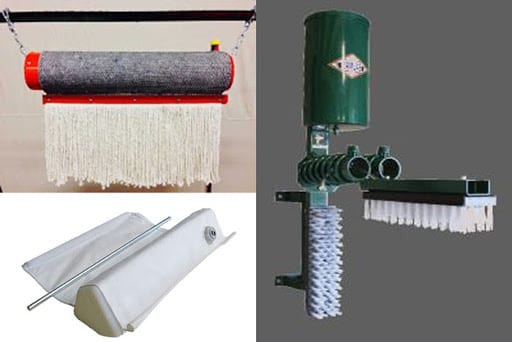
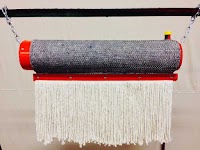
The most common types of cattle oilers include walk-through oilers, stationary oilers, and oiler brushes. Walk-through oilers are often placed in a location where cattle are guaranteed to pass, such as en route to their water source. As cattle move through these suspended systems, which may include hanging flaps or wicks, a controlled amount of insecticide-treated oil is applied to their coats. This method is efficient since it requires little behavior modification for the cattle.

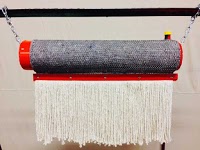
hanging cattle oiler

Stationary oilers, such as hanging oiler rubs or oiler scratchers, are installed in areas where cattle frequently congregate. These devices usually feature oiler tanks that periodically saturate a brush or cloth with pest control agents. As cattle rub against it to scratch an itch or simply out of curiosity, they receive the treatment. This type of oiler can be beneficial as it promotes frequent use due to the cattle’s natural tendencies.

Oiler brushes are an alternative that provides the dual functionality of aiding with pest control and grooming. These sturdy brushes allow cattle to both self-treat their coats with insecticide and help remove loose hair or dirt. Available in various designs, these brushes can be mounted on stationary posts or hung in strategic areas.


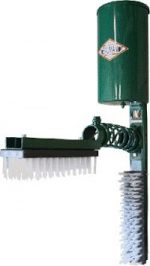
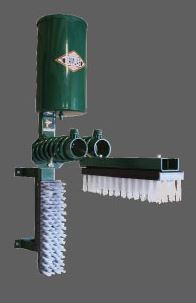
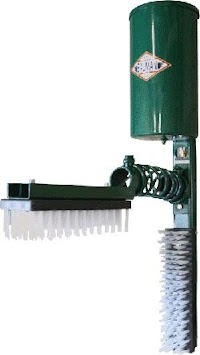
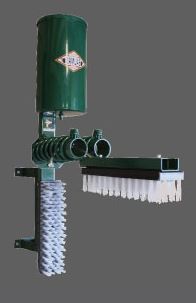
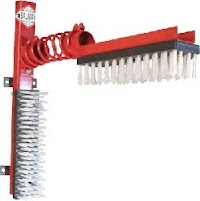
cattle oiler with double springs cattle oiler with single spring

When choosing an appropriate cattle oiler for your operation, several factors should be considered, including the type of pests you’re targeting, the behavior of your cattle, the ease of maintaining the oiler, and cost. Different regions or seasons may present specific pest challenges, and it is wise to select an oiler that targets the prevalent pests in your area. Moreover, an understanding of your cattle’s movement patterns and congregation habits will aid in positioning the oilers effectively for maximum voluntary use. Maintenance is also an important factor; regardless of the type selected, the oiler must be regularly checked and refilled with the appropriate pest control agent to ensure its efficacy.

Ultimately, exploring the various types of cattle oilers available and selecting the most suitable for your cattle herd and farm management style is a significant investment in maintaining cattle health and productivity, leading to a potentially high return on investment over time.

Benefits and Efficacy

Cattle oilers are crucial in managing external parasites such as lice, flies, and ticks that can affect livestock. The benefits and efficacy of cattle oilers are significant, and they play an essential role in ensuring the health and well-being of the herd.

The primary benefit of utilizing cattle oilers is the control of pests, which are known to cause irritation, disease, and even facilitate the spread of infections among cattle. When cattle have access to oilers, they can self-apply the treatment by rubbing against the device, delivering the insecticide or pesticide effectively to their coat and skin. This self-application method ensures constant and even coverage, which is both time-saving and labor-efficient compared to manual methods.

Moreover, the use of cattle oilers has demonstrated efficacy in reducing the incidence of diseases carried by external parasites, such as anaplasmosis and babesiosis, which can lead to severe health issues and even mortality. By controlling these pests, cattle are less stressed, leading to better feed efficiency and growth rates. This improved health and comfort directly translate to better production, with tangible benefits in the quality and quantity of milk in dairy herds and in weight gain for beef operations.

Another significant advantage is the reduced need for chemical treatments and the consequent decrease in the risk of developing chemical-resistant parasite populations. When external parasites are effectively managed through regular contact with the oilers, cattle are less likely to require secondary chemical treatments, thereby slowing down the resistance buildup.

Not only do cattle oilers provide direct benefits to the animals, but they also contribute to the overall sanitation of the farming operation. Reducing the parasite load in the environment helps to manage the pest population, leading to a cleaner and healthier space for cattle to thrive.

All in all, the proper use of cattle oilers can lead to a more efficient, cost-effective, and humane approach to managing livestock, with a direct impact on the operation’s bottom line. By offering an ongoing method of pest control, oilers ensure the welfare of the herd, leading to optimum production outcomes and enhanced profitability. It is essential for operators to explore different types of cattle oilers, assess their specific needs, and implement the best-suited solution for their operation to reap the full benefits of this technology.

goat oiler

Installation and Maintenance

Installation and maintenance are pivotal aspects of integrating cattle oilers into your operation. Proper installation is fundamental to ensure that the cattle can utilize the oilers effectively, and ongoing maintenance is necessary to maintain the oiler’s efficacy and durability over time.

When installing a cattle oiler, it’s crucial to place it in an area that is frequently visited by the herd, such as near water sources, feeding areas, or along pathways commonly used by the cattle. The location should be easily accessible by all the livestock to ensure that each animal benefits from the oiler’s pest control properties. Depending on the design, some oilers can be attached to a barn wall or fence post, while others may be designed as stand-alone units that are placed on the ground. It’s important to follow the manufacturer’s guidelines closely during installation to guarantee optimal performance.

Maintenance of cattle oilers involves regular inspections and refilling of the insecticide solution. The wicks or brushes need to be checked for wear and tear and replaced when they become overly soiled or degraded. It’s also essential to watch for any leaking or spillage, which could potentially harm the surrounding environment or waste the insecticide. The consistency of the oil needs to be checked to ensure smooth and even application; viscosity can vary with temperature changes, so adjustments may need to be made seasonally.

Additionally, some newer models of cattle oilers might come equipped with features that allow for easier maintenance, such as replaceable parts that don’t require special tools, or reservoirs that are straightforward to refill without disassembly. An operator should become familiar with these features to take full advantage of the design’s benefits and to reduce downtime.

To guarantee the welfare of the cattle and the longevity of the oilers, it is also important to use the correct type of pest control solution recommended by the manufacturer. Using inappropriate chemicals could pose health risks to the animals or degrade the components of the oiler more rapidly.

In summary, the successful installation and conscientious maintenance of cattle oilers are key to optimizing their effectiveness and maximizing their lifespan. Careful consideration of the placement and diligent upkeep of the equipment can lead to better pest control in the herd, contributing to overall healthier livestock and potentially increasing the profitability of your cattle operation.

Safety and Animal Comfort

When discussing safety and animal comfort in relation to cattle oilers, it’s important to consider the design and application of the product in the context of cattle behavior and health. Cattle oilers are devices designed to help control parasites such as flies, lice, and ticks on cattle. By allowing cattle to self-apply pesticides or insecticide oils as they rub against the device, cattle gain relief from pests, leading to improved health and comfort.

A major aspect of safety regarding cattle oilers involves the careful selection of the insecticides used. These must be effective against the targeted pests but also safe for the cattle themselves and for people who may come into contact with the animals. The chemicals must not irritate the cattle’s skin or cause any adverse health effects with prolonged use. Continuous monitoring and adherence to defined dosages according to the manufacturer’s guidelines and veterinary advice are essential to maintain safe usage.

Animal comfort is closely related to safety because if an oiler causes distress, it can lead to injuries or avoidance of the oiler, which defeats its purpose. Cattle oilers should be designed to be easily accessible to the animals, with features that encourage their use. For example, brushes or rubbing elements must be firm enough to provide a satisfactory scratch but gentle enough not to damage the skin or cause discomfort.

Moreover, the placement of cattle oilers plays a critical role in ensuring that they are beneficial. They should be located in areas frequented by cattle, such as near water troughs, feeding areas, or along paths that cattle regularly use. Proper installation ensures that animals can use the oilers without risk of tipping them over or becoming entangled in any part of the device.

Exploring different types of cattle oilers involves understanding the various designs and mechanisms available to suit different operation sizes and needs. For example, some oilers are simple in design, consisting of a reservoir and a means for the cattle to rub against to distribute the oil, such as ropes or flaps. Others are more complex, offering rotational brushes or even powered elements to assist in the transfer of the insecticide.

A critical factor in choosing an appropriate cattle oiler is understanding the specific behaviour and needs of the herd. For instance, dairy cows might have different requirements than beef cattle, and what works for adult cattle may not be suitable for calves. Some cattle are more sensitive to certain materials, so selecting an oiler with the right type of contact surfaces is important.

In addition to the physical design, considering the ease of refilling and maintaining the oilers is important for long-term operation. Choosing a cattle oiler that enables quick inspections and refills can save time and labor costs while ensuring the health benefits are consistently provided.

In conclusion, safety and animal comfort are essential considerations when incorporating cattle oilers into an operation. By ensuring proper choice of insecticides, design elements that promote comfort and ease of use, and strategic placement, farmers and ranchers can improve the welfare of their cattle and the efficiency of their pest control efforts. As each operation has unique needs, exploring the different types of cattle oilers available is critical in making an informed decision that promotes both animal health and operational effectiveness.

Cost and Return on Investment

Investing in cattle oilers for your livestock operation involves considering the cost implications and potential return on investment (ROI). Understanding this balance is critical in determining whether the purchase of a cattle oiler is a financially viable option for a cattle operation.

The initial cost of a cattle oiler can vary significantly depending on the type, size, and features of the unit. Basic models might be more affordable, but may not offer all the benefits of advanced models, which can include features such as adjustable oil flow, durability, and potential to deliver a variety of pest control products. These more advanced models tend to have a higher price tag but may ultimately lead to better health and comfort for the cattle, which can reduce veterinary costs and improve weight gain and overall productivity.

The return on investment is measured by the cost savings and increased revenue generated over time due to the use of the oiler. Key factors include the potential reduction in labor costs, since manual application of pest control measures is minimized. Cattle oilers provide continuous protection against pests such as flies, ticks, and lice, which, if left unchecked, can lead to diseases and affect the well-being and growth rate of the animals. By reducing the stress and irritation caused by these pests, cattle oilers can lead to an increase in feed efficiency and faster weight gain, which are directly linked to profitability for the farmer.

Furthermore, healthier animals with fewer pest-related problems can translate to higher quality hides and better market prices for beef producers. Less use of chemical treatments for pests also resonates with the consumer demand for more sustainably produced beef, potentially creating a marketing advantage.

Maintenance costs are another factor to be considered when calculating ROI. High-quality cattle oilers designed for durability and ease of maintenance can help in reducing the long-term costs and ensure that the benefits continue for multiple seasons. The investment in such equipment must also be weighed against the potential loss of income from decreased meat and milk production, reduced reproductive efficiency, and increased health care costs when pest control is inadequate.

In summary, the decision to invest in a cattle oiler should be based on a thorough analysis of cost versus the economic benefits over time. A well-chosen cattle oiler can indeed be a cost-effective measure that enhances the overall productivity of the operation and improves ROI. As with any farm equipment, the best choice will be one that fits the specific needs and scale of the operation while offering reliability and effectiveness in maintaining the health and productivity of the cattle herd.

Facebooktwitteryoutube

Innovative Cattle Oiler Solutions for Modern Ranching

In the expansive fields of modern ranching, where the wellbeing of livestock is paramount, innovative solutions such as Cattle Oilers play a crucial role in ensuring both animal health and agricultural productivity. Among such advancements, cattle oiler systems have emerged as a game-changer for ranchers seeking to protect their herds from the relentless annoyance and potential harm of pests like flies and ticks. These systems, ingeniously designed to leverage the natural behavior of cattle, ensure the delivery of precise doses of insecticides or pesticides across the herd without the stress and labor intensity of traditional methods.

goat oiler

The integration of modern cattle oilers into the pastoral landscape goes beyond mere convenience. It represents a thoughtful synergy between animal husbandry and technological advancement. By administering pest control measures in a more humane and autonomous manner, these innovative systems have not only revamped the ranchers’ approach to livestock care but also significantly improved the quality of life for the cattle themselves. The benefits of such solutions are all-encompassing, lowering the risk of disease transmission within herds, increasing feed efficiency, and ultimately leading to the production of higher quality beef and dairy products.

Moreover, the contemporary cattle oiler is the embodiment of sustainable practice in animal agriculture. Tailored to provide environmentally friendly options, many oilers now utilize organic and biodegradable substances, aligning with the growing global demand for ecological stewardship. Ranchers are thus empowered to fend off the pests detrimental to their livestock while concurrently safeguarding the ecosystem that both their cattle and wider communities depend upon.

Embracing these innovative cattle oiler solutions reflects a broader commitment within the ranching industry to technological progression, animal welfare, and sustainable agriculture. As the forward march of innovation continues, these tools stand to redefine the benchmarks of efficient and ethical livestock management, securing the role of contemporary ranching as a steward of both cattle health and environmental balance.


Automated Cattle Oiler Systems

Automated cattle oiler systems represent a significant leap forward in cattle care and pest control within modern ranching operations. These systems are designed to provide a controlled method of delivering insecticidal agents and conditioners to cattle to protect them from pests like flies, ticks, and lice, which can carry diseases and significantly affect the animals’ health and the productivity of a ranch. By incorporating automation into these systems, ranchers can ensure consistent and effective application of treatments without the need for constant human intervention.

The primary function of an automated cattle oiler is to treat cattle with a pesticide as they naturally brush up against it. This behavior triggers the system to release a specified amount of the treatment agent onto the animal’s coat. The automation comes in the form of sensors that detect the presence and movement of the cattle, mechanical devices that release the oil, and in some more advanced systems, connectivity that informs ranchers of system status and usage rates. This novel approach reduces labor costs and increases the efficiency of the treatment process.

Innovative technologies are constantly being integrated into these systems to further enhance their effectiveness. Some oilers are equipped with solar panels to ensure consistent operation in remote areas without the need for external power sources. Others are constructed with durable, weather-resistant materials to withstand harsh outdoor environments, ensuring longevity and reducing maintenance requirements.

Furthermore, modern automated cattle oilers can be adjusted to match the dosage and type of oiling agent to the specific needs of the cattle and the pest pressures they face. This targeted approach minimizes the amount of chemical used, reducing the environmental footprint and the potential for chemical resistance developing amongst pests, which is a growing concern in the agricultural sector.

hanging cattle oiler

Innovative cattle oiler solutions align with the broader movement towards precision agriculture, where technology is utilized to optimize farm management and improve animal welfare. As the demand for such technology-driven solutions grows, the future of automated cattle oiler systems looks particularly bright, promising to raise the standards for ranching efficiency, animal health, and environmental stewardship.

Integrated Pest Management Through Cattle Oiling

Integrated Pest Management (IPM) is an approach that combines different strategies and practices for controlling pests with the goal of using the least toxic methods to protect crops and livestock while minimizing environmental impacts. In the context of modern ranching, Integrated Pest Management through cattle oiling is an innovative practice that offers numerous benefits and aligns with the shift towards more sustainable and welfare-friendly farming techniques.

Cattle oilers are devices designed to apply insecticidal oils or other pest control products directly to cattle to protect them from flies, ticks, lice, and other external parasites that can cause health problems and stress that ultimately affect their growth, performance, and comfort. The integration of cattle oilers into a ranch’s pest management strategy is particularly valuable as it offers a targeted and efficient means of pest control that reduces the need for widespread pesticide application, which can have negative consequences for the environment and non-target species.

When cattle use an oiler, they are essentially self-applying the pest control agent. This voluntary engagement with the device ensures that the treatment is delivered to areas where pests are most likely to be problematic, including the back, face, and legs, while reducing human labor and stress to the animals that could be caused by manual applications of pesticides.

Innovative cattle oiler solutions, especially those incorporated into an IPM framework, focus on precision and data-driven decisions. Modern cattle oilers may be equipped with sensors that monitor usage and dispense the correct amount of pest control agents, conserving resources and ensuring that the active ingredients are used effectively. These solutions typically complement other pest management practices such as rotational grazing, which can naturally reduce the prevalence of pests in the environment as well as the reliance on chemical interventions.

Additionally, advanced oilers can integrate data collection features that allow ranchers to monitor trends in pest populations and cattle engagement with the oilers, which can be invaluable for adjusting IPM strategies in real-time. This data can be leveraged to ensure that pesticides are only used when necessary, contributing to a reduction in the overall use of chemical pest control and promoting a healthier ecosystem on the ranch.

Furthermore, as consumer awareness about animal welfare and environmental sustainability increases, ranchers who adopt innovative cattle oiler solutions as part of their IPM strategies not only enhance the quality of life for their cattle but also position their operations favorably in the market, often meeting or exceeding the standards required by certifying bodies for humane and sustainable practice labels.

By integrating these approaches, ranchers can maintain the health and productivity of their herds while mitigating the environmental impact of their operations, demonstrating how innovative cattle oiler solutions play an essential role in modern ranching’s future.

cattle oiler with single spring

Advancements in Eco-Friendly Oiling Agents

In recent years, the agrarian industry has been a significant player in the movement toward sustainability and environmental friendliness. A subset of this broader trend is observed in the use of eco-friendly oiling agents in cattle ranching, marked as a notable advancement in the field. These agents have been designed to meet the dual challenges of protecting cattle from pests and minimizing the ecological footprint of ranching operations.

One of the main advantages of advancements in eco-friendly oiling agents is their composition. Many of these products are made from natural ingredients, which are not only safe for the cattle but also pose no threat to the environment. Ingredients such as essential oils derived from plants like tea tree, eucalyptus, and citronella have been found to be effective in repelling pests while being biodegradable and non-toxic.

Another area of progress in this field is the targeted delivery systems of these oiling agents. Innovations in dispenser technology have led to devices capable of distributing the oiling agents more consistently and efficiently across the animal’s body. This reduces waste and prevents excess product from contaminating the surrounding environment.

Furthermore, chemical research has led to the development of oiling agents with improved efficacy, which means smaller quantities are needed to achieve the desired effect. These concentrated formulas not only cut back on the frequency of applications but also reduce the overall amount of product entering the environment.

In addition to their environmental benefits, these advanced eco-friendly oiling agents offer advantages in terms of animal welfare and productivity. They minimize the stress on cattle that might be caused by pests and parasites, thus improving wellbeing and potentially enhancing growth and yields.

With a farming populace that is increasingly embracing eco-conscious practices, the demand for innovative solutions like eco-friendly oiling agents is on the rise. Ranchers who adopt these modern oiling solutions stand to benefit not only from the ethical and environmental aspects but also from the improvement in the overall health and productivity of their cattle. This holistic approach towards cattle care is essential in an industry facing the growing scrutiny of consumers who favor environmentally responsible farming practices.

IoT and Smart Technologies in Cattle Oiling

IoT, or Internet of Things, and smart technologies in cattle oiling represent a significant advancement in the ranching industry. By integrating IoT devices and smart technologies into cattle oilers, ranchers can now achieve a level of precision, monitoring, and control that was previously unattainable. These modern systems offer several innovative solutions that improve not only the efficacy of pest control measures but also the overall health management of the herd.

IoT-enabled cattle oilers are equipped with various sensors to detect when an animal interacts with the device. This interaction data can be wirelessly transmitted to a rancher’s computer or smartphone, allowing for real-time monitoring of which animals are using the oiler. This is especially useful for ensuring that all cattle in a herd are being treated for pests, as it allows ranchers to identify any animals that may not be using the oiler and address any issues accordingly.

Furthermore, some IoT cattle oilers can regulate the amount of pesticide or oil dispensed to each animal. This high level of control reduces waste and prevents the over-application of pest control agents, resulting in cost savings and a more environmentally responsible approach to ranching. By effectively targeting the application of pest control products, these devices contribute to a healthier herd, as proper application techniques help prevent the spread of diseases carried by pests such as flies and ticks.

In addition to the delivery of oiling agents, the data collected by IoT systems can also provide insights into cattle behavior and welfare. Patterns of oiler usage might indicate the overall health of the cattle, heat cycles, or stress levels within the herd. Advanced analytics software can assist ranchers in interpreting this data, leading to better-informed management decisions and increasing the potential for early intervention in the case of health issues.

An added layer of innovative technology comes from integrating these systems with other smart farming devices, such as feeders and health monitoring tags. Together with IoT and smart cattle oilers, a comprehensive network can be created, often referred to as a ‘smart ranch.’ This kind of setup enables the automation of various routine tasks, reduces labor costs, and increases the overall efficiency of the ranching operation.

In summary, IoT and smart technologies in cattle oiling offer modern ranching operations an array of benefits. These innovative solutions help ensure the effective application of oiling agents for pest control, provide valuable data for herd management, and integrate seamlessly with other smart farming technologies to create a more efficient and sustainable ranching environment. As these technologies continue to evolve, they will likely become a standard in the industry, promoting better animal welfare and economic outcomes for ranching businesses.

Economic Benefits and ROI of Modern Cattle Oilers

The economic benefits and ROI (Return on Investment) of modern cattle oilers are significant factors for modern ranching operations. Traditional methods of applying pest control measures can be labor-intensive and may not provide consistent coverage over large herds. Modern cattle oilers address these challenges by offering an efficient, automated solution that ensures all cattle are treated for insects such as flies and ticks, which can carry diseases and adversely affect the well-being and productivity of the herd.

Investing in modern cattle oilers can result in substantial cost savings over time. For ranchers, the direct economic benefits come from the reduction of labor costs, as the need for manual application of pest control measures is minimized. The automated systems allow for a lower frequency of insecticide application due to the precision and effectiveness of the treatment—reducing the quantity of pest control products needed. By ensuring thorough and regular coverage, the health of the herd is maintained, leading to fewer instances of disease and less money spent on veterinary care and medications.

Furthermore, modern cattle oilers have an impact on the rate of weight gain in beef cattle. By reducing stress and irritation caused by pests, cattle exhibit improved feed conversion ratios and gain weight more efficiently. This leads to a faster time to market and higher selling weights, directly translating into increased revenue for ranchers.

The ROI of such an investment is typically seen within one or two seasons, depending on the size of the operation and the severity of the pest problem before the installation of the oilers. Beyond the tangible financial return, implementing innovative cattle oiler solutions contributes to an operation’s long-term sustainability by enhancing animal welfare and potentially improving the quality of the product, which is increasingly valued by consumers.

Moreover, with the advent of more advanced systems that incorporate smart technologies, producers can now monitor and adjust the operation of their cattle oilers remotely through Internet of Things (IoT) integration. This presents an opportunity to further optimize pest control measures and resource utilization, maximizing ROI and driving the modernization of the ranching industry.

In conclusion, modern cattle oilers provide an innovative solution for pest management that not only helps to protect the health and productivity of the cattle, but also translates into clear economic benefits for ranchers. With cost savings in labor and materials, improved herd health, enhanced weight gain, and superior control over pest management, the ROI for ranchers is evident. The shift toward these efficient systems indicates a recognition of their value in the modern ranching landscape.

Facebooktwitteryoutube

How Cattle Oilers Revolutionize Livestock Management

In the sprawling pastures where livestock roam, the health and comfort of cattle are paramount for both ethical animal treatment and optimal farm productivity. Among the myriad challenges faced by those in animal agriculture is the management of external parasites, which can severely impact the well-being and growth rates of cattle. Traditional methods of parasite control have typically required arduous and time-consuming manual applications of insecticides or the stressful corralling of animals for treatments. However, a new chapter in livestock management is being written with the advent of cattle oilers—innovative devices that promise a sustainable, efficient, and animal-friendly solution to pest control.

Cattle oilers are ingeniously designed to leverage the natural behaviors of cattle to administer topical treatments, effectively turning the animals themselves into participants in their health care regime. By incorporating oilers into the daily environment of the herd, cattle can self-apply insecticide as they rub against the device, seeking relief from pests and itching. This not only distributes the treatment evenly across their hide but also significantly reduces the labor and stress associated with alternative approaches.

Cattle Oiler with a Poly Tank

The use of cattle oilers is more than a simple convenience; it signals a transformation in the approach to livestock management. With these tools, farmers and ranchers can greatly reduce their reliance on labor-intensive methods, create a more humane treatment routine, and potentially improve the efficacy of pest control strategies. Moreover, these advancements stand to benefit the larger agricultural economy, as healthier cattle mean higher quality produce and greater profitability. As we delve deeper into the mechanics and impact of cattle oilers, it’s clear they are a linchpin in the modernization of livestock care, exemplifying the broader trend of technology-driven enhancements in agriculture.

Enhanced Parasite Control

Cattle oilers are a significant innovation in livestock management with their primary function being enhanced parasite control. Parasites such as flies, ticks, lice, and mites can have detrimental effects on cattle, causing discomfort, spreading disease, reducing weight gain, and decreasing milk production. Traditional methods of controlling these parasites often involve manual application of insecticides or pour-on treatments, which can be both time-consuming and stressful for the animals.

Cattle oilers offer a self-service solution that effectively distributes pesticide or insecticidal solutions onto cattle as they rub against the device. This method of delivery allows the livestock to self-treat areas affected by external parasites whenever they feel the need, which ensures a more consistent and thorough application. The dispersion of the insecticide is facilitated through a series of brushes, wicks or rollers soaked with the pest control agent that come into contact with the animal’s coat and skin. Since cattle have a natural instinct to rub against objects to relieve irritation caused by parasites, cattle oilers exploit this behavior to their advantage.

One of the major benefits of using cattle oilers is the sustained delivery of insecticides over a period of time, which provides prolonged protection against the parasites. Unlike spray applications that can wear off quickly or miss spots, cattle oilers constantly deliver the treatment to often-overlooked areas like the face, belly, and legs. Additionally, the cattle engage with the oiler multiple times throughout a day, ensuring repeated exposure and coverage, which significantly diminishes the populations of pests affecting the herd.

Moreover, the use of cattle oilers has been shown to reduce the stress associated with handling and treating the cattle for parasites. Stress can translate into reduced growth rates, poorer overall health, and a compromised immune system. With cattle oilers, animals are treated in their natural environment without the need for human interaction, minimizing stress and promoting a calmer, healthier herd.

In conclusion, the introduction of cattle oilers into livestock management practices represents a revolutionary step in dealing with the age-old problem of pest control in cattle. By offering a way to consistently and effectively manage the presence of external parasites, cattle oilers contribute not only to enhanced parasite control but also open up advancements in animal health, welfare, labor efficiency, economic gains, and environmental sustainability in the agriculture sector.

single spring cattle oiler with a steel tank

Improved Animal Health and Welfare

Improved animal health and welfare are crucial aspects of livestock management and are directly influenced by the integration of cattle oilers into regular farming operations. These innovations greatly uplift the wellbeing of cattle by efficiently combating external parasites like flies, lice, ticks, and mosquitoes which can transmit diseases and cause considerable stress to the animals.

Cattle oilers work by allowing cattle to self-apply insecticide as they rub against the device, which is typically hung in high-traffic areas or at strategic points where animals are known to gather. As the cattle brush up against the oiler, the device delivers a measured dose of insecticide, oil, or both across the animal’s coat. This process is not only gentle and less stressful for the animals compared to spraying or dipping, but it also ensures that the coverage is thorough and consistent, which can be a challenge with manual application methods.

One of the most significant advantages of cattle oilers is their ability to provide continuous protection against pests. This proactive approach to parasite control is vital for maintaining the animals in good health, as it minimizes the exposure to parasites that can cause irritation, blood loss, and the transmission of diseases. By doing so, cattle exhibit fewer signs of distress, such as tail switching, reduced grazing, and restlessness, which are often associated with heavy parasite infestations.

Moreover, animals that are free from the stress and discomfort of parasites are more likely to display natural behaviors, allowing for better social interaction and increased feed intake. As a result, they tend to have better weight gain and overall improved productivity, which are clear indicators of their enhanced welfare.

The positive impact of cattle oilers extends beyond individual animal health to influence herd well-being as a whole. With a reduction in disease transmission within the herd, veterinarians may notice fewer health issues arising, which translates to reduced need for medical interventions and a potential decrease in the use of antibiotics, thus promoting a more holistic approach to animal health management.

In conclusion, cattle oilers revolutionize livestock management by supporting improved animal health and welfare. They offer a simple yet efficient solution to a complex problem, with wide-reaching implications for animal comfort, herd health, and the overall success and sustainability of livestock operations. With the farming industry increasingly focused on animal well-being, advancements like cattle oilers represent a key step forward in meeting both ethical standards and production goals.

cattle oiler 16 inches long

Labor and Time Efficiency

Labor and time efficiency is a critical factor in livestock management, representing one of the substantial benefits realized with the introduction of cattle oilers. Cattle oilers are devices designed to assist ranchers and livestock caretakers by automating the process of applying insecticide and pest control formulations to cattle, significantly reducing the time and labor typically required in manual applications.

In traditional livestock management, the task of applying pest and parasite treatments can be incredibly labor-intensive. Cattle need to be gathered, restrained, and treated individually, often requiring several workers and consuming a considerable amount of time. This process not only disrupts the daily routines but also places stress on both cattle and handlers, frequently leading to a less than optimal coverage due to quick or uneven application. The handling process comes with an increased risk of injury to both the animal and the handler which can be of particular concern, especially when dealing with large numbers of animals or when treatments need to be applied repeatedly throughout the parasite season.

The advent of cattle oilers has revolutionized this aspect of livestock management by offering a way to distribute pest control treatments continuously and consistently without the need for direct handling of the animals. These devices typically consist of reservoirs that hold the pest control products and a system of applicators, such as brushes, rollers, or wicks, allowing cattle to self-treat by rubbing against them. As the cattle come into contact with the oiler, the solution is spread across their coat, which helps prevent fly and parasite infestations.

The implications of this innovation are profound. Firstly, the reduction of labor requirements allows ranchers to invest their time in other critical areas of farm management such as health monitoring, feeding and nutrition, breeding management, or infrastructure maintenance. Secondly, the improved time efficiency means cattle can be treated more regularly without significant disruptions, ensuring better coverage and protection against parasites. The regular and consistent application helps in breaking the lifecycle of pests, which can lead to long-term control and reduction in parasite populations.

Additionally, by reducing direct handling, cattle experience less stress, contributing to better welfare and overall health. Stress reduction can also have a positive effect on growth rates and feed efficiency, as stress is known to impact these aspects negatively.

In summary, the incorporation of cattle oilers in livestock management eliminates many of the challenges associated with manual parasite control. By enhancing labor and time efficiency, cattle oilers provide a seamless solution to a previously arduous process, allowing for continuous and controlled treatment that benefits both the livestock and the farm operation as a whole.

Cost-Effectiveness and Economic Impact

Cost-effectiveness and economic impact are significant considerations in the field of livestock management, particularly when it comes to the implementation of cattle oilers. Cattle oilers are devices designed to apply pesticide or insect repellant onto cattle to protect them from flies, lice, ticks, and other pests. They offer a self-service method for cattle to obtain relief from parasites, which can lead to better overall health and increased productivity.

The use of cattle oilers is economically impactful for several reasons. Firstly, they allow for a reduction in labor costs. Traditional methods of parasite control can be labor-intensive, often requiring handlers to round up and treat each animal individually. This can be time-consuming and costly in terms of human resources. Cattle oilers, by contrast, require minimal human intervention after their initial setup. Cattle are naturally drawn to the oilers when they feel the need for relief, treating themselves as they rub against the brushes or applicators. This self-service model means fewer man-hours are spent directly treating each animal, allowing labor to be allocated to other important tasks on the farm.

Secondly, cattle oilers are cost-effective because they increase the precision and efficiency of pesticide usage. Excessive application of pesticides can be wasteful and financially inefficient, with overspray leading to product loss. In contrast, cattle oilers are designed to apply the exact amount of pesticide needed to target parasites, reducing waste and maximizing the use of every ounce of repellent. This efficiency not only saves money but may also reduce the risk of generating chemical resistance in parasite populations, which can occur when pests are overexposed to treatment compounds.

The investment in cattle oilers can also result in economic benefits from an improved rate of weight gain in the livestock, better milk production, and an overall increase in the quality of the animal’s skin and hair. Healthier cattle fetch higher market prices and result in higher-quality products which, in turn, can lead to increased profits for the farmer.

Another financial consideration is the potential reduction in veterinary bills. By keeping the cattle free from pests and the associated diseases they can carry, cattle oilers help to prevent the spread of illness within the herd. A healthier herd requires less medical treatment, thus reducing the costs related to veterinary care, medications, and possibly the loss of livestock.

In conclusion, the economic impact of implementing cattle oilers in livestock management is evident in the numerous financial benefits they offer. These benefits include labor and time savings, improved efficiency in pesticide use, higher livestock productivity, and reduced veterinary costs. All of these factors contribute to the overall cost-effectiveness of cattle oilers, making them a wise investment for the modern livestock manager seeking to optimize operations and improve their bottom line.

Environmental Sustainability and Non-Chemical Alternatives

Environmental sustainability is an essential aspect of modern agriculture, and it’s especially relevant in the context of livestock management. Cattle oilers present a significant stride towards achieving greater environmental sustainability in livestock farming. Cattle oilers are devices designed to allow cattle to self-apply pesticides and insect repellants as they rub against them. This novel approach offers a non-chemical alternative to traditional methods of parasite control, which often rely on heavy use of chemical insecticides.

The advantages of cattle oilers are multidimensional. From an environmental standpoint, they reduce the need for widespread spraying of chemicals, which can leach into the soil and water, causing harm to the broader ecosystem. Chemical runoff from farms is a leading cause of pollution in rivers, lakes, and streams and can adversely affect biodiversity, killing insects and aquatic organisms that are crucial to the food chain. By minimizing the application of these chemicals, cattle oilers help maintain the integrity of the surrounding ecosystem.

Moreover, non-chemical alternatives such as cattle oilers are more aligned with organic farming practices. They offer a solution for controlling pests without compromising the organic status of a farm, ensuring that livestock products can be marketed to consumers who are increasingly concerned about the environmental footprint of their food.

The use of cattle oilers also complements integrated pest management programs, which combine different strategies for controlling pests with a focus on long-term prevention. This includes regular monitoring and the use of physical, biological, and cultural tactics to control pests without resorting to chemicals. Cattle oilers fit well into such programs because they offer targeted control where and when it’s needed, using a physical mechanism to apply the control agent.

In conclusion, environmental sustainability and the search for non-chemical alternatives are at the forefront of innovations in livestock management. Cattle oilers represent a progressive step in this direction, providing an efficient, eco-friendly solution that aligns with the goals of reducing chemical usage, protecting biodiversity, and supporting sustainable agricultural practices. As the farming industry continues to evolve, tools like cattle oilers play a crucial role in shaping a more environmentally conscious approach to livestock health and parasite control.

Facebooktwitteryoutube

Top 10 Benefits of Using Cattle Oilers on Your Farm

In the picturesque landscape of a farm, maintaining the health and welfare of livestock is not just a necessity; it’s an art that combines traditional methods with modern technological aids. Among the various tools a farmer can leverage, cattle oilers stand as an unsung hero in the day-to-day management of a bovine herd. These ingenious devices bring about a cascade of benefits that enhance the well-being of the cattle, improve the efficiency of farm operations, and even contribute positively to the overall farm economy.

cattle oilers

For starters, cattle oilers are instrumental in proactively combating the scourge of parasitic pests that can plague bovine animals. By allowing cows to self-apply insecticides and medicinal treatments, these devices provide a continuous line of defense against the irritation and diseases that pests like flies and ticks can cause. Not only does this promote a more peaceful environment for the herd, but it also leads to healthier cattle with better growth rates and increased milk production, thereby affecting both the qualitative and quantitative aspects of farm produce.

Another compelling advantage is the improvement of animal comfort and the subsequent reduction in stress-related behaviors. The gentle brushing and application of oils to the skin that cattle oilers offer can have a calming effect on the animals, similar to grooming behaviors observed in nature. This not only ensures peace within the herd, but it also contributes to a more tranquil farm operation overall.

In addition, there are significant labor savings for the farmer. The automated nature of these devices reduces the need for manual application of treatments, allowing farmhands to focus their efforts on other critical tasks that require human attention, leading to more efficient task management and labor allocation. Moreover, the considerable time saved translates into cost savings, making cattle oilers a financially sound investment in the long term.

As we delve into the specific advantages, it becomes clear that cattle oilers are more than just a convenience; they are a pivotal investment that can catalyze a transformative uplift in the quality of livestock management and farm output. From enhancing animal welfare to promoting economic stability, the top ten benefits of using cattle oilers underscore the profound impact that this simple farming tool can have on the success of a agricultural operations.

Pest and Parasite Control

Pest and parasite control is an essential aspect of maintaining a healthy and productive livestock farming operation. For cattle, the presence of pests such as flies, lice, ticks, and mites can lead to various problems, including skin irritations, disease transmission, and overall discomfort. These issues can result in decreased feed efficiency, lower weight gain, and in some cases, severe health implications that could lead to mortality.

Cattle oilers offer an effective solution for pest and parasite management. These devices provide a self-treatment system for cattle, allowing them to self-apply insecticides or pesticides as they rub against the oiler. This method of control is highly advantageous because it is continuous, requiring minimal human intervention after the initial setup. Moreover, cattle can often sense when they need relief from pests and will use the oilers as needed, resulting in efficient use of pest control substances.

cattle oiler with single spring

Here are the top 10 benefits of using cattle oilers on your farm:

1. **Continuous Protection:** Cattle oilers offer round-the-clock control against pests and parasites, which can significantly reduce the infestation load on animals.

2. **Targeted Treatment:** They ensure that insecticides are applied directly to the areas where pests are most likely to affect the cattle, such as the head, neck, back, and sides.

3. **Self-Service Application:** Cattle use the oilers on their own, providing self-service treatment that does not require human handling or stress for the animals.

4. **Cost-Effective:** By preventing pest-related issues, cattle oilers help avoid costly veterinary treatments and production losses, ultimately improving the farm’s bottom line.

5. **Improved Animal Welfare:** Reducing pest and parasite burdens not only boosts productivity but also contributes to better overall welfare for the cattle.

6. **Environmentally Friendly:** As the treatment is targeted and self-administered, there is often less environmental contamination compared to broad-spectrum spraying.

7. **Labor Savings:** Cattle oilers reduce the time and labor involved in manual application of pest control measures, freeing up resources for other farm tasks.

8. **Promotes Growth and Weight Gain:** Livestock that are free from pests are less stressed and exhibit better feed conversion rates leading to better growth and weight gain.

9. **Prevention of Disease:** By controlling vectors like flies and ticks, cattle oilers help in preventing the spread of diseases such as bovine anaplasmosis and babesiosis.

10. **Long-Term Solution:** With proper maintenance, oilers have a long service life, making them a durable and reliable solution in the struggle against pests and parasites.
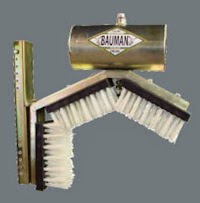
In conclusion, the use of cattle oilers is an effective and efficient means of controlling pests and parasites, ensuring that cattle stay healthy and productive. The numerous benefits they offer make them an invaluable investment for farmers looking to optimize their operations and improve their livestock’s quality of life.

Herd Health Improvement

Herd health improvement is a crucial aspect of livestock management that is directly linked to the productivity and wellbeing of the animals. Maintaining a high level of herd health is imperative, as it significantly influences the overall output and quality of products such as milk, meat, and hides. Herd health can be enhanced through a combination of proper nutrition, good farm management practices, regular veterinary care, and the use of tools like cattle oilers.

The use of cattle oilers is particularly beneficial for herd health for several reasons. Firstly, cattle oilers deliver a consistent and controlled dosage of insecticides or pesticides which helps in controlling external pests and parasites that can harm cattle. By mitigating issues such as lice, flies, ticks, and mites, cattle are less likely to contract the diseases these pests can carry. This prevention not only promotes better health within the herd but also reduces the likelihood of disease spread.

Another top benefit of using cattle oilers pertains to the control of vector-borne diseases. Diseases like anaplasmosis, babesiosis, and others transmitted by ticks can cause severe health issues in cattle and can lead to economic losses. Cattle oilers help in managing the tick population, thereby minimizing the incidence of such diseases.

Moreover, cattle oilers assist in reducing the stress levels of the animals. When cattle are free from the constant irritation of pests, they exhibit less aggressive behavior and are calmer, leading to better feed conversion rates and increased milk production in dairy herds. Reduced stress also means an improved immune response, which further contributes to better overall herd health.

In terms of skin condition, cattle oilers can also play a role in maintaining healthy skin and coat by ensuring that the animal’s hide is not compromised by cuts, scratches, or infection due to pest irritation. A healthy hide is critical not just for the animal’s wellbeing but also for the quality of the leather produced.

Implementing cattle oilers on a farm represents a proactive approach to managing herd health, and the benefits can be seen through improved animal growth rates, better reproduction outcomes, and in some cases, reductions in medication costs due to a lower incidence of pest-related diseases. Overall, the use of cattle oilers is a sound investment in the long-term health and productivity of the herd.

Enhanced Cattle Comfort and Welfare

Enhanced cattle comfort and welfare refers to the various measures taken to ensure that cattle are in good physical and mental health, are not suffering, and have a good quality of life. When comfort and welfare are prioritized, cattle experience less stress, which can lead to better growth rates, improved milk production, and higher reproductive efficiency.

Cattle comfort and welfare encompass a holistic approach that includes proper housing, adequate space per animal, access to clean water and nutritious feed, appropriate veterinary care, and protection from harsh weather conditions. Additionally, it involves maintaining a low-stress environment by handling the cattle gently and minimizing the disturbance to their daily routines. Attention to comfort is also seen in the provision of appropriate resting areas, whether in bedding or open pastures, with shelters to safeguard the animals from extreme temperatures.

One of the ways to enhance cattle comfort and welfare is through the use of cattle oilers. Cattle oilers are devices that help in pest and parasite control by allowing cattle to self-apply insecticide or conditioning oils that can repel pests such as flies, ticks, and lice. Here are the top 10 benefits of using cattle oilers on your farm:

1. **Reduced Stress**: Cattle oilers help keep pests at bay, which reduces stress and irritation among the cattle.
2. **Improved Health**: By controlling parasites, cattle maintain better health, as pests can transmit diseases or cause infections.
3. **Self-Service**: Cattle can use the oilers as needed without human intervention, allowing them to take care of pests on their own schedule.
4. **Cost Savings**: With reduced pest-related issues, there is less need for veterinary interventions, thus saving on medical costs.
5. **Increased Productivity**: Comfortable cattle are healthier and more productive, leading to higher milk yields and better growth rates.
6. **Enhanced Welfare**: Regular use of oilers ensures that cattle are not constantly bothered by pests, contributing to overall welfare.
7. **Environmentally Friendly**: Minimal use of insecticides and targeted application make cattle oilers an eco-friendlier option compared to broad-spectrum pest control methods.
8. **Time-Efficient**: Farmers save time as cattle oilers reduce the need for regular, manual applications of insecticides.
9. **Long-lasting Effects**: Oiler solutions often have a residual effect, keeping cattle protected for longer periods.
10. **Durability and Low Maintenance**: Cattle oilers are generally sturdy and require minimal maintenance, which is an added economical benefit for the farm.

In conclusion, enhanced cattle comfort and welfare are critical components of a successful and ethical farming operation. Cattle oilers are a simple yet effective tool that support this goal by providing benefits that touch upon health, efficiency, and cost-effectiveness, contributing significantly to the well-being of the animals and the farm’s bottom line.

Cost-Effectiveness and Return on Investment

Cost-effectiveness and return on investment are crucial considerations for any business, and farming is no exception. When it comes to cattle farming, implementing tools and strategies that can enhance efficiency and productivity while keeping costs down is fundamental. Item 4 from the listed items, “Cost-Effectiveness and Return on Investment,” is particularly relevant when evaluating the utility of employing cattle oilers on a farm.

Cattle oilers are devices designed to allow cattle to self-apply insecticide or pesticide as they rub against them. The usage of cattle oilers presents several economic benefits. Firstly, they reduce the labor costs associated with manually applying insecticides. With cattle oilers in place, the need for farmers and laborers to corralling and treat each animal individually is significantly minimized, thereby freeing up time and resources that can be deployed elsewhere in the farming operation.

Secondly, cattle oilers help in maintaining the overall health of the herd by effectively managing external parasites such as lice, ticks, and flies. These pests can transmit diseases and stress the animals, leading to weight loss, decreased milk production, and poor meat quality. By curtailing these pests, cattle oilers contribute to better herd health, which in turn enhances the yield and quality of produce, whether that’s dairy or beef. This directly impacts the farm’s revenues and profitability.

Moreover, the return on investment (ROI) for cattle oilers can be quite favorable. Although there is an initial cost to purchase and set up the oilers, the savings on labor and the increased productivity of healthier, less-stressed cattle quickly offset this expense. The longevity of cattle oilers also means that after the initial investment, the upkeep costs are relatively low, which contributes to a more favorable long-term ROI.

Lastly, ensuring the well-being of the herd through effective pest control can also indirectly save costs related to veterinary bills and medicines that would otherwise be needed to treat parasite-induced ailments or infections. Healthy cattle are less likely to require medical intervention, thus further underscoring the cost advantages of utilizing cattle oilers.

In summary, the implementation of cattle oilers on a farm can lead to significant cost savings and improved return on investment. By eliminating labor-intensive processes, promoting better herd health, and reducing the need for veterinary treatments, cattle oilers are a financially sound choice for farmers seeking to maximize the efficiency and profitability of their cattle-raising operations.

Ease of Use and Time Savings

The Ease of Use and Time Savings associated with cattle oilers provide a significant advantage for farmers and ranchers. These benefits stem from the simplicity of the system, which allows for ongoing treatment of cattle without the need for individual handling. Cattle oilers are devices that are installed in locations where cattle will naturally come into contact with them, such as near water sources or in feeding areas. When the cattle rub against the oiler, the device delivers pest control agents, conditioners, or medicinal treatments directly to the animal’s coat and skin.

The genius of cattle oilers lies in their autonomous design. Unlike other methods of pest and parasite control, which may require rounding up the cattle for individual treatments, oilers operate passively. As a result, they substantially reduce the labor and time typically required for these tasks. This not only saves farmers long hours of work but also enables more frequent and consistent treatment of the herd. The less handled cattle are, the less stress they experience, which can contribute to better overall health and faster growth rates.

Additionally, the ease of use offered by cattle oilers minimizes stress for both the animals and the farmworkers. This passive treatment avoids the excitement and potential injuries that can occur during roundups. By integrating cattle oilers into regular cattle movement patterns, treatments become a part of the animals’ natural behavior, which aids in ensuring that all individuals receive the care they need without extra effort.

Furthermore, the time savings aspect of cattle oilers translates directly into cost savings. Time is a valuable commodity on the farm, and being able to allocate it more efficiently means more resources can be spent on other areas of management and care. It’s also worth noting that time-sensitive treatments become much more manageable, ensuring that the cattle are protected during peak parasite seasons without additional strain on the farm’s operations.

In summary, cattle oilers provide an easy-to-use, time-saving solution to ongoing cattle care needs. They integrate pest and parasite control into the daily lives of the animals with minimal labor, reducing stress and promoting health and productivity within the herd. Their adoption on farms can lead to significant improvements in the well-being of both cattle and those who care for them, making them a valuable asset for modern livestock enterprises.

Facebooktwitteryoutube

The Ultimate Guide to Cattle Oilers: Everything You Need to Know

Cattle oilers are an essential tool in modern livestock management, providing an automated method for controlling parasites such as lice, ticks, and flies on cattle. These pests not only cause discomfort and stress to the animals, but they can also lead to reduced weight gain, lower milk production, and the spread of diseases, which have significant economic impacts on the agricultural industry. An effective parasite control strategy is pivotal for maintaining the health and productivity of cattle.

cattle oilers

The advent of cattle oilers has revolutionized the approach to controlling external parasites. By allowing the cattle to self-administer their treatment as they naturally rub against the device, these oilers are a labor-saving alternative to manual applications of insecticides. The oilers dispense carefully measured doses of insecticidal solutions onto the hide and reach areas that cattle often find difficult to groom themselves, such as the head, back, and sides.

Understanding the different types of cattle oilers, their mode of operation, and the best practices for their maintenance and usage is crucial for farmers and ranchers. With advances in design and technology, oilers have become more efficient and user-friendly, incorporating features such as adjustable flow rates and durable materials that withstand the rigors of the outdoor environment.

Moreover, the responsible use of cattle oilers is also connected to broader considerations, including environmental stewardship and the management of chemical resistance in pests. Therefore, an ultimate guide to cattle oilers must address not only the practical aspects but also the strategic use of these devices within an integrated pest management program. With this in mind, let’s delve into the world of cattle oilers to explore their benefits, features, and the knowledge needed to implement them as a centerpiece in the battle against bovine parasites.

Types and Designs of Cattle Oilers

Cattle oilers are an essential tool in the livestock industry designed to help control pests like flies and lice on cattle. These devices are filled with a pesticide or insecticide oil, which is applied to the cattle’s coat as they use the device, usually by rubbing against it. There are various types of cattle oilers, each with different designs to suit specific requirements and preferences.

cattle oiler with double springs

One of the most common types is the rope-and-drum oiler, which features a rotating drum wrapped with oil-soaked ropes or wicks. As cattle rub against these ropes, the oil transfers onto their hide, providing an effective barrier against pests. Another design is the back rubber oiler, which involves a horizontal bar covered in an oil-treated fabric or rubber that cattle walk under, applying the pesticide to their backs and sides.

There are also more sophisticated designs, such as the pump-action oiler, which delivers a metered dose of oil when activated by the cattle’s movement. This ensures more controlled and efficient application of the pesticides, preventing overuse and wastage.

Another notable design is the dust bag oiler, which, although not technically an oiler as it uses pesticidal dust instead of oil, functions under the same principle, allowing cattle to self-apply the pest-control substance as needed.

The selection of a cattle oiler design depends on various factors including the size of the herd, the severity and type of pest problem, and the type of oil or insecticide being used. Some designs are better suited to smaller operations while others are more efficient for large-scale ranching. Durability, ease of maintenance, and the ability of livestock to use the oilers without guidance are also important considerations.

The ultimate guide to cattle oilers would cover these points in great detail, providing ranchers with the knowledge they need to select the ideal cattle oiler for their herds. The guide would explain how each design works, the pros and cons of each type, and the kind of maintenance required to keep them functioning optimally. It would also elaborate on how to properly mix and handle the pesticides, ensuring the safety of the cattle and those applying the solutions.

Furthermore, an ultimate guide would discuss the importance of correct placement in the pasture or feedlot to ensure maximum usage by the cattle, and how to adjust the oilers for different breeds and sizes of livestock. It would also touch on the integration of cattle oilers into a broader pest control strategy, including how they can be used in conjunction with other methods for a comprehensive approach to livestock pest management.

Benefits of Using Cattle Oilers for Livestock

Cattle oilers are an essential tool in managing the health and comfort of livestock, particularly in areas where pests such as flies, lice, ticks, and mosquitoes pose a constant challenge. The primary benefit of utilizing cattle oilers is their effective delivery of pesticide or insecticide directly onto the cattle’s coat, enabling control and reduction of the parasite load on the animals. This is highly beneficial as it can lead to a decrease in the transmission of diseases that are often carried by these pests, such as pink eye, anaplasmosis, and other illnesses that can affect cattle health and farm productivity.

Another significant advantage of using cattle oilers is the reduction of stress in livestock. Pests can cause cattle to become agitated, which can lead to reduced feeding times, poor weight gain, and inefficiencies in milk production. By mitigating the annoyance caused by pests, cattle oilers enhance the overall well-being of the animals, which in turn can improve growth rates and production yields. This creates a more humane environment for the cattle and can positively impact the economic success of a farming operation.

Moreover, cattle oilers provide a method of pest control that requires minimal labor once they are installed. Traditional methods often involve handling each animal to apply treatments directly, which can be time-consuming and stressful for both livestock and farm workers. In contrast, cattle oilers are designed for self-application; as cattle rub against them to scratch an itch, they simultaneously apply the treatment to their coats. This hands-off approach not only saves labor but also ensures continuous protection, as cattle will typically utilize the oilers multiple times throughout the day, maintaining the necessary level of pest control.

The application of insecticide through cattle oilers is not only beneficial for the animals, but it also reduces the reliance on environmental spraying, which can have broader ecological impacts. Sprays can potentially affect non-target organisms and contaminate water sources, whereas targeted application via cattle oilers minimizes environmental exposure.

The Ultimate Guide to Cattle Oilers provides an in-depth exploration of the different types of oilers, offering insights into how to select the right one for your herd and the specifics of each model. This guide is an invaluable resource for understanding the mechanisms by which oilers distribute pesticides, their efficacy against various pests, and the best practices for maximizing the benefits of their use. It also covers important considerations for installation, the ins and outs of maintenance, the integration of oilers within a comprehensive pest control plan, and the long-term economic advantages of using cattle oilers in a livestock operation. Overall, the systematic use of cattle oilers is a proactive approach to livestock care that can drastically improve animal welfare and farm profitability.

Proper Installation and Placement of Cattle Oilers

Proper installation and placement are crucial for the effectiveness and efficiency of cattle oilers. Cattle oilers are devices designed to provide livestock with self-service pest control and medication needs. When installing a cattle oiler, there are several factors to consider, including location, height, and stability.

Firstly, the location of the cattle oiler should be in an area frequently visited by the herd, such as near water sources, feeding areas, or resting spots. By placing it in these high-traffic areas, there is a greater chance that the cattle will use it consistently. It is also essential to ensure that the cattle oiler is accessible to all animals, regardless of size. Avoid installing it in corners or dead-end spaces where dominant animals might prevent others from utilizing it.

The height of the cattle oiler must be adjusted to the size of the cattle using it. The aim is for the oiler to make contact with the animals’ top lines, heads, and necks—the areas most susceptible to pests like flies and ticks. For this reason, many cattle oilers come with adjustable chains or mounting options to cater to animals of different sizes.

Stability is another key factor. The cattle oiler must be securely anchored to prevent tipping or moving when the cattle rub against it. This may require mounting it to a permanent structure like a post, or using heavy bases. Some models are designed to be free-standing but still require weighting down to ensure they remain in the desired location.

Regarding “The Ultimate Guide to Cattle Oilers: Everything You Need to Know,” it likely provides in-depth information on all aspects of cattle oilers, including guidance on proper installation and placement. This comprehensive resource would also cover essential details such as the various types and designs of cattle oilers available on the market, highlighting their unique features and suitability for different herd sizes and environments.

The guide would underscore the importance of the correct placement within the field or barnyard. It might also suggest regular inspection points for ensuring the oiler is functioning correctly, including the need for a consistent oil supply and mechanisms for an equal distribution of pest control substances or medicinal treatments onto the animals. Safety for both livestock and handlers during installation and use would also be a critical topic covered in such a guide.

Finally, a complete guide would not only focus on installation and usage but would also delve into maintenance practices. Regular upkeep ensures the longevity of the cattle oilers and their efficacy in keeping pests at bay. This includes checking for any blockages in the oil dispensing nozzles, ensuring all moving parts are functioning smoothly, and replenishing the oil or medicated solutions as required.

Cattle oilers can significantly contribute to the overall health and comfort of livestock by providing an automated method to control pests. Proper installation, placement, and maintenance can maximize their benefits, leading to healthier animals and, consequently, increased productivity for the farmer.

Maintenance and Care for Cattle Oilers

When it comes to maintaining cattle oilers, there are several key factors to consider to ensure their efficacy and longevity. First and foremost, regular inspection of the cattle oilers is crucial. Farmers and ranchers should check for signs of wear and tear, particularly in the brushes, wicks, or pads that come into direct contact with the livestock. These parts can degrade over time due to the constant rubbing against the cattle’s hide and the outdoor elements.

Cleaning the oilers is also important. Over time, dirt, hair, and other debris can accumulate on the device, which can reduce its effectiveness. Some cattle oilers have removable parts that are easier to clean; others require a bit more effort. The cleaning frequency will depend on the conditions in which the cattle are kept and how frequently the oilers are used.

Next, it is essential to regularly refill and check the levels of the insecticide or oil used in the oiler. The liquid levels need to be maintained for the oilers to function correctly. However, one should be cautious not to overfill the reservoirs, to avoid leakage that could pose a risk to the environment or waste the pest control substances.

Furthermore, the mechanism of delivery for the pest control agents from the reservoir to the animal’s skin should be monitored closely. This can be a gravity-fed system, a pump, or wick-based, and each has its points of failure that should be addressed promptly to maintain effectiveness.

When considering the ultimate guide to cattle oilers, it is imperative to remember that maintenance and care is a continuous process. Without proper maintenance, cattle oilers can lose their effectiveness, leading to increased pest issues and discomfort for the cattle. This can also lead to a greater incidence of disease spread by pests, which the oilers are intended to help prevent.

Ensuring that the cattle oilers are in good working condition also means assessing them for potential damage from the cattle themselves or from environmental factors such as extreme weather. If a part is found to be damaged, it should be replaced immediately to prevent injury to the animals and to ensure the continued effectiveness of the pest control program.

Finally, the ultimate guide to cattle oilers would emphasize the importance of following manufacturer guidelines for maintenance and care of the equipment. Each type and brand of cattle oiler may have specific instructions and recommendations that, when followed, can greatly extend the service life of the oilers and guarantee that they remain a smart investment for the welfare of the cattle and the efficiency of the farm operation.

Integration of Cattle Oilers with Pest Control Strategies

The Integration of Cattle Oilers with Pest Control Strategies is a significant aspect of managing the well-being and productivity of livestock. Cattle oilers are devices designed to help apply oil-based insecticides or pesticides to cattle as they rub against them. By integrating cattle oilers with pest control strategies, farmers and livestock managers can ensure their cattle remain healthy and free from the irritation and diseases that pests such as flies, lice, ticks, and mosquitoes can cause.

Pests are not just a nuisance to cattle; they can also transmit diseases, cause stress, and reduce overall productivity by affecting cattle’s growth and milk production. Traditional methods of pest control often require labor-intensive processes such as spraying or dipping cattle, which can be stressful for the animals and the people involved. Cattle oilers offer a more efficient and less labor-intensive alternative. When cattle use an oiler, the rubbing motion allows for the even distribution of pest control agents over their bodies, offering continuous protection against pests.

To optimize the use of cattle oilers within pest control strategies, it’s important to choose the right type of oiler and pesticide that works best for the specific pests prevalent in the area. Oiler formulations may vary, so it’s critical to use products that are approved for use with the oilers and are effective against the targeted pests. Additionally, the placement of cattle oilers is essential; they should be located where cattle naturally congregate or pass through, such as near water troughs or between feeding and resting areas, to ensure regular contact by all animals.

Moreover, integrating cattle oilers with a broader pest management program can significantly enhance overall effectiveness. This could include environmental management to reduce pest breeding sites, rotation of pesticides to prevent resistance buildup, and regular monitoring of pest populations to adjust strategies as needed.

In conclusion, integrating cattle oilers with pest control strategies is a smart approach to maintaining cattle health and efficiency in livestock operations. With proper selection, positioning, and maintenance, cattle oilers serve as a convenient and effective tool for pest management, which can lead to healthier cattle and a more productive and profitable farming operation.

Shop for Cattle Oilers at BarnWorld.com today!

(720) 238-2190 –  Sales@BarnWorld.com

Facebooktwitteryoutube

Cattle Oilers Protect Your Livestock

cattle oilers

Your cattle are likely your most important asset on the ranch and they are susceptible to diseases that are carried and transmitted by pests of all types. Protecting them from disease-carrying pests can be as simple as installing a cattle oiler.

Cattle face significant health risks from insects that transmit dangerous and life-threatening diseases. A cattle oiler provides a simple, effective, and efficient solution to protect the health of your herd and your bottom line.

Pests That Threaten Cattle

There are many transmittable diseases spread by common insects that cause serious health issues in livestock. An infection can lead to reduced growth rates, severe physical issues, and even fatalities throughout the herd. A few of the common carriers and transmitters of disease are:

Ticks: Diseases Carried:

Ticks are notorious carriers of several diseases, including Anaplasmosis and Babesiosis. These diseases can weaken the immune system, cause anemia, and in severe cases, lead to death.

Flies and Transmitted Diseases:

Flies, particularly horn flies and face flies, pose a significant threat to cattle. They can spread diseases like Bovine Leukosis Virus and Moraxella Bovis, causing conditions such as pinkeye and bovine leukosis, leading to significant discomfort and reduced overall well-being.

Internal Parasites:

Internal parasites like worms (e.g., roundworms and tapeworms) can cause serious health issues in cattle. Some of the more common afflictions include weight loss, reduced feed efficiency, and impaired reproductive performance.

Cattle Oilers Offer A Solution

Cattle oilers offer an economical and effective means of safeguarding cattle from pests and diseases. They offer a simple but highly efficient method of applying insecticide and pesticides to an animal’s coat. As livestock rub against oiler bushes or walk through a mop, the protective liquid is dispensed forming a shield against pests.

Cattle Oiler Designs

The two most popular means of dispensing pesticides are through a hanging mop or a motion-activated brush. Both methods are considered ‘on demand’ and help prevent unnecessary dripping and wasting of pest control liquids.

Mop Oiler

The mop oiler is typically installed in an alleyway or a transitional location. It’s hung with chains at shoulder height so when an animal walks beneath it, the steel holding tank is tipped, and a small amount of fluid is released through the weep holes on the side of the tank. Gravity then takes it to the felt and down to the mop. The tank is enclosed in felt and when coupled with the ‘tip to dispense’ design, eliminates excess dripping and waste when not in use.

hanging cattle oiler

Brush Oiler

The brush oiler design uses valves to regulate the release of the pesticide. It’s pressure sensitive and only allows dispensing when the brush and valve are agitated. Cows love to rub on the brushes to remove hair and itch themselves. This action triggers the valve to release fluid and the animals get a protective coating rubbed into their hide all on their own!

cattle oiler with double springs

Protection Benefits of a Cattle Oiler

Having livestock self-apply pesticides to themselves is a great benefit to the animals and a real time-saver for a rancher. They continuously provide protection to the herd through self-application as the animals do the work.

The protection they receive from disease-carrying pests is invaluable and can be lifesaving as well. By coating the cattle’s coat with insecticides or oils, cattle oilers act as a formidable deterrent against pests. This significantly reduces the chances of insects coming into contact with the animals, effectively lowering the risk of disease transmission. With reduced pest infestations, cattle experience less discomfort and stress, leading to improved overall welfare. Happier and healthier cattle are more productive and have better growth and reproductive rates.

Cattle oilers offer a cost-effective and environmentally friendly solution when compared to other forms of pest control. These devices use minimal amounts of insecticides yet ensure effective coverage and protection from pests.

Serious Diseases Prevented by Cattle Oilers

There are many types of transmittable diseases that can affect the health and well-being of livestock and a rancher’s bottom line. Below are two of the most common that can be preventable with the proper application of insecticides.

Anaplasmosis

Anaplasmosis is a dangerous disease commonly carried by ticks and flies. It is incredibly serious and fatality losses can approach 50%! After a bite, the Anaplasma organism will attach to the red blood cells making the animal weak and lethargic. It will typically stop feeding (show signs of anemia), run a fever, and minimize its movement. A cow displaying these conditions should immediately be examined by a veterinarian who will most likely treat it with a daily antibiotic to try and help it recover. It’s not a condition to be taken lightly and can lead to the death of the animal.

Pink Eye

Although the name sounds light and non-concerning, pink eye is a debilitating and painful condition that can severely affect your livestock. It is caused by a bacteria called Moraxella Bovis and is spread by flies. This bacterial infection can lead to temporary or even permanent blindness, both of which affect the feeding and drinking abilities of the animal.

There are antibiotics such as oxytetracycline that can be an effective treatment for pink eye and a vet should be consulted for a proper recovery program.

The most effective form of prevention for this disease is fly control. Reducing the population of flies limits the chances of infection. Dung beetles are known to be helpful in limiting the presence of pests and of course, protecting your animals with an insecticide is tremendously helpful as well.

Where to Buy Cattle Oilers

To prevent unnecessary diseases from affecting your herd, it’s essential that practical and effective cattle oilers be a part of your prevention program. They offer an economic, low-maintenance solution to safeguard precious livestock from dangerous illnesses.

Create a healthier environment for your animals and ensure a flourishing and thriving herd for years to come with a Cattle Oiler from Barn World.

Barn World (720) 238-2190

Facebooktwitteryoutube

Cattle Oilers Protect your Animals and your Bottomline

What is a Cattle Oiler?

A cattle oiler is a device used to apply insecticide, fungicide, or other types of oil-based solutions to the hair and skin of cattle, in order to protect them from external parasites and pests such as flies, ticks, and lice.

The oiler usually consists of a tank that is mounted on a vertical pole or suspended overhead. The tank contains an oil-based solution, which is dispensed through a series of mops, wicks, or rollers that the cattle rub against as they pass by. As the cattle move through the oiler, their coats become coated with the solution, which helps to repel or kill the parasites and pests that can cause both discomfort and disease.


SEE THEM ALL AT BARN WORLD

types of cattle oilers


What are the benefits of using a Cattle Oiler?

Livestock Oilers are an effective way to protect your cattle from pesky and harmful parasites while also improving your bottom line. Here are some of the benefits of using a cattle oiler on your farm or ranch:

Protects your cattle from external parasites:

Cattle oilers are an excellent way to protect your cattle from external parasites, such as ticks, lice, and flies. The oil-based solutions used coat the hair and skin, creating a barrier that repels or kills these pests. This protection not only keeps your cattle healthy and comfortable but can also increase weight gain and preserve milk production as well.

These pests can carry and transmit many diseases that can affect the health of your livestock.  Some of the diseases that can be spread by ticks, fleas, and mites include:

  • Lyme Disease
  • Anaplasmosis
  • Mange
  • Scabies
  • Salmonellosis
  • Spotted Fever
  • Pink Eye

It’s important for ranchers to control animal exposure to these pests and prevent the transmission of any of these diseases to their cattle. Using a cattle oiler with the proper pesticides is a fairly simple and effective step to managing these issues.

Cost-effective:

Investing in a cattle oiler is a cost-effective way to protect your cattle from parasites. Compared to other methods, such as pour-on insecticides or sprays, cattle oilers are less labor-intensive and require less frequent application, saving you time and money in the long run.

Gathering up your herd to run them through a chute to manually apply insecticide is very labor intensive, dangerous to both animal and man, and can cause undue stress which can affect eating habits and overall health. An oiler is an effortless means of making sure your animals are protected.

Easy to use:

Cattle oilers are easy to install and use. They usually hang overhead and as the cattle pass from one area to another, the mops coat their face and backs with the insecticide. There are many different types in use, but a traditional oil-based solution will be dispensed through a mop or wick that comes in contact with the animals and be ‘self-applied’! Your animals will be applying protection to themselves!

Environmentally friendly:

Unlike some other pest control methods, cattle oilers are environmentally friendly. They use oil-based solutions that are safe for the cattle and do not contaminate the soil or water on your farm or ranch.

Low maintenance:

Cattle oilers require minimal maintenance. Simply refill the oil-based solution as needed, and replace the wicks or rollers when they become worn.

Types of Cattle Oilers

Barn World carries many different types of oilers. All are effective and easy to use and a choice of which one to use usually comes down to personal preference.

Brush Cattle Oilers

cattle oiler with brushes

The brush design takes advantage of the natural desire for livestock rubbing. Most animals will appreciate the itch relief and scratching action of the attached brushes and rub against them as they pass. So much so that the top brush of the oiler dispenses liquid when agitated and the cows rub it in themselves.
To supply the pesticide to the brush, a Poly Tank Cattle Oiler uses a polyethylene tank above the arms of the brush. The bottom of the tank has a hose that delivers the liquid to a nozzle in the brush.
The translucent tank allows a rancher to see the remaining fluid level and can easily tell when it needs to be refilled. The design is also available as a Steel Tank Cattle Oiler if preferred.

Mop Cattle Oilers

cattle oiler with a mop

Mop Oilers also use a tank with a slightly different design. The tank has holes drilled in the sides so when it’s tipped by a passing cow, it releases a small amount of fluid. The tank is wrapped in felt to prevent any runout and drips gently down to the mop. The mop strings absorb the pesticide and hold it for the next application.

Because it won’t dispense without being tipped, the tank needs to be installed at a height where the back of the cow will tilt the tank as it passes. This keeps the felt and the mop saturated for future applications.

Cattle Oilers are so popular for pest and disease control that they’re even made for smaller animals like goats. The Goat Oiler uses a steel tank mounted above a curved brush for smaller animals to enjoy and protect themselves.

goat oiler

It’s extremely important to protect your livestock from pest-carried diseases that are easily transmitted by fleas, ticks, and mites.  A cattle oiler can give your animals the protection they need in a fairly inexpensive and labor-free way.

Get a Cattle Oiler at Barn World today and keep your animals and your bottom line healthy all year long!

Barn World |  (720) 238-2190  | Sales@BarnWord.com

Facebooktwitteryoutube

Cattle Oilers: Livestock Pest Control

barn world header

It’s that time of year again when everything is growing by leaps and bounds. Your cattle have made it through the winter and are feasting on the newly acquired grasses and the new calves are making good weight gains.

This unfortunately also means that disease-carrying pests such as horn and face flies, lice, and mosquitoes are becoming abundant and are ready to wreak havoc on your herd.  Enter the cattle oilers!

Cattle oiler with brushes   cattle oiler with mop

Cattle oilers for livestock pest control

During the spring and summer months, cattle farmers are looking for healthy weight gains in their animals, but unfortunately, many insects are looking to feed on farm and ranch animals which can disrupt the health of not just your cows, but all of your livestock. These pests can also carry and spread debilitating diseases as well.

Livestock Pests and Disease

Flies cause stress and LIMIT grazing time, weight gains

The horn fly is usually seen riding on the backs of cattle, where they can burrow down to the animal’s hide. Once there, they’ll bite repeatedly throughout the day drawing blood. It’s estimated that each fly can bite 20 or more times a day, and that’s just one fly! This constant biting creates stress in its host and creates an itching sensation.  This itchiness disrupts grazing time and interferes with weight gains. With milking cows, the stress and discomfort can lower output, and when nursing, can cut calf weight gains as well.

Another very common disease spreading fly is the common face fly. This fly feeds on external fluids, most commonly from the eye. The irritation to the eye is particularly annoying and the constant peskiness as the fly tries to access the fluid creates stress, limits grazing time, and can spread diseases such as pinkeye throughout the herd.  Pinkeye is very serious as it can cause not only discomfort but can lead to blindness.

Types of Cattle Oilers for insect control

Fortunately, there is help out there for our livestock.  Livestock oiler designs are for the most part pretty straightforward, effective, and simple to use.  They provide effective pest control and best of all, some are self-applicating!

Cattle Ear Tags

The ear tags are popular and can be effective but have some disadvantages that self-applicating oilers do not.

  1. Tags require that you run your cattle through the chute and put them through a stressful environment to physically attach the tag. This also requires extra man-hours and increases the potential for injury.
  2. Ear tags also lose their effectiveness and don’t offer full-strength protection year-round as their potency diminishes over time. This requires that they be removed and replaced with another ear tag, costing time, and money and stressing the animals once again.

A ‘one-time’ topical treatment also wears off over time, degrades in the rain, and needs to be re-applied to maintain its performance and effectiveness.

Insecticide Self-Application

To provide constant and effective livestock pest control, a full-strength application needs to be maintained throughout the season. One of the great advantages of Cattle Oilers is that the pesticide is consistently self-administered. They rely on the animal’s instinct to rub and scratch areas that bother them which applies insecticide right where it’s needed.  This is especially true with the brush oiler designs as they can be used to remove winter hair, and nasty pests and be an effective applicator.

Not only are animals able to apply fly protection by themselves, but the constant use of the brushes keeps maximum repellent effectiveness consistent throughout the fly season.  There’s no need to reapply anything to the animals as the season goes on as they are keeping themselves protected!

Brush oilers

One of the most popular oiler designs is a tank that holds insecticide coupled with strong brushes for application. Typically a top brush is mounted on a steel spring while a side brush is mounted through a bracket to a wall or post to provide the support needed.

cattle oiler with brushes and a steel tank

As livestock rub up against the brushes the liquid is applied and rubbed into their coats. This is an extremely effective method of application as it gets down into the hair of the animal for maximum effectiveness.

The brushes are so desired by cattle that cattle groomers are offered for removing winter and excess hair. They are the same as the oilers, but they don’t dispense insecticide and don’t use or need a tank.

cattle groomer for removing hair

MOP OILERS

Another oiler design uses a tank wrapped in felt with a mop used as an applicator. Typically hung in a mineral feeder or traffic alleyway, these gravity-fed systems are excellent for keeping face flies at bay.

cattle oiler with string mop and steel tank

A rounded tank with small holes in the sides will ‘leak’ insecticide when tipped by the animals as they go by in an alley or feeder out of a feeder.  The small holes release liquid to the felt that is wrapped around the tank and held in place with wire mesh before it is then released to the mop itself. This prevents constantly leaking and provides the liquid only when in use.

Below is a picture of a cattle oiler with a mop being used in an upright mineral feeder.  As the cows go in for the mineral, the animal is gently blanketed with the oiler mop and the insecticide is applied automatically. A simple yet effective design for sure.

upright mineral feeder with cattle oiler installed

These are not the only types of oilers being used in the industry but they are very popular and used across the country for effective pest management. Always consult your veterinarian for the appropriate insecticide or pest repellent to use before applying it to your herd.

Please see BarnWorld.com for a large selection of livestock pest controls and feel free to call 720.238.2190 anytime!

Facebooktwitteryoutube