What Warranty Should You Look for When Buying a Cabbage Guard?

When investing in a cabbage guard—an essential tool for avid gardeners striving to protect their cabbage crops from pests and the elements—it is crucial to consider the warranty accompanying the purchase. A warranty can serve as a safeguard against defects and durability issues, ensuring that your investment is protected over time. However, selecting the right warranty demands a careful evaluation of several factors to maximize the value and security it provides.

Firstly, understanding the duration of the warranty is essential as it indicates the manufacturer’s confidence in their product and offers a timeframe within which you can expect reliable performance. Equally important is the comprehensiveness of the warranty. Consumers should look for coverage that includes not just manufacturing flaws but also wear and tear over time, which can be particularly crucial in gardening tools exposed to various weather conditions and physical stress.

Additionally, the ease of making claims under the warranty should be considered. A good warranty policy should have straightforward procedures for filing claims and offer a quick turnaround on repairs or replacements. This ensures that your gardening efforts are not indefinitely halted should your cabbage guard need servicing.

By scrutinizing these aspects, gardeners can make an informed decision that balances cost, quality, and peace of mind. This makes the pursuit of luscious, healthy cabbages all the more rewarding with the right tools reliably at hand. Deciphering the details of a warranty before making a purchase can save a great deal of time and money, allowing both novice and seasoned gardeners to focus on their passion for gardening without unnecessary interruptions.


Coverage Period

The Coverage Period is a fundamental aspect to consider when assessing warranties for products like a Cabbage Guard. This term defines the duration for which the product is protected under the warranty. The length of the coverage period can greatly influence the value and reliability of the warranty. For a product like a Cochenix Cabbage Guard, which is designed to secure cabbages against common pests and environmental factors, a longer warranty period might suggest a durable and dependable product. Manufacturers often vary in the warranty duration they offer, some providing limited time coverages such as one year, while others may provide extended warranties lasting several years.

When choosing a Cabbage Guard, the warranty’s coverage period should appropriately align with the expected life span and usage conditions of the device. It’s essential to consider how long you plan to use the product or how frequently it will be exposed to harsh conditions which might necessitate a longer or more robust warranty.

Furthermore, it’s crucial to understand what exactly the warranty covers. A comprehensive warranty covering defects in materials and workmanship will provide peace of mind when investing in a Cabbage Guard. Consumers should be wary of warranties that only cover specific parts or certain types of damage, as these might not provide ample protection for the product in all of its operational environments.

In addition to the coverage period and specifics, look for any additional benefits that may be included in the warranty, such as free replacement or repair services, which enhance the protective value of the warranty. Well-informed consumers should always read and understand the warranty details before making a purchase decision to ensure that the product meets their expectations and that they are protected throughout the intended duration of use.


Coverage Scope

When it comes to the coverage scope in warranties, especially for items like cabbage guards, this is an essential feature to consider. The coverage scope defines what aspects of the product are protected under warranty and under what conditions you might lose coverage. Typical items under this include defects in materials or workmanship, and, depending on the product, it can also include protection against decay or ineffectiveness over a certain period.

For a product as specific as a cabbage guard, which is typically used in gardening to protect cabbages from pests and environmental factors, the warranty should clearly specify whether it covers just the physical integrity of the guard or if it extends to performance guarantees (like ensuring effectiveness at keeping pests away from the cabbage). Moreover, if the cabbage guard comes equipped with additional features like pesticides or growth enhancers, the warranty should state whether these functionalities are covered.

When buying a cabbage guard, one should look for a comprehensive warranty. It is crucial that the warranty not only covers defects but ideally extends to the effectiveness of the guard in performing its intended function. Ensure that the warranty duration aligns with the expected lifespan of the product — a cabbage guard might not need a very long coverage period, but it should cover at least a full season of growing, which is when most issues would likely surface. It’s also wise to look for warranties that offer easy claim processes without too many restrictions, which leads to a smoother resolution in case issues arise.

In conclusion, understand the specifics laid out in the warranty documentation before purchasing a cabbage for effective coverage. Knowing what is covered, under what circumstances, and how to claim the warranty can save a lot of time and frustration later, ensuring that both the investment and the cabbages are protected.


Claim Process

The claim process is a critical component when you are considering the warranty for a product like a cabbage guard. This process outlines the steps that a customer must follow to report a problem, and request service or a replacement under the terms of the warranty. For a product that plays an essential role such as a cabbage alert guardian, which is likely used to protect vegetable patches from pests, understanding the claim process is vital.

A comprehensive warranty will efficiently detail how to initiate a claim, who to contact, the kind of documentation required (which could include proof of purchase and a detailed account of the issue), and what the customer can expect during the claim’s review. Typically, a straightforward and transparent claim process can significantly enhance customer satisfaction as it affects the ease and speed with which a solution is provided. When assessing the warranty claim process for a cabbage guard, look for clear instructions and supportive customer service that will help to mitigate any issues with minimal hassle.

When buying a cabbage guard, besides the claim process, it is also crucial to consider the type of warranty offered. An ideal warranty for a cabbage guard should have a comprehensive coverage scope that includes protection against defects in materials and workmanship, and it may also cover unusual decay from normal use. The coverage period should extend long enough to ensure that you can use the product through multiple growing seasons without concern.

Moreover, a good warranty should clearly state what is not covered under the terms, such as damages from improper use or environmental damages which could affect the efficacy of the cabbage guard. Transferability could also be an essential feature if you plan to sell your property where the cabbage guard is installed, as it adds additional value to the prospective buyer.

In summary, when purchasing a cabbage guard, one should scrutinize the warranty details, focusing on a clear and fair claim process, comprehensive coverage scope, and an adequate coverage period. These elements ensure that your investment is protected and that you can rely on the cabbage guard to function effectively, keeping your vegetable garden thriving and healthy.


Transferability

Transferability is an important feature in warranties that often goes unnoticed until it is needed. When it comes to purchasing items such as a Cabbage Guard, understanding the transferability aspect of the warranty can significantly influence the buying decision and the overall value of the product. Transferability refers to the ability of the warranty to be transferred from the original purchaser of the product to subsequent owners. This feature is particularly advantageous when an item is sold or given as a gift before the warranty period expires.

In the context of a Cabbage Guard—which might be used to protect your vegetable patch from pests and harsh weather—the transferability of the warranty can enhance the resale value of the guard if you decide to update your garden tools or move homes. When assessing what warranty to look for when buying a Cabbage Guard, ensure that the information concerning transferability is clearly stated. A transferable warranty could be beneficial if the new owner can assume the remaining coverage, thereby increasing the appeal and potential resale value of the Cabbage Guard.

Moreover, when examining warranties for a Cabbage Guard, pay close attention to other significant aspects such as the length of the warranty (coverage period), what specific situations are covered (coverage scope), how to file a claim (claim process), and any specific conditions or events that the warranty does not cover (exclusions and limitations). Together, these elements define the robustness and utility of the warranty, securing your investment in garden protection tools against manufacturing defects or performance failures under normal usage conditions.

A comprehensive warranty offering, inclusive of transferability, demonstrates the manufacturer’s confidence in their product and commitment to their customer’s satisfaction over time. Therefore, selecting a product that supports warranty transfer could provide ongoing peace of mind and potential future benefits.


Exclusions and Limitations

Exclusions and limitations in a warranty are critical aspects that define the boundaries and conditions of the coverage. Such clauses in a warranty specifically outline what is not covered, making them as important as the inclusion clauses that state what is covered. This understanding can aid in setting the right expectations and avoiding surprises during the warranty claim process.

When considering the purchase of a Cabbage Guard, which is presumably a product designed to protect cabbages in agricultural or garden settings from pests, weather, or disease, the warranty attached to this product becomes important. A comprehensive warranty can be a significant decision-making factor for buyers. Thus, understanding the exclusions and limitations of the warranty is crucial.

Typically, a warranty for a protective agricultural product like a Cabbage Guard might exclude coverage for damages due to acts of nature or extreme weather conditions, which are often considered beyond control. It may also limit claims in cases of improper use, such as using the guard in non-specified applications or handling it contrary to the instructions provided by the manufacturer. Additionally, the warranty might not cover normal wear and tear or deterioration from regular use.

When purchasing a Cabbage Guard, you should look for a warranty that provides clear and understandable language regarding these exclusions and limitations. It is essential to identify a warranty that strikes a balance between reasonable coverage and necessary exclusions that protect both the consumer and the manufacturer. This balance ensures that the product can be used effectively without causing financial risk to either party.

In conclusion, while examining a warranty for a Cabbage Guard, focus on clarity and fairness in the exclusions and limitations section. Ensure that the coverage aligns with your expectations and the common risks associated with the product’s use. A well-drafted warranty covering significant and probable risks helps in making a sound purchasing decision and enhances consumer satisfaction.

Facebooktwitteryoutube

What Research Should Be Done Before Purchasing a Cattle Guard?

When contemplating the installation of a cattle guard to contain the livestock on your property, there are several research points and considerations that must be addressed before making a purchase. Often seen as a convenient substitute for traditional gates, cattle guards provide seamless access for vehicles and create a livestock barrier for the cattle. Initially, one must understand the different types of cattle guards available, such as those made from steel, in both round and flat top rails, or concrete, and evaluate which type suits their specific geographical and environmental conditions.


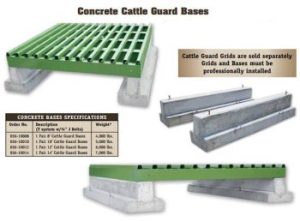
Cattle Guard on Foundations

Investigating local zoning laws and installation regulations is another critical step before committing to a guard. Many areas have specific requirements regarding the dimensions, load capacity, and design of cattle guards to ensure they are safe and effective. Additionally, the potential environmental impact, including effects on local wildlife, needs to be taken into consideration. Planning to incorporate a cattle guard into a property infrastructure also requires a thorough assessment of the daily traffic expected across the guard and the weight load it should support, ensuring that it remains functional and durable over time.

Finally, consultation with industry professionals and other cattle owners who have previously installed cattle guards can provide invaluable insights and recommendations. This pre-purchase research is essential not just for regulatory and practical compliance, but also to optimize the investment in terms of cost, longevity, and effectiveness in managing livestock movement. By addressing these factors meticulously, property owners can substantially mitigate the risks and enhance the utility of their cattle guard installations.

Assessment of Local Regulations and Requirements

Before installing a cattle guard, it is critical to assess local regulations and requirements, as these can significantly influence both the design and the implementation of the installation. Local regulations may include specific standards regarding the dimensions, materials, and load-bearing capacity of cattle guards. These regulations are often in place to ensure that the cattle guards are safe for both the livestock and any vehicles that pass over them. Compliance with these regulations is not only a legal requirement but also essential for the safety and efficacy of the cattle guard.

In addition to legal requirements, understanding local wildlife and environmental protections is crucial. Some areas may have specific guidelines to prevent disruption to local wildlife habitats or to address environmental concerns such as water runoff and soil erosion. Failure to comply with these regulations can result in legal penalties, including fines and mandatory removal of non-compliant installations.

Researching these local requirements typically involves contacting local building authorities or agricultural extension offices. These bodies can provide up-to-date information on all applicable standards and permits required in your area. This preliminary research helps ensure that your cattle guard is installed legally and effectively, avoiding costly future modifications or legal challenges.

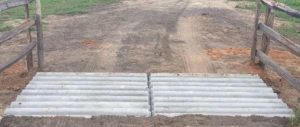
Concrete Cattle Guard

concrete cattle guard crossing

What Research Should Be Done Before Purchasing a Cattle Guard?

When planning to purchase and install a cattle guard, thorough research is integral to ensure the choice matches both the functional requirements and the legal standards. Here’s an outline of the essential research areas before making a purchase:

Local Regulations and Compliance

As already stated, checking with local regulatory bodies to ensure the cattle guard meets all legal requirements is critical. This includes dimensions, materials, and load-bearing specifications.

Material and Design Options

Researching different materials (steel, concrete, etc.) and designs that are suited to the specific needs of the site and the types of vehicles and livestock involved. Each material and design has its advantages and drawbacks in terms of durability, maintenance, and effectiveness.

Manufacturer Reputation and Reviews

Investigating manufacturers, reading reviews, and possibly speaking to past customers can provide insights into the quality of the cattle guards and the customer service provided.

Installation Requirements

Understanding the terrain and installation conditions of the site is crucial. This includes evaluating soil composition and drainage conditions, which can affect the type of cattle guard needed as well as the complexity and cost of installation.

Freezing levels in the soil can also alter the installation requirements for the foundations. Freezing can cause ‘heaving’ in the soil and if the foundation isn’t below the freeze level, it can alter the crossing and create an uneven installation.

Be sure to consult a local contractor familiar with the site conditions to ensure a long-lasting cattle grid barrier.

Long-term Maintenance and Durability

Considering the maintenance requirements and expected lifespan of the cattle guard based on the environment and usage helps in choosing a product that offers long-term value.

Some guards are available with a hinged cleanout section while others are removable from the surrounding skirt for easy cleaning. Keeping the open vault area below the top rails free from dirt, debris, and even packed snow is important for the guard to remain an effective deterrent for cows.


Installed Cattle Guard
cattle grate installed in a roadway
Boxed Cattle Guard

cattle guard with a box

Cost versus Budget

Finally, aligning your findings with the available budget, including installation and potential future maintenance costs, ensures that the purchase stays economically feasible.

By conducting thorough research covering these areas, you can make a well-informed decision that ensures the functionality, compliance, and durability of your cattle guard investment.

Understanding Different Types of Cattle Guards

When considering the installation of cattle guards on your property, it is crucial to understand the different types available. Each type of cattle guard is designed to suit specific environments and purposes. The primary types include flat cattle guards, which are common and effective in flat terrain areas; box cattle guards, which are recognized for their strength and are often used in high traffic areas; and the more specific guards such as those made from concrete or steel.

Steel cattle guards are popular for their durability and effectiveness. They can be painted or coated to resist rust and corrosion, extending their lifespan. Concrete cattle guards are less common but are praised for their longevity and low maintenance, although they are generally more expensive and harder to install.

In terms of design, some cattle guards are built to be removable or portable, which is beneficial for temporary installations or areas where access needs may change. Others are designed to be buried, integrating more seamlessly with the terrain but requiring more intensive installation processes.

Thorough research should be conducted to ensure that it suits your specific needs. Investigate the types of cattle guards that are most effective for the kinds of vehicles and animals that will frequently pass over them. Consideration should also be given to the environmental conditions of the area, as this can impact the material and type of guard that will be most effective.

One should also consider local wildlife regulations, as certain designs might be better suited to preventing specific animals from crossing. Additionally, reviewing case studies or testimonials from other users can provide valuable insights into the performance and reliability concerts of different models under similar conditions.

Another essential aspect of pre-purchase research involves understanding the installation requirements and whether professional assistance will be needed. This includes assessing whether the terrain needs significant preparation or if the cattle guard can be installed as is. Cost comparisons across different types and brands can also highlight potential savings or better investments based on durability and maintenance needs.

Finally, contacting local authorities or consulting with an agricultural extension office can provide critical information on compliance with local regulations, permit requirements, and any potential legal issues associated with the installation of cattle guards. This step is crucial, as non-compliance can result in fines or required removal of the cattle guard.

Taking these steps ensures that you select the most appropriate cattle guard that provides effective functionality and complies with local standards, thereby safeguarding your investment and enhancing the operational efficiency of your property.

Evaluating the Ground and Installation Conditions

When considering the installation of a cattle guard, evaluating the ground and installation conditions is crucial. This assessment ensures that the cattle guard can be properly installed and function effectively for its intended purpose. The evaluation involves several key aspects such as soil type, drainage, and the levelness of the land.

Firstly, understanding the soil type is critical as different soils have varying capacities to bear weight and maintain structure under pressure. For example, sandy or loamy soils may require additional reinforcement to ensure that the cattle guard does not sink or shift after installation. Conversely, clay-heavy soils might offer a more stable base but could pose problems with drainage.

Drainage is another critical factor. Proper drainage is essential to prevent water from pooling around or under the cattle guard. Pooled water can lead to accelerated corrosion of metal components and potentially undermine the stability of the installation. Ensuring that the installation site has adequate drainage or engineering solutions to manage water effectively is a must.

The level of the terrain also plays a significant role. Installing a cattle guard on uneven ground can lead to improper functioning or even accidents. It is necessary to either select a naturally level area or undertake ground leveling during the installation process.

Cattle Guard Research

Conducting thorough research is essential to ensure that it meets all necessary criteria for effectiveness, durability, and compliance with local regulations. First, understanding local regulations and requirements is imperative. Certain areas might have specific standards or restrictions regarding the design, size, and installation of cattle guards.

Secondly, researching different types of cattle guards available that are suited to both the type of livestock and the vehicular traffic expected is crucial. Cattle guards are made from various materials such as steel or concrete, and each material offers different benefits and longevity. Knowing the load requirements and estimating the frequency and weight of vehicles that will pass over the guard helps in selecting the right type and strength of the cattle guard.

Additionally, cost analyses and budget considerations can significantly influence the choice of a guard. Prices can vary considerably based on material, size, and design complexity. Evaluating the overall expenses, including installation and potential maintenance costs, helps in making a financially viable decision.

By combining findings from these key areas of research, you can select a cattle guard that suits your specific needs and conditions, thereby ensuring the safety of both livestock and vehicular traffic.

Analysis of Load Requirements and Durability

Analyzing the load requirements and durability of cattle guards is crucial for ensuring they withstand the daily demands of farm traffic and environmental conditions. Load requirements must be carefully assessed based on the types of vehicles and equipment that will frequently cross the guard. For instance, a cattle guard used in light agricultural settings where only small farm vehicles and average-sized cars pass may not need to be as robust as one used in industrial applications where heavy machinery like trucks or tractors will frequently cross.

The durability of a cattle guard largely depends on the materials used in its construction. Typically, steel and concrete are the predominant materials chosen for their strength and longevity. When selecting the material, consider factors like rust resistance, especially in wetter climates, and the ability to bear the weight of heavily loaded vehicles without bending or bucking.

Research should also focus on the design specifics such as beam spacing, which plays an essential role in deterring livestock from crossing while maximizing vehicle safety and structural stability. The depth and the coping strategies for maintenance, like regular checks and the application of rust-preventative treatments, should not be overlooked.

For help with selection, you may contact Barn World and make sure to consider the following for an informed decision:
– **Local Regulations**: Verify local laws and transportation standards to ensure compliance. Regulations might dictate specific dimensions, material requirements, and load-bearing capacities.
– **Types of Cattle Guards**: Understand the different types, such as flat, box, or round pipe cattle guards, to choose one that suits the specific needs of your farm or ranch. There’s even an ATV Cattle Guard designed to drop right into your fence line!

ATV Cattle Guard

atv on a cattle guard

– **Site Assessment**: Consider the location of the cattle guard installation. Assess the terrain, the type of soil, the expected drainage, and any environmental influences that could affect the longevity and effectiveness of the guard.
– **Supplier Reputation and Quality**: Research the manufacturers and suppliers. Look at reviews, ask for referrals from other farmers or industry professionals, and assess the warranty and after-sales service provided.
– **Cost vs. Benefit**: Evaluate the cost considerations against the expected lifetime and maintenance needs. Cheaper options might entail higher long-term maintenance costs.

Gathering information on these points will help ensure that the selected cattle guard not only meets legal and quality standards but also fits the budget and is sustainable for the intended use environment, ensuring safety and productivity on the property.

Cost Analysis and Budget Considerations

Cost analysis and budget considerations are crucial when planning to install a cattle guard. A well-planned budget not only helps in controlling costs but also ensures efficient resource allocation. The first step in a cost analysis is to determine the price range of various types of cattle guards. Prices can vary significantly depending on the materials (steel, concrete, plastic), durability, and manufacturer reputation.

After identifying the initial cost, it’s essential to consider installation expenses. The complexity of the installation can influence costs; for example, groundwork preparation can include leveling the site and creating suitable drainage, both of which require manpower and machinery. Additionally, factors like the location’s geographical and environmental elements can impact transportation costs of materials to the site.

Long-term considerations should not be overlooked either. Maintenance costs must be evaluated, as some types of cattle guards require more frequent servicing or replacement parts to remain effective. The expected lifespan of the cattle guard and its warranty should also be considered, as these will impact long-term value and potential future expenditures. Establishing a comprehensive budget that includes these aspects will help in making an informed decision that balances cost with functionality and longevity.

Regarding the research necessary before purchasing a cattle guard, several pivotal factors should be investigated to ensure an appropriate and effective purchase. First, conducting a thorough assessment of local regulations and requirements is imperative; different regions may have specific codes or permits related to the installation of cattle guards. Understanding these requirements can save time, money, and legal complications.

Secondly, researching the different types of cattle guards and their suitability for specific environments or animals is essential. Some cattle guards are better suited for heavy traffic or larger animal breeds, so matching the cattle guard’s specifications with the expected use is crucial.

In addition, evaluating the ground and installation conditions where the cattle guard will be placed can prevent future performance issues. It is important to know if the terrain requires special equipment or techniques for installation and whether the ground can support the weight and frequency of traffic expected over the guard.

Lastly, analyzing load requirements and evaluating the durability of different types of cattle guards can help ensure that the chosen model can withstand the demands of the intended use without premature failure.

Conducting comprehensive research on these topics before making a purchase will help in selecting a cattle guard that is effective, compliant with local regulations, and suitable for specific conditions, ensuring safety and functionality.

Contact Barn World and they’ll be happy to help with your project today! (720) 238-2190 Sales@BarnWorld.com

Facebooktwitteryoutube

How Do Cattle Guards Impact Animal Behavior?

Cattle guards, also known as cattle grids, have long been employed in rural and agricultural settings as a means to control the movement of livestock without obstructing vehicle mobility. Embedded across roadways or entrances to pastures, these devices consist of a series of bars or pipes that create gaps too wide for animals’ feet to cross comfortably, thus deterring them from passing over. While primarily functional and cost-effective, these structures introduce a novel element into the landscape—one that undeniably impacts animal behavior.

Research into how cattle guards affect livestock and wildlife unveils a complex tapestry of behavioral adaptations and stress responses. For instance, cattle and horses, may exhibit signs of confusion or stress upon encountering these unfamiliar barriers, impacting their natural grazing patterns and social interactions. Moreover, the effectiveness and ethical implications of using such barriers raise important considerations about animal welfare and the preservation of native wildlife pathways. As ecosystems where cattle guards are used often overlap with habitats for various wild species, understanding these interactions is crucial for maintaining balance between human agricultural practices and animal conservation efforts.

Furthermore, the psychological impact of cattle guards on animals is an area of increasing interest. The visual and physical presence of these barriers can lead to learned avoidance behaviors over time, which may alter how herds access resources like water, shade, and feeding areas. Exploration of these aspects is essential for developing strategies that mitigate stress and promote the wellbeing of all affected species, contributing to a more holistic approach to livestock management and land use planning.


Alteration in Movement Patterns

Alteration in movement patterns is a significant behavioral change seen in cattle and other ungulates due to the presence of cattle guards. Cattle guards are physical barriers installed on roads to prevent livestock from crossing certain boundaries while allowing vehicles to pass without interruption. The traditional design of cattle guards is based on a series of parallel bars with spaces in between, which create an uneven and challenging surface for animals to walk over. This structure effectively utilizes the natural reluctance of cattle to tread on unstable or visually confusing surfaces.

The presence of these guards significantly alters the natural movement patterns of cattle. Under normal conditions, these animals roam freely over large areas, which is essential for their feeding, social interactions, and overall health. However, when their usual pathways are interrupted by cattle guards, cattle might limit their movements to avoid the unsettling surface, leading to a reduction in their accessible grazing area. This restriction can force animals to remain in confined areas longer than they naturally would, which may not only affect their grazing patterns but also their social interactions with other members of the herd.

Moreover, the alteration in movement patterns caused by cattle guards can lead to stress among cattle. While they provide a practical solution for managing livestock boundaries without closed gates, they also restrict the natural roaming behavior of these animals. Stress can result from both the physical barrier itself and the psychological impact of confinement. Over time, this stress can affect the overall welfare and health of the cattle, potentially leading to decreased productivity and increased susceptibility to disease.

In conclusion, while cattle the guards are an effective tool for controlling the movement of livestock without the constant need for human intervention, they do have significant impacts on the behavior and welfare of animals. Understanding these impacts is crucial for farmers and ranchers to manage their livestock in a way that minimizes stress and promotes healthy, natural behaviors. Where possible, alternative methods such as increased human supervision or technological solutions like GPS-based virtual fencing could be explored to enhance animal welfare while still effectively managing livestock boundaries.


Stress and Injury Risks

Cattle guards are barriers used in livestock management that are designed to prevent cattle and other types of livestock from crossing, without the need for gates. While cattle guards are effective in terms of boundary control and can significantly ease the management of large pastures, their impact on animal behavior, particularly in terms of stress and injury risks, warrants attention.

The presence of cattle guards can lead to stress among livestock primarily because these barriers are unfamiliar and can appear intimidating. Animals may be unsure of how to navigate over them, leading to stress responses such as hesitancy, confusion, or panic. This stress is not insignificant, as it can lead to reduced overall well-being, which in turn could impact the health and productivity of the livestock.

Injuries are another significant risk associated with cattle guards. Animals that attempt to cross cattle guards may slip or get their feet caught in the guards, leading to potential injuries like sprains, fractures, or even more severe trauma. Such injuries not only cause immediate pain and suffering to the animals but can also have long-term effects on their mobility and health.

Moreover, the stress and possibility of injury can alter the natural behaviors of the animals. For instance, cattle may avoid areas near the cattle guards to escape the negative experiences associated with them, which can affect their grazing patterns and social interactions. In grazing systems where movement and access to diverse pastures are necessary for health and environmental management, such limitations can undermine the effectiveness of pastoral systems.

Understanding these impacts is crucial for livestock management strategies that aim for both efficient operation and humane treatment of animals. Solutions might include designing cattle guards that are safer and less intimidating for animals, or providing alternative methods for controlling movement that do not involve physical barriers. Additionally, proper training for livestock to familiarize them with such structures and regular monitoring for potential injuries can help mitigate some of the risks associated with cattle guards. Implementing these measures can help ensure that the benefits of using cattle guards do not come at the cost of animal welfare.


Effect on Grazing Habits

Cattle guards are barriers used primarily on roadways and property entrances to prevent livestock, such as cattle, from crossing an area while allowing vehicles to pass without the need to open and close gates. While effective for this purpose, cattle guards can significantly impact animal behavior, particularly in how they affect grazing habits.

Grazing habits are crucial for the health and well-being of livestock. Normally, cattle move around a pasture to find the best grazing spots, which is essential for their diet and to avoid overgrazing in a particular area of the pasture. However, the presence of cattle guards can restrict the natural movement of these animals. Since cattle perceive these guards as physical barriers, they may not cross them even when better grazing fields lie on the other side. This could lead to uneven grazing patterns where areas accessible without crossing the guard might be overgrazed while areas beyond the guard remain underutilized.

This change in grazing habits due to cattle guards can have several implications. First, it can lead to nutritional deficiencies if the accessible grazing area does not provide adequate or balanced nutrients. Overgrazing in small areas can also lead to soil degradation, which can further reduce the quality of the pasture over time, thus creating a feedback loop that diminishes the grazing quality available.

Further, the alteration in where and how cattle graze can inadvertently put stress on the animals. Grazing is a natural behavior, and restrictions on this behavior can create frustration and stress. Moreover, when cattle are confined to smaller areas, there is likely to be increased competition for the available food, which can lead to aggressive interactions among the cattle.

In conclusion, while cattle guards serve an important role in livestock management by aiding in the control of cattle movements and reducing the need for constant human supervision at gates, they can influence cattle behaviors and grazing patterns significantly. It is essential for managers and farmers to consider these behavioral changes when planning pasture management and the placement of cattle guards to ensure the health and well-being of their livestock. To mitigate some of the adverse effects, alternative strategies such as rotational grazing or providing supplemental feeding stations might be necessary.


Impact on Social Structures

Cattle guards are barriers installed on the roadbeds to prevent livestock, particularly cattle, from crossing into restricted areas while allowing vehicles to pass seamlessly. While effective for managing livestock within designated boundaries without the need for gates, cattle guards can significantly impact animal behavior, particularly affecting their social structures.

Social structures are critical in cattle herds; these structures determine how cattle interact, establish hierarchies, and form bonds. By restricting movement with cattle guards, certain members of the herd may become isolated from others. For example, younger or weaker animals might be left behind if they are unable to cross the guard as effectively as their counterparts. This separation can disrupt the natural following and leading behaviors observed in herd dynamics where typically, calves follow their mothers and leaders emerge to guide the herd to grazing and water areas.

Moreover, the disruption of social structures can lead to increased stress and anxiety among cattle. When separated from the herd, both the isolated individuals and the main group can exhibit signs of distress, manifesting as vocalizations, restlessness, and even aggressive behaviors. These stress responses not only affect their well-being but also can lead to declines in overall health and productivity, impacting their growth, reproduction, and immunity.

Isolation caused by inability to cross cattle guards can also disrupt learned behaviors and the transfer of knowledge within the herd, particularly from older to younger animals. Herds use collective memory to recall locations of food, water sources, and shelter, and disruptions in social structure might impede these crucial learning moments. Thus, while cattle guards are effective management tools, understanding and mitigating their impacts on animal behavior is essential to ensure the welfare and efficient management of livestock.


Behavioral Adaptations and Learning

Behavioral adaptations and learning in animals, particularly in livestock like cattle, are crucial for survival and efficient management. Animals often learn to adapt their behaviors in response to environmental changes and artificial structures introduced into their habitats, such as cattle guards. Cattle guards are designed to prevent cattle from crossing into prohibited areas, primarily to eliminate the need for gates and to facilitate vehicle movement without the encumbrance of opening and closing gates. However, these structures can significantly influence animal behavior.

The introduction of cattle guards can lead to various behavioral adaptations. Initially, cattle might approach these guards with curiosity, but they soon learn to avoid them due to the uncomfortable feeling of their feet on the rails or the fear of getting trapped. This learning process involves the animal modifying its behavior through experience, which is a clear illustration of how environmental features can drive behavioral change. Over time, cattle may become conditioned to avoid these areas altogether, which effectively alters their natural movement patterns across the landscape.

Moreover, the presence of cattle guards not just affects individual behavior but can also influence the dynamics of the herd. As some animals learn faster than others, this can lead to variations in grazing patterns and social interactions within the group. Animals that quickly learn to avoid cattle guards might lead others away from these areas, while the less quickly adapting individuals might attempt crossings and potentially suffer from stress or injury. This not only impacts the physical health of the animals but can also affect their social hierarchies and cohesion as a group.

Additionally, the stress associated with encountering an unfamiliar or unpleasant structure like a cattle guard can lead to broader implications for cattle management and welfare. Frequent encounters with such stressors can result in chronic stress, leading to decreased immune responses, reproductive issues, and altered feeding behaviors, all of which can significantly impact the productivity and profitability of livestock operations.

Understanding these behavioral adaptations and learning processes is essential for designing more effective cattle management systems that both prevent unwanted movements and respect the natural behaviors and welfare of the animals. It is also vital for making informed decisions about where and how to implement cattle guards or other management tools to minimize negative impacts on animal behavior and welfare.

Facebooktwitteryoutube

What Features Are Important for Cattle Guards Used in High Traffic Areas?

In agricultural and rural settings, where the movement of livestock intersects with vehicle pathways, cattle guards present a critical solution for unimpeded traffic while keeping animals securely contained. These cattle guards are especially crucial in high traffic areas, where the frequency and variety of vehicles demand robust and reliable designs. The importance of selecting the right features for cattle guards cannot be overstated, as the safety of both livestock and drivers hinges on their effectiveness and durability.

A cattle guard for high traffic areas must be constructed with several imperative features in mind. First, the load-bearing capacity is a significant consideration; the cattle guard must be able to withstand the weight and continuous stress of heavy vehicles, including commercial trucks and emergency vehicles. Additionally, the material used plays a pivotal role in the longevity and maintenance of the guard. Typically, materials such as steel are favored for their strength and resistance to wear and corrosion. Besides structural integrity, the design must also ensure practical usability and safety, incorporating elements that prevent hoof trapping and minimize the risk of animal injury or vehicle damage.

Moreover, visibility and adaptability to various road conditions and weather phenomena are critical for cattle guards in high traffic areas. Reflective coatings and strategic placement ensure that the barriers are visible in poor lighting or adverse weather conditions, enhancing safety for all road users. In summary, the effectiveness of cattle guards in high-traffic areas is dependent on a holistic approach to their design and installation, emphasizing strength, safety, and visibility to accommodate both heavy vehicular use and livestock control.


Load Capacity and Durability

When considering cattle guards for use in areas of high traffic, one of the most crucial aspects is load capacity and durability. Load capacity refers to the maximum load the cattle guard can withstand without deforming or failing. This includes the weight of passing vehicles, which can range from light cars to heavy agricultural and industrial machinery. For high traffic areas, especially those accessed by heavier vehicles, it is imperative that cattle guards are built to handle such loads consistently over an extended period.

Durability, on the other hand, concerns the cattle guard’s ability to withstand various environmental and operational stresses over time without degradation. This includes resistance to corrosion, wear and tear from vehicular movement, and any potential damage from animals themselves. A durable cattle guard is typically made from high-strength materials like steel or reinforced concrete that can resist these pressures.

When cattle guards are installed in places with significant vehicular movement, both load capacity and durability become even more important. This is because failure of a cattle guard in such settings not only disrupts traffic and poses a risk of accidents but also can lead to cattle or other livestock straying onto roadways, causing further safety concerns.

For cattle guards in high traffic areas, several specific design and construction features are crucial:
– **Material Choices:** Materials such as high-grade steel, which can handle repeated stress and exposure to various weather conditions, are preferable. Coatings or treatments that enhance resistance to rust and corrosion are also beneficial.

– **Structural Design:** The design should promote strength and endurance. This includes considerations like beam size, spacing, and the depth of the guard itself, ensuring that it can support heavy loads without structural failure.

– **Support and Foundations:** Adequate underlying support is key to maintaining the integrity of the cattle guard. Reinforced concrete foundations or well-anchored steel bases can help absorb the shock and weight of passing traffic, reducing stress on the guard structure.

Ensuring robust load capacity and durability in cattle guards is essential for the safety and efficiency of roads in rural and agricultural settings where such systems are employed. By prioritizing these features, transportation officials and property owners can effectively prevent livestock from entering restricted areas without impeding vehicular movement. This proactive approach minimizes maintenance costs and maximizes the functionality and lifespan of the cattle guard.


Material and Construction Quality

Material and construction quality are crucial aspects to consider when dealing with cattle guards, especially in high-traffic areas. The primary function of a cattle guard is to prevent livestock from crossing a boundary while allowing vehicles to pass without the need for a gate. For cattle guards to perform this function effectively and safely over a long period, the materials used and the quality of construction must be of high standards.

Cattle guards are typically made from steel or concrete, materials chosen for their durability and strength. Steel cattle guards are often favored for their high load-bearing capabilities and resistance to deformation under the weight of heavy traffic. High-quality steel that is properly treated can resist corrosion and wear, which are vital features in environments with extreme weather conditions or heavy chemical exposure (like road salts or agricultural chemicals). Concrete cattle guards, on the other hand, are appreciated for their longevity and lower maintenance needs. They can be precast in controlled environments to ensure uniform quality and performance.

When considering construction quality, welding and joinery are pivotal factors. For steel cattle guards, welds must be strong and consistent to ensure that the grid does not separate under the stress of passing traffic. The design should consider the distribution of weight and the types of vehicles that will typically cross the guard. The edges should be smoothly connected to prevent injury to crossing animals or damage to vehicle tires.

In high-traffic areas, the importance of robust material and high construction quality cannot be overstated. These areas likely see a range of vehicle types, from light passenger cars to heavy trucks, which means the cattle guards must withstand considerable cumulative weight and stress throughout their lifespan. Additionally, the frequent use demands that these installations maintain their integrity without requiring frequent repairs, which could disrupt traffic.

Besides choosing the right materials and ensuring top-notch construction, other important features for cattle guards in high-traffic areas include non-slip surfaces to enhance vehicle safety in adverse weather conditions and easy-to-clean designs that prevent buildup of debris and dirt, which might otherwise compromise the functionality and safety of the cattle guard. Adopting these features not only enhances the efficiency of the cattle guard but also extends its service life, making it a wise investment for managing roadways and livestock boundaries effectively.


Safety Features and Animal Protection

Safety features and animal protection are critical components when considering the design and implementation of cattle guards in any context, particularly on busy roads or highways. These safety features are not only crucial for the protection of the livestock but also essential for the safety of vehicle drivers and passengers. Effective cattle guards prevent animals from crossing into areas where they might cause accidents or encounter harm while also allowing vehicles to pass without interruption.

Cattle guards are designed to create a physical barrier for livestock, usually consisting of several beams or rails spaced apart over a ditch or excavation. The spacing is calibrated to be wide enough so that animals such as cattle cannot safely cross without risking getting their feet trapped, yet close enough that vehicles can pass over without difficulty. It is imperative that these structures are designed in such a way as to minimize any potential risk or injury to the livestock. For animal protection, the cattle guard must feature smooth, rounded edges to prevent injuries to the hooves or legs of livestock that may accidentally step on them.

When considering cattle guards for high traffic areas, additional features might include high visibility markings and signage to alert drivers of their presence. The durability of materials used is also paramount, as the guard must withstand the heavy, constant traffic of a busy road without failing. Furthermore, it’s crucial that these devices do not shift or become unstable over time, as this could pose serious safety risks to both the vehicles and the animals.

Another significant consideration for handlers and developers is ensuring that the guards can accommodate local wildlife safely. In some regions, smaller wildlife might also need to cross roads, and so the design must consider ways to allow for their safe passage, possibly through wildlife underpasses or smaller escape routes integrated into the cattle guard itself.

Ultimately, a well-designed cattle guard in high traffic areas serves a dual purpose of keeping both animals and drivers safe. Incorporating comprehensive safety features and ensuring robust protection for all animals will help maintain the efficiency and security of these transportation routes, minimizing the risk of accidents and injuries. Proper planning and consultation with wildlife experts and structural engineers can lead to the development of cattle guards that are both effective and humane, supporting a balanced coexistence between human transportation needs and wildlife conservation.


Maintenance Requirements

Maintenance requirements are a critical aspect of managing cattle guards, particularly when they are implemented in areas that experience high traffic, either by vehicles or livestock. These maintenance needs are imperative to ensure that cattle guards continue to function efficiently and effectively over time, minimizing operational disruptions and promoting safety.

High-traffic cattle guards undergo additonal stress due to the constant weight and passage of vehicles, which can lead to faster wear and tear. It is essential that these cattle guards are constructed with high durability in mind, and that they have a maintenance plan that is easy to implement. Key maintenance tasks typically include regular checks for debris removal, structural integrity inspections, and ensuring that the cattle guard remains free of rust and corrosion if made from metal materials. Accumulated debris such as mud, leaves, or snow can hinder the functionality of the guard, making it easier for cattle to cross over or causing significant damage to the structure.

In terms of features crucial for cattle guards in high traffic areas, load capacity is paramount. These cattle guards must be able to support the weight of heavy vehicles, including commercial and emergency vehicles, without any risk of collapse or significant wear. Furthermore, galvanized steel is often chosen for its resistance to rust and general durability, ensuring long term resilience against environmental factors.

Another key aspect is the design of the bars or beams, which should be spaced optimally to prevent hooves from getting caught while also supporting the weight of crossing vehicles. Additionally, the ease of installation and the capability to integrate seamlessly with existing road infrastructures are vital. This includes the ability to attach to various types of road surfaces and the integration with nearby fencing to prevent bypassing by livestock around the guard.

Overall, while cattle guards are simple in principle, the details of their design, installation, and maintenance become particularly complex and crucial in high traffic scenarios. Regular and rigorous maintenance schedules can greatly extend the life span and functionality of cattle guards, reducing the need for frequent replacements and ensuring both animal safety and vehicle security.


Installation and Integration with Road Infrastructure

Installation and integration with road infrastructure are crucial aspects when considering cattle guards in high traffic areas. This ensures seamless and safe transitions for vehicles moving across different sections of a road where livestock and wildlife may cross. Proper installation involves more than just placing the cattle guard on the road; it must be tailored to fit precisely against existing roadways, ensuring that the pavement and the cattle guard align perfectly without any uneven surfaces that could potentially harm vehicles or cause accidents.

For cattle guards in high traffic areas, the installation process must also include consideration of the surrounding infrastructure. This can involve the integration with nearby fencing, gates, and even sophisticated systems like automatic gate mechanisms or flashing warning lights to alert drivers. Each installation must be planned and executed while adhering to local road safety standards and regulations to ensure both human and animal safety.

In addition, coordination with road planners and engineers is essential to ascertain that the cattle guard’s placement does not interfere with normal traffic flow or road maintenance operations such as snow plowing and street sweeping. It also involves ensuring that there’s adequate drainage to prevent water build-up near the cattle guard, which could decrease its effectiveness or lead to increased road wear or vehicle hazards.

For cattle guards used in high traffic areas, durability and load capacity are similarly critical factors to ensure heavy vehicles, including trucks and buses, can cross safely without damaging the guard or the road. To maintain these high standards, materials used in construction must resist corrosion and withstand constant heavy use, often requiring galvanized steel or reinforced concrete materials.

Overall, the integration of cattle guards with road infrastructure requires a meticulous approach that prioritizes long-term reliability and safety. It is vital to undertake regular inspections and immediate repairs if necessary, to maintain the effectiveness and safety of the cattle guard as an integral part of the road infrastructure.

Facebooktwitteryoutube

How Can Cattle Guards Be Made Safer for Wildlife?

Cattle guards are a familiar and essential feature in rural and agricultural landscapes, designed primarily to restrict the movement of livestock while allowing vehicles unfettered access without the need for manual gates. Traditionally constructed from steel or concrete, these ground-level barriers operate by creating a gap that is challenging for hoofed animals to navigate, thus keeping them within designated boundaries. However, while effective for their primary purpose, these structures can pose significant risks to wildlife. Numerous species, smaller than the livestock these guards are intended to deter, can become trapped or injured in the gaps, leading to distressing outcomes both for the animals and for biodiversity as a whole.

The intersection of human agricultural practices with natural habitats often requires thoughtful management to maintain ecological balance. Safeguarding wildlife while still meeting the needs of agricultural production calls for innovative modifications to existing structures like cattle guards. Researchers and conservationists are exploring a variety of strategies to enhance the safety of these barriers for wildlife, attempting to mitigate their inherent dangers. These initiatives include designing adjustable gaps, employing wildlife-friendly materials, and integrating guard designs that can differentiate between livestock and smaller wildlife species.

Addressing this issue not only alleviates the immediate physical threats to animals but also contributes to broader conservation efforts. It represents a step toward more sustainable farming practices that respect and preserve the native fauna. Through careful planning and collaboration between farmers, wildlife experts, and environmental engineers, it is possible to redesign cattle guards to be both effective for livestock containment and safe for all creatures. By highlighting this concern and addressing the possible solutions, communities can work together to ensure that the coexistence between agricultural activities and wildlife conservation is both peaceful and productive.


Design Modifications to Prevent Entrapment

Design modifications to prevent entrapment in cattle guards are crucial for reducing the unintended consequences these structures can have on wildlife. Traditional cattle guards are designed with gaps that effectively prevent livestock from crossing them, but unfortunately, these same gaps can pose serious hazards to wildlife. Smaller animals, in particular, can become trapped or injured if they attempt to cross these barriers. To mitigate these risks, several design modifications can be implemented.

One effective modification is the use of narrower spacing between the bars of the cattle guard. This adjustment can help prevent smaller wildlife species from slipping through and becoming trapped. Additionally, covering traditional open guards with grates or meshes that support wildlife while still deterring livestock is another viable solution. Such modifications allow animals to cross safely over the cattle guard without injury.

Another critical aspect of making cattle guards safer for wildlife involves the installation of ramp systems on the sides of the guard. These ramps provide an escape route for animals that may accidentally find themselves in the guard. The ramps are typically sloped and textured to allow animals to climb out easily without slipping.

Integrating these design changes requires collaboration between wildlife experts, environmentalists, and ranchers to ensure that the solutions are effective for animal safety and do not compromise the primary function of the cattle guards. It is also important to consider the ecological impacts of any modifications to ensure they do not disturb local wildlife behaviors or habitats. With thoughtful design and implementation, cattle guards can be adapted to be more wildlife-friendly, significantly reducing the risk of injury or death among various animal species.


Use of Wildlife Escape Ramps

The use of wildlife escape ramps in cattle guards is an important modification that can significantly enhance the safety of wildlife. These ramps are specifically engineered structures integrated into or alongside cattle guards. They are designed to provide an easy exit for animals that might accidentally wander onto or get trapped within the cattle guard. Escape ramps typically slope gently from the bottom of the cattle guard up to the surrounding terrain, allowing animals to climb out safely and with relative ease.

One primary purpose of these ramps is to mitigate the risks that cattle guards pose to smaller wildlife, which might not be able to cross these structures safely. Instances where animals, particularly small or young ones, get stuck in cattle guards are not uncommon, and these can result in severe injury or even death. Wildlife escape ramps address this issue by offering an escape route.

To make cattle guards safer for wildlife, several considerations need to be addressed during the design and implementation of escape ramps. The ramps must be constructed from materials that provide enough grip for animals to climb without slipping, even in wet conditions. The gradient of the ramps should be gentle enough to allow small and potentially weak animals to use them without exerting excessive effort, which might not be possible for them if they are already stressed or injured.

In addition to escape ramps, visual deterrents can also be integrated around cattle guards to prevent wildlife from approaching these potentially dangerous structures in the first place. However, when animals do enter areas with cattle guards, escape ramps are crucial in preventing prolonged entrapment and reducing mortality rates among wildlife populations.

Furthermore, regular inspection and maintenance of these escape ramps are vital to ensure they remain effective and safe for wildlife use. Debris, such as mud, branches, and leaves, can accumulate over time, potentially rendering the ramps slippery or blocked. Local wildlife agencies and conservation groups often collaborate to monitor these structures, ensuring their functionality and adjusting them as needed based on the types of animals prevalent in the area.

By incorporating wildlife escape ramps, communities can significantly reduce the ecological impact of cattle guards, balancing the needs of agricultural operations with the preservation of local fauna. This not only helps in safeguarding wildlife but also aids in maintaining biodiversity and ecological harmony in rural settings.


Installation of Wildlife-Friendly Gates or Bypasses

Installation of wildlife-friendly gates or bypasses is a crucial strategy in mitigating the negative impacts that traditional cattle guards have on wildlife. These structures are designed with the welfare of wildlife in mind, offering them a safe path to cross through or around fenced areas without the risk of injury or death. This solution not often only contributes to wildlife conservation but also supports the maintenance of natural migration routes disrupted by human-made barriers.

Wildlife-friendly gates involve modifying gate designs so that they can still restrict cattle but allow wildlife to pass through easily. This can be done by integrating small passable openings or specific modifications tailored to the local fauna that need to cross the area. On the other hand, wildlife bypasses are alternative pathways that provide safe crossings for wildlife around potentially dangerous cattle guards. These bypasses are strategically placed to ensure they meet wildlife where they naturally attempt to cross.

To enhance the safety of cattle guards for wildlife, these modifications must be part of a comprehensive approach that includes thoughtful design and strategic placement, ensuring they are effective and practical for both livestock management and wildlife preservation. Furthermore, the designs should be adaptable to various wildlife species that are common in the area of installation. Regular monitoring and maintenance must be carried out to ensure these wildlife-friendly solutions remain effective and safe over time.

Overall, the challenge lies in balancing the needs of agricultural practices with environmental conservation efforts, and the installation of wildlife-friendly gates or bypasses presents a viable solution to this challenge. By adopting such innovations, communities can help maintain ecological connectivity and reduce the risk of harmful encounters between wildlife and human-made structures.


Regular Maintenance and Monitoring

Regular maintenance and monitoring are crucial components in ensuring the safety and effectiveness of cattle guards. This preventive measure is essential to extend the life of these installations and ensure they continue to function as intended without posing hazards to both livestock and wildlife.

Cattle guards are designed to prevent livestock from crossing boundaries while allowing vehicles to pass without the need to open and close gates. Over time, these structures can suffer from wear and tear due well to environmental factors, vehicular weight, and continual animal crossings. Regular maintenance includes checking for structural integrity, ensuring that the bars remain spaced correctly to prevent hoof entrapment, and verifying that no debris or sediment build-up is obstructing the guard, which might otherwise allow animals to cross.

Monitoring involves regular inspections to identify if wildlife is attempting to cross the guards or if there are areas where wildlife could be harmed. These inspections help to identify the need for immediate repairs or adjustments to maintain the functionality and safety of the structure. If broken parts are identified or if the guards are beginning to sag, immediate repair is required to prevent accidents which could harm both domestic animals and local wildlife.

One method to make cattle guards safer for wildlife is the integration of wildlife escape ramps. These ramps offer trapped animals a route to escape, thereby minimizing potential injuries or fatalities among wildlife populations. The design of the cattle guards can also be tweaked to make it difficult for smaller wildlife to enter areas where they might become trapped or injured while still effectively preventing livestock from passing.

In addition to physical adjustments, regular training and educational programs for those responsible for monitoring cattle guards can be beneficial. This would help ensure that the individuals tasked with maintenance and monitoring are knowledgeable about the latest safety protocols and wildlife conservation strategies. It is essential these practices are communicated and implemented consistently to maintain the functionality of cattle guards and uphold safety for all animals involved.


Public Awareness and Educational Programs

Public awareness and educational programs are crucial in the context of making cattle guards safer for wildlife. These programs serve to inform the general public, ranchers, and wildlife agencies about the importance of eco-friendly practices and the role that individuals can play in promoting wildlife safety. Awareness initiatives can include information on the design and installation of cattle guards that minimize harm to wildlife, as well as strategies for incorporating wildlife escape ramps and mitigating the risks associated with traditional cattle guards.

Educational programs often target local communities, schools, and stakeholders in agricultural and rural areas where wildlife and human activities intersect frequently. By spreading knowledge about the impacts of certain barriers on wildlife mobility and survival, these programs encourage more informed decision-making in land and resource management. They also play a pivotal role in advocating for changes at local or regional levels, pushing for regulations that require the installation of wildlife-friendly solutions.

Moreover, education can change public perceptions and behaviors, which is essential when introducing new technologies or methods, like modified cattle guards that include escape options or are designed to prevent animal entrapments. For example, demonstrating the effectiveness and benefits of wildlife-friendly cattle guards through workshops, seminars, or online platforms can lead to broader acceptance and use of these alternatives. Effective public awareness campaigns can leverage media, social media, and community engagement to increase their reach and impact, ensuring that the message about safeguarding wildlife while maintaining necessary agricultural practices is heard widely.

In conclusion, while technological and structural solutions are integral to making cattle guards safer for wildlife, the role of public awareness and educational programs is equally vital. These programs not only disseminate crucial information but also foster a culture of sustainability and coexistence between human land-use activities and wildlife conservation.

Facebooktwitteryoutube

What Mistakes to Avoid When Installing Cattle Guards?

Cattle guards are an essential component for landowners who need to manage livestock while allowing vehicle passage without the interruption of gates. These devices, typically made from steel or sometimes out of concrete, are installed at property entrances or across internal roads to prevent cattle from wandering out of designated areas while providing uninterrupted access for vehicles. However, improperly installed cattle guards can lead to a multitude of problems, including cattle escapes, vehicle damage, and even injuries to livestock and wildlife. To ensure these barriers function effectively and safely, it is vital to be aware of the common installation missteps.

One significant mistake is failing to consider local soil conditions and the weight load the cattle guard will need to support. This oversight can result in the cattle guard sinking or becoming unstable over time, rendering it ineffective and potentially hazardous. Additionally, incorrect sizing of the cattle guard can lead to gaps that are either too wide, posing a threat to hoofed animals, or too narrow, which might not deter smaller livestock like goats or calves effectively. Furthermore, neglecting proper drainage solutions can cause water to pool around or beneath the structures, leading to erosion, rust, or premature degradation of the materials. Lastly, overlooking legal requirements or specific regulations that govern the use of cattle guards in certain jurisdictions could not only result in a faulty installation but also legal repercussions.

Understanding these pitfalls and planning meticulously can help ensure that the installation of a cattle briskly aligns with both the functionality and safety needs of the property, ultimately serving its purpose effectively for many years. Whether installed by seasoned professionals or by DIY landowners, paying attention to these critical factors is indispensable. Thus, steering clear of these common mistakes is not just about enhancing operational efficacy but also about sustaining the welfare and security of the animals and humans who interact with these environments.


Incorrect Sizing and Load Specifications

Incorrect sizing and load specifications are critical factors to avoid when installing cattle guards. These devices are designed to prevent livestock from crossing, but incorrect specifications can lead to failure, potentially allowing animals to escape or causing damage to the guard itself. It is vital to consider the specific needs based on the type of livestock and the volume of traffic (both vehicular and animal) that will pass over the guard. Cattle guards must be able to support the weight of heavier vehicles such as farm equipment, which often crosses into pastures or fields.

To ensure the correct sizing and load specifications, it is important to adhere to local regulations and standards which often dictate the minimum requirements for cattle guards. Dimensions and load-bearing capabilities will vary, so consultation with an engineer or a professional experienced with agricultural infrastructure is recommended. Using standardized products certified by the American Association of State Highway and Transportation Officials (AASHTO) for public roadways is a good practice, even for private installations, to ensure reliability and safety.

### What Mistakes to Avoid When Installing Cattle Guards?

1. **Neglecting Legal Standards and Regulations**: Installation should comply with local, state, and federal regulations. This not only ensures the safety and effectiveness of the cattle guard but also prevents legal issues. Some geographic areas might require specific features or certain distances from property lines.

2. **Failing to Assess Load Requirements**: It’s essential to evaluate what types of loads the cattle guard will need to withstand. This includes considering the types of vehicles, such as farm equipment or emergency services, that might need to cross the guard. Underestimating load requirements can result in structural failure, which can be dangerous and costly.

3. **Skimping on Materials and Construction Quality**: The use of low-quality materials can significantly reduce the durability and effectiveness of a cattle guard. It is crucial to opt for high-grade materials that can withstand constant exposure to elements and heavy loads. Structures built from subpar materials may incur higher maintenance costs and shorter lifespans.

4. **Improper Installation**: Ensuring that cattle guards are installed on a solid, well-prepared base is key. Poor installation can lead to shifting and settling, which might compromise the structural integrity and effectiveness. Proper anchoring and alignment are crucial to withstand the forces exerted by crossing vehicles.

5. **Overlooking Maintenance:** Regular maintenance is necessary to keep cattle guards functional and safe. This includes checking for structural damage, ensuring the guard is clear of debris, and verifying that it remains securely anchored over time. Ignoring these points can lead to premature wear and potential safety hazards.

By carefully considering these aspects and consulting professionals during installation, you can significantly increase the effectiveness and longevity of cattle guards, ensuring they meet the intended safety requirements while also mitigating risks associated with incorrect installations.


Inadequate Site Preparation

Inadequate site preparation is a critical issue that can lead to several problems with the installation and long-term functionality of cattle guards. It involves the initial steps taken before the cattle guard is actually placed, which includes leveling the site, ensuring the soil is compacted and stable, and preparing any necessary foundations or supports based on soil type and expected loads.

One of the primary mistakes to avoid when installing cattle guards is failing to properly prepare the site. This involves ensuring the ground is level and stable enough to support the cattle guard without any significant settling or shifting over time. Improper site preparation can lead to the cattle guard becoming uneven or unstable, which not only reduces its effectiveness but also poses a safety risk to both cattle and vehicles.

The type of soil must be thoroughly assessed as different soil types can require different preparation methods. For instance, sandy or loamy soils may require more extensive compaction or additional support structures to prevent sinking. Areas with high moisture content or poor drainage need special attention to avoid water pooling under the cattle guard, which can lead to erosion and instability.

Additionally, when preparing the site for a cattle guard, it’s crucial to ensure that the dimensions of the foundation or pit match the specifications of the cattle power. Not providing adequate space around the edges of the cattle guard can result in structural weakness, as the weight is not properly distributed across the support area.

In summary, avoiding mistakes in site preparation for cattle guards includes ensuring the site is level and stable, assessing and preparing for the specific soil conditions, ensuring proper sizing of the foundation relative to the cattle guard, and providing adequate drainage to prevent water-related issues. These steps are essential for a durable and safe cattle guard installation that will function effectively and last for years.


Improper Drainage Installation

Improper drainage installation is a critical factor that can significantly affect the efficiency and longevity of cattle guards. A cattle guard is an essential component in rural and agricultural settings, preventing livestock from roaming beyond designated boundaries without the need for gates that must be manually opened and closed. However, the effectiveness of a cattle guard depends significantly on proper installation, especially concerning drainage.

When a cattle guard is installed, ensuring proper drainage is crucial to prevent water accumulation around or beneath the structure. Excessive moisture can cause several problems, including soil erosion and substrate softening, which may contribute to the instability of the cattle guard. Subsequently, this instability can lead to structural failure, costly repairs, and potentially dangerous situations for both livestock and vehicle traffic.

To avoid such issues, it is imperative that drainage considerations are addressed from the onset of installation. Typically, this involves grading the ground around the cattle guard to facilitate water run-off, and in some cases, installing drainage pipes or ditches to direct water away from the structure. Furthermore, the materials used for the foundation should be chosen for their drainage properties and durability under wet conditions.

#### What Mistakes to Avoid When Installing Cattle Guards?

1. **Incorrect Sizing and Load Specifications**: Installing a cattle guard without proper sizing and load considerations can lead to premature failure and safety hazards. It’s important to choose the right size and load capacity to accommodate the types of vehicles and the frequency of traffic expected over the guard.

2. **Inadequate Site Preparation**: Before installing a cattle guard, the site must be properly prepared. This includes leveling the area, removing debris, and ensuring stable soil conditions to provide a firm foundation for the cattle guard. Skipping this step can lead to shifting and settling that may render the cattle guard ineffective.

3. **Improper Drainage Installation**: As detailed earlier, failing to provide adequate drainage can lead to water accumulation, which undermines the structural integrity of the cattle guard.

4. **Use of Inappropriate Materials**: Using materials that are not suitable for cattle guards can be a critical mistake. Materials must be durable and capable of withstanding both the weight loads and environmental conditions they will be exposed to.

5. **Neglecting Regular Maintenance and Inspection**: Regular maintenance is essential to ensure the long-term functionality of a cattle guard. Routine inspections can identify and address issues like sediment build-up, corrosion, and structural wear before they lead to serious problems.

By avoiding these common installation mistakes, one can significantly enhance the effectiveness, safety, and lifespan of cattle guards. Proper installation ensures that these barriers perform their intended function efficiently, maintaining the security of livestock and the convenience for vehicle passage.


Use of Inappropriate Materials

The selection of appropriate materials for constructing cattle guards is crucial to their effectiveness and longevity. Cattle guards are designed to prevent livestock from crossing, but to allow vehicles to pass without the need to stop and open a gate. Utilizing inappropriate materials can lead to premature wear and tear, safety hazards, and eventual failure of the cattle guard, compromising both vehicle safety and livestock security.

When choosing materials for cattle guards, it is essential to consider the environmental conditions and the load they are expected to bear. Materials that are prone to corrosion, such as certain metals that are not galvanized or treated for weather resistance, can degrade quickly, especially in climates with extreme weather conditions. Additionally, materials should have enough structural strength to support the weight of the heaviest vehicles that will pass over them, such as large farm equipment or emergency vehicles.

The use of non-durable materials or those not intended for heavy load-bearing use can result in bending, cracking, or breaking, which may not only require frequent replacements but also pose significant risk to both vehicles and livestock. Moreover, the incorrect material choice can affect the functionality of the cattle guard. For instance, materials that are too smooth may decrease traction in wet conditions, leading to vehicles skidding or becoming stuck.

To avoid these issues, it is important to consult with experts and use recommended specifications for materials. Quality materials may cost more initially but will provide durability, reduce maintenance costs, and ensure safety over the cattle guard’s lifespan.

### What Mistakes to Avoid When Installing Cattle Guards?

Installing cattle guards requires careful consideration to avoid common mistakes that could lead to their failure or inefficiency. Here are several key issues to watch for:

**1. Incorrect Sizing and Load Specifications**: It’s crucial to choose the correct size and load capacity of the cattle guard to accommodate the expected traffic, ranging from lightweight vehicles to heavy farm machinery. Undersizing can cause structural failures, posing severe safety risks.

**2. Inadequate Site Preparation**: Proper installation of cattle guards requires a well-prepared site. This includes creating a level and stable base to ensure that the cattle guard remains secure and effective. Failure to adequately prepare the site can lead to shifting and uneven wear.

**3. Improper Drainage Installation**: Without proper drainage, water can accumulate around or under the cattle guard, leading to erosion and instability over time. Proper drainage must be ensured to maintain the integrity of the base and surrounding area.

**4. Neglecting Regular Maintenance and Inspection**: Regularly checking the cattle guard for damage, corrosion, and accumulation of debris is crucial. Neglectance can lead to significant issues, reducing the effectiveness of the cattle guard and potentially leading to costly repairs or replacements.

By addressing these issues during the planning and installation phases, the longevity, effectiveness, and safety of cattle guards can be assured. This proactive approach saves time, cost, and effort in the long run, while also keeping both livestock and vehicle traffic secure and efficient.


Neglecting Regular Maintenance and Inspection Requirements

Neglecting regular maintenance and inspection requirements is a critical oversight when installing and operating cattle guards. Ensuring the longevity and effectiveness of cattle guards depends on consistent upkeep and monitoring. These barriers, designed to prevent livestock from crossing, but allow vehicles to pass without the need to open and close gates, require periodic checks to maintain their structural integrity and functionality.

Over time, cattle guards can accumulate debris such as dirt, leaves, and even snow, which can compromise their effectiveness and eventually lead to structural damage if not cleared. Regular inspection helps identify these issues before they worsen. It is vital to check for signs of wear such as rust on metal guards or cracks in concrete models. Additionally, the area around the cattle guard should be inspected to ensure that the ground hasn’t eroded or settled in a way that makes the barrier less effective or safe.

Another critical aspect of maintenance is verifying that the cattle guard still meets safety standards and is capable of carrying the intended load. This is especially important in regions where the traffic over the cattle guard may include heavy farm equipment or vehicles. Failure to regularly inspect and maintain cattle guards can lead to costly repairs or replacements and might also pose a risk to vehicles, livestock, and human safety.

When installing cattle guards, there are several mistakes to avoid ensuring their efficacy and durability. One such pitfall is overlooking the importance of proper sizing and load specifications, which if underestimated, can lead to structural failures under the pressure of passing vehicles. Another common error is inadequate site preparation, where failing to properly level and secure the installation site can result in the shifting or sinking of the guard. Additionally, improper drainage installation around cattle guards can lead to water pooling and subsequent damage or erosion of the materials. Similarly, choosing inappropriate materials which may not withstand the environmental conditions or traffic can also result in premature wear or failure of the cattle guard.

To avoid these mishaps, meticulous planning, regular maintenance, and adherence to installation instructions and local regulations are imperative. These steps not only extend the life of the cattle guard but also enhance the safety of the animals and the people who rely on the passageway. Installation should be overseen by professionals or those knowledgeable about local land and traffic conditions to ensure optimal functionality and compliance with legal requirements.

Facebooktwitteryoutube

How to Check Cattle Guard Compliance with Animal Welfare Standards?

Cattle guards, or cattle grids as they are known in some regions, provide an effective means of restricting livestock movement while allowing vehicles to pass without the need for gates. Essentially a grid of bars placed over a depression in the roadway, a cattle guard restricts passage by livestock due to the inability of the animals to comfortably walk across the grid. While cattle guards are a convenient solution for farmers and ranchers, ensuring that these structures meet animal welfare standards is critical. The welfare of livestock can be compromised if the cattle guard is incorrectly designed, improperly installed, or poorly maintained.

Ensuring compliance with animal welfare standards for cattle guards involves several key considerations. Firstly, it is important to assess the design of the cattle guard to ensure that it effectively prevents livestock from crossing without causing harm or undue stress to the animals. The spacing of the bars, the depth of the guard, and the materials used are fundamental aspects that need to be evaluated to prevent injuries such as hoof damage or leg entrapment. Furthermore, the location and the necessity of the cattle guard must be considered to minimize any potential disruption to wildlife and to ensure that it does not pose a hazard to non-target animals.

Regular inspection and maintenance are also crucial for compliance. Over time, cattle guards can become worn or damaged, which may potentially harm the livestock. Inspections should involve checking for broken bars, ensuring that the grid remains flush with the road surface, and verifying that the surrounding area is free of debris or other hazards that could injure the animals. Compliance checks may not only involve the physical assessment of the cattle guard but also understanding and adhering to relevant local laws and regulations concerning livestock welfare. These regulations can vary significantly depending on the region, requiring ranchers and farmers to stay informed about the latest standards and best practices. In this way, the implementation of cattle guards can be balanced with responsible animal management, safeguarding the well-being of livestock while maintaining the efficiency benefits of these installations.


Inspection of Structural Integrity

Inspection of structural integrity is critical when it comes to ensuring the safety and efficacy of facilities such as cattle guards. This inspection involves assessing whether the cattle guards are in good condition and structurally sound to support the intended loads without failure. It is crucial not only for the safety of the cattle but also for the vehicles and humans who frequently pass over these installations.

The process begins with a visual and physical examination of the cattle guard for any visible signs of wear, tear, or damage such as cracks, rust, or misalignment. Special attention is given to the materials used in construction to ensure they are durable and appropriate for the environmental conditions they face. For instance, certain metals are more resistant to corrosion and may be preferable in wet or salty environments.

Additionally, checking the structural integrity includes ensuring that all bolts, welds, and other fasteners are secure and intact. Engineers or inspectors might use specific tools and techniques such as ultrasonic testing, magnetic particle testing, or dye penetrant inspections to detect subsurface or hidden flaws.

#### How to Check Cattle Guard Compliance with Animal Welfare Standards?

To ensure that cattle guards comply with animal welfare standards, the inspection must also take into account the design specifics that prevent undue stress or injury to the animals. For example, the spacing between bars must be optimal: too wide might cause hoof entrapments, leading to injuries, while too narrow could restrict animal movement unnecessarily.

Animal welfare standards might require that the edges and surfaces that come into contact with the animals do not have sharp or abrasive characteristics which could lead to cuts or bruises. Compliance also includes evaluating the layout of the surrounding area, ensuring that it provides clear and easy passage for the animals, avoiding unnecessary discomfort or confusion.

Periodic reviews and updates on the latest standards in animal welfare are necessary as practices evolve. Ensuring compliance involves regular training for staff on maintenance and animal handling procedures related to the use of cattle guards.

By regularly ensuring that cattle guards are structurally sound and compliant with current animal welfare standards, farmers and ranchers can maintain a safe and humane environment for their livestock while also upholding high safety and functional standards for the equipment used in their operations. Thus, regular inspections and adherence to detailed welfare protocols play an indispensable role in the sustainable and humane management of agricultural environments.


Assessment of Design and Dimensions

Assessing the design and dimensions of cattle guards is a critical step in ensuring they are suitable and safe for the animals. This involves reviewing the specification standards, spacing, and the overall architecture of the cattle guard. Cattle guards must be designed to prevent hoof entrapment, which can lead to severe injuries in livestock. The dimensions should be appropriate for the type of livestock it is intended to contain or exclude—for instance, cattle require different spacing between bars than smaller animals like sheep or goats.

Appropriate design and dimension assessment ensures that the cattle guard functions effectively without causing stress or injury to the animals. The design must also account for the animal’s behavior and physical characteristics, as improperly designed cattle guards can be ineffective, allowing animals to cross them or causing them to injure themselves in the attempt. Furthermore, the design should align with animal welfare standards, providing a balance between free animal movement and the practical requirements of farming and land management.

### How to Check Cattle Guard Compliance with Animal Welfare Standards

Checking cattle guard compliance with animal welfare standards involves several key steps. First, it is essential to familiarize oneself with the local and national regulations that specify requirements for cattle guards in terms of animal welfare. This could include specifics on design, construction materials, and spacing of bars to ensure that they do not cause undue harm or stress to the animals.

Second, a physical inspection of the cattle guards should be conducted to check for any signs of wear, damage, or faults that could lead to injuries. This includes checking the robustness of the materials used, the security of installation, and ensuring that the spacings between the bars are uniform and conform to the prescribed standards.

Third, monitoring the behavior and health of the animals in relation to the guards can provide vital feedback on their safety and effectiveness. Observing whether animals avoid certain areas or show signs of distress or injury can be an indication of welfare issues. Regular inspection records and injury logs must be maintained to trace problems back to their source effectively.

Finally, consulting with a professional, such as an agricultural engineer or an animal welfare expert, can be invaluable. These professionals can provide insights into the latest research and best practices in cattle guard design and usage. They may also help in conducting compliance inspections to ensure that all welfare standards are met, ensuring both the safety of the animals and the legality and efficiency of farm operations.


Evaluation of Location and Installation

In the context of cattle guard compliance with animal welfare standards, the evaluation of location and installation is crucial. This component involves analyzing the placement of cattle guards to ensure they are in locations that maximize safety and effectiveness without causing undue stress or harm to the animals. Moreover, the installation process must adhere to specific guidelines to maintain the functionality and structural integrity of the cattle guards over time.

When evaluating the location of cattle guards, it is important to consider factors such as the terrain, the natural movement patterns of the cattle, and accessibility for farm vehicles and personnel. The chosen location should facilitate easy movement of the cattle while preventing their access to restricted areas, all without leading them into potentially dangerous situations. For instance, placing cattle guards close to steep slopes or water bodies may increase the risk of accidents, which contradicts welfare standards.

Installation quality is equally critical. Proper installation involves setting the cattle guards deep enough in the ground to prevent shifting and ensuring that the spaces between bars are appropriately sized to prevent hoof entrapment, which can lead to serious injuries. Compliance with animal welfare standards requires regular inspections to verify that no sharp edges are exposed and that the structural integrity of the cattle guards remains uncompromised over time.

In essence, ensuring compliance with animal welfare standards in the context of cattle guards necessitates meticulous attention to both the strategic placement and the precise installation of these structures. By doing so, farmers and ranchers can protect their livestock from harm, contribute to the overall well-being of the animals, and maintain the operational efficiency of their agricultural practices.


Monitoring of Animal Behavior and Injury Logs

Monitoring animal behavior and maintaining detailed injury logs are critical aspects of ensuring both animal welfare and effective livestock management. By scrutinizing the behavioral patterns and recording any injuries, farmers and ranchers can gain valuable insights into the welfare of their animals and particularly assess the safety and effectiveness of cattle guards.

Cattle guards are designed to prevent livestock from crossing them, while allowing vehicles to pass without opening a gate. They typically consist of a series of parallel bars spaced in such a way that animals are reluctant or unable to walk across, due to the difficulty of placing their feet between the bars without risking injury. However, cattle guards must be constructed and maintained with specific criteria in mind to prevent harm to the animals and to function as intended.

To check cattle guard compliance with animal welfare standards, several factors need to be considered:

1. **Design Appropriateness**: The gaps between the bars must not be too wide to cause the animals’ legs to get trapped, yet wide enough to discourage them from trying to cross. Standards for these dimensions should align with the species and size of livestock.

2. **Installation Quality**: Cattle guards should be installed in a level and secure manner to prevent uneven surfaces or wobbling, which could lead to trips and falls. The edges should be smooth to prevent injuries when animals approach the guard.

3. **Regular Inspections**: Regular checks are essential to ensure that the structure remains in good condition and continues to meet safety standards. Any signs of wear, such as rusting, sharp edges, or loose bars, should be addressed promptly to maintain the integrity and functionality of the cattle guard.

4. **Behavior Monitoring and Injury Logs**: Keeping detailed logs of animal behavior around cattle guards and recording any injuries or accidents help in assessing the guard’s effectiveness and safety. Changes in behavior, such as reluctance to approach certain areas or signs of stress, can indicate issues with the cattle guard that need to be addressed.

5. **Compliance with Animal Welfare Regulations**: Finally, it is crucial to ensure that all cattle guards comply with local and national animal welfare regulations. These regulations are designed to protect the well-being of the animals and must be adhered to rigorously.

By diligently monitoring these factors, cattle guard compliance with animal welfare standards can be assessed and maintained, ensuring both the safety of livestock and the effectiveness of the cattle guards in managing them.


Review of Maintenance and Safety Protocols

Reviewing maintenance and safety protocols is crucial for ensuring the well-being of animals and the reliability of cattle guards. Maintenance and safety protocols involve regular inspections and upkeep to ensure that the cattle guard remains effective and safe for the animals to cross. This review process helps identify any potential risks or failure points that could cause harm to livestock or impede the functionality of the device.

Maintenance protocols can include checking for structural damage, ensuring the cleanliness and clearness of the guard, and confirming that all components such as bars, foundations, and surrounding fences are in optimal condition. Safety protocols focus on ensuring that the design aspects like spacing of bars and the depth of the pit are up to standard to prevent hoof entrapment or leg injuries in livestock.

Cattle guards must be designed and maintained to ensure animal welfare standards are met. Compliance with these standards can be checked through various means:

1. **Regular Inspections:** Regularly scheduled inspections should be carried out by qualified personnel to assess the structural integrity, design conformity, and safety measures of cattle guards. This helps identify any signs of wear or damage early and ensures timely maintenance or replacement.

2. **Documentation and Records:** Keeping detailed records of maintenance, repairs, and incidents involving the cattle guard can help track its history and ensure compliance with required safety standards. Documentation should include dates of checks, nature of maintenance performed, and any interactions noted with wildlife.

3. **Consultation with Veterinarians or Animal Welfare Experts:** Getting input from experts on the design and condition of cattle guards can provide additional assurance that animal welfare considerations are prioritized. These experts can point out less obvious risks or suggest improvements based on the latest research in animal safety and behavior.

4. **Compliance with Legal and Environmental Standards:** Ensuring that cattle guards comply with local, state, or national standards for livestock management and environmental conservation is essential. This might involve submitting regular compliance reports to relevant authorities or achieving certifications from recognized animal welfare organizations.

5. **Feedback from Agricultural Communities:** Engaging with farmers, ranchers, and other stakeholders who use cattle guards can provide practical insights into their effectiveness and safety. Feedback mechanisms can help gather information on any issues or concerns related to animal welfare, facilitating continuous improvement in maintenance and safety protocols.

By maintaining strict adherence to these compliance checks and regularly reviewing maintenance and safety protocols, cattle guards can be kept in optimal condition, thereby safeguarding animal welfare and contributing to the efficient management of livestock.

Facebooktwitteryoutube

What Are the Options for Portable Cattle Guards?

Portable cattle guards offer a versatile solution for managing livestock across various locations without the need for permanent installation. Unlike their fixed counterparts, these mobile units are designed for easy transportation and quick setup, making them ideal for temporary grazing areas, rotational grazing systems, and access control on remote sites. As ranchers and farmers seek more efficient ways to manage their herds while protecting precious grasslands and crop areas, the adaptability of portable cattle guards becomes increasingly significant.

There are several types of portable cattle guards available, each with its own set of advantages tailored to different situations and vehicle types. Steel grid options are prized for their durability and high weight tolerance, capable of supporting heavy farm equipment. Alternatively, modular designs offer customizable configurations and easier mobility, catering particularly to light vehicles or smaller livestock groups. Manufacturers also prioritize ease of installation, often integrating features that allow these units to be laid directly on the ground with minimal groundwork required.

Understanding the various options and their specific attributes is crucial for making an informed choice about which portable cattle guard to use. Factors like load-bearing capacity, resistance to environmental impacts, maintenance requirements, and legal compliance must all be considered. Improved designs are continuously developed to enhance practicality and ensure animal safety, helping farmers and ranchers maintain effective boundary controls while facilitating efficient pasture management. Whether deployed on public roadways or private farms, portable cattle guards provide a highly effective solution to the challenge of mobility, combining security with simplicity.


Types of Portable Calle Guards

Portable cattle guards offer a practical and effective solution for controlling the movement of livestock without the need for manual gates. These devices are designed to provide versatility and ease of use in various farming and ranching scenarios. Portable cattle guards are particularly useful in temporary grazing areas or when managing livestock across different sections of land. They are also efficiently utilized when fixed cattle guards are impractical or too expensive to install.

Portable cattle guards typically come in several types, mainly differing in design, materials, and weight capacity. The most common types are steel and HDPE (high-density polyethylene) cattle guards. Steel portable cattle guards are favored for their durability and strength, often used in situations requiring heavy-duty resistance against large livestock and vehicular traffic. On the other hand, HDPE cattle guards are lighter, less corrosive, and easier to transport, making them ideal for temporary setups and less frequented areas.

Another option explores modular designs that can be assembled and dissembled at will. These modular units are easy to install and can be resized or reconfigured depending on changing needs, which is a significant advantage for rotational grazing systems or seasonal pastures.

When considering the installation of a portable cattle guard, it’s essential to evaluate the various options available. Portable cattle guards can be either simply laid on the ground where necessary or installed with minimal groundwork, typically requiring some form of anchoring to keep them in place. The ease of mobility allows for quick relocations, effectively adapting to the dynamic requirements of livestock management. However, choosing the right type of portable cattle guard depends heavily on specific needs such as the weight of animals, the expected traffic, and the duration of usage.

In conclusion, understanding the types of portable cattle guards and their specific applications can greatly assist in making informed decisions about livestock management and property access control. With the right selection, farmers and ranchers can enhance operational efficiency and ensure the safety of their animals without the installation complexities of permanent solutions.


Installation and Mobility

Installation and mobility are crucial aspects to consider when dealing with portable cattle guards. Portable cattle guards provide a practical and flexible solution for controlling the movement of livestock, especially in areas where permanent installation is not feasible or desired.

One of the main advantages of portable cattle guards is their ease of installation. Unlike fixed cattle guards, which typically require excavation and concrete for a permanent setup, portable guards are designed to be laid down and used with minimal groundwork. This feature is incredibly beneficial on leased land or for temporary grazing areas where the need for such barriers may be seasonal or short-term.

Mobility is another significant benefit. These units can be easily moved from one location to another, making them convenient for rotational grazing systems. This not only aids in pasture management by preventing overgrazing but also allows for greater flexibility in managing livestock across various sections of land.

Options for portable cattle guards typically include different materials such as steel or high-density plastics, which provide sufficient weight and durability while still allowing for ease of transport. Some models are designed to be assembled on-site, consisting of interlocking parts that can be put together quickly without specialized tools or extensive labor. Others may come fully assembled and simply need to be placed in the desired location.

Considering the options for portable cattle guards, it’s essential to assess the specific needs and conditions of the site. The choice between different materials and designs can depend on factors such as the type and size of livestock, the frequency of movement of the guards, and durability requirements. Steel guards are generally more durable and suitable for containing larger animals, but they may also be heavier and less easy to move. Plastic guards, while lighter and easier to transport, might not offer the same level of durability and could require more frequent replacement.

Ultimately, portable cattle guards present an efficient solution for many landowners and managers who need the functionality of a cattle guard without the permanence of traditional installations. Their adaptability and ease of use make them an attractive option for a variety of agricultural and land management scenarios.


Load Capacity and Durability

Load capacity and durability are critical factors to consider when selecting portable cattle guards. The load capacity pertains to the maximum weight the cattle guard can support, which is crucial for ensuring it can withstand the weight of livestock as well as any vehicles that may pass over it, such as trucks or tractors commonly used in agricultural settings. Durability, on the other hand, refers to how well the cattle guard stands up to various environmental conditions, including weather extremes and constant use.

When discussing options for portable cattle guards, it’s important to understand that these are designed to be more flexible and temporary than their permanent counterparts, yet they still need to meet similar standards for load capacity and durability. The primary materials used in portable cattle guards are typically steel or high-density polyethylene (HDPE). Steel options are favored for their high strength and durability, which can handle heavy loads and resist wear from environmental elements. HDPE models are appreciated for being lighter and resistant to corrosion, though they often have lower load capacities.

The design of portable cattle guards usually includes a framework that can be laid down and picked up without the need for digging or pouring concrete, which is a common requirement for permanent installations. This mobility allows for easier relocation of the guards to adapt to changing needs on a ranch or farm. However, it’s crucial to ensure that the portable model chosen is designed with a robust locking mechanism to prevent shifting when in use.

Careful consideration should be given to reviewing the specifications provided by manufacturers concerning load capacity and durability. Ensuring that the product complies with relevant local and national safety standards is also essential, as this impacts both the legality and effectiveness of the cattle guard in various operational scenarios. Choosing the right portable cattle guard involves balancing the need for mobility with the requirements for durability and load capacity, making it a critical decision for the efficiency and safety of farm operations.


Cost Considerations

When it comes to setting up cattle guards, especially portable models, cost considerations are a crucial factor for farmers, ranch owners, and land managers. The overall expense can be influenced by a variety of aspects including the materials used, manufacturing processes, and the size of the cattle guard needed to fit specific requirements. Portable cattle guards are particularly appealing because of their flexibility and ease of installation, which can also impact cost effectiveness.

Portable cattle guards are typically made from steel or sometimes a combination of steel and other materials to enhance durability while maintaining manageability in terms of movement and installation. Since they are designed to be moved as needed, portable cattle guards avoid the expenses involved with constructing permanent in-ground foundations, which require significant labor and materials such as concrete. This can lead to substantial savings, particularly in situations where temporary or seasonal access control is required, or where land use plans may change over time.

The cost of a portable cattle guard also depends on its load capacity and durability. Guards designed to handle heavier weights—such as those capable of supporting fully loaded agricultural equipment or larger vehicles—tend to be more expensive due to the need for thicker, more durable materials and robust construction. Conversely, those intended for lighter duties, such as small farm or pedestrian traffic, may be less costly.

In addition to the upfront purchase price, the potential maintenance costs must also be considered. Portable cattle guards generally require more frequent checks and maintenance to ensure they remain effective and safe when moved from place to talk about place; this is particularly true in environments with extreme weather conditions or heavy usage, which can affect their operational longevity and safety.

Considering various options for portable cattle guards involves careful evaluation of these cost factors, in line with specific needs such as the planned duration of usage, type of traffic expected, and environmental conditions. This ensures that the chosen solution not only meets the practical requirements but also stays within the allocated budget, making it a viable and sustainable choice over time.


Legal and Safety Regulations

Legal and safety regulations are essential considerations when implementing and using portable cattle guards. These devices, designed to prevent livestock from crossing boundaries while allowing vehicle passage, must adhere to specific local and national guidelines to ensure they serve their purpose without causing harm to animals or humans.

The legal standards for cattle guards often vary by region or country, but common features include specifications on dimensions, materials, and design to ensure effectiveness and safety. In the United States, for instance, the Bureau of Land Management (BLM) and local agricultural extension services provide guidelines and specifications for cattle guard construction and installation. These specifications often address requirements such the load-bearing capacity, which must be sufficient to handle heavy farm and emergency vehicles, and the spacing of the bars, which must prevent hoofed animals from crossing while ensuring they do not get stuck.

In addition to legal requirements, safety measures are crucial to prevent accidents and injuries. This includes proper signage to alert drivers of their presence, regular maintenance checks to ensure structural integrity, and sometimes, the inclusion of escape ramps for wildlife that may accidentally fall in. It is also vital for owners to periodically check that the structures remain firmly in place, especially for portable models that may shift over time due to repeated traffic or extreme weather conditions.

### What Are the Options for Portable Cattle Guards?

Portable cattle guards offer flexibility in management and greater ease in use than their permanent counterparts, particularly useful for temporary areas and rental lands. These guards are typically manufactured from steel and may be designed with a modular approach, allowing for easy transport and installation. The portability factor makes them an ideal choice for seasonal usage and emergency access routes where permanent installation is either impractical or too costly.

One popular option in portable cattle guards is the use of heavy-duty steel frames that can be laid down and removed as needed without the necessity for digging or concrete. These units often come with adjustable or retractopia features to accommodate different road widths and vehicle types. Additionally, manufacturers may offer rubber-based designs, which are lighter and less abrasive to vehicle tires but might provide different degrees of effectiveness depending on animal size and hoof type.

Furthermore, the innovation in materials such as composites or plastics is being explored to reduce weight and potentially increase longevity by resisting corrosion better than traditional metal units. However, each type of portable cattle guard must still meet the legal and safety requirements of traditional guards, emphasizing the necessity for robust testing and certification of these modern alternatives.

Facebooktwitteryoutube

Which Cattle Guard Materials Resist Rust and Corrosion Best?

When considering the construction of cattle guards, one vital factor to evaluate is the durability of the materials used, especially their ability to resist rust and corrosion. These barriers are essential in rural and agricultural settings, serving to prevent livestock from wandering off while allowing vehicles to pass without the need for gates. Given their outdoor placement and constant exposure to harsh weather conditions, the longevity and maintenance costs of cattle guards depend heavily on the materials’ resistance to environmental degradation.

Among the various materials available, steel, cast iron, and composites are the most commonly used in cattle guard construction. Each material offers distinct advantages and vulnerabilities in terms of rust and corrosion resistance. Steel, for example, while strong and durable, can succumb to rust if not properly treated or if the protective coatings are compromised. Cast iron, equally robust, follows a similar pattern but often requires more substantial maintenance to keep rust at bay. On the other hand, modern composites and certain treated metals promise enhanced resistance to these elements, potentially offering cost-effective solutions while reducing the need for frequent replacements.

Understanding the behavior of these different materials in resisting rust and corrosion is critical not just for ensuring the structural integrity and functionality of the cattle guards, but also for minimizing the ecological impact and maintaining safety standards. This understanding helps in making informed decisions about which material to use based on local environmental conditions, usage frequency, and budget constraints, ensuring that the chosen solution offers the best protection against rust and corrosion over its expected lifespan. This article delves into these materials, comparing their properties and applications in the context of cattle guard construction to discern which among them stands up best to the challenges of rust and corrosion.


Stainless Steel Cattle Guards

Stainless steel cattle guards are highly favored for their durability and resistance to rust and corrosion, making them an excellent choice for long-term use in various environmental conditions. Stainless steel, an alloy of iron, chromium, nickel, and other elements, is designed to withstand moisture and resist corrosion better than other plain carbon steels. This alloy effectively prevents the formation of rust by forming a passive layer of chromium oxide on the surface, which acts as a barrier against corrosive elements.

Cattle guards made from stainless steel are particularly valuable in coastal areas or places with high salinity or excessive moisture, as they maintain their integrity despite challenging weather conditions. Their resilience makes them a cost-effective option over time because they require less maintenance and replacement less frequently compared to other materials. Despite being generally more expensive upfront, the investment in stainless steel cattle trusts can be justified by their longevity and effectiveness in keeping livestock contained without the need for traditional fencing barriers.

When comparing different materials for rust and corrosion resistance in cattle guards, stainless steel usually stands out as the top contender. Another good option for resisting rust and corrosion is galvanized steel cattle guards. Galvanization involves coating steel with a protective layer of zinc to shield it from the elements. This process significantly enhances its resistance against rust and corrosion. However, if the galvanized coating is compromised, the underlying steel can still corroil. Aluminum cattle guards are also resistant to corrosion and are lighter than steel, making them easier to install and handle. However, they may not bear heavy loads as effectively as steel. Powder-coated cattle guards add an additional layer of protection against the elements on the steel body, improving its resistance to rust and other environmental impacts.

Overall, when deciding on the best material for cattle guards that resists rust and corrosion, stainless steel is a superior choice due to its inherent material properties. Galvanized steel also serves as a strong alternative, particularly when cost considerations are paramount.


Galvanized Steel Cattle Guards

Galvanized steel cattle guards are an exceptionally durable and effective solution for preventing livestock from wandering while allowing vehicles to pass freely between different sections of a property. The primary advantage of using galvanized steel in the construction of cattle guards is its outstanding resistance to rust and corrosion. This is achieved through the galvanization process, where the steel is coated with a protective layer of zinc. The zinc acts as a barrier that prevents corrosive substances like water and oxygen from reaching the steel underneath, substantially prolonging the lifespan of the cattle guard under various environmental conditions.

When comparing different materials for cattle guards, it is essential to consider not only the resistance to rust and corrosion but also the strength, durability, and maintenance requirements. Galvanized steel ranks highly in all these categories, making it a popular choice among farmers and property owners. The zinc coating on galvanized steel not only protects against corrosion but also enhances the material’s resistance to physical damage from heavy machinery and livestock pressure. This is crucial as cattle guards must withstand significant forces and constant exposure to outdoor conditions.

In the realm of cattle guard materials that are best at resisting rust and corrosion, galvanized steel stands out. Its protective zinc coating is remarkably effective at shielding the steel from harmful environmental factors. The coating undergoes a chemical reaction with the steel, creating a highly resistant surface that is much tougher than standard paint layers. This makes it an ideal choice for farmers who need a long-lasting protection without the frequent need for replacements or repairs.

Furthermore, the initial cost-effectiveness of galvanized steel, coupled with its low maintenance needs, offers an economically sound option over the years compared to materials that may require regular treatments or replacements. While other materials like stainless steel and aluminum also provide desirable anti-corrosive properties, galvanized steel often strikes a balance between cost, durability, and performance, making it an appealing choice in the construction of cattle guards.


Aluminum Cattle Guards

Aluminum cattle guards are an excellent choice for rural and agricultural applications where durability, weight, and resistance to corrosion are critical. Unlike their counterparts made from steel or iron, aluminum cattle guards naturally resist rust and corrosion without the need for additional coatings or treatments. This inherent resistance is due to the protective oxide layer that forms spontaneously on the surface of aluminum when exposed to air. This oxide layer acts as a barrier, protecting the metal beneath from further deterioration, even in harsh environmental conditions.

The appeal of aluminum cattle guards extends beyond their corrosion resistance. They are also significantly lighter than steel options, making them easier to transport and install. This can be particularly advantageous in remote or difficult-to-access areas. Furthermore, the lightweight nature of aluminum doesn’t compromise its strength. Modern aluminum alloys are engineered for high strength and can effectively withstand the weight and constant movement of livestock and vehicular traffic, although they are often not as robust under extreme loads compared to heavier-duty steel guards.

In comparison to other materials used in the construction of cattle guards, aluminum strikes a balance between functionality and maintenance requirements. Galvanized and stainless steel cattle guards are also highly resistant to rust and corrosion. Galvanization involves coating the steel with a protective layer of zinc to prevent rust, which can provide considerable durability. However, if the galvanized layer is damaged, the steel underneath can begin to corroate. Stainless steel, on the other hand, contains chromium which offers enhanced rust resistance through a similar mechanism to aluminum’s oxide layer. However, stainless steel is often more expensive than aluminum and maybe over-engineered for certain applications where high corrosive resistance isn’t necessary.

In conclusion, when choosing the best material for cattle guards that resists rust and corrosion, aluminum presents a cost-effective and reliable option, especially in environments where conditions may catalyze rapid degradation of less durable materials. It offers a reasonable balance between strength, weight, and corrosion resistance, making it suitable for many agricultural and rural settings. However, the specifics of the location, budget, load requirements, and longevity expectations should guide the final choice between aluminum, galvanized steel, stainless steel, or other materials like powder-coated or plastic guards.


Powder-Coated Cattle Guards

Powder-coated cattle guards are a highly effective solution for those looking to maintain robust and durable livestock barriers while also ensuring longevity and aesthetic appeal. These cattle guards are made typically from steel and then coated with a layer of powdered paint, which is applied as a free-flowing, dry powder. Unlike liquid paint, powder coating does not require a solvent to keep the binder and filler parts in a liquid suspension form. This is cured under heat to form a skin-like layer around the metal.

The main advantage of powder coating is its strength against corrosion, chipping, scratching, and fading. The coating process involves electrically charging the powder material and spraying it onto the electrically grounded cattle guard, providing a uniform layer that adheres strongly to the surface. Once cured, it forms a hard finish that is tougher than conventional paint. This is particularly beneficial in harsh environmental conditions where moisture, dirt, and physical impacts are common.

Comparing to other cattle guard materials in terms of rust and corrosion resistance, powder-coated cattle guards stand out due to their robust protective layer. However, it’s important to note that not all coatings are created equal. The quality of the coating and the process used can greatly influence the longevity and durability of the application.

Stainless steel generally holds up well against rust and corrosion naturally due to its component makeup, including chromium, which forms a passive oxide layer that prevents further corrosion. Galvanized steel, treated with a protective layer of zinc to prevent rust, also performs well but the layer can eventually degrade or wear through, exposing the steel underneath to potential corrosion.

Aluminum is naturally resistant to corrosion due to a thin surface layer of aluminum oxide that forms when the metal is exposed to air. However, in terms of structural strength and resistance to impact, aluminum is generally less robust than steel.

In summary, powder-coated cattle guards provide a durable, aesthetically pleasing, and relatively maintenance-free option to farmers and ranchers. They are more efficient in combating degradation from the elements compared to standard painted surfaces, making them a popular choice in environments where weather resistance and durability are of utmost importance.


Composite or Plastic Cattle Guards

Composite or plastic cattle guards are becoming increasingly popular as a modern alternative to traditional metal cattle guards. These guards are designed from durable composite materials or high-density plastics, which offer several advantages over their metal counterparts. One of the main benefits is their resistance to rust and corrosion. Unlike metal cattle guards that can corrode or rust over time when exposed to elements such as rain, snow, and road salts, composite and plastic materials do not react to these elements. This makes them particularly suitable for areas with harsh weather conditions or high moisture levels.

Additionally, composite or plastic cattle guards are often lighter than metal guards, making them easier to transport and install. Despite their lighter weight, they are designed to withstand significant weights, ensuring they remain effective at preventing livestock from crossing boundaries while allowing vehicles to pass without hindrance. Another advantage includes minimal maintenance; unlike steel guards, plastic or composite guards do not require regular painting or treatments to maintain their functionality and appearance.

Regarding the question of which cattle guard materials resist rust and corrosion best, composite or plastic cattle guards undoubtedly rank high. They naturally resist environmental deterioration without the need for additional treatments. In comparison, stainless steel and galvanized steel cattle guards also offer excellent resistance to rust and corrosion. Stainless steel contains chromium, which forms a passive film of chromium oxide that prevents further surface corrosion and blocks corrosion spreading to the internal structure. Galvanized steel is coated with layers of zinc to protect against rust. However, if the zinc layer is damaged, it can begin to corroamically, aluminum cattle guards, while lightweight and rust-resistant, can corrode through a process called galvanic corrosion, particularly if they come into contact with more noble metals or in salty environments.

In conclusion, if the specific criteria are low maintenance and high corrosion resistance, composite or plastic cattle guards are a superior choice. They provide an efficient and cost-effective solution for livestock control without the typical downsides associated with metal cattle guards. However, for those needing higher weight capacity and durability, metal guards might be preferable, considering their respective treatments to enhance corrosion resistance.

Facebooktwitteryoutube

How to Evaluate the Quality of a Cabbage Guard?

Cabbage, a cruciferous vegetable lauded for its nutrient richness and versatility in culinary applications, also plays host to a unique agricultural challenge — the cabbage guard. The cabbage guard, often synonymous with various protective measures and biological control agents used to safeguard cabbage crops from pests, is a critical aspect of successful horticulture. Farmers and gardeners alike strive to maintain the health of their cabbage patches by deploying a variety of guards, ranging from physical barriers like nets to biological agents like beneficial insects.

Evaluating the quality of a cabbage guard involves more than simply observing fewer pests; it encapsulates a range of indicators including the health of the plant, the yield quality and quantity, and the ecological impact of the guarding methods used. An effective cabbage guard does not only reduce the incidence of pests but does so in a way that aligns with sustainable agricultural practices, promoting a balance between pest control and environmental health. This delicate balance dictates that the methods employed must be scrutinized for their efficiency, cost-effectiveness, and long-term sustainability.

For farmers, agronomists, and garden enthusiasts, understanding the nuances of various cabbage guard strategies and their appropriate evaluation can make a significant difference in crop management and yield. The task extends beyond the mere selection of a control method to encompass monitoring techniques, assessment schedules, and continuous adaptation to changing environmental conditions and pest populations. In this vein, evaluating the quality of a cabbage guard becomes an ongoing process of observation, learning, and adjustment, aiming to achieve a harmonious interplay between plant health and productive agriculture.


Visual Inspection

Visual inspection is the first and most straightforward approach to evaluating the quality of a cabbage guard. When conducting a visual inspection, there are several factors to consider to ensure the cabbage is of high quality. Initially, the color of the cabbage should be vibrant and uniform, indicative of freshness and good health. Any signs of discoloration or uneven color patches may suggest aging or underlying health issues.

Moreover, the outer leaves of the cabbage play a crucial role in determining its overall quality. They should be intact and crisp, without any tears or excessive wilting. This not only affects the aesthetic appeal but also protects the inner leaves, keeping them fresh and clean. Damaged or missing outer leaves can expose the inner layers to pests and contaminants, potentially compromising the quality.

In addition to the leaves themselves, attention should be paid to the presence of any external signs of pest activity or disease. Holes or chewed edges on the leaves can indicate pest issues, while soft, mushy spots might suggest fungal infections or rot. Such defects not only deteriorate the quality and value of the cabbage but can also affect its shelf life and edibility.

By carefully inspecting a cabbage visually, one can quickly assess its overall appeal and detect early signs of potential quality issues, contributing to better purchase decisions and optimal consumption experiences. Thus, thorough and attentive visual inspection is key in evaluating the quality of cabbage, ensuring that only the best produce is selected for culinary uses.


Texture Analysis

Texture Analysis is a crucial step in assessing the quality of cabbages, as it provides insights into the freshness and edibility of the vegetable. When evaluating the quality of a cabbage through texture analysis, the focus should primarily be on the firmness and the crispness of the leaves. Fresh cabbages typically have dense and hard leaves that are tightly wrapped around each other. When you handle the cabbage, it should feel heavy for its size, indicating that the leaves are still full of moisture and have not begun to dry out or wilt.

To conduct a thorough texture analysis, start by gently squeezing the cabbage, checking for any soft spots which can be a sign of rot or internal damage. The outer leaves should firmly resist your pressure, demonstrating good health. Additionally, the crunchiness of the cabbage can be tested by breaking a leaf; a crisp, sharp snap suggests a fresh cabbage, whereas a bendable or limp leaf might indicate an older, less desirable product.

Analyzing the texture is not only about assessing current quality but also predicting the shelf life of the cabbage. A cabbage with a solid, firm texture is likely to last longer, thereby offering greater value and reduced waste. This makes texture analysis an essential practical technique for anyone looking to purchase high-quality cabbages, whether for personal consumption, retail, or culinary use.

**How to Evaluate the Quality of a Cabbage Guard?**

Evaluating the quality of a “cabbage guard” could be a bit puzzling as the term is not commonly used in the context of agriculture or culinary fields. Assuming that this involves some sort of protection for the cabbage, be it in the form of physical, chemical, or biological management strategies, the evaluation would depend deeply on the type of guard used:

1. **Physical Guards** (e.g., netting or cages): Check for durability, the fineness of the mesh, and resistance to weather elements. Effective physical guards should be sturdy and able to withstand environmental stresses, prevent pest infestation, and not cause damage to the cabbages they are meant to protect.

2. **Chemical Guards** (e.g., pesticides): Assessing the quality involves checking the safeness, effectiveness, and residual impact of the chemical used. The chemical should protect cabbages from pests and diseases without leaving harmful residues that could affect human health.

3. **Biological Guards** (such as beneficial insects or companion planting): The effectiveness of these can be evaluated by observing the health of the cabbage crop over a period. Quality indicators include reduced pest activity and minimal disease incidence, all while promoting an eco-friendly gardening approach.

Understanding the specifics of how these guards work and applying right evaluation methods tailored to each type can ensure optimal cabbage growth and health.


Smell Assessment

Smell assessment is a crucial aspect of evaluating the quality of various agricultural products, including assessing the freshness and quality of cabbage. The scent of a cabbage can reveal a lot about its condition, ripeness, and whether it has begun to spoil. Fresh cabbage should have a crisp, clean smell that is not overpowering. It is a subtle indicator that the cabbage is in good condition.

Any unpleasant, sour, or decay-like odor can indicate that the cabbage is past its prime, beginning to rot, or has been stored improperly. Spoiled cabbage may also emit a sulfurous smell, which is quite noticeable and a clear sign that it should not be consumed. The absence of any strong or unusual odors signifies that the cabbage is fresh and likely free from internal spoilage that can sometimes go unnoticed during a visual inspection.

In evaluating the quality of a cabbage through smell assessment, it is essential to understand what contributes to the changes in its odor. Factors such as exposure to heat or moisture can accelerate spoilage, affecting the natural aroma of the cabbage. Furthermore, the maturity of the cabbage at the time of harvest also influences its smell. Cabbages harvested too early may lack the characteristic smell associated with freshness, while those harvested too late could start developing a stronger, more unpleasant odor.

To effectively assess the smell of a cabbage, gently pull apart the leaves and sniff the core of the cabbage. This area will often reveal the most accurate representation of the cabbage’s overall condition. If the scent is consistent with what fresh cabbage should smell like, and no external factors such as dirt or other contaminants are influencing the smell, then the cabbage is most likely of high quality.

Moreover, when incorporating smell into a broader quality evaluation framework, it should complement other assessments such as visual inspection, texture analysis, and checks for pests and diseases. Combining multiple sensory evaluations and objective checks offers a comprehensive understanding of the cabbage’s overall quality, ensuring that it is not only pleasant in odor but also in appearance, texture, and health. This holistic approach aids in making more informed choices about the produce we consume, contributing to better health and culinary outcomes.


Size and Shape Considerations

Size and shape are crucial factors when evaluating the quality of cabbage guard. These elements are not only indicative of the growth conditions but also affect the cabbage’s storage and consumption quality. Proper size and shape assessment is integral in determining whether the cabbage has reached an adequate stage of maturity and if it was grown under optimal conditions.

When evaluating the quality of a cabbage based on size and shape, a uniformly round shape is generally preferred, as it indicates balanced growth and good health. Irregular shapes could suggest uneven growth conditions, poor nutrient uptake, or disease. Larger cabbages are often more desirable as they indicate a longer growing period and more time for the development of nutrients and sugars, leading to better flavor.

However, size should not be the only metric – the firmness and the density of the leaves also matter. A cabbage that is too loose may not have developed fully, which could affect its taste and shelf life. On the other hand, a cabbage that is too densely packed might be overly mature and potentially tougher when cooked.

In addition to size and shape, it is essential to consider the uniformity of the cabbage’s color and the absence of visible defects or abnormalities like cracks, holes, or large indentations, which could indicate pest damage or disease.

Evaluating the overall quality of a cabbage involves looking at multiple aspects; however, size and shape provide valuable initial information on the vegetable’s maturity and potential for culinary use. For a comprehensive quality check, these considerations should be combined with texture analysis, visual inspection, smell assessment, and checks for pests or disease. All these factors together yield a thorough understanding of the cabbage’s condition and suitability for consumption.


Pest and Disease Checks

When evaluating the quality of a cabbage or similar crops, conducting thorough pest and disease checks is crucial. These checks involve inspecting the cabbage for any signs of pest infestation or disease that could affect its quality, shelf life, and safety for consumption.

Firstly, pests such as aphids, worms, and beetles can be detrimental as they tend to feed on the leaves, damaging the cabbage’s external appearance and internal quality. One should look for any holes, dark spots, or trails of silk which indicate the presence of these pests. Early detection of such signs allows for better pest management and prevention strategies.

In terms of disease, cabbages can fall victim to a variety of bacterial and fungal infections. One common disease is black rot, characterized by yellowing and blackening of the leaf edges. Another is clubroot, a fungal disease that results in swollen and misshapen roots. These diseases not only impair the physical appearance of the cabbage but also reduce its nutritional quality.

When evaluating the quality of a cabbage guard, it’s essential to ensure that the crop is checked at various stages of its growth. Regular monitoring can prevent severe infestations and diseases, promoting a healthy growth cycle. Additionally, implementing integrated pest management (IPM) strategies, such as using resistant varieties, maintaining proper field sanitation, and utilizing biological control methods, can further safeguard the cabbage quality from pests and diseases.

Ultimately, carrying out detailed pest and disease checks is integral to assessing the quality of cabbages. This ensures that the produce reaching consumers is of the highest quality, safe, and free from any harmful contaminants or visual imperfections, maintaining trust and satisfaction in agricultural product quality.

Facebooktwitteryoutube