Which Cattle Guard Material Offers the Best Value for Money?

When constructing a cattle guard, one of the most pivotal considerations often revolves around the choice of material used, both from a functional and economic perspective. Cattle guards are fundamental components in farm and ranch infrastructure, providing a vehicular pass-through without the need for gates, while safely keeping livestock within designated boundaries. The materials commonly used include concrete, steel, and sometimes even plastic. Each of these materials has its own set of advantages, drawbacks, and costs, making the decision about which to use crucial for farmers and ranch owners who must balance durability with budget constraints.

Steel, known for its strength and durability, is perhaps the most traditional choice. It can withstand the weight and constant movement of vehicles and cattle, making it a longstanding favorite. However, the cost of steel can be high, and it requires regular maintenance to prevent issues such as rust and corrosion. On the other hand, concrete cattle guards offer a less expensive upfront cost and minimal maintenance. While concrete is durable and can be expected to last many years, it does not have the same level of load-bearing capacity as steel and can be prone to cracking over time, especially in environments with severe weather fluctuations.

Plastic, the newest entrant in the realm of cattle guard materials, offers a lightweight and corrosion-resistant alternative that is often more affordable. Despite its lower traditional strength compared to steel or concrete, modern composite plastics are designed to be durable and can handle significant loads. Evaluating which material provides the best value for money requires an in-depth look at longevity, maintenance costs, load capacity, and initial investment, ensuring that ranchers and farmers can make an informed decision tailored to their specific operational needs and environmental conditions. This discussion will delve into the comparative benefits and limitations of each cattle guard material to assist in determining which truly offers the best value for money.


Durability of Different Materials

When evaluating the durability of various materials used in the construction of cattle guards, it’s important to consider factors such as resistance to environmental weathering, physical wear and tear, and potential chemical degradation over time. Cattle guards are primarily constructed using steel, concrete, or a combination of both. Each material has its own strengths and weaknesses that affect its durability.

Steel cattle guards are highly favored for their strength and ability to withstand heavy loads. This makes them ideal for areas with high traffic or heavy equipment. However, steel is susceptible to rust and corrosion if not properly treated or if the protective coatings are compromised. Regular maintenance such as painting or applying rust inhibitors can prolong the life of steel cattle guards but adds to the maintenance cost.

Concrete cattle guards, on the other hand, offer excellent durability with less maintenance. They are less likely to be affected by rust, but can suffer from cracking or chipping if subjected to severe impacts or freeze-thaw cycles in colder climates. Concrete is also heavier, which can make installation more challenging and expensive.

Considering value for money, the best material for cattle guards often depends on specific use cases. Galvanized steel, for instance, though more expensive initially, offers good longevity and minimal maintenance, making it a cost-effective option in the long run, especially in regions where corrosion is a concern. It does not require frequent re-treatment and can endure severe use without significant wear.

For environments less prone to severe weather conditions and where initial costs are a concern, concrete may offer better value. Its low maintenance requirements and inherent durability against elements provide a good balance of cost and longevity, especially where heavy loads are not a constant factor.

Overall, the decision on which cattle guard material to use should be based on a comprehensive analysis of the local environment, expected traffic, and budget constraints to ensure the best value for money. Regular maintenance remains a key factor in extending the life of any cattle finally, regardless of material, making it a critical consideration in the total cost of ownership.


Initial Cost Comparison

When evaluating the initial cost comparison of different materials used in applications such as building fences, constructing buildings, or installing cattle guards, it is essential to consider the upfront costs associated with each material. This financial measurement often influences the choice of materials for project managers and builders, especially when budget constraints are tight. Different materials, such as wood, steel, concrete, and composites, offer varying initial costs based on factors including raw material prices, manufacturing complexity, and the availability of resources.

Steel, often used for its strength and durability, typically has a higher initial cost compared to materials like wood, which is less expensive but also less durable. Concrete is favored for its longevity and sturdiness, although it can be expensive to transport and labor-intensive to install. Composite materials, offering a balance between durability and weight, might come with a higher upfront cost due to sophisticated manufacturing processes. Thus, the initial cost comparison serves as a crucial determinant that can significantly influence the financial and practical feasibility of construction projects.

Regarding the question: “Which Cattle Guard Material Offers the Best Value for Money?” the answer largely depends on specific needs and circumstances, including the installation location and expected traffic (vehicular and animal). Steel is one of the most commonly used materials for cattle guards because it provides a robust balance between cost, effectiveness, and longevity. While initial investments in steel cattle guards might be higher, they require comparatively less maintenance and offer better durability against corrosion and heavy use if properly treated and installed.

In contrast, concrete cattle guard solutions can be less expensive initially but tend to incur higher transportation and installation costs due to their significant weight and cumbersome nature. Additionally, concrete can deteriorate over time, especially in environments prone to dramatic temperature fluctuations, potentially leading to higher total lifetime costs.

Ultimately, when considering the best value for money for cattle guards, steel typically presents the most balanced option. Its ability to withstand substantial stress and environmental conditions, coupled with moderate initial costs and low maintenance requirements, often positions steel as a favorable choice for long-term investment in both small-scale and large-scale applications.


Maintenance Requirements

Maintenance requirements are a critical aspect to consider when managing any infrastructure, including cattle guards. This factor significantly influences the long-term value and efficiency of the installed cattle guards. Regular and effective maintenance ensures that the cattle guard remains functional and safe over its intended lifespan. Minimal maintenance requirements can reduce the long-term cost and also decrease the likelihood of premature replacement.

For cattle guards, the type of material used is a significant determinant of the level of maintenance required. Tradually, cattle guards are constructed from steel, concrete, or a combination of both. Steel cattle guards are popular due to their strength and durability, but they may require regular maintenance such as painting or treating to prevent rust and corrosion, especially in harsh weather conditions. Concrete cattle guards, on theer skuemponents. However, they can be susceptible to cracking or chipping and may require periodic inspections and repairs to ensure structural integrity.

When considering which cattle guard material offers the best value for money, it’s crucial to balance initial costs with the expected maintenance and longevity. Steel cattle guards initially can be more cost-effective and quicker to install compared to concrete ones. However, their maintenance cost over time, especially in environments prone to corrosion, can add up.

Concrete cattle guards, although potentially higher in initial cost, may offer better value in the long run due to their durability and typically lower maintenance requirements. In environments where rust and corrosion are a concern, concrete may value significantly in terms of less frequent maintenance needs.

Therefore, the best value material for cattle guards depends on specific use-case scenarios including climate, frequency of use, and budget. For a balance of initial cost and low maintenance, a hybrid approach using both concrete and steel may also be considered to leverage the benefits of both materials.


Load Capacity and Usage Suitability

Load capacity and usage suitability are crucial factors to consider when selecting a cattle guard. These aspects determine how well a cattle guard will perform under the pressure of different weights and types of vehicles or livestock that may cross it. The load capacity entails the maximum weight the cattle guard can handle without bending, breaking, or otherwise deforming. This is particularly important for locations frequented by heavy machinery or large groups of livestock. The usage suitability, on the other hand, refers to how appropriate a cattle guard is for various types of applications, such as farm access, heavy traffic roads, or pedestrian areas.

Different materials used in the construction of cattle guards offer varying degrees of load capacity and suitability for specific scenarios. For instance, steel cattle guards are favored for their high strength and durability, making them suitable for heavy-duty applications and high traffic areas where frequent heavy loads are expected. On the different end of the spectrum, plastic or composite cattle guards might be more suited for lighter-duty applications or in corrosive environments where metal might degrade faster.

**Which Cattle Guard Material Offers the Best Value for Money?**

When it comes to selecting a cattle guard material based on value for money, the evaluation typically considers a mix of initial cost, durability, maintenance requirements, and load capacity. Opting for the right material can result in significant cost savings over the total lifespan of the cattle guard.

Steel, often being highly durable and capable of sustaining substantial load weights, often presents the best value for money despite its higher initial cost compared to materials like plastic or aluminum. The reason steel stands out is due to its longevity and minimal maintenance requirements, ensuring it remains functional over many years without significant degradation or need for replacement.

Moreover, galvanized steel can offer additional protection against rust and corrosion, extending the cattle guard’s lifespan even further and reducing the likelihood of frequent replacements. While concrete cattle guards are less affected by corrosion, they are generally more expensive and difficult to install, potentially increasing initial costs.

Ultimately, evaluating value for money involves looking at the total cost of ownership, including purchase price, installation costs, lifespan, maintenance expenses, and replacement costs. Steel cattle guards usually end up costing less over their operational lifecycle due to their durability and minimal upkeep, making them a smart investment for those looking for reliability and effectiveness in managing their livestock and traffic control needs.


Longevity and Lifetime Costs

When assessing the value of cattle guards, understanding their longevity and the associated lifetime costs is crucial. Longevity in fences and cattle guards often depends on the type of materials used, the frequency of maintenance, and the severity of environmental conditions they endure. The purpose of a cattle guard is to prevent livestock from crossing, while allowing vehicles to pass without stopping. Therefore, the longevity of cattle guards must align with heavy use and resistance to various weather conditions.

Materials typically used for cattle guards include steel, concrete, and sometimes composite plastics. Steel is praised for its durability and strength, yet it is susceptible to rust if not properly treated or if the coating deteriorates over time. Concrete cattle guards are highly durable and have excellent longevity because they are less prone to weathering and can handle significant weight loads. However, their initial installation and material costs can be higher than other options. Composite materials offer a lightweight alternative and are resistant to rust, but they may not provide the load-bearing capacity required for heavy agricultural machinery or high traffic.

In terms of lifetime costs, initial investment is only part of the equation. Maintenance costs must also be factored into the overall financial considerations. Steel cattle guards require regular inspections to check for rust or structural damage, potentially increasing their lifetime cost despite their lower initial price. Concrete guards, while more expensive upfront, generally incur lower maintenance costs over time. This often makes them a more economical choice in the long run if the budget allows for higher initial expenses.

Ultimately, the best value for money when selecting a cattle guard material depends on both the specific needs of the installation site and the budget constraints. For areas with severe weather conditions or high traffic, investing in a more durable option like concrete could prove more cost-effective over time, despite the higher upfront costs. In contrast, for lighter usage or budget-limited situations, steel with proper treatment might suffice. Selecting the right material requires balancing upfront costs, maintenance expenses, and expected longevity to ensure the most cost-effective protection over the lifetime of the cattle guard.

Facebooktwitteryoutube

What Material is Best for a Low-Maintenance Cattle Guard?

Selecting the right material for a cattle guard is crucial for farmers and ranchers looking to enhance property functionality while minimizing maintenance. A cattle guard is essentially a grid installed over a roadway or entrance, designed to prevent livestock from crossing a boundary while allowing vehicle access without the need for gates. The efficiency and long-term durability of a cattle guard largely depend on the material used in its construction.

Traditional options include wood, steel, and concrete, each offering distinct benefits and challenges. Wooden cattle guards are less common due to their susceptibility to weather, decay, and the need for regular maintenance. Steel, favored for its strength and durability, is perhaps the most popular choice; however, it can suffer from corrosion if not properly treated or maintained. Concrete cattle guards provide a robust and long-lasting alternative, with minimal upkeep required, though initial installation can be labor-intensive and costly.

Given these factors, the decision often boils down to a balance between cost-effectiveness and the effort required for maintenance. Innovations in materials and technology continually open new possibilities, such as composite materials, which may offer enhanced durability and resistance to environmental factors while maintaining cost efficiency. Choosing the best material for a low-maintenance cattle guard ultimately depends on assessing the specific needs of the area, including climate, traffic frequency, and animal type, ensuring that the solution provides reliability with minimal upkeep.


Material Durability and Weather Resistance

Material durability and weather resistance are critical factors when considering materials for any outdoor application, especially for a cattle guard. A cattle guard is essentially a grid across a road or entrance used to prevent livestock from crossing, while allowing vehicles to pass unhindered. It is subjected to both the elements and heavy loads, making the durability of its construction materials paramount.

The material used must withstand extreme weather conditions, such as UV exposure, rainfall, snow, and temperature fluctuations without degrading. It should also resist wear and tear from frequent use and the weight of various types of vehicles passing over it. Weather resistance ensures that the material does not corrode, warp, or weaken over time, which is vital to maintaining the functionality and safety of the cattle guard.

When it comes to choosing the best material for a low-maintenance cattle guard, steel is often the preferred choice due to its strength and durability. Galvanized steel, in particular, offers an added layer of protection against corrosion, which is beneficial in maintaining the structural integrity of the cattle guard over a long period. Steel’s robust nature allows it to bear heavy loads without significant deformation. Additionally, its ability to withstand severe weather conditions without requiring frequent replacements or repairs makes it an economical and practical option for a low-maintenance cattle guard.

However, some modern alternatives, like composite materials, are becoming popular due to their corrosion resistance and relatively lightweight, which can simplify installation and maintenance. These materials typically require less upkeep than traditional materials and provide good durability, though they may not always offer the same load-bearing capacity as steel.

In conclusion, selecting the right material for a cattle guard is crucial for ensuring its effectiveness, longevity, and minimal maintenance. While steel remains a strong, durable choice especially when galvanized, emerging materials like composites are providing viable alternatives that merit consideration depending on specific needs and environmental conditions.


Load Bearing Capacity

Load bearing capacity is a crucial consideration when selecting cattle guards. This refers to the maximum weight the cattle guard can support consistently without deforming, breaking, or failing. It ensures that the installation can handle the weight of passing vehicles, equipment, and livestock without compromising structural integrity or safety.

When evaluating what material is best for a low-maintenance cattle guard, steel often emerges as the leading choice. Steel cattle guards offer high strength and durability, which are essential for supporting heavy loads without deteriorating. They are designed to withstand the pressure from trucks, tractors, and other heavy machinery, which is particularly important in agricultural settings where such equipment is frequently in use.

Moreover, steel is advantageous for its adaptability in construction, allowing for prefabrication in various load-bearing capacities tailored to specific needs, from light vehicles to heavy-duty agricultural equipment. Additionally, modern steel cattle guards can be treated with coatings to prevent rust and corrosion, which will further enhance their longevity and sustain their load-bearing capacity over time.

While concrete and composite materials are also options for cattle guards, they often require more maintenance and can be prone to cracking and other forms of wear. Steel, however, generally offers a better balance of durability, maintenance, and performance, making it a preferable choice for those seeking a long-lasting, low-maintenance solution.


Corrosion Resistance

Corrosion resistance is a crucial factor when considering materials for constructing structures exposed to various environmental conditions. When applied to cattle guards, corrosion resistance ensures that the guard will maintain its structural integrity and functionality over a long period, despite exposure to moisture, animal waste, and chemicals from the environment. Cattle guards made from materials prone to rust and corrosion could lose their effectiveness and safety, potentially causing harm to both the cattle and farm equipment.

When discussing what material is best for a low-maintenance cattle guard, steel often emerges as a leading choice, particularly when treated for enhanced corrosion resistance. Galvanized steel, for instance, is coated with a protective layer of zinc to prevent rust. This treatment significantly extends the life of a steel cattle guard by shielding it from moisture and other corrosive elements. Stainless steel is another excellent option due to its inherent resistance to rust and corrosion, providing durability without the need for additional coatings. However, it tends to be more expensive than galvanized steel.

Another material to consider for low-maintenance cattle guards is concrete. Concrete cattle guards are not subject to rust or corrosion and can endure harsh weather conditions. They are also capable of supporting heavy loads, which makes them suitable for use with large farm machinery as well as livestock. While the initial cost and installation might be more demanding than steel options, concrete cattle guards offer minimal ongoing maintenance costs.

Choosing the right material with adequate corrosion resistance not only ensures the longevity and effectiveness of a cattle guard but also reduces the time and expense spent on maintenance and replacement. Therefore, for a balance of cost, durability, and maintenance, galvanized steel stands out as a particularly effective material for cattle guards in most farm environments.


Ease of Installation and Maintenance

When considering the construction and maintenance aspects of cattle guards, the Ease of Installation and Maintenance is an important factor. This aspect can significantly influence the overall efficacy and durability of the cattle guard, as well as long-term maintenance costs and labor.

Cattle guards are designed to prevent livestock from crossing, while allowing vehicle access without the need for manual gates. The ease of installation of a cattle guard depends on several factors including the design, the material used, and the terrain where it is being installed. For instance, cattle guards made from steel or concrete are typically heavier and may require machinery to install, but they are often more durable and provide better longevity. On the other hand, synthetic or composite materials might be lighter and easier to handle during installation but might not offer the same level of durability and load-bearing capacity.

Maintenance is another critical factor, as it directly impacts the long-term usability and safety of the cattle guard. Materials that are resistant to corrosion and wear are ideal, as they will require less frequent replacements and repairs. Steel cattle guards, for example, can be treated with anti-corrosion coatings to enhance their durability. Regular maintenance tasks might include checking for structural integrity, ensuring the removal of debris from the spaces between bars, and occasionally reapplying protective coatings.

When it comes to selecting materials for a low-maintenance cattle guard, concrete and high-quality treated steel are often considered the best choices. Concrete cattle guards are extremely durable and require minimal upkeep, although their installation can be labor-intensive due to their significant weight. Steel cattle guards can also be highly durable, especially when treated with anti-corrosion coatings, such as powder coating or galvanization. Galvanized steel, in particular, can stand up to harsh environmental conditions without corroding, which significantly reduces the need for frequent maintenance.

In summary, considering ease of installation and maintenance when choosing a cattle guard is crucial for ensuring both functionality and cost-efficiency over time. Opting for materials like high-quality steel or concrete can help reduce maintenance needs and prolong the life of the cattle guard, providing both effective livestock control and convenient access for vehicles with minimal ongoing work.


Cost-Effectiveness and Longevity

When evaluating the cost-effectiveness and longevity of cattle guards, it is essential to consider the total expenditure involved, not just the initial purchase price. This includes installation costs, maintenance expenses, and the lifespan of the guard. The most cost-effective cattle guard is one that balances these elements while ensuring it continues to function effectively for its intended purpose over a long duration.

The longevity of a cattle guard largely depends on its resistance to environmental factors and its ability to withstand the daily strain of vehicular traffic, particularly from heavy machinery and livestock. Materials that can endure harsh weather conditions and resist corrosion contribute significantly to longevity. Hence, when choosing a cattle guard, the focus should be on materials that offer both resilience and durability.

### What Material is Best for a Low-Maintenance Cattle Guard?

For a low-maintenance cattle guard, steel is often considered the best material due to its strength and durability. Steel cattle guards can support heavy loads and endure severe elements without significant deterioration. Galvanized steel, in particular, is notable for its resistance to rust and corrosion, which adds to its longevity and reduces the need for frequent maintenance. Its ability to withstand repeated stress from traffic and environmental pressures makes it an ideal choice for regions experiencing severe weather fluctuations or for high traffic areas.

Another viable option is concrete cattle guards. While often pricier and heavier, requiring more robust installation efforts, concrete guards offer excellent longevity with virtually no maintenance needed. They are immune to many of the environmental degradation issues that affect metal, such as rust, and can last for decades if properly constructed.

Ultimately, the choice of material for a cattle guard should be guided by specific needs, including budget constraints, expected traffic type and volume, and the geographical and environmental conditions of the installation site. Assessing these factors will help determine the most appropriate, cost-effective, and low-maintenance solution.

Facebooktwitteryoutube

Can Plastic Cattle Guards Be Durable and Effective?

Cattle guards are essential infrastructure components on farms and rural properties, providing a vehicle-friendly way to keep livestock contained without the need for gates that need to be opened and closed. Traditionally, these barriers are constructed from heavy-duty materials such as steel or concrete. However, with advancements in technology and materials science, plastic cattle guards have emerged as a potential alternative. This innovative approach raises important questions about durability, cost-effectiveness, and overall performance compared to their traditional counterparts.

The use of plastic in cattle guards offers several potential advantages, including resistance to corrosion, ease of installation, and minimal maintenance requirements. These characteristics could provide substantial long-term savings as well as environmental benefits, contributing to a more sustainable farming practice. Yet, the primary concern remains: can plastic cattle guards withstand the rigorous demands of farm life, including heavy livestock and frequent vehicle crossings, without compromising safety or effectiveness?

Exploring the viability of plastic cattle guards involves examining the materials used for their construction—typically high-density polyethylene (HDPE) or other robust plastics—and their engineering design. It is crucial to understand how these materials behave under constant pressure and varying environmental conditions, such as extreme temperatures and UV exposure. Moreover, the installation process and the overall impact on routine farm operations are also key considerations. By addressing these issues, one can determine whether plastic cattle guards are not just a novel idea, but a practical solution for modern agriculture.


Material Composition and Durability

Material composition and durability are critical aspects that impact the structural integrity and longevity of various products, including tools, building materials, and other engineered items. In the context of material selection, it’s essential to consider both the physical and chemical properties of materials to ensure they meet the specific needs of their applications. The durability of a material refers to its ability to withstand wear, pressure, or damage, which is vitally important in sectors like construction and manufacturing where safety and longevity are priorities.

The choice of materials can greatly affect the overall durability of a product. For example, metals such as steel or aluminum are renowned for their strength and durability, making them ideal for heavy-duty applications. Plastics, on the other hand, while less durable in terms of hardness and resistance to high pressures, offer advantages in environments where resistance to corrosion is required. Innovations in material science, such as the development of high-performance composites, have also enabled the creation of new materials that combine durability with lighter weight and other desirable properties.

Regarding the question of whether plastic cattle guards can be durable and effective, this largely depends on the composition and quality of the plastic used. Traditionally, cattle guards are constructed from steel, which provides significant durability and endurance against the substantial weight and frequent movement of livestock and vehicles. However, with advancements in materials technology, certain high-density polyethylene (HDPE) plastics or reinforced composite plastics are being utilized. These plastics are designed to resist environmental stressors such as UV radiation, temperature fluctuations, and physical impacts.

The effectiveness of plastic cattle guards also involves their design; they must be designed adequately to dissuade cattle from crossing, without the risk of breaking under the strain of vehicles that typically pass over them. Plastic guards can offer advantages such as lower maintenance since they do not rust or corrode like metal. Additionally, they are generally lighter and potentially easier to install. However, their long-term effectiveness and durability compared to traditional steel cattle guards must be carefully assessed in terms of load-bearing capacity and resilience to wear and tear, as well as how they perform under various environmental conditions. These factors must be carefully balanced to determine whether a plastic cattle guard can be a suitable substitute for more traditional materials in specific applications.


Load Bearing Capacity

Load bearing capacity refers to the maximum load a structure can support without experiencing failure or excessive deformation. For structures such as cattle guards, this is a critical aspect that directly influences their effectiveness and safety. Cattle guards are designed to prevent livestock from crossing, but they must also support the weight of vehicles that pass over them frequently. The load bearing capacity of a cattle guard must be carefully considered during design to ensure it can handle not only the daily traffic but also any potential heavy equipment that may need to cross.

Considering the question of whether plastic cattle guards can be durable and effective, the load bearing capacity of the plastic material becomes a central issue. Traditionally, cattle guards are made from materials like steel, which inherently have high load bearing capacities and can withstand the weight of heavy vehicles. Plastic, by contrast, might initially not seem suited for such heavy-duty applications. However, advancements in material technology have led to the development of high-density polyethylenes and other reinforced plastics that can bear significant loads.

These modern plastics can be engineered to have high tensile strength and resistance against impact, warping, and environmental stress. For plastic cattle guards to be durable and effective, they must be designed to distribute the load evenly and resist the pressures exerted by vehicle tires. The effectiveness of plastic cattle guards also relies on proper installation and support structures. Typically, this would involve embedding the plastic guard in a sturdy frame of concrete or metal, which can help distribute the load and add to the overall sturdiness of the installation.

In summary, while traditional materials are known for their strength and durability, with appropriate engineering and design adjustments, plastic cattle guards can also serve as a durable and effective solution. This is contingent on choosing the right type of plastic and incorporating adequate support systems to ensure the load bearing capacity is not compromised.


Weather and Environmental Resistance

When we consider the application of materials or devices outdoors, their ability to withstand diverse weather conditions and environmental factors is crucial. Item 3 from the numbered list, “Weather and Environmental Resistance,” specifically refers to the material or product’s capability to endure the elements—be it rain, wind, snow, temperature extremes, or ultraviolet light—without degrading in functionality or structural integrity. For outdoor applications, such as fencing or barriers in agriculture, this weather resilience ensures long-term reliability and safety.

Focusing on plastic cattle guards, evaluating their durability and effectiveness involves examining how well they can resist various environmental conditions. Plastic cattle guards are designed as an alternative to traditional metal or wood guards, primarily to provide a lightweight and potentially less expensive option. The durability of these plastic variants depends significantly on the type of plastic used and its quality. High-density polyethylene (HDPE), for instance, is renowned for its strength, stiffness, and resistance to harsh weather conditions and chemicals.

An effective plastic cattle guard must be able to withstand the substantial load of crossing cattle and farm equipment without buckling or breaking. It also needs to maintain its shape and structural integrity under extreme temperatures, both high and low, and be resistant to UV exposure, which can cause plastics to become brittle and crack over time. Their design should allow for adequate drainage to prevent water accumulation, which could lead to ice formation in colder climates or rapid degradation in areas with high precipitation.

The effectiveness of plastic cattle guards also encompasses environmental considerations such as the ease of recycling or disposal at the end of their operational life. Using plastic that is both durable and environmentally friendly can provide additional benefits, aligning with sustainable practices and reducing the overall carbon footprint of livestock management operations. Thus, when manufactured from high-quality, resilient plastic and designed thoughtfully, plastic cattle guards can indeed be both durable and effective solutions in managing livestock movement while facing the rigors of environmental exposure.


Installation and Maintenance

Installation and maintenance are crucial aspects that affect the effectiveness and longevity of any product, including cattle guards. Understanding and effectively managing these factors can make a significant difference in performance and overall user satisfaction.

When approaching the topic of installation, it’s imperative to consider the specific requirements of the installation environment and the material of the product. For traditional cattle guards made of steel or concrete, the installation process can be labor-intensive and time-consuming, often requiring specialized equipment and expertise to ensure proper placement and functionality. The area often needs specific preparatory work, such as leveling and reinforcing, to accommodate the heavy weight and withstand significant environmental pressures.

Maintenance needs are similarly intensive for traditional materials. Steel cattle guards, for example, must regularly be checked for rust and structural damage, tasks that are both time-consuming and potentially costly over the long term. Concrete, while less susceptible to rust, can crack and degrade under continuous exposure to harsh weather conditions, necessitating periodic inspections and repairs.

In contrast, plastic cattle guards present unique advantages and challenges. Plastic is lighter than concrete or steel, significantly simplifying the installation process. This can be a substantial benefit, reducing initial costs and complexity. However, durability concerns may emerge with plastic cattle guards. While high-grade plastics can be surprisingly durable and resistant to weathering, the perception that plastic is less durable than traditional materials can be a concern.

Addressing the question of whether plastic cattle guards can be durable and effective, it’s essential to consider advances in material technology. Modern plastics engineered for high durability and resistance to environmental stressors can indeed provide a robust and effective alternative to traditional materials. High-density polyethylene (HDPE) and other reinforced plastics have proven their worth in various applications, from outdoor furniture to road safety barriers, thanks to their resistance to degradation, moisture, and ultraviolet light. These properties suggest that plastic cattle guards can be both durable and effective, offering a long service life with minimal maintenance requirements.

Moreover, plastic cattle guards can be designed to flex slightly under load, which can help in absorbing the impact without permanent deformation, further enhancing their durability. Their lightweight nature not only simplifies installation but also makes periodic maintenance tasks such as cleaning and repositioning considerably easier.

In conclusion, while traditionalists may still prefer steel or concrete, advancements in plastic technologies and a deeper understanding of their properties suggest that plastic cattle guards can be a smart choice for those seeking effective, durable, and maintenance-friendly solutions. Therefore, integrating plastic cattle guards could be an effective approach in areas where their specific advantages align with the environmental and operational requirements.


Cost Efficiency and Longevity

Cost efficiency and longevity are critical factors to consider when evaluating the viability of products, such as plastic cattle guards. These elements determine not only the immediate financial impact of a purchase but also its long-term value investment. Cost efficiency refers to the ability of a business or a product to generate an adequate output or results without wasting resources, such as money, time, and energy. Longevity, on the other hand, pertains to the lifespan and durability of a product over time.

In the context of plastic cattle guards, assessing both cost efficiency and longevity is essential. Plastic cattle guards are traditionally seen as a less expensive option compared to their metal counterparts. Initially, the lower cost can be very attractive to ranchers and farmers looking to minimize upfront expenditures. However, the real value of these cattle guards is also heavily influenced by their longevity. If a plastic cattle guard can withstand the rigors associated with heavy agricultural use, including the weight of cattle and vehicles, and resistance to environmental stresses such as UV rays, temperature changes, and moisture, it could be considered a viable and economical choice in the long run.

The durability of plastic cattle guards depends significantly on the quality of the material used and the manufacturing process. High-density polyethylene (HDPE) or other reinforced plastics are commonly utilized for these applications due to their strength and durability. These materials can be designed to handle significant loads and resist environmental degradation, which contributes directly to the longevity of the product.

Moreover, the effectiveness of plastic cattle guards in terms of restraining cattle while allowing vehicle passage must also be considered when discussing their viability. If a product fails to meet its primary function, it cannot be deemed cost-effective or valuable, regardless of its longevity. Therefore, durability and functionality are intertwined, with each factor influencing the overall cost efficiency of the plastic cattle guard.

In conclusion, plastic cattle guards can be both durable and effective if made from high-quality materials and using advanced manufacturing techniques. Factoring in the cost efficiency and longevity of these products is crucial for those in agriculture seeking dependable, long-term solutions. It’s important for buyers to scrutinize the specifications, warranty, and proven track records of these products before making an investment.

Facebooktwitteryoutube

How Do Metal and Timber Cattle Guards Differ?

Cattle guards are crucial components in rural and agricultural settings, offering a vehicle-friendly way to keep livestock contained without the need for gates that need to be opened and closed manually. Two of the most common materials used in the construction of cattle guards are metal and timber, each possessing unique characteristics that suit different environmental conditions and maintenance capabilities. Metal cattle premier functionality comes from their durability and strength, making them ideal for handling heavy traffic and severe weather conditions. On the other hand, timber cattle guards provide a more cost-effective solution and can be easier to integrate aesthetically with natural surroundings, although they typically require more maintenance and have a shorter lifespan.

The choice between metal and timber cattle guards is not merely a matter of preference but involves considering several factors, including cost, durability, maintenance, environmental impact, and the specific needs of the area where they are to be installed. For instance, in regions with extreme weather variations, the resilience of metal might be favored over the biodegradable qualities of timber. Each material also responds differently to the stress of constant use, which is a critical consideration in areas with high traffic volumes. Understanding these differences is essential for farmers, ranchers, and land managers aiming to make an informed decision that balances practicality with budget constraints and long-term usability, ensuring the safety and containment of livestock while facilitating efficient land management.


Material Durability and Weather Resistance

Material durability and weather resistance are crucial factors when considering construction materials for various outdoor applications, such as cattle guards. Cattle guards are barriers installed at fence openings on roads to prevent cattle from crossing, while allowing vehicles to pass without needing a gate. The primary materials used in the construction of cattle guards are metal and timber, each with distinct characteristics pertaining to durability and weather resistance.

Metal cattle guards are typically made from steel or sometimes aluminum. Steel cattle guards are known for their high strength and durability. They can withstand heavy weights and harsh weather conditions without deteriorating quickly. Steel is also resistant to the corrosive effects of environmental elements such as rain, snow, and dirt. However, over time, if not properly maintained, metal can rust, which can weaken its structure and reduce its effectiveness.

On the other hand, timber cattle guards are constructed from various types of wood, which might include treated or untreated hardwoods or softwoods. While timber can provide a certain aesthetic appeal and is generally more cost-effective upfront, it does not fare well against the elements over time. Wood can rot, warp, or become infested with pests, all of which can significantly decrease its lifespan and effectiveness. To extend the life of timber cattle guards, they often require treatment with weather-resistant chemicals and regular maintenance.

Comparing metal and timber cattle guards in terms of their durability and resistance to weather, metal cattle guards generally offer greater longevity and require less maintenance. They are more suitable for harsh weather conditions and heavy-duty applications due to their robustness. Timber guards, while being a more environmentally friendly option, require more frequent checks and maintenance to stay effective. Their use might be more suitable in less demanding environments or where budget constraints are a significant concern.

The choice between metal and timber for cattle guards should be made based on specific needs including load requirements, environmental conditions, and maintenance capabilities. Each material offers different advantages and constraints, making it essential to evaluate the conditions under which the cattle guard will be used before making a decision.


Load Bearing Capacity and Structural Integrity

Load bearing capacity and structural integrity are critical factors in the design and functionality of structures, particularly those used in agricultural and rural settings such as cattle guards. These qualities determine the ability of a cattle guard to withstand the weight and frequent movement of livestock and vehicles without deforming or failing.

Cattle guards are designed with specific load-bearing capacities to ensure they can handle the expected weight. This involves considering the types and weights of animals and vehicles that will cross the guard. Load bearing capacity is largely influenced by the choice of material, the design, and the quality of construction.

Now, when comparing metal and timber cattle guards, several key differences in load bearing capacity and structural integrity emerge. Metal cattle guards, typically made from steel, usually offer higher strength and durability. Steel has a higher load bearing capacity, which makes it capable of supporting heavier weights without significant deformation. This makes metal cattle guards suitable for use in high traffic areas or with heavier animals.

Timber cattle guards, on the other hand, are generally less robust in terms of load bearing capacity. Wood is more susceptible to wear, tear, and environmental influences like moisture, which can weaken the material over time. However, they can be suitable for areas with lighter traffic or where environmental considerations favor the use of more natural materials.

Additionally, the structural integrity of timber guards is more variable and can be greatly influenced by the type of wood used and its treatment against rot and pests. Regular maintenance is more critical for timber cattle guards to ensure they continue to function safely and effectively.

Overall, the choice between metal and timber cattle next guards should be based on specific needs such as expected load, environmental conditions, maintenance capabilities, and budget. Each material offers distinct advantages and limitations that should be carefully considered in the context of their intended use.


Installation and Maintenance Requirements

Installation and maintenance requirements are crucial factors when implementing measures such as cattle guards. These aspects significantly influence the operational efficiency and longevity of the barriers, which are used to restrict livestock movement while allowing vehicle passage without the need for gates.

For cattle guards, the installation process and subsequent maintenance requirements vary significantly between metal and timber materials. Metal cattle guards are often favored for their durability and minimal upkeep. Typically manufactured from steel or aluminum, these guards can be prefabricated and ready to install. Installation usually involves setting the guard into a pre-prepared site with appropriate drainage and securing it in place, often with concrete. The metal does not require frequent maintenance, predominantly needing checks for structural integrity and occasional cleaning to remove debris and rust prevention measures.

On the other hand, timber cattle guards are less common and generally considered less durable but offer some benefits such as lower initial cost and ease of customization. The installation of timber cattle guards can be more labor-intensive, potentially requiring ongoing adjustments and alignments due to the material’s susceptibility to warping, rotting, or insect damage. Maintenance for timber cattle guards is more rigorous; they must be regularly inspected for signs of decay or damage and treated with preservatives or replaced when necessary.

When comparing metal and timber cattle guards in terms of installation and maintenance, it’s clear that each material brings distinct advantages and challenges. Metal cattle guards, while typically more costly upfront, offer reduced maintenance headaches and a longer life span. Timber guards, while initially cheaper and easier to manipulate, require more frequent monitoring and maintenance, which can increase overall long-term costs and effort.

In terms of overall management and care, metal cattle guards prove to be a more efficient and long-term solution for controlling livestock movement on properties, especially in regions with harsh environmental conditions. The choice between metal and timber will largely depend on budget constraints, environmental considerations, and the anticipated traffic (both animal and vehicular) the cattle guard is expected to support.


Environmental and Ecological Considerations

Environmental and ecological considerations play a critical role when evaluating different materials and structures, particularly in agricultural and rural settings where items like cattle guards are employed. Regarding metal and timber cattle guards, the choice of material also influences their environmental impact and interaction with local ecosystems.

Metal cattle guards are typically made from steel or sometimes aluminum. They have a significant advantage in terms of minimal environmental disruption once installed. Steel cattle guards can often be placed directly on or slightly above the terrain, requiring less alteration to the surrounding landscape compared to timber. Furthermore, metal is less susceptible to environmental degradation caused by moisture, insects, and other natural elements. However, the production process of metal involves high energy consumption and significant emissions, contributing to air pollution and carbon footprint, which are detrimental to the broader environment.

On the other hand, timber cattle guards bring a different set of ecological considerations. Wood is a renewable resource, which makes it more environmentally appealing in terms of resource depletion. Timber guards can blend more naturally into rural and forested environments, potentially reducing the visual impact on the landscape. However, wood is prone to decay, can be damaged by pests, and often requires chemical treatments to enhance durability, which can leach into the environment and affect local flora and fauna. Additionally, timber typically needs more frequent replacement compared to metal, leading to increased disturbance in natural settings due to more frequent installations.

In summary, the choice between metal and timber for cattle guards should carefully consider the balance between environmental impact and the functional longevity of the guard itself. While metal may offer greater durability and less frequent disturbance post-installation, it comes with higher initial environmental costs due to manufacturing processes. Timber, being a potentially more sustainable material, can prove less disruptive in natural settings if managed and treated responsibly, despite its higher maintenance needs. This comparison illustrates the complex trade-offs in agricultural infrastructure design and the imperative to align material choices with overarching ecological and environmental sustainability goals.


Cost Implications and Longevity

### Understanding Cost Implications and Longevity in Metal and Timber Cattle Guards

**Cost implications and longevity** are crucial factors to consider when choosing between metal and timber cattle guards. These elements not only affect the initial installation expense but also influence the long-term maintenance costs and overall durability of the cattle guards.

**Metal Cattle Guards**: Typically made from steel or sometimes aluminum, metal cattle guards are known for their durability and longevity. Steel, being robust and able to withstand significant weight and environmental stresses, offers a high load-bearing capacity. This makes metal guards ideal for heavy traffic areas such as public roads and commercial transport paths. While the initial cost of metal cattle guards can be higher than timber, their longevity and minimal maintenance requirements often provide a better return on investment over time. They are less susceptible to deterioration from weather conditions like moisture and UV radiation, and they do not require regular treatments against rot or pest infestation. Additionally, metal cattle guards can be galvanized or coated to further enhance their weather resistance and lifespan.

**Timber Cattle Guards**: On the other hand, timber cattle guards offer an aesthetic that blends well with natural surroundings, making them suitable for rural or park settings. The initial costs of timber guards can be lower compared to metal guards; however, their longevity and durability are generally less favorable. Timber is prone to degradation from environmental factors such as moisture, insects, and rot. Unless properly treated and maintained regularly, timber cattle guards may require replacement much sooner than their metal counterparts. For longevity, treated woods or naturally durable species must be used, and even so, periodic re-treatment or replacement might still be necessary to ensure structural integrity over the years.

In conclusion, while the choice between metal and timber cattle guards may initially seem to hinge on upfront costs, it is the long-term implications and operational environments that play pivotal roles in determining the most cost-effective and durable option. Metal cattle guards, though potentially more expensive initially, typically offer greater durability and lower maintenance over their lifespan, making them a more suitable choice for areas with heavy traffic or harsh weather conditions. Timber cattle’s lower initial cost might appeal to those with budget constraints or preferences for natural materials, but these need to be balanced against the potential for higher long-term maintenance costs and shorter service life.

Facebooktwitteryoutube

Are Composite Materials Suitable for Cattle Guards?

When designing infrastructure for rural and agricultural environments, the choice of materials is paramount for both efficacy and cost-efficiency. Cattle guards are an essential component of this infrastructure, providing unimpeded vehicular access while preventing livestock from straying outside their designated areas. Traditionally crafted from steel and concrete, these barriers have proven effective yet come with certain drawbacks such as susceptibility to rust, high installation costs, and constant maintenance demands. These limitations have prompted the exploration of alternative materials, notably composite materials, which have garnered attention for their innovative use in various construction applications due to their durability and resistance to environmental stressors.

Composite materials, typically consisting of a combination of fibers such as fiberglass or carbon embedded in a polymer matrix, offer some unique properties that could prove beneficial in the construction of cattle guards. Their high strength-to-weight ratio, resistance to corrosion, and versatility in design make them an attractive option over traditional materials. Furthermore, the potential for lower lifecycle costs, due to reduced maintenance and longer durability, could make composites a financially viable option for rural applications. Yet, the adoption of such materials is not without reservations; the initial cost, load-bearing capabilities under continuous use, and their effectiveness in deterring livestock are critical factors to consider.

This background sets the stage for a detailed examination of the suitability of composite materials for cattle guards, weighing their benefits against their limitations and considering real-world applications and research findings. Exploring this material alternative could lead to improvements in agricultural management practices and establish new standards in livestock control infrastructure. As the agricultural sector continues to seek out innovations that improve sustainability and efficiency, assessing such options is crucial for future developments.


Strength and Durability

When assessing the suitability of composite materials for cattle guards, the strength and durability of the materials are of paramount importance. Cattle guards are structures that are designed to prevent livestock, particularly cattle, from crossing a boundary while allowing vehicles to pass without the need for gates. They need to be capable of withstanding significant loads as vehicles, including heavy farm equipment, consistently travel over them.

Composite materials, which are made from two or more constituent materials with different physical or chemical properties, offer particular advantages in this regard. When combined, these materials produce a material with characteristics different from the individual components. Notably, composites can be engineered to enhance specific properties such mature strength and resilience, which are crucial for the structural integrity of cattle guards.

The choice of composite materials in the fabrication of cattle guards can provide a high strength-to-weight ratio. This high strength is essential because the cattle guard must be able to support the weight and force of cattle and vehicular traffic without deforming or failing. Additionally, the inherent durability of many composite materials can resist environmental wear and tear including corrosion, ultraviolet light exposure, and extreme temperatures, which are typical in many agricultural settings.

Moreover, the durability of composites can translate into a longer service life with less frequent need for repairs or replacement. This can be particularly beneficial in remote areas where maintenance activities can be logistical challenges. Ultimately, the suitability of composite materials in cattle guard applications hinges on these characteristics, making them a potentially excellent choice for such installations in terms of both performance and longevity.


Weight and Ease of Installation

Weight and ease of installation are crucial factors when considering the suitability of various materials for building structures such as cattle guards. These aspects significantly influence the logistical convenience and operational longevity of the installation, particularly in remote or rural settings where cattle guards are frequently used.

Composite materials have been increasingly popular due to their relatively lightweight nature compared to traditional materials like steel and concrete. This makes them easier to transport and install, especially in areas that are difficult to access with heavy machinery. For instance, a composite cattle guard can often be installed manually or with minimal mechanical assistance, reducing the need for extensive labor and machinery which, in turn, lowers the installation costs.

Furthermore, the ease of installation becomes particularly important when considering the maintenance and replacement of cattle guards. The lighter weight of composites reduces the physical strain on the installation’s foundations and surrounding environments. This can lead to a longer lifespan and reduced need for repairs due to subsidence or environmental wear and tear.

### Are Composite Materials Suitable for Cattle Guards?
Composite materials are indeed suitable for use in cattle guards due to their numerous advantageous properties. These materials, which typically consist of a combination of two or more constituent materials with differing properties, provide a unique balance of strength, durability, and lightness. Their adaptability allows them to be tailored to meet specific requirements, which is crucial for the varied demands of cattle guard applications.

Not only do composites offer a weight advantage, but they also resist corrosion, withstand environmental elements, and require less maintenance compared to traditional materials like untreated steel, which can rust and degrade over time. Composites do not typically require painting or extensive surface treatments to maintain their integrity against weathering.

Despite these benefits, it is essential to ensure that the composite material selected is capable of bearing the considerable weight of livestock and vehicle loads without significant deflection or deformation. Engineers and designers must carefully design composite cattle guards to cope with the dynamic and static loads they will encounter. Additionally, the initial investment in composite cattle guards may be higher than traditional materials, but the reduced maintenance requirements and longer lifecycle often compensate for the higher upfront cost, making composites a practical and viable option for cattle guards in the long term.

Overall, the suitability of composite materials for cattle guards is high, provided that appropriate designs and material quality are maintained to ensure safety, durability, and effectiveness in livestock control.


Maintenance Requirements

Maintenance requirements are a crucial consideration for structures used in agricultural settings like cattle guards. Cattle guards are barriers installed in roadways or pathways to prevent livestock from crossing an area while allowing vehicles to pass through without needing to open and close gates. Traditionally, these guards are made from steel or concrete. However, the introduction of composite materials has brought a shift in how these guards can be constructed and maintained.

Composite materials, composed of two or more distinct constituents (such as fibers embedded in a resin matrix), have properties that can differ significantly from those of their individual components. In terms of maintenance, composites offer several advantages. They typically do not rust or corrode like metal, nor do they crack as easily as concrete when exposed to environmental stressors. This inherent resistance to corrosion and weather-induced damage reduces the need for regular maintenance, such as painting or sealing, which is often necessary with traditional materials.

Moreover, composites can be designed to withstand specific environmental conditions like ultraviolet light, moisture, and extreme temperatures, ensuring longevity and durability with minimal upkeep. This durability makes them particularly suitable for places with harsh weather conditions or where regular maintenance is challenging to perform.

In contemplating the suitability of composite materials for cattle guards, one of the main considerations is their ability to endure the considerable weight and frequent traffic of livestock and vehicles without significant deformation or failure. Modern composite materials are engineered to meet these heavy-duty requirements, often incorporating high-strength fibers such as fiberglass or carbon fiber, which provide the necessary strength and stiffness. Additionally, their lightweight nature compared to traditional materials simplifies the installation process and can lead to cost savings in transport and labor.

In summary, the low maintenance requirements and durability of composite materials make them a potentially suitable choice for cattle guards. However, their actual application should be preceded by thorough testing and evaluation to ensure that they meet specific safety standards and are economically viable in the long run. Proper consideration of the load requirements, environmental conditions, and cost will help in making an informed decision on the use of composite materials for cattle guards.


Environmental Impact

In discussing the suitability of composite materials for cattle guards, environmental impact stands out as a particularly important aspect. Composite materials, often made from a blend of recycled plastics and fiberglass, offer a significant reduction in environmental impact compared to traditional materials such as steel or concrete. Their production involves fewer carbon emissions, and since many composites are made from recycled materials, they help reduce the consumption of raw resources. This aspect is particularly appealing when considering the sustainability goals of modern agricultural practices.

Cattle guards are essential for preventing livestock from crossing boundaries while allowing vehicle access without the need for manual gates. When made from composite materials, these cattle guards are not only effective but also environmentally friendly. Unlike traditional materials, composites do not rust or corrode over time, which reduces the frequency of replacements. This longevity coupled with the reduced need for regular maintenance means that composite cattle guards can have a smaller carbon footprint over their lifecycle.

However, the production of composite materials is not without environmental concerns. The resins used in some composites can involve toxic chemicals, although advancements in technology are continually improving the eco-friendliness of these composites. It is crucial for farmers and ranchers to select composite cattle guards from manufacturers who adhere to responsible production practices. Despite these considerations, the overall environmental benefits of using composite materials for new or retrofitted cattle guards generally outweigh the potential downsides, especially when the total lifecycle of the product is considered.

Thus, addressing item 4, ‘Environmental Impact’, we find that composite materials can indeed be conducive to creating a more sustainable and environmentally friendly setting in agricultural practices like cattle management. The reduced environmental impact speaks directly to the growing eco-conscious approach desired in contemporary agriculture.


Cost-Effectiveness and Economic Viability

Cost-effectiveness and economic viability are crucial factors when considering the implementation of any infrastructure or material in agricultural and construction settings. In the context of cattle guards, these considerations are particularly vital as they influence not only the upfront expenses but also the long-term financial outcomes.

Cattle guards are used to prevent livestock from crossing boundaries while allowing vehicles to pass without the need to stop and open a gate. Traditionally made from materials like steel and concrete, these structures must be both durable enough to withstand the weight and frequency of vehicle crossings and effective enough to deter animals from crossing.

Composite materials, which are made from a combination of two or more constituent materials with significantly different physical or chemical properties, have been gaining attention as potential alternatives to traditional materials for several reasons concerning cost-effectiveness and economic viability. Firstly, composite materials can be lighter than steel and concrete, potentially reducing shipping and handling costs. This makes the installation process easier and faster, which can also decrease the overall labor costs. The ease of installation might also mean that less specialized equipment or fewer workers are required, further reducing the installation expenses.

Furthermore, composite materials often require less maintenance than traditional materials. They are typically resistant to corrosion, do not rot, and are not susceptible to pest attacks—common issues with wood and some metals. This resistance to environmental degradation means that structures made from composite materials may have a longer lifespan, leading to decreased frequency of replacements. The reduction in maintenance and replacement costs contributes significantly to the economic viability of using composite materials for cattle guards.

However, the initial cost of composite materials can be higher than traditional materials. This initial investment is often a critical factor for decision-makers. Financial viability, therefore, depends on a cost-benefit analysis over the lifespan of the cattle guard. Long-term savings on maintenance and replacement could offset the higher upfront cost, making composites a financially sound choice in the long run.

In conclusion, when examining whether composite materials are suitable for cattle guards, it is essential to consider not only their initial cost but also their long-term economic benefits. These materials offer durability, reduced maintenance, and potentially lower lifecycle costs, which can make them a viable and cost-effective option for cattle guards, helping farm and ranch operators manage their resources more efficiently.

Facebooktwitteryoutube

What Are the Benefits of Concrete Cattle Guards?

Concrete cattle guards represent a modern solution for ranchers and farmers who seek practical and durable methods to manage livestock movement across property boundaries without compromising accessibility for vehicles. These sturdy structures, strategically placed at fence openings, provide an effective barrier to cattle and other hoofed animals, preventing them from straying beyond their designated grazing areas. Unlike traditional gates, which require manual operation and can be time-consuming for ranchers frequently crossing with vehicles, concrete cattle guards are designed to save time and enhance efficiency by allowing vehicles to pass freely while keeping livestock contained.


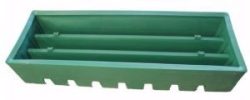
SEE THE CONCRETE CATTLE GUARD FORM HERE!

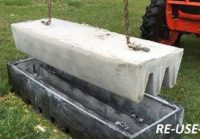
concrete cattle guard installed in a driveway


Beyond their primary function, concrete cattle guards offer distinct advantages in terms of durability and maintenance. Made from high-strength concrete, they are well-suited to withstand extreme weather conditions and heavy vehicular traffic, factors that often cause wear and tear in more conventional materials like wood or metal. Additionally, the solid construction of concrete cattle guards minimizes the risk of bending or breaking, ensuring that the barrier remains effective and secure over time. This resilience against physical and environmental stress not only enhances the safety of the livestock but also reduces the need for frequent replacements or repairs.

Moreover, the installation of concrete cattle guards can also play a role in biosecurity measures on farms. By limiting the areas where vehicles cross into livestock zones, these guards can help prevent the spread of contaminants and diseases that might be transmitted via tires or undercarriages from one area to another. Thus, concrete cattle guards offer a comprehensive solution that promotes operational efficiency, enhances animal safety, and supports disease prevention efforts, making them a value-adding investment for those in the agricultural sector.


Barn World Banner


Durability and Longevity

Durability and longevity are significant attributes of concrete cattle guards, making them a popular choice for ranchers and farm managers. These cattle guards are designed to withstand heavy agricultural and livestock traffic, ensuring they last for many years without requiring significant maintenance or replacement. Concrete, as a building material, offers exceptional durability against the elements, including extreme temperatures, heavy rainfall, and continuous use, which are common in farm environments.

This resilience results from the inherent properties of concrete, which is crafted to sustain immense weights and frequent use. Unlike other materials that might warp, rust, or degrade, concrete maintains its composition and effectiveness over time. For ranch owners, this means a reduced need to replace or repair cattle guards frequently, providing a cost-effective solution to livestock management and control.

Another highlighting benefit of concrete cattle guards is their resistance to rust and corrosion, unlike metallic alternatives. This property is particularly important in environments with high moisture or corrosive elements where metal might fail. Additionally, they don’t require the regular painting or sealing that metal guards do, and they’re less likely to be damaged by UV rays, ensuring their longevity even under harsh sunlight.

By choosing concrete cattle guards, farming operations can secure a long-term solution that upholds structural integrity, supports biosecurity measures by restricting animal movement, and enhances operational efficiency by minimizing maintenance demands. This investment not only simplifies management tasks but also contributes to a safer and more controlled farming environment.

concrete cattle guard form


Maintenance Requirements

Maintenance requirements are a crucial factor when considering the functionalities and overall efficiency of various agricultural and infrastructure components, such as concrete cattle guards. Concrete cattle guards are advantageous mainly due to their low maintenance needs compared to other materials like steel or wood.

Concrete cattle guards provide a robust solution for farmers and ranchers looking to maintain secure boundaries for livestock without the hassle of constantly opening and closing gates. These cattle guards are designed to withstand substantial weight and weather conditions, reducing the frequency and costs of maintenance. Since concrete does not rust, corrode, or rot, its integrity is maintained over many years, making it an ideal choice for a permanent installation. This durability ensures that the cattle guards rarely require replacement.

The benefits of concrete cattle guards extend beyond their durability. Their practicality is seen in the minimal effort required to keep them functioning effectively. Concrete’s innate properties prevent significant damage from the elements or from the regular crossing of heavy vehicles and livestock, which is a frequent requirement in rural farm settings. The lack of moving parts or the need for mechanical repairs means fewer breakdowns and less downtime trying to fix components, which is often a setback with more complex systems.

Additionally, the smooth surface of concrete allows for easy cleaning, which is essential for biosecurity purposes. Ensuring that vehicles and animals can cross without spreading contaminants across sections of a ranch or farm is crucial. Easy cleaning and minimal physical degradation also help in maintaining the health standards required in agricultural operations, thereby supporting preventive measures against disease transmission among cattle.

Concrete cattle guards are an economical and efficient option for managing livestock movement and maintaining secure farm boundaries. With their low maintenance requirements and high durability, they offer a long-term solution that minimizes operational hassles and maximizes productivity. Their ability to stay intact under various environmental conditions and heavy use also translates into significant cost savings over time.

cattle guard form making a concrete cattle guard

Biosecurity Benefits

Biosecurity is a critical concern in agricultural settings, especially for livestock farms. One innovative method to enhance biosecurity on such farms is the implementation of concrete cattle guards. These cattle guards provide a physical barrier that prevents the movement of animals from one area to another, reducing the chance of disease transfer across different zones of the farm.

The key biosecurity benefit of using concrete cattle guards lies in their ability to limit the need for gates that require human contact for operation. This decreases the likelihood of a disease being spread through human interaction with livestock or through multiple touches of gate surfaces, which might otherwise act as vectors for disease transmission. Furthermore, the robust structure of concrete cattle guards ensures that they can be cleaned and disinfected efficiently, further minimizing the risk of disease outbreaks.

In addition to biosecurity, concrete cattle guards offer several advantages. They are designed to be durable and withstand heavy use without significant wear, making them a long-term solution for farms. Their durability is matched by their maintenance convenience; unlike traditional wooden or metal grates, concrete requires minimal upkeep and does not rust or rot. Moreover, these barriers are usually simple to install and can be adapted to various farm layouts, providing flexibility in terms of placement and use.

Overall, concrete cattle guards not only enhance biosecurity but also contribute to the overall operational efficiency and safety of farm environments. They are a cost-effective solution that provides lasting benefits, improving farm management and protecting livestock health.


Installation and Adaptability

Installation and adaptability are key factors when considering the infrastructure needed for managing livestock efficiently. Concrete cattle guards are particularly notable in this regard due to their straightforward installation process and flexible design options that can accommodate different environments and needs.

Installation of concrete cattle guards typically involves preparing a site-specific foundation, which can vary depending on soil composition and expected load. The prefabricated nature of most concrete cattle guards simplifies installation, allowing for a quicker setup compared to more labor-intensive alternatives like building a traditional gate system or steel cattle guard. This efficiency reduces downtime in farm operations, enabling faster transit routes and less disruption to daily activities.

Concrete cattle guards are also highly adaptable. They can be customized in various sizes and load capacities, ensuring suitability for everything from small farm vehicles to heavy-duty agricultural machinery. Furthermore, their robust design remains effective under extreme weather conditions, ensuring functionality irrespective of environmental stressors.

### What Are the Benefits of Concrete Cattle Guards?

Concrete cattle guards offer numerous advantages that make them a popular choice among ranchers and farmers. A primary benefit is their durability and longevity. Constructed from high-strength reinforced concrete, these cattle guards are designed to withstand heavy loads and continuous use without significant wear, meaning they can last for decades with minimal maintenance. This longevity is a significant advantage, as it reduces the need for frequent replacements and repairs.

Another significant benefit is the low maintenance requirement. Unlike wooden or metal guards, concrete does not corrode, rust, or rot, ensuring that it remains effective and safe for both livestock and vehicles over many years. The solidity of concrete also prevents animals from bending or dislodging bars, a common issue with less sturdy materials.

Moreover, concrete cattle guards provide enhanced biosecurity for livestock by eliminating the need for gates that must be opened and closed manually. This gate-free approach reduces the risk of disease transmission since there is less contact between different groups of animals or between animals and humans.

Overall, the benefits of concrete cattle guards, such as their enhanced durability, low maintenance, biosecurity advantages, and overall cost-effectiveness, make them an excellent investment for any agricultural operation focused on efficiency and long-term sustainability.


Barn World Banner


Cost-Effectiveness

Cost-effectiveness is a significant factor when it comes to choosing materials and solutions for agricultural settings. This element is particularly critical as it impacts both initial investment and long-term management costs. The cost-effectiveness of a product or a method often determines its popularity and widespread adoption on farms and ranches.

The use of concrete cattle guards is an excellent example of cost-effectiveness within agricultural infrastructure. Cattle guards are barriers installed at the entrances of areas where livestock are contained. They are designed to prevent cattle and other livestock from crossing boundaries while allowing vehicles to pass without the need to stop and open a gate.

Concrete cattle guards offer numerous benefits in terms of cost-effectiveness. Firstly, they generally have lower initial costs compared to counterparts made from materials like steel. Concrete is readily available and less subject to market fluctuations, making cost estimates more predictable and stable. Secondly, the durability of concrete means that these cattle guards require minimal maintenance over a long service life. Unlike metal guards, they do not rust or corrode, reducing the frequency and cost of replacements or repairs.

Moreover, concrete cattle guards are typically precast, which allows for quick installation and thus reduces labor costs. This fast installation process ensures minimal disruption to farm operations, contributing further to efficiency and reduced overhead costs. Given these factors, concrete cattle guards are recognized for providing a high value-for-money ratio, making them an attractive choice for an economically efficient farm management strategy. The durability, combined with the low maintenance needs of concrete, contributes massively to their overall cost-effectiveness, aligning with the fiscal priorities of many farm and ranch operations.

Contact BarnWorld.com at (720) 238-2190 or Sales@BarnWorld.com today!

Facebooktwitteryoutube

How Does Steel Compare to Aluminum in Cattle Guards?

When considering the installation of cattle guards, farmers and ranchers are presented with a choice between two major materials: steel and aluminum. Each material boasts its own set of strengths and considerations, affecting everything from durability and strength to cost and environmental impact. Cattle guards are vital for containing livestock while allowing vehicular access to different areas of a property without the need for gates that must be manually opened and closed. Therefore, the choice of material is critical and can have long-lasting implications for farm operations.

Steel, known for its exceptional strength and durability, has been the traditional choice for cattle guards. It can support heavy loads, resist the wear and tear of farm vehicles, and withstand harsh environmental conditions. On the other hand, aluminum is renowned for its corrosion resistance and lightweight nature, making it easier to handle and install than its steel counterpart. Additionally, being lighter does not necessarily mean it is less durable; aluminum can offer considerable longevity if used in the right environmental conditions and properly maintained.

The decision between using steel or aluminum cattle guards goes beyond just material costs or aesthetic preferences. It encompasses factors like load-bearing capacity, frequency of use, environmental considerations, and maintenance needs. By exploring how these materials perform under various conditions, landowners can make an informed decision that best suits their specific needs, contributing efficient and effective management of livestock movements.


Strength and Durability

When it comes to constructing facilities and tools for agricultural settings, such as cattle guards, strength and durability are of paramount importance. These characteristics ensure that the structure can withstand the harsh and often unpredictable outdoor environments, as well as the heavy, repetitive use typical in farming contexts.

Steel is heralded for its superior strength and durability, making it an ideal choice for cattle guards. It is able to support heavy loads, such as those from livestock and vehicles, without bending or breaking. This robustness stems primarily from its tensile strength and hardness, which are higher in steel compared to aluminum. The inherent strength of steel also allows for designs with thinner beams or supports, thereby reducing material use while maintaining or enhancing structural integrity.

Aluminum, while also a strong metal, generally has a lower tensile strength than steel and is more prone to deformation under heavy loads. However, it offers the advantage of natural corrosion resistance and lighter weight, which can be beneficial in specific contexts, such as ease of handling and installation. Aluminum can also endure without as much weight, which is a critical factor in certain applications where weight reduction is crucial, such as in portable or temporary structures.

In terms of longevity, steel’s initial robustness may give it an edge over aluminum; however, without proper treatment or maintenance, steel can be susceptible to corrosion, particularly in moist or saline environments, which can compromise its structural integrity over time. Aluminum, in contrast, does not rust in the same way steel does, though it can experience corrosion in the form of pitting and oxidation.

In summary, when evaluating the choice between steel and aluminum for a cattle guard or similar agricultural implements, it is essential to consider the specific requirements and conditions of the intended use. While steel might be the first choice for strength and durability, aluminum may be adequate and even preferable in situations where weight and corrosion resistance are more significant considerations.


Corrosion Resistance

Corrosion resistance is an essential factor in the longevity and maintenance of materials used in outdoor and structural applications, such as cattle guards. Cattle guards are barriers installed at fence openings, used to prevent cattle from crossing, but allowing vehicles to pass without the need to open and close gates. These structures must withstand not only the weight and constant traffic of vehicles but also the exposure to environmental elements. Thus, the choice of material in their construction significantly impacts their durability and need for maintenance.

When comparing steel and aluminum in the context of cattle guards, each material offers distinct characteristics in terms of corrosion resistance. Steel cattle guards are often made from carbon steel, which is strong but has a natural tendency to corrode if not properly treated. To combat this, steel is frequently galvanized or coated to protect against rust and increase longevity. This treatment is effective at resisting corrosion but does require periodic maintenance to repair any scratches or damage to the coating to prevent rust.

On the other hand, aluminum naturally generates a protective oxide coating, rendering it more resistant to corrosion than untreated steel. This intrinsic ability of aluminum makes it particularly suitable for use in environments with high moisture or in coastal areas where salt can accelerate the corrosion process. Aluminum cattle guards are generally more lightweight than steel, which can simplify installation and reduce the stress on underlying surfaces. However, aluminum might not be as strong as steel, thus it is critical to ensure that the aluminum used is of a grade and thickness adequate to handle the expected loads without deforming.

In summary, the decision between using steel or aluminum for cattle guards should consider not only the initial material and installation costs but also factors like expected traffic, environmental conditions, and maintenance capacity. While steel might be preferable for its strength in high-traffic areas, aluminum could be a better choice in corrosive environments, offering a durable, low-maintenance solution. Considering the balance between these elements will lead to more informed, efficient, and cost-effective decisions in the construction and maintenance of cattle guards.


Load Capacity

Load capacity is a critical aspect when considering materials for construction projects, such as building cattle guards. Cattle guards are used primarily on roads and farm entrances to prevent livestock from crossing into restricted areas. Both steel and aluminum are popular choices for these applications, but they differ significantly in their load-bearing capabilities.

Steel is renowned for its high strength and durability, which translates into excellent load capacity. It is capable of supporting heavy weights, making it an ideal choice for cattle guards in areas that experience frequent or heavy traffic, including the passage of heavy vehicles such as trucks and tractors. Steel’s inherent strength allows for the construction of cattle guards that are capable of withstanding significant stress without deforming or failing.

In contrast, aluminum is lighter than steel, which may be beneficial for certain applications where ease of installation and portability are important. However, aluminum has a lower tensile strength, which can limit its load capacity compared to steel. This makes aluminum less suitable for cattle guards that need to support heavy loads. Aluminum cattle guards can be adequate for lighter-duty applications, but they may incur greater risk of bending and warping under heavy loads, especially over time.

Moreover, the choice between steel and aluminum often involves considering additional factors such as the environment and maintenance needs. Steel cattle guards, for example, need to be treated to prevent corrosion especially when used in environments prone to moisture, such as coastal areas or places with severe weather conditions. On the other hand, aluminum inherently resists corrosion better than steel and requires less maintenance in this regard, but this advantage is often offset by its lower strength and durability under heavy load conditions.

Overall, when evaluating steel versus aluminum for use in cattle guards, it is crucial to consider the load capacity requirements of the project. For high-load conditions, steel is generally the better option due to its superior strength and durability. However, for lighter applications or where quick installation and corrosion resistance are priorities, aluminum might be considered, keeping in mind its limitations in load capacity. Balancing these factors will help in selecting the most appropriate material based on the specific needs and circumstances of use.


Cost Effectiveness

Cost-effectiveness is an essential aspect to consider when evaluating the use of materials like steel and aluminum for applications such as cattle guards. Each material presents distinct advantages and drawbacks in terms of upfront costs, maintenance, and lifespan which can influence the overall cost-effectiveness for such projects.

Steel is generally more affordable than aluminum, making the initial expenditure for steel cattle guards lower than their aluminum counterparts. This is a significant advantage for large-scale or budget-sensitive projects. Steel’s high strength and durability often translate into a longer lifespan under heavy use, which is typical in the scenarios where cattle guards are employed. However, steel’s susceptibility to corrosion means that maintenance costs could be higher, particularly in environments prone to moisture or corrosive materials. Regular treatments such as galvanization are required to protect the surface and prolong the structure’s life, adding to the maintenance costs over time.

In contrast, aluminum is more expensive per unit than steel, but it boasts a natural resistance to corrosion which reduces the need for frequent maintenance. This characteristic can be particularly beneficial in harsh environments, leading to potentially lower long-term upkeep costs. Additionally, aluminum is lighter than steel, which might reduce the cost and complexity of transportation and installation, particularly in remote or difficult-to-access locations. However, aluminum may not match the strength and durability of steel, which could potentially lead to a shorter service life or the need for thicker dimensions to reach the same load-bearing capabilities, potentially offsetting some of its initial cost advantages.

Choosing between steel and aluminum for cattle guards thus depends upon evaluating the balance between initial investment and ongoing maintenance costs in relation to expected durability and the specific environmental conditions the cattle guard will face. In areas with high exposure to corrosive elements, the higher initial cost of aluminum might be justified by significantly reduced maintenance costs. In contrast, in milder conditions, the overall cost-effectiveness of steel could be more appealing due to its lower initial cost and high durability with proper maintenance.


Environmental Impact and Sustainability

Environmental Impact and Sustainability is a crucial consideration when examining materials such as steel and aluminum, particularly in the context of manufacturing cattle guards. Both materials have unique attributes affecting their ecological footprint, and choosing between them entails a balance of sustainability and practicality.

Steel is highly durable and can handle heavier loads compared to aluminum, which implies a longer service life and less frequent replacement. This longevity is a significant factor in its environmental impact, as it reduces the need for frequent manufacturing of replacements. However, steel production is energy-intensive and contributes to high levels of CO2 emissions. On the upside, steel is highly recyclable, which can help mitigate its initial environmental cost. Recycled steel requires significantly less energy to produce than new steel and can be recycled indefinitely without loss of properties, thus contributing positively to a circular economy.

Aluminum, on the other hand, is lighter than steel and requires less energy to transport, leading to lower carbon emissions related to transportation. It is also known for its resistance to corrosion, which similarly translates to longer service life and less frequent need for replacement. Like steel, aluminum can be recycled. However, even though recycling aluminum saves around 95% of the energy required to produce it from raw materials, the initial creation of aluminum is extremely energy-intensive, primarily if based on extraction from bauxite.

Choosing between these materials for applications like cattle guards often depends on specific situational requirements. If the primary concerns are maximal durability and strength—supporting heavy loads and enduring harsh environmental conditions—steel may be the more suitable choice. Alternatively, if initial construction impact and long-distance transport energy costs are more of a concern, aluminum could be preferable despite its lower load-bearing capacity.

Hence, manufacturers and buyers should evaluate the environmental impact and sustainability of steel and aluminum against their required attributes for cattle guards. This helps in not only making an environmentally conscious decision but also in choosing the right material that balances ecological impact with practical functionality.
Facebooktwitteryoutube

What Are the Best Materials for Cattle Guards?

Cattle guards are an essential component of rural and agricultural infrastructure, providing a vehicle-friendly way to prevent livestock from wandering off without the need for gates that need to be opened and closed. Choosing the right materials for cattle guards is crucial, as they must be durable enough to withstand the weight and frequent traffic of vehicles and harsh environmental conditions, while also ensuring the safety and welfare of the animals. Traditional materials such as steel and concrete have long dominated the market due to their strength and longevity. However, with advances in materials technology, alternatives such as composites and plastics are starting to gain traction, offering unique benefits such as corrosion resistance and reduced weight.

Steel, renowned for its robustness and durability, is often the first choice for cattle guards. It can support heavy loads and resist the impacts of outdoor elements with proper treatment such as galvanization, which prevents rust. On the other hand, concrete cattle guards provide a permanent, low-maintenance solution that can be especially cost-effective in certain scenarios, despite their higher initial installation challenges. Innovations in composites have introduced options that blend materials like fiberglass, which are lightweight yet strong enough for the task, offering ease of installation and minimal environmental impact. Each of these materials comes with its own set of pros and cons, making the selection process a critical step in ensuring both functional efficacy and long-term sustainability in livestock management practices.

Understanding the specific needs of your property and the animals involved is key to choosing the most appropriate cattle guard material. This involves considering factors like the expected traffic volume, the types of vehicles used, local weather conditions, and the overall design of the fence and road integration. With these considerations in mind, landowners and managers can make informed decisions that balance performance, cost, and animal safety, ensuring effective livestock control and seamless property access for years to come.


Load Capacity Requirements

Load capacity requirements are a critical factor when planning and building infrastructure that must endure various weights and stresses, such as cattle guards. Cattle guards are barriers used primarily to prevent livestock, especially cattle, from crossing a boundary, while allowing vehicles to pass without the need to manually open and close gates.

The best materials for cattle guards must not only meet practical farming needs but also handle the substantial load of vehicles that pass over them, from light pickups to heavier farm equipment. It’s imperative that the chosen materials uphold strength over time without bending or breaking under the weight. Typically, steel and concrete are favored for their robustness and durability. Steel cattle guards offer high strength-to-weight ratios and can be designed to handle a variety of load capacities depending on the gauge and reinforcement used. Concrete, although heavier and requiring more intensive installation, provides exceptional durability and can also be engineered to meet specific load requirements. These materials ensure that the cattle guard remains effective and safe under constant vehicular pressure.

To select the appropriate load capacity for a cattle guard, it is essential to consider the types and weights of vehicles commonly using the crossing. Calculating the expected daily traffic and the maximum weight likely to be encountered guarantees that the cattle guard will not fail or cause hazards. Additionally, adhering to local guidelines and standards for roadway construction can guide the selection process, ensuring that all safety and functionality standards are met for both the cattle and vehicle traffic. Proper design and material selection in line with load capacity requirements are thus pivotal for the installation of a reliable and efficient cattle guard.


Durability and Maintenance Needs

Durability and maintenance are crucial factors to consider when selecting installations such as cattle guards. These components are essential for maintaining the security and management of livestock while providing convenient access to farm vehicles and equipment without the necessity of gates.

Cattle guards are designed to prevent livestock from crossing, yet must endure constant exposure to the elements and considerable weight stress. Therefore, the durability of the materials used in their construction directly impacts their lifespan and effectiveness. High durability minimizes the need for frequent replacements and repairs, making the initial investment in a high-quality product potentially more cost-effective over time.

In terms of materials, traditional options for cattle guards include steel, concrete, and sometimes a combination of both. Steel cattle guards are highly favored for their strength and durability. Typically made from hot-dipped galvanized steel or sometimes stainless steel, they resist corrosion and can withstand significant weights and repetitive use. This makes them particularly suitable for heavy farm machinery. On the other hand, concrete cattle guards are lauded for their robustness and longevity, but they tend to be less forgiving under constant traffic and can crack over time, requiring more maintenance.

To ensure minimal maintenance, it is advisable to choose cattle guards that are well-coated or treated against environmental factors such as rust and corrosion. Regular inspections can help detect early signs of wear or damage, and appropriate preventative maintenance can significantly extend the life of the product. Drainage considerations are also critical; proper design and installation help prevent water accumulation, which can lead to faster deterioration.

Operators must balance their specific needs with budget considerations to choose the best material and design for their cattle guards. Understanding the particular demands of the farm’s environment and traffic can guide effective decisions, ensuring longevity, safety, and minimal upkeep costs.


Material Types

Material types play a critical role in determining the effectiveness, durability, and cost-effectiveness of cattle guards. The choice of materials affects not only the lifespan and performance of the cattle guard but also influences its maintenance needs and compatibility with environmental factors. There are several materials typically used for cattle guards, including steel, concrete, and occasionally, plastic composites.

Steel is the most commonly used material due to its strength and durability. It can support heavy weight loads, making it ideal for areas with heavy vehicular traffic like roadways on farms and public roads intersecting pastures. Steel cattle guards are usually made from either flat steel bars or beams set over a dug-out area or trench. The steel is often galvanized or coated to protect against rust and corrosion, which is crucial in outdoor environments where the material is exposed to weather elements.

Concrete cattle guards are an alternative to steel and are prized for their longevity and low maintenance. They are typically used in less trafficked areas since concrete can crack under heavy loads if not properly reinforced. Concrete is less susceptible to environmental degradation than steel, making it a good choice in areas with severe weather conditions or where chemical corrosion is a concern.

Some newer materials like plastic composites are also being explored because they offer rust resistance and can be lighter than steel and concrete. However, their load-bearing capabilities and durability over time are less well-established compared to traditional materials.

When selecting the best materials for a cattle guard, it is essential to consider the specific needs of the installation site, including the expected traffic (both in terms of the amount and the weight of the vehicles), environmental conditions, and budget. Additionally, one must comply with any local or federal regulations regarding wildlife passage and environmental impact. Each material brings its set of benefits and challenges, and the right choice often involves a compromise between performance, cost, and expected lifespan.


Environmental Considerations

Environmental considerations are crucial when planning the installation and maintenance of cattle guards. These factors impact not only the functionality and durability of the cattle guards but also the surrounding ecosystems and the welfare of the animals.

One of the primary environmental considerations is the material used to manufacture cattle guards. The best materials need to be environmentally friendly and sustainable, while still ensuring durability and effectiveness. Common materials used in cattle guard construction include steel, concrete, and occasionally, plastic composites.

Steel is often favored for its strength and durability, which is essential in areas with heavy animal and vehicle traffic. However, the production of steel has significant environmental impacts, including high carbon emissions. Therefore, when choosing steel, it is beneficial to opt for recycled materials which help lower the carbon footprint associated with new steel production.

Concrete, another popular choice, is known for its longevity and resistance to weathering. While concrete is effective, its production is energy-intensive and emits a considerable amount of CO2. Using recycled concrete or sourcing from responsible suppliers can mitigate some environmental consequences.

Plastic composites are less common but provide an interesting alternative due to their lighter weight and resistance to corrosion. These materials often incorporate recycled plastics, which help reduce waste and decrease the demand for new plastic production.

Moreover, the location where the cattle guard is installed plays a significant role in environmental consideration. It’s important to ensure that the installation does not disrupt local wildlife or waterways. Proper drainage is crucial to prevent water pooling, which can lead to erosion and affect local flora and fauna.

Finally, maintenance practices can also have environmental implications. Regular maintenance ensures the cattle guards remain effective without the need for frequent replacements, which in turn reduces waste and energy consumption from manufacturing new guards. Using environmentally friendly lubricants and cleaners during maintenance can further minimize the impact on the surrounding ecosystem.

In conclusion, choosing the best materials for cattle guards involves considering both their environmental impact during production, use, and end-of-life stages. Opting for materials that offer a balance between durability, sustainability, and minimal environmental impact is vital for responsible cattle guard installations.


Installation Techniques

Installation techniques are crucial for ensuring the effectiveness and longevity of various structures, including cattle guards. Proper installation not only enhances the functionality but also minimizes maintenance needs and extends the lifespan of the equipment.

For cattle guards, specifically, installation begins with determining the appropriate location and size needed based on the traffic volume and the type of vehicles that will pass over it. Preparing the site is the next step, which involves excavating the area to the depth required for the base material that will support the cattle guard. This base needs to be compacted and leveled accurately to prevent any shifting or sagging.

Once the base is prepared, the cattle guard can be placed. It is essential that the cattle guard is level with the road surface to ensure the safety of vehicles crossing it. Drainage considerations must also be addressed to prevent water accumulation around the cattle guard, which can lead to erosion or freezing issues in colder climates.

**What Are the Best Materials for Cattle Guards?**

The best materials for cattle guards are those that offer durability and strength to withstand the pressure and weight from crossing vehicles and animals. Typically, steel and concrete are preferred materials.

Steel cattle guards are highly popular because they provide strength and durability, and they can also be galvanized to resist rust and corrosion, making them suitable for various environmental conditions. Steel grates are effective in preventing livestock from crossing but allow easy passage for vehicles and farm equipment.

On the other hand, concrete cattle guards are prized for their longevity and low maintenance. They can be precast, which ensures uniformity and strength, and are often used in permanent installations where minimal upkeep is desired. They are heavier and more complex to install but offer excellent resistance to environmental wear and tear.

Both materials need to be selected based on the specific requirements of the installation site, including local weather conditions, the frequency of use, and load capacity requirements. A well-chosen material and proper installation technique will ensure that the cattle guard remains functional and durable over time.
Facebooktwitteryoutube

What Kind of Support Structure Is Needed for a Cattle Guard?

Cattle guards are an essential component of rural and agricultural infrastructure, providing a vehicle passable barrier that prevents livestock from wandering off property without the need for gates. This not only enhances the convenience of farm operations by allowing vehicular access across boundaries but also maintains the security of the livestock. The effectiveness and durability of a cattle guard depend heavily on the type and quality of its support structure.

The support structure for a cattle guard must be robust and well-engineered to withstand the weight and constant pressure of vehicles, environmental conditions, and the animals themselves. Typically, these structures are constructed from steel, concrete, or a combination of both. Steel provides high strength and durability, resisting the flex and stress from heavy farm equipment and trucks, while concrete adds longevity and firm support to the system and ensures that the cattle guard remains firmly in place.

An often overlooked, yet critical, aspect of building a cattle can be the foundation. Proper ground preparation and a solid foundation are pivotal to prevent sag feedback and structural failure over time. Additionally, considerations must be made for drainage around the support structure to ensure that water does not pool and undermine the installation. Addressing these key elements increases the efficacy and lifetime of cattle guards, thereby ensuring that they remain a reliable part of farm management practices. Each component of the support structure plays a vital role in its overall performance, demanding careful planning and implementation for optimal functionality.


### Load Capacity and Durability

When considering the installation of a cattle guard, understanding the load capacity and durability is paramount. Load capacity refers to the maximum weight the cattle guard can bear without compromising its structural integrity, while durability pertains to its ability to withstand wear, pressure, or damage. These factors are crucial because they determine the longevity and effectiveness of the cattle guard in serving its purpose— to prevent livestock from crossing while allowing vehicle access.

Cattle guards need to be robust enough to support various loads, from lighter farm vehicles to heavy-duty machinery. For private use, the load might not be as demanding compared to public roadways that might frequently support the weight of trucks and heavy equipment. The materials used in the construction of cattle guards, such as steel or reinforced concrete, play a significant role in defining both their load capacity and durability. Steel cattle guards are often favored for their strength and resilience, although they must be treated to resist rust and corrosion. Concrete, on the other hand, might offer greater weight and less maintenance but can be more expensive and challenging to install.

### What Kind of Support Structure Is Needed for a Cattle Guard?

The support structure for a cattle guard is essential in ensuring functional stability and durability. The primary components of the support structure include the foundation and anchoring, which help maintain the position of the guard despite the load and environmental stresses.

1. **Foundation**: The foundation is typically made of concrete, providing a stable and level base for the cattle guard. This concrete base needs to extend beyond the edges of the cattle guard to prevent shifting and settling. The depth and thickness of the foundation depend largely on the soil type and the expected load, with heavier loads requiring a more robust foundation.

2. **Anchoring**: Proper anchoring of cattle guards prevents them from moving under the weight of crossing vehicles. Anchors can be embedded into the concrete foundation or attached to additional support structures like steel beams. The choice of anchoring method will largely depend on the design and size of the cattle guard, as well as the terrain and soil conditions.

3. **Frame and Support Beams**: The frame and the beams underneath the cattle guard distribute the weight of crossing loads and contribute to the overall strength and durability of the installation. These should be designed to match the load requirements and expected traffic. Structural steel is a common choice for the frame and beams due to its high load-bearing capacity and durability.

Together, these elements create a support structure capable of sustaining the cattle guard through varied use and environmental conditions. Proper installation and materials suited to the local geography and usage requirements are critical to ensure that the cattle guard remains functional and safe over time. Continual maintenance and inspections also play a pivotal role in preserving the integrity of the cattle guard’s support structure.


Foundation and Anchoring

The foundation and anchoring system is a critical component in the installation of a cattle guard. It is essential for ensuring that the cattle guard is stable and secure, and it also impacts the overall effectiveness and longevity of the guard. A properly designed foundation prevents the cattle guard from shifting or sinking into the ground, which could lead to unsafe conditions or allow livestock to cross.

A cattle guard typically requires a solid foundation that can support the weight of passing vehicles and livestock. The foundation must be constructed based on the soil type and environmental conditions of the site. In many cases, a concrete base is recommended because it provides a durable and stable platform for the cattle guard. The depth and specifications of the concrete foundation should be sufficient to handle the expected load and to withstand local weather conditions.

Anchoring is another vital aspect of the installation. Anchors secure the cattle guard to the foundation, preventing movement and maintaining the structural integrity of the installation. Anchors must be strong enough to resist the forces exerted by heavy traffic, both vehicular and animal. The type of anchoring system used can vary depending on the design of the cattle guard and the recommendations of the manufacturer.

For the support structure of a cattle guard to be effective, it must be carefully planned and executed. The support structure usually involves heavy-duty beams that span the width of the roadway. These beams must be robust enough to carry the expected load and should be made of materials resistant to corrosion and weathering. The support structure also includes elements that connect the beams to the foundation and anchoring system, ensuring that the entire assembly functions as a cohesive unit.

Maintaining the integrity of the foundation and anchoring is crucial for the safety and effectiveness of a cattle guard. Regular inspections should be conducted to ensure that there is no erosion of the surrounding soil, no cracks in the concrete, and that the anchoring components remain tightly secured. Any issues identified during these inspections should be addressed promptly to maintain the functionality and safety of the cattle guard.

In conclusion, the foundation and anchoring are fundamental to the successful installation and operation of a cattle guard. These elements must be designed and built with precision and care to ensure safety and effectiveness. Regular maintenance and inspections can help prolong the life of the cattle guard and ensure it continues to provide a reliable barrier against livestock movement.


Frame and Support Beams

The frame and support beams are crucial components of any structure that intends to be durable and reliable, and this is especially true for cattle guards. The cattle guard is an essential installation for ranches and farms as it prevents livestock from crossing into restricted areas while allowing vehicles to pass without the need for gates. Understanding the importance and functionality of the frame and support beams provides a clearer picture of what is required for a sturdy and long-lasting cattle guard.

The frame of a cattle guard must be robust enough to support the weight of crossing vehicles, which can vary greatly depending on its usage—from lightweight farm vehicles to heavier service vehicles. Typically, the frame is constructed from steel, which offers the best in terms of strength and durability. The integrity of the steel frame ensures that the cattle guard remains functional and safe over time, despite heavy use and exposure to environmental elements.

Support beams play a similarly crucial role. They must be properly spaced to effectively prevent livestock from crossing, yet be close enough together to support the weight of vehicles safely. The beams distribute the vehicle’s weight across the frame, minimizing stress and wear on any single point. The axial strength and resilience of the beams are essential to combat bending and potential deformation over time.

Regarding the support structure needed for a cattle-gap effectively, proper anchoring and foundation are foundational. The cattle guard must be securely anchored to the ground to prevent shifting or dislocation due to the weight of passing vehicles or environmental changes such as soil erosion or ground shifting. The foundation needs to be stable and robust, often made from reinforced concrete, which provides a solid base ensuring that the guard remains level and intact over years of service. Additionally, correct installation is vital to ensure the cattle guard functions as intended, requiring careful consideration of factors such as the depth of the base relative to frost lines in colder climates.

In conclusion, the longevity and efficiency of a cattle guard hinge directly on its frame and support beams, which need to be thoughtfully designed and made from high-quality materials. Ensuring that the support structure is securely installed and appropriately aligned offers the best defense against common issues and prolongs the usable life of a cattle guard. Effective implementation leads to more than just functionality; it ensures safety for both the vehicles passing over it and the livestock it is designed to contain.


Maintenance Requirements

Maintenance requirements are crucial for the longevity and effectiveness of any agricultural or livestock containment system, including cattle guards. Cattle guards are designed to provide a vehicle passable barrier that prevents livestock from crossing, but to remain effective and safe, they require regular maintenance.

Cattle guard maintenance primarily involves ensuring the structural integrity and cleanliness of the guard. This could include checking for and repairing any damage such as cracks in the concrete, bends in the rails, or rust on any metal parts. Regular inspections help to identify small problems before they become larger, more costly issues.

In addition to structural maintenance, it is necessary to keep the cattle guard free of debris. Leaves, mud, and manure can accumulate between the rails or within the pit of the guard (if it’s a pit-style guard), reducing its effectiveness and potentially causing damage over time. Keeping the cattle guard clean ensures that it functions properly to prevent livestock from crossing.

Regarding the support structure needed for cattle guards, a well-designed foundation is critical. The foundation must be capable of supporting the weight of crossing vehicles and the livestock that comes near it. Typically, this involves creating a concrete base that is properly cured to ensure strength and durability. The concrete base must be adequately reinforced with rebar or steel mesh, depending on the expected load and environmental conditions.

Furthermore, the installation must include proper anchoring to prevent the cattle guard from shifting over time due to the weight of vehicles or environmental factors like soil movement. Ideally, the cattle guard should also be surrounded by a sturdy frame made of heavy-duty materials like steel beams, which help distribute the weight and provide additional support.

Overall, the support structure for a cattle guard must be designed carefully, taking into account soil type, expected traffic, and the size and type of livestock it is meant to contain. Investing in a robust support structure and adhering to stringent maintenance practices ensures that the cattle guard will remain functional and safe for many years.


Drainage Considerations

Drainage considerations are crucial in the design and installation of cattle guards. A cattle guard is typically used in rural areas to prevent livestock from crossing, while allowing vehicles to pass without the need to open and close gates. Effective drainage is essential to prevent water from pooling on or around the cattle guard, which can lead to structural damage, reduced effectiveness, and increased maintenance requirements.

When installing a cattle guard, it is important to ensure that the ground beneath and around the guard slopes away from it to facilitate proper drainage. Without effective drainage, water can accumulate under the cattle guard, leading to erosion and destabilization of the foundation. This may cause the cattle guard to become uneven or shaky, which can be hazardous for vehicles passing over it and may potentially allow livestock to cross.

In addition to designing the excavation and base with slopes that promote drainage, other materials can also be useful. For instance, gravel or crushed stone can be placed around and under the cattle guard to enhance water drainage and support. This setup allows water to filter down and away from the structure rather efficiently.

Furthermore, considering the overall landscape and natural water paths is vital. It is advisable to install cattle guards away from naturally low areas or water paths, where water is more liable to collect. If such placement is unavoidable, additional drainage solutions like culverts or drainage tiles may be necessary to direct water away from the cattle guard effectively.

Overall, installing a cattle guard with proper drainage requires careful planning and consideration of the environment and typical weather patterns. The support structure for a cattle guard should ideally incorporate a drainage system that ensures long-term durability and functionality, reducing the need for frequent maintenance and repairs.
Facebooktwitteryoutube

How to Advocate for the Use of Cattle Guards in Community Roads?

In rural and agricultural communities where livestock is prevalently managed, maintaining the balance between efficient transport and safe grazing practices presents a constant challenge. Vehicles need unfettered access to roads without the delay and hazard posed by crossing livestock, while animals must be kept from wandering into areas where they might cause accidents or suffer harm. Here, the implementation of cattle guards offers a compelling solution. These grid-like structures when installed at fence openings along roadways serve as a vehicle-permeable gate that prevents animals from passing through, eliminating the need for physical gates that must be manually opened and closed.

The concept of using cattle guards is rooted in practicality and efficiency. By allowing continuous access for vehicles while restricting livestock movement, they reduce the need for human intervention to open and close gates and minimize the risk of animals escaping onto roads, thus ensuring their safety along with that of motorists. However, despite their effectiveness, the adoption of cattle guards in community roads often faces obstacles ranging from lack of awareness about their benefits to concerns over installation costs and maintenance.

Advocating for the use of cattle guards thus requires a nuanced understanding not only of their functionality but also of the broader socio-economic benefits they offer. By championing these devices, communities can enhance local traffic flow, improve safety for both motorists and livestock, and reduce manpower costs associated with traditional gate management. This advocacy involves educating stakeholders, including local government bodies, transportation authorities, and residents, about how cattle guards can be integrated effectively into existing road networks to foster safer and more efficient rural transportation environments.


Benefits of Cattle Guards

Cattle guards are valuable tools used in rural and agricultural settings to control the movement of cattle across boundaries without the need for gates. These devices consist of spaced bars or tubes installed at roadway entrances to pastures or other fenced areas, allowing vehicles to pass over them but preventing livestock from crossing due to the inability of the animals to walk comfortably on the bars. The benefits of installing cattle guards are numerous and can significantly improve both farm management and road safety.

One of the primary advantages of cattle guards is their convenience. They eliminate the need for opening and closing gates every time a vehicle needs to enter or exit a fenced area, facilitating the smooth flow of traffic and reducing the time spent by farm personnel and visitors on managing gates. This is especially beneficial in areas where roads intersect with multiple pastures, as it prevents bottlenecks caused by manual gate operation.

Additionally, cattle guards enhance safety by reducing the risks associated with leaving gates open accidentally. Open gates can lead to livestock straying onto roadways, posing hazards to both the animals and motorists. By installing cattle guards, communities can prevent such accidents, ensuring that livestock stay within designated grazing areas.

Furthermore, cattle guards serve an important role in the biosecurity of agricultural operations. By restricting livestock movement between different areas, they can help in preventing the spread of diseases that might be transferred via direct contact or through shared resources such as water sources or feeding areas.

**How to Advocate for the Use of Cattle Guards in Community Roads**

Advocating for the use of cattle guards on community roads involves several strategies aimed at educating stakeholders about their benefits and addressing any reservations they might have. Here’s how you can promote the adoption of cattle guards:

1. **Education and Awareness**: Organize informational sessions with community members, local government officials, and farm owners to discuss the benefits of cattle guards. Provide data and case studies from other regions where cattle guards have successfully been implemented to demonstrate their effectiveness in enhancing road safety and operational efficiency.

2. **Policy Advocacy**: Work with local councils and regulatory bodies to encourage the inclusion of cattle guards in rural development plans. Proposals should highlight how these installations contribute to safer and more efficient road networks. Educational efforts could also focus on developing standards and guidelines for cattle guard installation that meet safety and durability criteria.

3. **Demonstrations and Pilots**: Implement pilot projects in key locations to provide a tangible demonstration of how cattle guards work and their benefits. This practical approach can help alleviate concerns and persuade skeptical stakeholders by showcasing the advantages firsthand.

4. **Funding and Incentives**: Identify and promote funding opportunities, such as agricultural grants or government subsidies, to help mitigate the installation costs of cattle guards. Incentives can make the proposal more appealing to property owners who are responsible for managing the costs of road safety measures.

5. **Community Collaboration**: Foster a collaborative approach by involving all stakeholders in the planning and decision-making process. This includes regular consultations with road users, local farmers, and animal welfare organizations to ensure that the solutions adopted serve the best interests of the entire community.

By using these strategies, advocates can effectively support the wider adoption of cattle indicators on community roads, leading to enhanced safety, improved operational efficiency, and better livestock management.


Safety Considerations and Design Standards

Addressing safety considerations and adhering to design standards are crucial when advocating for the use of cattle guards on community roads. Cattle guards are designed to prevent livestock from crossing certain boundaries while allowing vehicles to pass without the need to stop for a gate. This increases efficiency in areas where agricultural activities dominate and reduces the risk of accidents caused by animals on the roadway.

When advocating for their use, it is essential to highlight the design standards that ensure the safety of both the livestock and the vehicles. For example, cattle guards must be built to specifications that prevent hoof entrapments, which can cause serious injury to livestock. They should also be capable of supporting the weight and traffic of expected vehicles, including heavy farm equipment, without excessive maintenance or risk of failure.

The American Association of State Highway and Transportation Officials (AASHTO) provides guidelines on dimensions and load-bearing capacities that help ensure that cattle guards are both efficient and safe. When discussing the implementation of cattle guards with community leaders or local government officials, referring to these standards and the success stories from other jurisdictions can promote understanding and acceptance.

It’s also helpful to discuss the types of materials used in cattle guards, such as steel or concrete, and the advantages each offers in terms of longevity and safety. This educational approach can help alleviate concerns about potential road hazards and demonstrate a commitment to community safety.

Effective advocacy also involves addressing potential design modifications to accommodate varying types of vehicles, including emergency services and school buses, ensuring that all community needs are considered. This can help in gaining widespread support for the project, highlighting not only the practical benefits but also the care taken to ensure community safety and functionality. Engaging with professional engineers and design consultants in public discussions or community meetings can also lend credibility to the advocacy efforts, presenting detailed, expert-backed information that addresses specific community concerns.


Legal and Regulatory Compliance

Legal and regulatory compliance is crucial for the successful implementation and operation of cattle guards on community roads. This involves understanding and adhering to multiple layers of laws and regulations which may be governed by local, state, and federal entities. Different regions may have specific codes that dictate the construction, installation, and maintenance of cattle guards to ensure they do not pose a hazard to vehicles and are effective at containing livestock.

Before a cattle guard can be installed, it’s essential to ascertain that all legal requirements are met, including obtaining necessary permits. Compliance not only ensures public safety but also protects against legal consequences, such as fines or forced removal of improperly installed cattle guards. Additionally, the Americans with Disabilities Act (ADA) and other accessibility regulations might influence the design and placement to ensure that any modification to public roads does not create barriers for individuals with disabilities.

**How to Advocate for the Use of Cattle Guards in Community Roads**

Advocating for the use of cattle guards on community roads involves raising awareness about their benefits and addressing any concerns from residents and local authorities about their implementation. Here are some effective strategies to advocate for their use:

1. **Education and Outreach:** Start by educating the community and stakeholders about the benefits of cattle guards. These include increasing safety by reducing the need for gates, facilitating the movement of vehicles, especially emergency services, and keeping livestock contained without the constant closing and opening of gates. Educational workshops, flyers, and presentations at community meetings can help in conveying this information.

2. **Engage with Local Authorities:** Work directly with local government officials who are involved in road safety and infrastructure. Provide detailed information and data pointing to the effectiveness and safety benefits of cattle guards. Highlight examples from other communities where cattle guards have successfully improved road safety and efficiency.

3. **Compliance and Safety Assurance:** Address legal and regulatory concerns by showing a detailed plan on how the cattle guards will comply with local, state, and federal regulations. This might include details on the specifications for design standards and maintenance plans which ensure the long-term functionality and safety of the cattle guards.

4. **Demonstrations and Pilot Projects:** If possible, propose implementing a pilot project in the community. Selecting a less trafficked area to install a cattle guard can serve as a case study and provide real-life data on its benefits and feasibility, helping to ease concerns and illustrate practical benefits.

5. **Community Partnership and Feedback:** Involve community members in the planning process. This inclusion can lead to better acceptance and support. Offer a platform for feedback and address any issues or concerns raised during consultations. Ensuring community members feel their voices are heard and considered can facilitate smoother implementation of cattle guards.

By combining these strategies, advocates can effectively promote the use of cattle guards on community roads, ensuring that all stakeholders understand the benefits and any concerns are thoughtfully addressed. This comprehensive approach will help in achieving the paramount goal of improved road safety and efficient livestock management.


Installation and Maintenance Requirements

Installation and maintenance are crucial aspects to consider when deploying cattle guards on community roads. Cattle guards are designed to prevent livestock from crossing boundaries while allowing vehicles to pass without the need to stop and open a gate. The effectiveness and longevity of a cattle guard significantly depend on how well it is installed and maintained.

Proper installation of cattle guards requires careful consideration of the site location, preparation of the base, and selection of the right materials. For optimal performance, the installation site should be level and stable. It is common to use concrete for the foundations to ensure that the cattle guard remains sturdy and functional over time. Ensuring proper drainage is also critical at the installation site; without this, water can pool around and under the cattle guard, potentially leading to erosion or rusting of metal components.

Maintenance of cattle guards is comparatively minimal but essential. Regular inspections are necessary to ensure the structural integrity of the cattle guard and its foundation. This includes checking for signs of wear, such as rust on metal guards or cracks in concrete. Occasionally, debris such as leaves, mud, or snow can accumulate within the cattle guard and should be removed to prevent the livestock from crossing over. These maintenance practices help extend the life span of cattle guards and maintain their effectiveness.

Advocating for the use of cattle guards on community roads involves highlighting their benefits, such as the continuous flow of traffic, reduced need for human intervention, and lower risk of livestock wandering onto roads, which can be particularly compelling in rural areas. Presenting comprehensive, evidence-based information to community leaders and stakeholders about how cattle guards can improve road safety and operational efficiency is key. Workshops and meetings can be beneficial platforms to educate the community and gather support. Additionally, showcasing successful implementations from other communities can provide tangible data and reassure stakeholders about the value and reliability of installing cattle guards. Engaging with professional installers who can provide expert advice and testimonials on the long-term benefits and cost savings of using cattle guards could further bolster advocacy efforts.


Community Engagement and Education

Community engagement and education are crucial aspects when it comes to advocating for the use of cattle guards on community roads. These components play a significant role in successfully implementing cattle guards in a way that meets both the needs of the community and the standards required for safe and effective usage.

### Importance of Community Engagement
Community engagement involves the process of working collaboratively with groups of people affiliated by geographic proximity, special interest, or similar situations to address issues affecting their well-being. In the context of installing cattle guards, this means involving local residents, road users, farmers, and possibly even environmental groups in the decision-making process. Engaging the community helps in understanding their concerns, anticipations, and the potential impact of the cattle guards on their daily lives. It also helps in gaining public support and acceptance, which can alleviate potential conflicts and resistance.

### Educational Outreach
Education is another pivotal element. Many people might not understand what cattle guards are, how they work, or why they are necessary. Implementing an educational outreach program can help in disseminating information on the benefits and functionalities of cattle guards, such as maintaining livestock within designated boundaries while allowing vehicles to pass without interruption. Educational efforts can include workshops, informational pamphlets, school programs, and local media presentations.

### Advocacy Strategies for Cattle Guards
Advocacy for the use of cattle guards on community roads involves a series of strategic actions aimed at persuading decision-makers and stakeholders of their benefits. Here are several approaches:

1. **Stakeholder Meetings**: Organize meetings with local government officials, transportation departments, and community leaders to discuss the potential implementation of cattle guards. Use these meetings to present case studies or evidence detailing the success and efficiency of cattle guards in other communities.

2. **Community Surveys**: Conduct surveys to gather community opinions and demonstrate to decision-makers that there is a public interest or demand for cattle guards.

3. **Public Demonstrations**: Setting up a demonstration model of a cattle guard can give community members a tangible understanding of how cattle guards operate and their effectiveness.

4. **Local Partnerships**: Partner with agricultural organizations, road safety non-profits, and other relevant bodies to strengthen the advocacy campaign through combined efforts and shared resources.

5. **Utilization of Media**: Write articles or press releases for local newspapers, appear on local radio shows, or use social media platforms to spread awareness and garner support for the initiative.

By effectively engaging the community and educating on the benefits and usage of cattle guards, it becomes significantly easier to gain support and approval for their installation. This integrated approach not only facilitates smoother implementations but also ensures that the cattle guards meet the specific needs and safety requirements of the area, ultimately enhancing road safety and functionality for all users.
Facebooktwitteryoutube