
Creep Feeders and Cages









Recently viewed
Creep Feeders for Calves, Lambs and Goat Kids
A creep feeder gives young livestock access to supplemental feed while limiting access by larger animals. That separation is the central advantage: calves, lambs, and goat kids can eat from a designated trough without competing directly with mature cows, ewes, or does. A well-managed creep feeding area can also help keep feed where it belongs, make refilling more predictable, and simplify routine observations of the young stock.
Creep feeding is a management option, not a requirement for every herd. Its value depends on available pasture and milk, the age and number of animals, feed costs, expected marketing weights, and how well the feeder is managed. Use the guidance below to understand the equipment and feeding arrangement before selecting among the calf, sheep, goat, and other creep feeders listed in this collection.
How a Creep Feeder Works
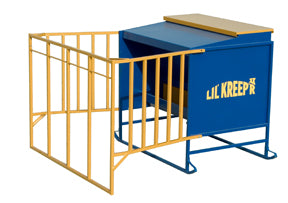
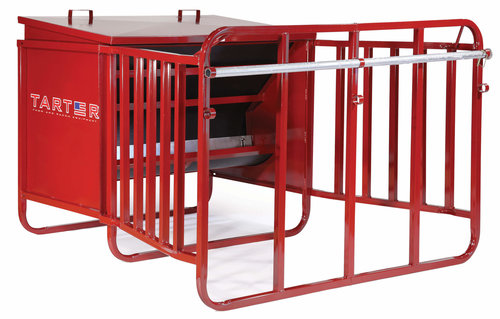
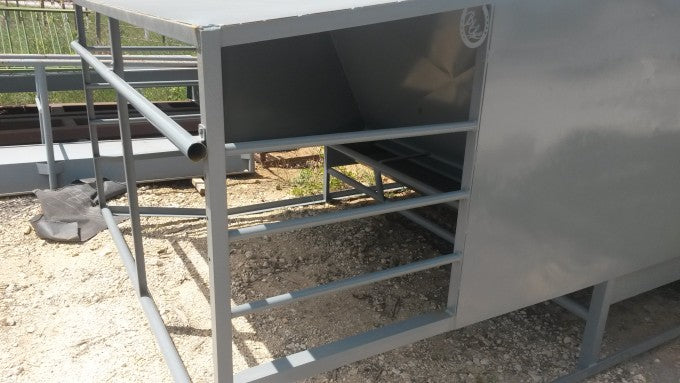
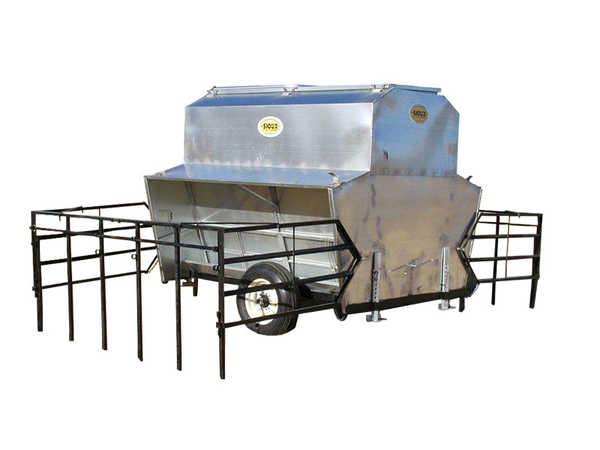
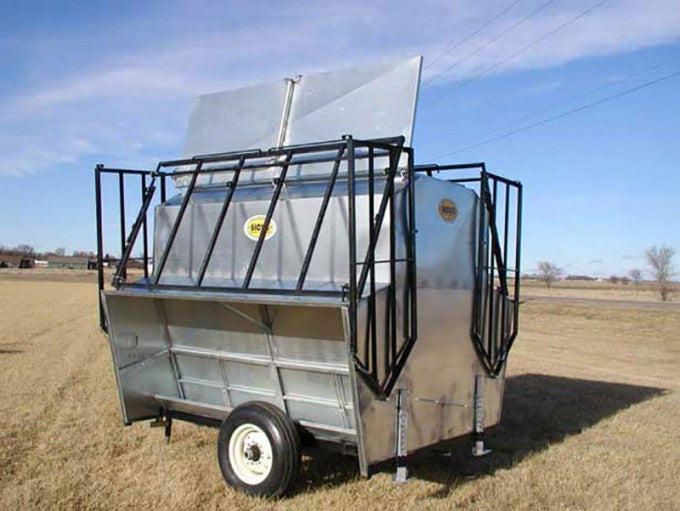
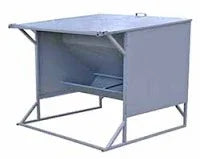
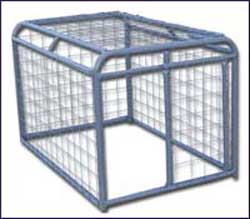
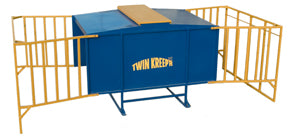
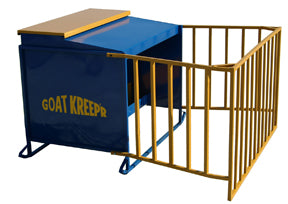
Most creep feeding arrangements have two parts: a feeder that holds grain or another appropriate supplement, and a gate or enclosure that controls which animals can reach it. Young animals enter through openings sized for them; larger animals remain outside. Some designs combine the feeder and surrounding cage into one unit, while others use separate panels around an existing trough or hopper.
Many outdoor models use a gravity-fed hopper to deliver feed into a trough as it is consumed. Others rely on a manually filled bunk. A roof or lid helps limit exposure to rain, while dividers, feed-control openings, and trough lips can reduce spillage. These features do not make feed weatherproof or eliminate the need for inspection. The correct configuration depends on the livestock species, feed type, feeding location, and the manufacturer's specifications.
Give Young Livestock More Consistent Access to Feed
In a shared feeding space, larger animals can crowd younger stock away from the trough. A properly adjusted creep gate creates a separate feeding area where young animals can enter and leave without having to push past adults. This can be especially useful when a group contains animals of different sizes or when supplements are intended only for the younger group.
Access must remain appropriate as animals grow. An opening that is too small discourages entry or causes rubbing; an opening that is too large can allow mature animals inside. Inspect adjustable height and width settings regularly, confirm that gates are secure, and watch animals entering and leaving. The goal is easy access for the intended animals without trapping or pinching them.
Is Creep Feeding Worth the Cost?
Supplemental feed can improve growth in some circumstances, but added weight does not automatically mean added profit. Calves with abundant milk and good forage may gain little economic benefit from extra concentrate. Other groups, particularly those facing limited or poor-quality pasture, may respond differently. Too much energy-dense feed can also create unwanted body condition in animals marketed at weaning.
Evaluate the decision using the cost of feed actually consumed, the added labor involved, the cost of owning and maintaining the feeder, and the likely value of any additional saleable weight. A practical comparison is estimated additional sale revenue minus added feed, labor, and equipment costs. Also consider whether the goal is selling at weaning, retaining breeding animals, or helping livestock become familiar with solid feed before a management transition.
Keep records rather than assuming a fixed return. Record feed deliveries and remaining feed, group head count, and weights taken at consistent intervals. A group feeder shows how much the group uses; it does not independently measure every calf's or lamb's consumption. Work with a livestock nutrition professional on an appropriate feeding plan.
Choose Feeder Capacity Around the Herd and Refill Schedule
Hopper capacity tells you how much feed the unit can hold, not how many animals it can feed comfortably. A larger hopper can reduce refill frequency, but the useful number of feeding positions and the accessibility of the trough matter just as much. A small herd may be well served by a more compact unit. Larger groups may need more trough access, more than one feeder, or a higher-capacity model placed where equipment can reach it.
Before comparing models, identify the number and approximate size of young animals, the type of feed, expected refill intervals, and available space. Examine how feed flows into the trough, whether the gate adjusts as animals grow, whether the feeder can be moved safely, and whether the hopper is accessible for loading and cleaning. Verify that the selected unit accommodates the intended species and does not require an incompatible feed form.
Creep Feeding Calves Versus Sheep and Goats
Calf Creep Feeders
Calf creep feeders are commonly used in cow-calf operations to give nursing calves a separate place to consume a planned supplement. Pasture conditions, cow milk production, calf age, and the sale or retention plan all affect whether supplementing makes sense. The feeder should exclude mature cattle, offer sufficient feeding space, and stand securely when cattle gather around it. Where units have skids, wheels, or towing provisions, use only the movement and loading methods specified for the equipment.
Lamb and Goat Kid Creep Feeders
Lambs and goat kids need openings and trough heights suited to their smaller body size. In barns, a sheltered creep area can be located near the group while keeping adult animals from entering. The area needs sufficient room to prevent crowding and should remain dry, clean, and easy to observe. Feed designed for one species is not automatically appropriate for another; use a species-specific feeding program and confirm any mineral or medicated-feed restrictions with a qualified adviser.
Deer and Other Specialty Feeders
Some units in this collection are intended for deer or other specialty applications. These are not interchangeable with calf or lamb creep feeders simply because they also use restricted openings or gravity-fed hoppers. Review the design, feed requirements, local wildlife-feeding regulations, and intended use before ordering.
Position the Feeder Where Young Animals Will Use It
A creep feeder is most effective when young animals can find it and reach it without walking through crowded, muddy, or hazardous areas. Choose firm, well-drained footing with access for daily checks and filling. Keep the feeder away from standing water and locations where runoff collects. Avoid placing it where animals might become trapped against a fence, gate, or loading equipment.
In pasture settings, place the feeder near areas the herd already uses, while maintaining adequate space for safe movement and equipment access. In a barn, provide ventilation, dry bedding where appropriate, and enough area around the creep entrance for animals to approach and leave comfortably. Relocating a portable feeder may help manage worn or muddy ground, but move it only when emptied or otherwise handled as the manufacturer directs.
Reduce Feed Waste and Protect Feed Quality
Spilled or spoiled concentrate is an avoidable expense. A hopper that delivers feed too quickly can leave excess material in the trough; a poorly protected opening can admit moisture; and overcrowding can lead to animals pushing feed out while competing to eat. Correctly adjusted feed gates, a suitable trough lip, and a roof or secure lid can help reduce these problems.
Check feed condition during routine chores, especially after rain, snow, or high humidity. Remove wet, moldy, contaminated, or otherwise unsuitable feed rather than adding fresh material on top. Clean the trough and inspect feed-flow openings. Keep feed storage and refill equipment clean as well. The goal is a dependable supply of fresh, appropriate supplement—not simply a full hopper.
Help Young Animals Learn to Use the Creep Area
Some calves, lambs, or kids enter a new creep area readily; others take time to explore it. Introduce the feeder where the animals naturally travel, keep the approach inviting and unobstructed, and observe whether the intended animals can get through the openings comfortably. A feeding routine and fresh, palatable feed suited to the species can encourage use without forcing animals into the enclosure.
Check the feeder at different times of day rather than assuming all animals are using it because feed is disappearing. Watch for dominant young animals blocking access and for adult livestock reaching through or around the gate. Adjust the arrangement when access is uneven or the surroundings become muddy.
Feeder Safety, Cleaning, and Long-Term Maintenance
Inspect panels, gates, hinges, latches, hopper lids, feet, and support frames. Look for loose fasteners, bent rails, sharp edges, corrosion, or damaged components that could injure an animal or allow a gate to fail. Make sure the unit stands level and remains stable when livestock lean against it. Keep children and bystanders away while handling heavy feeders or loading bulk feed.
Routine cleaning makes it easier to spot problems before feed quality or animal access is affected. Follow the equipment maker's instructions for assembly, anchoring, moving, and maintenance. For a new feeder, observe the herd closely during the first few days and again after changing entry-gate dimensions or moving the unit.
What to Check Before Ordering a Creep Feeder
Confirm the livestock species, approximate animal size, hopper capacity, feeding positions, feed type, gate adjustments, and the dimensions of the assembled feeder. Consider whether a fixed location or a portable design better fits the operation. Review how the unit is loaded, cleaned, and accessed during bad weather. For freight-delivered equipment, check whether the unit ships assembled or in sections and whether unloading equipment or special delivery arrangements will be required.
When requesting a delivered price from Barn World, provide the model or capacity you are considering, quantity, delivery ZIP code, and any relevant unloading or access constraints. This helps establish a more useful freight quote without treating hopper capacity alone as a measure of suitability.
Frequently Asked Questions About Creep Feeders
What is the purpose of a creep feeder?
A creep feeder provides a designated place for young livestock to eat supplemental feed while restricting access by larger animals. It can simplify separate feeding, but good results still depend on nutrition, gate adjustment, feeder space, and maintenance.
Does creep feeding always increase profits?
No. Supplemental feed may increase weight gain, but feed costs, labor, equipment expenses, and market prices determine whether the additional gain pays for itself. Evaluate the program under your own conditions rather than relying on a universal return.
How many calves can one creep feeder serve?
There is no dependable head count based on hopper pounds alone. Consider available trough space, how animals share access, their age and size, consumption, and how frequently the hopper can be refilled. Refer to the model's specifications and observe the group at feeding time.
How do I keep cows out of a calf creep feeder?
Use a feeder or creep gate designed to restrict mature-cattle entry, then set adjustable openings for the size of the calves. Check whether adult animals can reach feed through the sides or push against the enclosure, and adjust the setup as calves grow.
Should creep feeders be placed indoors or outdoors?
Either can be appropriate if the equipment is intended for that environment. Outdoor units need weather protection and good drainage; indoor creep areas need dry footing, ventilation, and sufficient space. In both settings, young livestock must be able to enter and leave safely.
Do lambs and goat kids use the same creep feed?
Not necessarily. Different species have different nutrient needs and feed restrictions. Choose the feeder for physical access, but select the ration and mineral program specifically for the animals using it with guidance from a qualified nutrition adviser.
What causes excess feed waste in a creep feeder?
Common causes include overfilled troughs, poorly adjusted feed openings, wet or spoiled feed, crowded access, and animals pushing feed out while eating. Regular inspection and appropriate feeder adjustments can help reduce losses.